
Yes, lilies absolutely grow in Colorado, but the type you choose makes all the difference. Asiatic lilies, Oriental lilies, and daylilies are the workhorses here. They handle Colorado's cold winters, dry air, and blazing summer sun better than almost any other flowering bulb. Tropical lookalikes like peace lilies and water lilies are a different story: they need indoor protection or specialized setups to survive. Pick the right variety for your zone, get your drainage sorted, and you'll have blooms by midsummer with very little drama.
Do Lilies Grow in Colorado? What Survives and How to Plant
Marcus Hendricks
18 May 2026
Which lily types can actually grow in Colorado
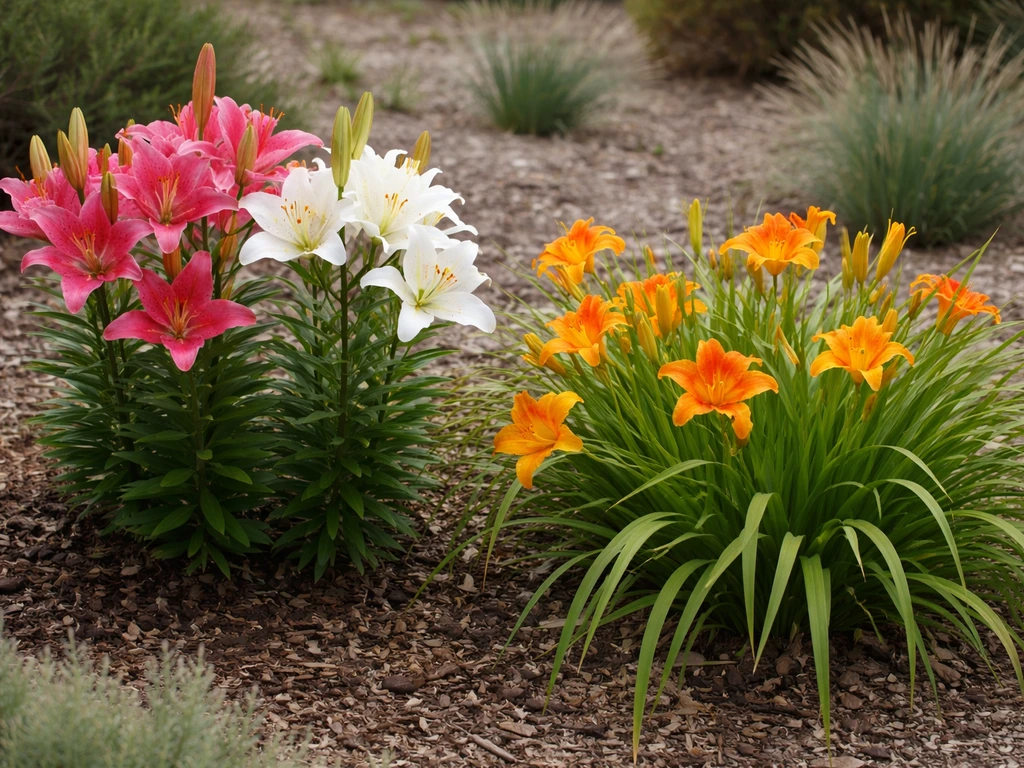
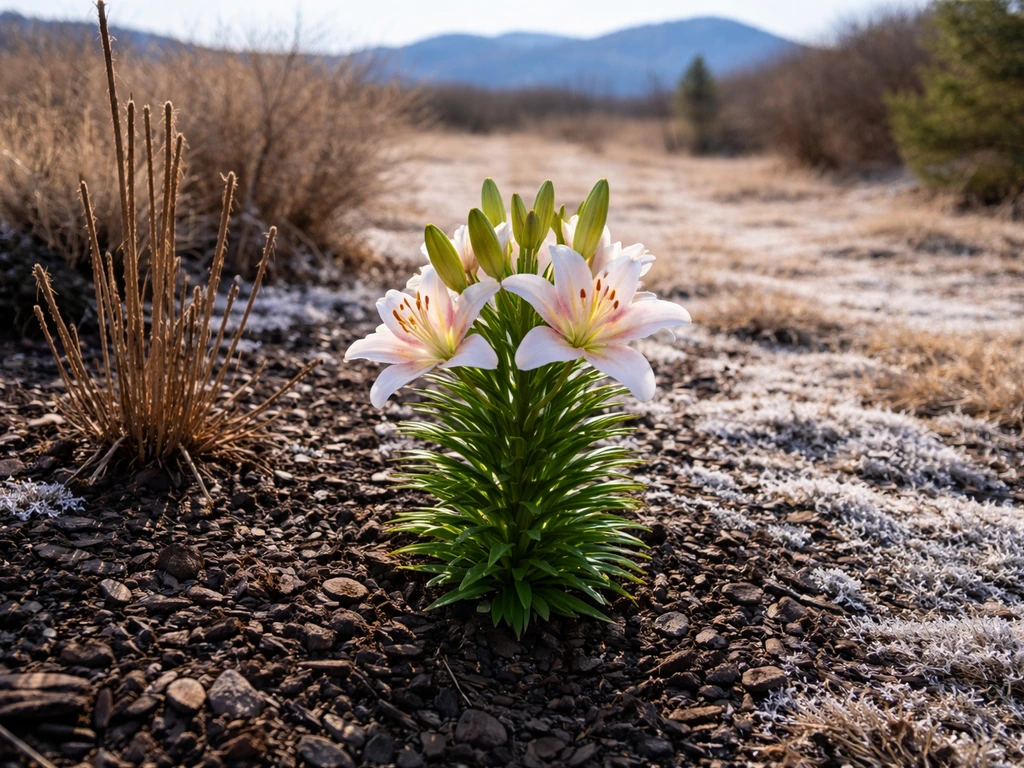
The honest answer is that 'lily' covers a wide range of plants, and Colorado treats them very differently. True lilies (genus Lilium) like Asiatics and Orientals are your most reliable bet. Daylilies (Hemerocallis) are practically bulletproof here. Calla lilies can work but need some winter protection in colder areas. Peace lilies are tropical houseplants that will die if you leave them outside over winter. Water lilies need a pond or water garden but can be done in containers. Here's the breakdown:
| Lily Type | Grows Outdoors in Colorado? | Winter Hardy? | Best Setup |
|---|---|---|---|
| Asiatic Lily (Lilium) | Yes, reliably | Yes, Zones 3-9 | In-ground or container |
| Oriental Lily (Lilium) | Yes, with good drainage | Yes, Zones 4-9 | In-ground with mulch |
| Daylily (Hemerocallis) | Yes, very reliably | Yes, Zones 3-10 | In-ground, low maintenance |
| Calla Lily (Zantedeschia) | Yes, but with caveats | Borderline (Zones 7-10 reliably) | Container or dig and store |
| Peace Lily (Spathiphyllum) | Outdoor summer only | No, tropical | Houseplant or patio pot |
| Water Lily (Nymphaea) | Yes, in a water feature | Hardy types only | Pond or deep container |
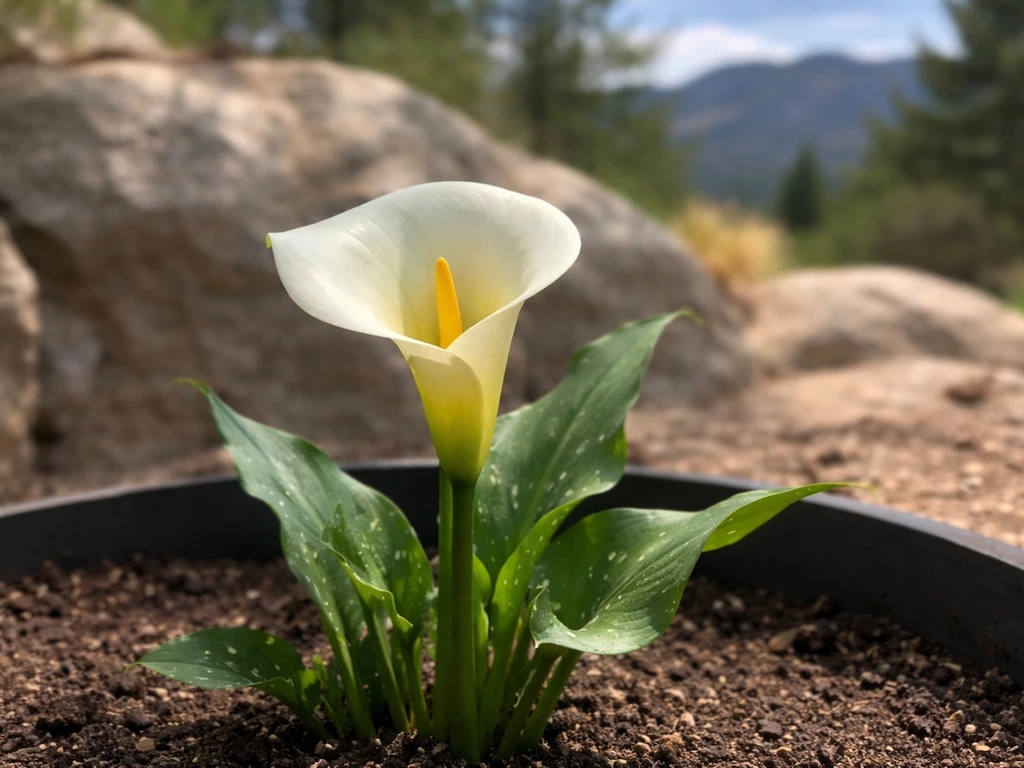
Calla lilies deserve a special mention here because they come up a lot in Colorado gardening questions. In Denver's Zone 6a, you can leave the rhizomes in the ground over winter with heavy mulch, but it's risky. In Colorado Springs (Zone 5b), most gardeners dig them up in fall and store them indoors. If you've been researching calla lilies specifically for Colorado, the short version is: they're doable, but they require more active management than Asiatics or daylilies.
Colorado's climate reality: what you're actually working with
Colorado is not one climate. The Front Range (Denver, Colorado Springs, Fort Collins) operates very differently from the Western Slope, mountain communities above 7,000 feet, or the southeastern plains. Before you buy a single bulb, you need to know your USDA hardiness zone and your realistic frost window.
Denver sits in Zone 6a, which means average winter lows between -10°F and -5°F. The last spring frost typically falls around May 1-18 (different sources put it in that range), and the first fall frost can show up as early as September 10, giving you a growing season of roughly 115-150 days depending on the year. Colorado Springs is Zone 5b, with lows dropping to around -15°F to -10°F, a last frost around May 6, and first frost around October 2. Mountain towns at elevation can be Zone 4 or even Zone 3, which cuts out Oriental lilies and makes even Asiatics a gamble without serious protection.
Beyond frost, Colorado hits lilies with three additional challenges: intense UV at altitude, very low humidity (often 10-20% in summer), and wind that desiccates foliage fast. The dryness actually helps prevent the fungal diseases that plague lilies in humid states, but it also means you need to water more consistently than you'd expect, and taller lily stems will snap in a strong gust if you don't stake or site them carefully.
The best lily varieties for Colorado gardens
Asiatic lilies: the top choice
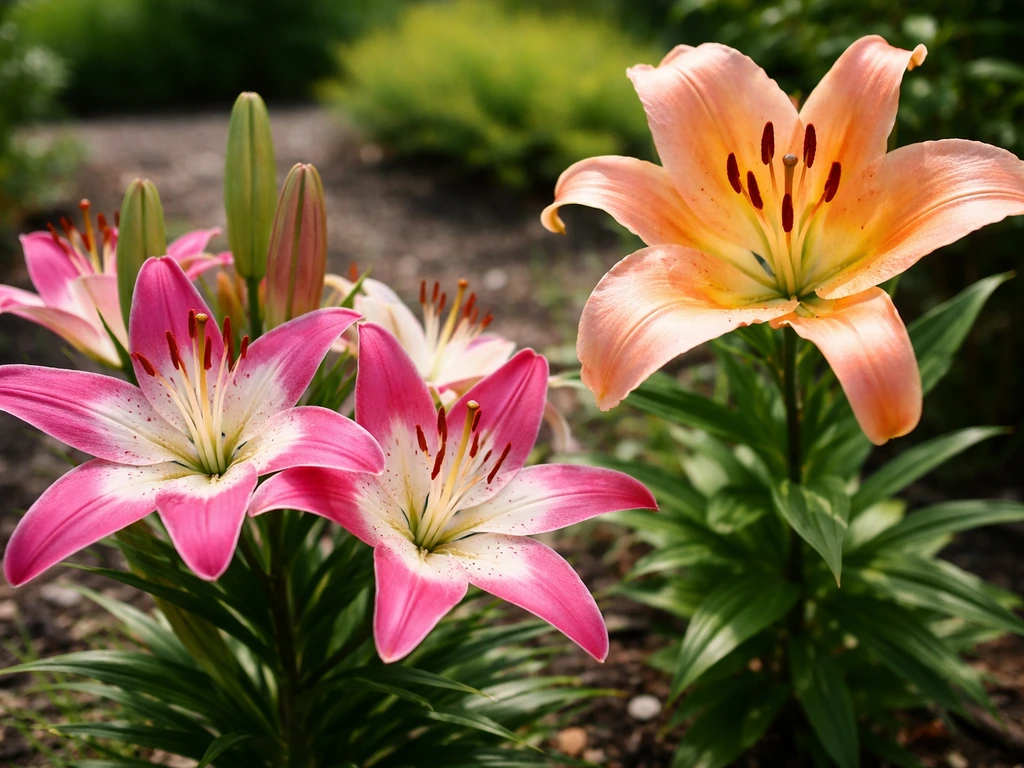
Asiatic hybrids are the single best true lily for most of Colorado. They're hardy to Zone 3, they bloom early (June to early July in Denver), they tolerate heat and dry spells better than Orientals, and they come back reliably year after year with minimal fussing. Look for varieties like 'Tiny Padhye,' 'Landini,' 'Mapira,' or the Knock Out series if you want compact plants less likely to topple in wind. Asiatics generally reach 2-4 feet and don't need staking unless you're in a particularly windy spot.
Oriental and Orienpet lilies: gorgeous but needier
Oriental lilies (think 'Stargazer' and 'Casa Blanca') bloom later, in July-August, and have that intense fragrance Asiatics lack. They're hardy to Zone 4-5, so they work in Denver and Colorado Springs with proper mulching, but they want more consistent moisture and struggle in alkaline soil. Orienpet hybrids (a cross between Oriental and Trumpet types) are increasingly popular in Colorado because they combine Oriental fragrance with better heat and drought tolerance. 'Black Beauty' and 'Scheherazade' are worth trying. Up in the mountains in Zone 4 or colder, go with Asiatics instead.
Daylilies: basically indestructible
Daylilies (Hemerocallis) are not true lilies, but they're the lily-shaped plant that thrives in Colorado more than anything else on this list. They handle drought once established, don't mind alkaline soil, and come back bigger every year. The orange 'Stella d'Oro' and reblooming varieties like 'Happy Returns' are everywhere in Colorado landscapes for good reason. If you're a beginner or you just want something that works without a lot of effort, start here.
Calla, peace, and water lilies in Colorado
Calla lilies can work as annuals or with container growing in most of Colorado. Peace lilies are strictly houseplants here, no exceptions. They need 60°F minimum temperatures year-round and high humidity, neither of which Colorado provides outdoors. Water lilies are feasible if you have a pond or large container (at least 18 inches deep), and there are cold-hardy varieties (Nymphaea 'Marliacea Carnea,' for example) that handle Zone 4-5 winters as long as the roots don't freeze solid.
Picking the right location: sun, wind, and site prep
Most true lilies want 6-8 hours of direct sun per day. In Colorado, that's rarely the problem, but the intensity of high-altitude UV can scorch some Oriental varieties in the hottest part of the afternoon. A spot with morning sun and light afternoon shade works beautifully for Orientals and Orienpets. Asiatics and daylilies handle full Colorado sun without complaint.
Wind is a bigger concern than most gardeners anticipate. The Front Range in particular gets sustained afternoon winds of 20-30 mph in spring and early summer, right when lilies are putting up tender new growth. Site taller lilies (over 3 feet) on the east or south side of a fence, hedge, or structure that blocks prevailing west and northwest winds. Avoid completely open exposed spots unless you're planting dwarf or compact varieties.
Drainage is non-negotiable. Lilies sitting in wet soil through a Colorado winter or spring snowmelt will rot. Avoid low spots, clay bowls, and north-facing slopes that stay wet. A gentle slope or a raised bed is ideal. If your yard drains well after rain and doesn't puddle for more than a few hours, you're in good shape.
Soil and watering for Colorado's dry conditions
Colorado soils run the gamut from heavy clay along the Front Range to sandy loam on the plains and rocky, thin soil in mountain foothills. Most true lilies want well-draining, slightly acidic to neutral soil (pH 6.0-7.0), which is a problem because many Colorado soils are alkaline (pH 7.5-8.0 or higher). Test your soil if you can, and amend with sulfur or acidic compost if you're planting Orientals. Asiatics and daylilies are more forgiving of alkalinity.
Work 3-4 inches of compost into your planting area to a depth of about 12 inches. This improves drainage in clay soils and moisture retention in sandy soils, and it adds organic matter that gradually lowers pH. Avoid heavy peat moss as a standalone amendment in Colorado, it breaks down fast in dry conditions. Aged wood chips or composted bark worked into the soil are better long-term choices.
Watering is where most Colorado lily failures happen. The dry air means the soil surface looks dry even when there's some moisture lower down, but lilies actually do need consistent moisture during active growth, especially in July and August when temperatures hit 90-95°F and humidity drops to single digits. Water deeply once or twice a week (aim for 1 inch per week total, including rain) and always water at the base, not overhead. Wet foliage in dry Colorado air is less of a disease risk than in humid climates, but overhead watering wastes water fast and doesn't penetrate as well.
When and how to plant: timing, depth, and in-ground vs containers
Planting timing in Colorado
Plant true lily bulbs in fall (September-October) or early spring as soon as the soil is workable, usually mid-April in Denver and late April in Colorado Springs. Fall planting gives bulbs time to establish roots before freeze-up, which leads to stronger blooms the following summer. If you're planting in spring, get bulbs in the ground at least 2-3 weeks before your last expected frost so roots can start developing in cool soil. Daylily bare-root divisions can go in any time from April through early September as long as you water them in well.
For calla lily rhizomes, wait until after your last frost to plant outdoors. Do calla lilies grow from seeds? If you want to try that, start seeds indoors and expect a longer timeline before flowers For calla lily rhizomes, wait until after your last frost to plant outdoors.. In Denver that's around May 10-18; in Colorado Springs, give it until after May 6 and ideally a few extra days as a buffer. If you want an early start, pot them up indoors 4-6 weeks before planting out.
Planting depth and spacing
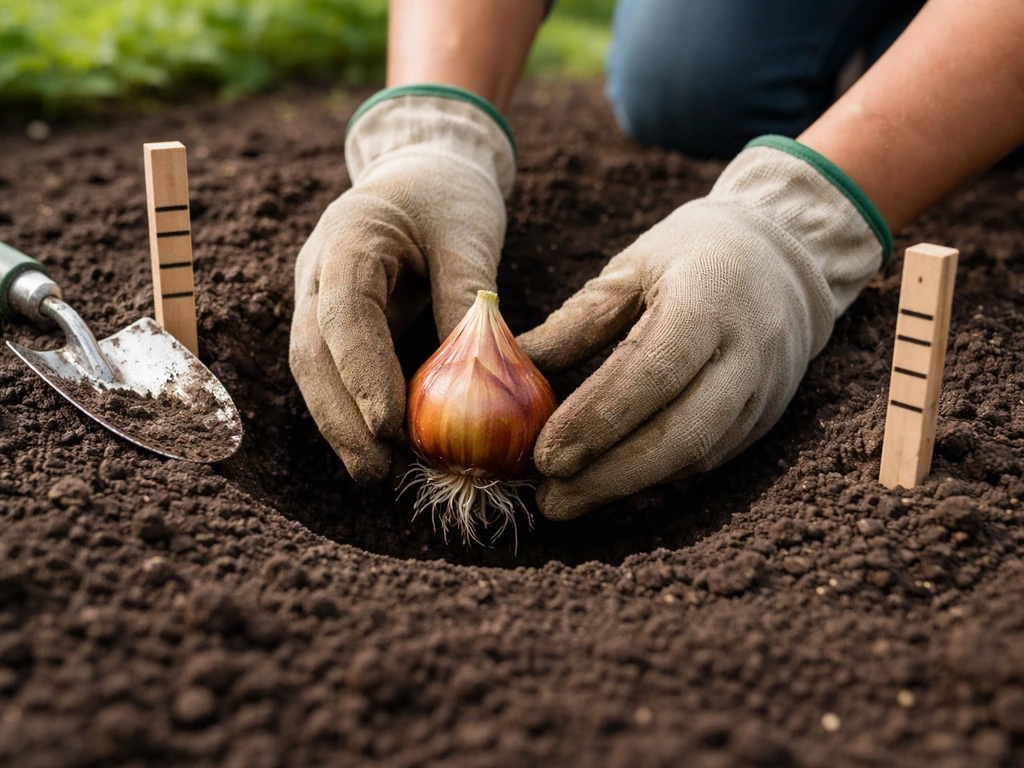
Asiatic and Oriental lily bulbs should be planted at a depth of about 3 times the height of the bulb, typically 6-8 inches deep for most standard bulbs. Deeper planting (8 inches) gives better insulation against Colorado's freeze-thaw cycles. Space bulbs 8-12 inches apart for a natural clump look, or 4-6 inches for a denser mass planting. Daylily crowns go just at or slightly below the soil surface, with the fan of leaves pointing up.
In-ground vs containers vs raised beds
In-ground planting works great for Asiatics, daylilies, and most hardy Lilium varieties on the Front Range. For calla lilies, containers are the smartest choice in Colorado because you can bring them indoors before the first frost without digging and disturbing the roots. Raised beds are excellent for any lily type in areas with poor drainage or heavy clay, and they warm up faster in spring, giving you a head start on the growing season. If you're in a Zone 5 mountain community, raised beds with a south-facing orientation can effectively bump you up half a zone in practice.
Container-grown lilies in Colorado need more frequent watering than in-ground plants, sometimes every day in July heat. Use a pot at least 12 inches deep and wide for Asiatics, and make absolutely sure it has drainage holes. Unglazed terra cotta dries out fast in Colorado's dry heat, so glazed ceramic or plastic pots retain moisture better.
Getting your lilies to actually bloom: feeding, mulch, staking, and pests
Feeding for flowers
Feed true lilies once in early spring when shoots emerge and again just as buds form, using a balanced granular fertilizer (10-10-10) or a low-nitrogen, high-phosphorus formula (like 5-10-10) to encourage blooms over foliage. Don't overfeed with nitrogen or you'll get lush leaves and few flowers. Daylilies are less fussy and respond well to a single spring feeding. Skip fall fertilizing on in-ground lilies, it can push tender late growth that gets damaged by early frosts.
Mulching in Colorado
A 3-inch layer of mulch is one of the best things you can do for lilies in Colorado. It insulates bulbs from freeze-thaw heaving in fall and spring, retains soil moisture during hot dry spells, and moderates soil temperature during those 95°F August days. Use shredded bark, wood chips, or straw. Pull mulch back slightly from the base of stems to prevent rot. In late fall after a hard freeze, add an extra inch or two of mulch over Asiatic and Oriental lily beds for winter insulation.
Staking and deadheading
Stake any lily variety that grows over 2.5 feet tall, especially if you're in a windy corridor. Use bamboo stakes or metal rod supports and tie stems loosely with soft garden twine. Do this early, before stems reach full height, so you're not trying to straighten a bent stem later. After blooms fade, deadhead by cutting off the spent flower heads but leave the full stem and leaves in place until they yellow in late summer or fall. The foliage continues feeding the bulb after flowering, and cutting it down early weakens next year's bloom.
Pest and disease basics for Colorado
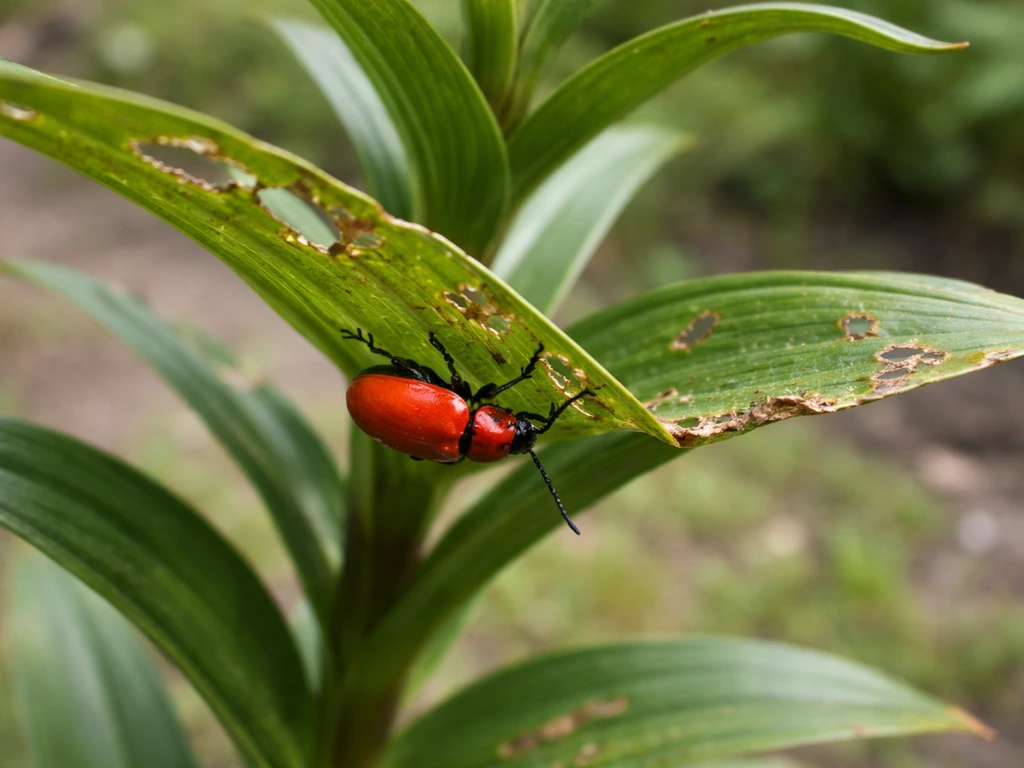
The biggest pest threat for Asiatic and Oriental lilies in Colorado is the red lily beetle (Lilioceris lilii), which has been spreading west and is increasingly showing up along the Front Range. Check the undersides of leaves in May and June and handpick adults and larvae, or use spinosad-based spray. Aphids are common, especially in dry years, and can be knocked off with a strong water spray or treated with insecticidal soap. Botrytis (gray mold) is less common in dry Colorado than in humid climates, but can appear after cool wet springs. Remove affected foliage promptly and improve air circulation. Deer are a serious issue in foothills and suburban areas: true lilies are favorites. Use motion-activated deterrents, physical fencing, or deer-repellent sprays (reapply after rain). Squirrels and voles will dig up freshly planted bulbs, so consider planting bulbs in wire mesh cages or covering new plantings with hardware cloth until established.
Troubleshooting and next steps for your specific Colorado area
If you're on the Front Range (Denver metro, Colorado Springs, Fort Collins, Pueblo), Asiatics and daylilies are an almost guaranteed win. Go in-ground with good drainage and a layer of mulch and you'll have flowers most summers with minimal intervention. If you're in a foothills community between 6,500 and 8,000 feet, stick to Asiatic lilies and cold-hardy daylily varieties, avoid Orientals, and use raised beds or containers to extend your season and improve drainage on rocky soils.
If your lilies didn't bloom last summer, the most common culprits in Colorado are: bulbs planted too shallow and heaved by freeze-thaw cycles (replant at 8 inches), soil that's too alkaline for Orientals (test and amend), not enough water during July-August heat, or foliage cut down too early after bloom, starving the bulb for next year. Give a new planting at least two full growing seasons before giving up on a bulb: some Asiatics take a year to settle in and bloom freely.
For calla lilies specifically in Colorado, the safest approach is treating them like annuals or growing them in containers you bring inside before frost. If you're interested in whether calla lilies can overwinter in Colorado soil at all, that depends heavily on your microclimate and how cold your specific location gets, which is a question worth digging into on its own. In warmer, drier parts of the Southwest, many gardeners choose calla lilies in containers so they can manage temperature and watering more easily. To get a clear answer for where do calla lilies grow in Colorado, look at your zone and whether you can keep the rhizomes protected through winter lows.
Your practical next steps: find your exact USDA zone using the USDA Plant Hardiness Zone Map (just enter your zip code), choose an Asiatic lily or daylily as your starting variety if you're a beginner, source bulbs from a local Colorado nursery or a reputable online bulb supplier that sells Colorado-tested varieties, and get fall bulbs in the ground by mid-October or plan for a late April spring planting. That's genuinely all you need to get started successfully with lilies in Colorado.
- Zone 6a (Denver area): Asiatics, Orientals, Orienpets, and daylilies all work in-ground with mulching
- Zone 5b (Colorado Springs, higher foothills): Asiatics and daylilies are safest; Orientals are borderline without winter mulch
- Zone 4-5 (mountain communities, 7,000+ feet): Asiatic lilies and cold-hardy daylilies; containers or raised beds strongly recommended
- Calla lilies statewide: container growing or annual treatment is the most reliable approach
- Peace lilies: keep them indoors as houseplants year-round
- Hardy water lilies: feasible in a pond or large deep container with proper Zone 4-5 rated varieties
FAQ
Do lilies grow in Colorado all year outdoors, or do I need to bring them inside?
Yes, but only for cold-hardy types (like Asiatic lilies and many daylilies). Tropical “lilies” such as peace lily need warm indoor conditions, so they should not be treated as outdoor perennials in Colorado winter.
Why didn’t my lilies bloom the first year I planted them in Colorado?
In Colorado, lily bulbs usually need a full season to “settle in.” If you planted new bulbs last spring, expect blooms to be inconsistent the first year, then more reliable in the second year.
Can Colorado sun burn or damage lily varieties, and what should I do if it happens?
Oriental and Orienpet types can scorch in high-altitude afternoon sun. If you see leaf browning or faded flowers, switch to morning sun with light afternoon shade (or use taller plants as a temporary screen).
How do I avoid under- or overwatering lilies in Colorado if my yard dries out fast?
Yes, but it’s riskier than most people think because lily bulbs need evenly moist soil during growth, not dry-out cycles. For containers, check daily in July, water at the base, and ensure drainage so the pot never sits in runoff.
What should I do if my soil test shows it’s too alkaline for Orientals?
Alkaline soil commonly blocks Oriental lily performance. Test pH first, then amend with sulfur or an acidifying compost where you’ll plant, and use mulch to slow how quickly the soil chemistry shifts.
Do I have to dig up lily bulbs every fall in Colorado?
Digging up and storing bulbs is usually only necessary for calla lilies in colder zones and for gardeners growing less-hardy lily types in mountain areas. For Asiatic lilies and most hardy daylilies, heavy mulch and proper drainage typically handle winter.
Is it okay to water lilies overhead during Colorado summers?
Overhead watering is not ideal for most gardeners because it can encourage disease via prolonged leaf wetness when conditions turn damp. Even though Colorado is usually dry, water lilies at the base and time watering to morning so foliage dries quickly if you do wet it.
What’s the best way to deal with red lily beetles in Colorado?
Yes, but choose the right pest tool. For red lily beetles, handpicking adults and larvae early in May and June is often the fastest control, and targeted treatments work better than “spray and forget” once the infestation spreads.
Do lilies do better in raised beds or in-ground in Colorado?
Orientals and Orienpets often benefit from a raised bed or gentle slope with organic matter worked in, because rocky or heavy soils can swing moisture too sharply. For clay, improve drainage with compost and consider a raised bed before planting.
How can I tell if my watering schedule is causing poor blooms in Colorado?
Most true lilies want consistent moisture while they’re actively growing. If you’re getting fewer blooms in July and August, check whether your watering is deep enough to reach the bulb zone, not just wetting the surface.
Citations
Denver is typically classified around USDA hardiness Zone 6a (≈ -10°F to -5°F), and its average last frost is May 1–May 10 while the average first frost is in early October (≈ Oct. 1–Oct. 10).
https://www.plantmaps.com/interactive-colorado-usda-plant-zone-hardiness-map.php/en/clim/f/us/colorado/denver/climate-data
For Denver, one frost-date reference reports the last spring air frost typically around May 18 and the first autumn air frost around Sep 10 (32°F/0°C threshold framing).
https://frostdates.com/united-states-of-america/colorado/denver
Colorado Springs is commonly described as USDA Zone 5b with average annual extreme minimum temperatures around -15°F to -10°F (and practical guidance often cites needing protection until ~2 weeks after the average last frost in early May).
https://firstfrostdate.com/colorado/colorado-springs/
Colorado Springs average last freeze/frost is reported around May 6 and average first autumn freeze around Oct 2.
https://en.wikipedia.org/wiki/Colorado_Springs%2C_Colorado
Next Articles
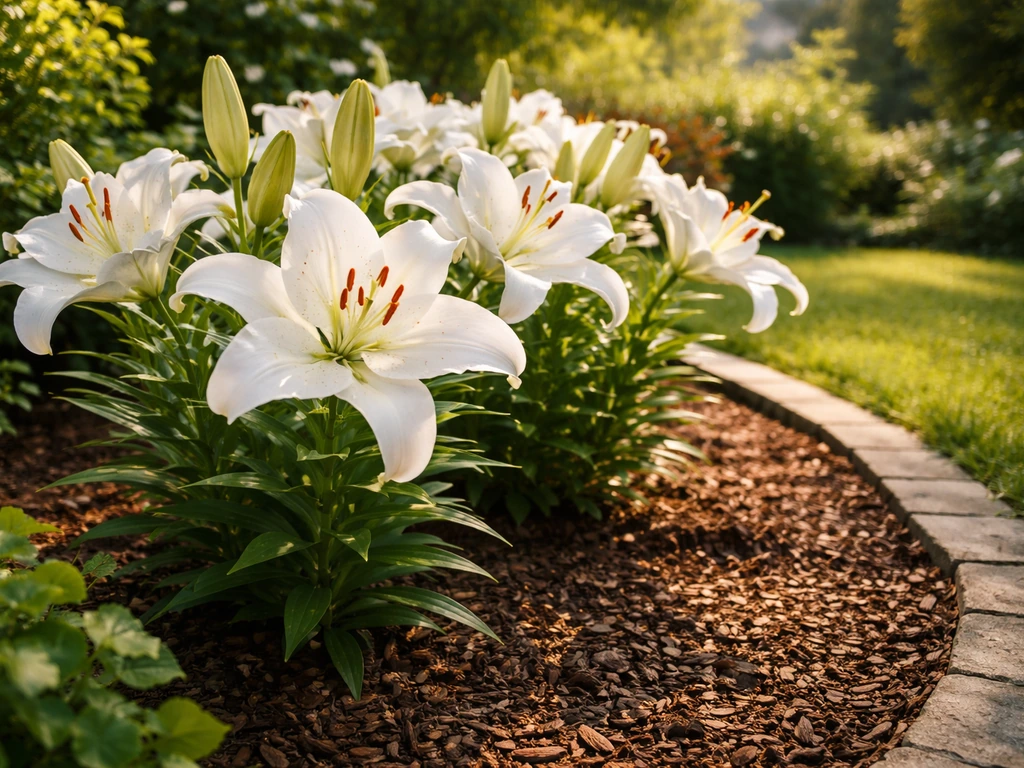
Where Do Casablanca Lilies Grow and How to Plant Them
Learn where Casablanca lilies grow best, plus sunlight, soil, drainage, and climate tips to plant and bloom reliably.
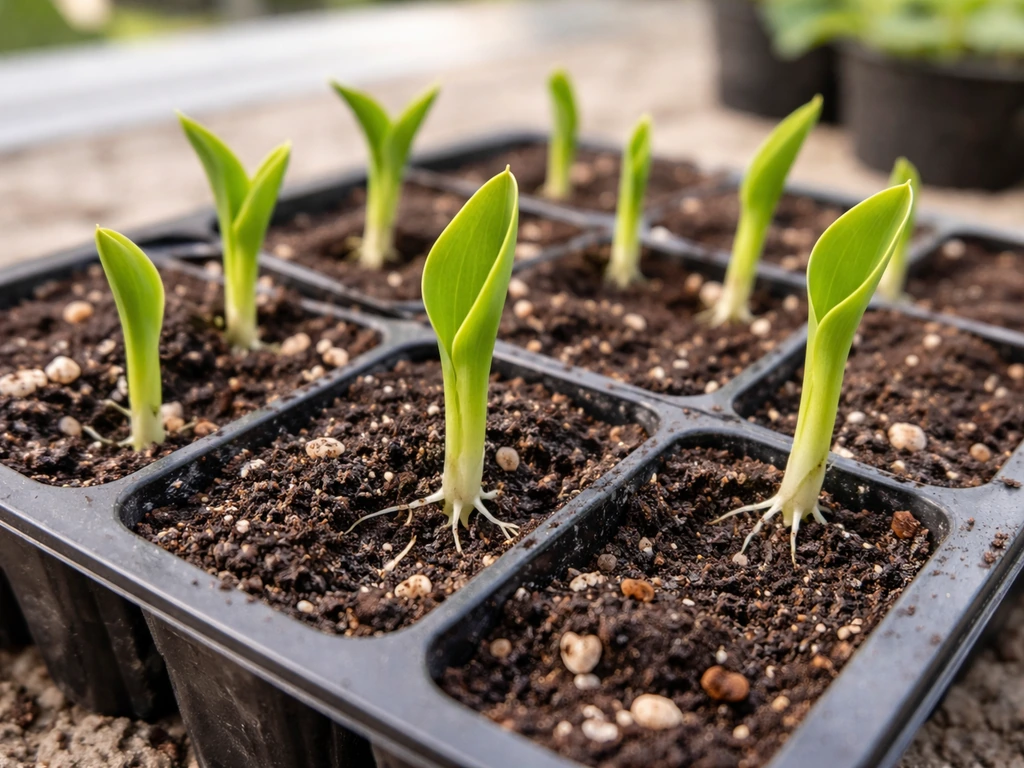
Do Calla Lilies Grow From Seeds? How to Start Them
Learn if calla lilies grow from seeds and get step-by-step sowing, germination, potting, and troubleshooting tips.
Will Calla Lilies Grow in Colorado? Planting and Care
Learn if calla lilies grow in Colorado, plus planting schedule, sun and watering tips, and overwintering and troubleshoo