
Yes, calla lilies can grow in Colorado, but you have to work with the state's climate rather than against it. If you are also wondering, do calla lilies grow in Arizona, the key factor is whether your heat and winter temperatures line up with their cold sensitivity. Yes, calla lilies can grow in Michigan too, but they still need attention to frost timing and the right conditions calla lilies can grow in Colorado.
Will Calla Lilies Grow in Colorado? Planting and Care
Marcus Hendricks
15 May 2026
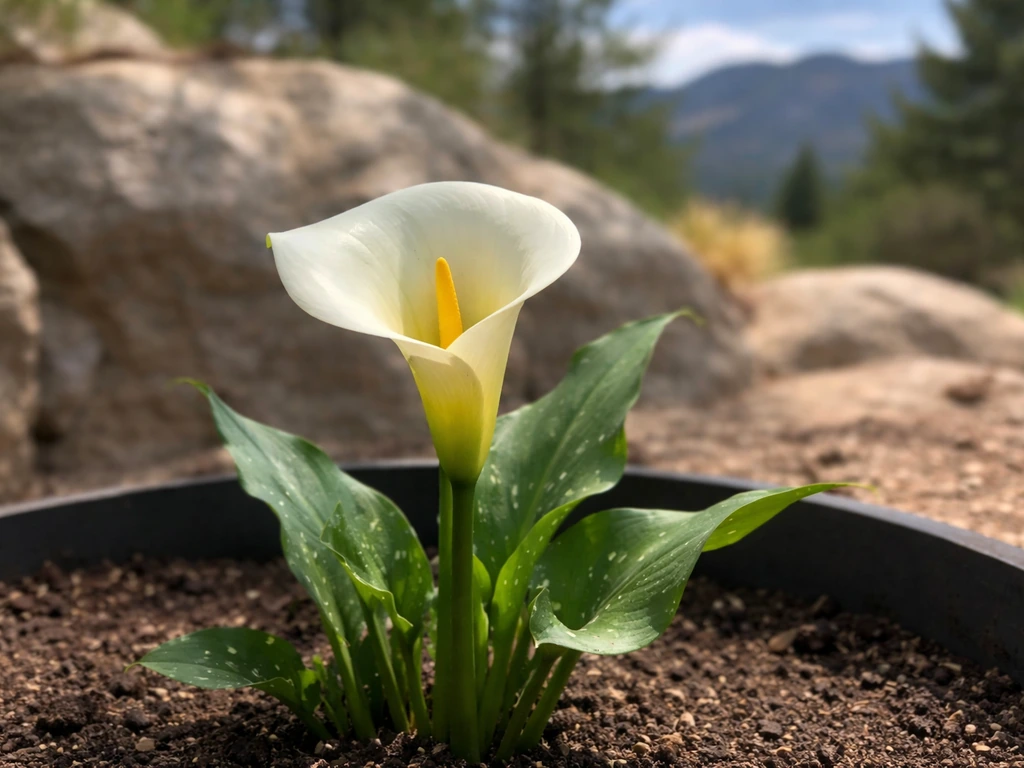
Most Colorado gardeners treat them as seasonal plants, planting rhizomes outdoors after the last frost, enjoying the blooms through summer, then either lifting the rhizomes in fall or growing them in containers that move indoors when temperatures drop. In the warmer zones along the Front Range and Western Slope (Zones 5–7), calla lilies perform beautifully as summer bloomers.
At higher elevations in Zones 3–4, you can still make it work, but the window is shorter and container growing becomes almost mandatory.
Colorado's climate and what it means for calla lilies
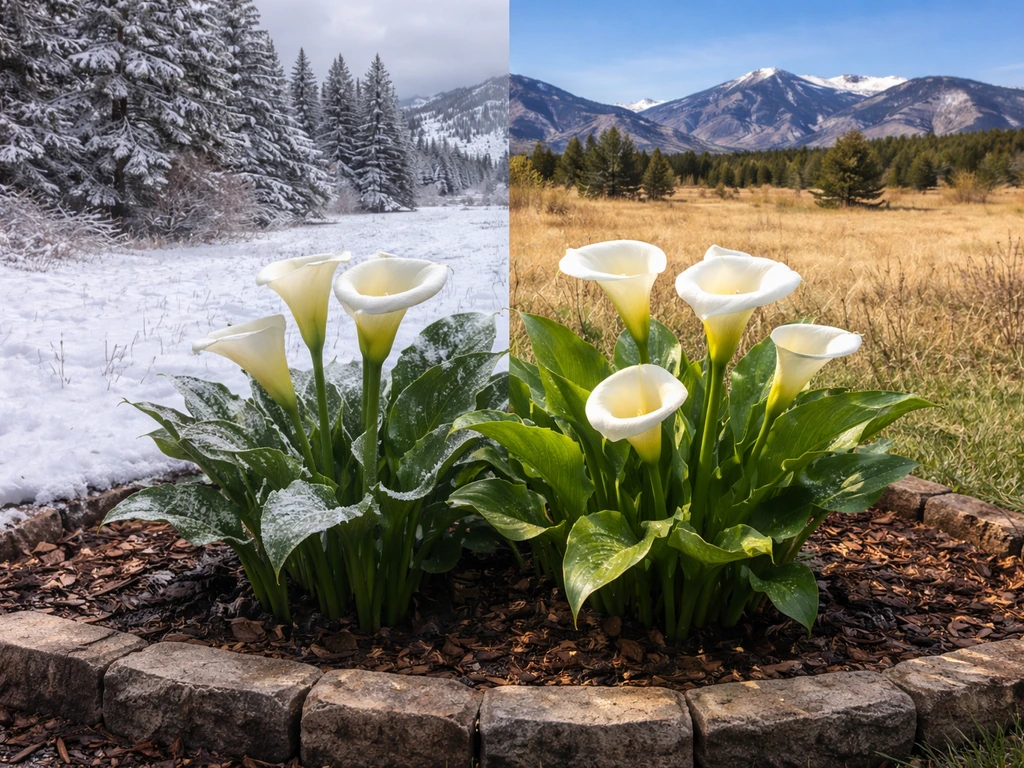
Colorado spans USDA Hardiness Zones 3 through 7, depending on elevation. The central mountain regions sit in Zones 3–4, where winters are brutal and summers are short. The Front Range cities like Denver, Fort Collins, and Pueblo land in Zones 5–6. The Western Slope, particularly around Grand Junction, reaches Zone 7 in some spots. Calla lilies (Zantedeschia) are typically rated hardy to Zone 8 or 9 in the ground year-round, which means almost nowhere in Colorado is warm enough for them to survive winter in the soil. The good news is that the growing season in lower-elevation Colorado is long enough to get full flower displays if you time your planting right.
Beyond zone ratings, Colorado throws a few other curveballs. The air is dry, which calla lilies are not fans of since they naturally come from moist, subtropical South African environments. The state also gets wild temperature swings, especially in spring, where a sunny 70-degree day can be followed by a hard freeze two days later. Front Range gardeners know this dance well. And at higher elevations, afternoon thunderstorms in July and August can actually help with the moisture calla lilies crave, but hail is another story entirely.
Do calla lilies tolerate Colorado winters and frost
Bluntly: no, calla lily rhizomes will not survive a Colorado winter left in the ground. They are frost-tender. A hard freeze kills the rhizomes outright, and every part of Colorado gets hard freezes every winter. Denver's average first fall frost hits around October 7, and the average last spring frost lands around May 7, according to Almanac's frost date data. That gives Denver-area gardeners roughly five months of frost-free growing. Head up to mountain towns like Breckenridge or Steamboat Springs, and that window shrinks dramatically, sometimes to fewer than 90 days. You can check your specific ZIP code or county through Almanac's Colorado frost-date calculator or CropTrails' county-level frost data to get precise numbers for your location.
Calla lilies are also sensitive to light frost even before a hard freeze. Temperatures dipping into the low 30s can damage foliage, and anything below 28°F will kill the plant to the ground quickly. Spring in Colorado is especially tricky because warm spells in March and April tempt gardeners to plant early, then a late frost wipes everything out. I've watched this happen to neighbors who jumped the gun in April. Wait until after your local last frost date before planting outdoors, no exceptions.
Best calla lily varieties for Colorado gardens
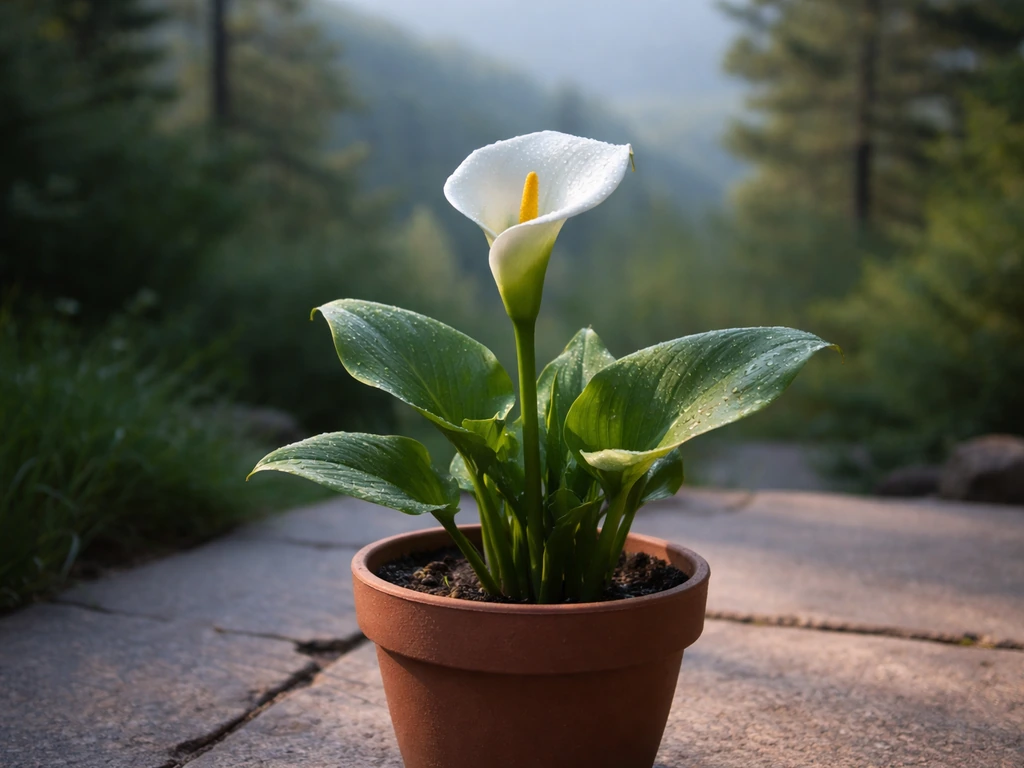
Not all calla lilies perform equally in short-season, variable climates. The common white calla (Zantedeschia aethiopica) is the most cold-tolerant species in the genus and your best bet for Colorado gardens, especially at higher elevations. It can handle slightly cooler temperatures and actually prefers more moisture than the colorful hybrid varieties. The hybrid colored callas (pinks, purples, yellows, oranges) are derived from species like Zantedeschia rehmannii and Zantedeschia elliottiana. They are showier but also more heat-dependent and pickier about soil moisture consistency. They will work on the Front Range and Western Slope, but you will need to be more attentive.
| Variety Type | Cold Tolerance | Best Colorado Zone | Notes |
|---|---|---|---|
| Zantedeschia aethiopica (white) | Most cold-tolerant in genus | Zones 4–7 | Best choice for higher elevations and variable springs |
| Colored hybrids (pink, purple, orange) | Less cold-tolerant | Zones 5–7 | Great for Front Range/Western Slope; need consistent warmth |
| Zantedeschia elliottiana (yellow) | Moderate tolerance | Zones 5–7 | Prefers drier conditions than aethiopica; good for Western Slope |
For Front Range gardeners in Zone 5–6, any of these will work as seasonal plants. If you are in Zone 5 or colder, stick with Z. aethiopica or start colored hybrids indoors earlier to extend the season. Unlike Casablanca lilies or Asiatic lilies, which are fully cold-hardy and stay in the ground through Colorado winters, calla lilies always need the extra step of lifting or container management.
Sun, shade, and heat: picking the right spot
Calla lilies need at least 6 hours of direct sunlight per day to flower well. In hotter, lower-elevation parts of Colorado like Pueblo or Grand Junction, some afternoon shade (maybe 2–3 hours) actually helps prevent leaf scorch and keeps the soil from drying out too fast. If you are wondering where calla lilies naturally thrive, look to warm, moist conditions similar to what you get along streambeds and in mild climates where do cahaba lilies grow. But do not go shade-heavy, especially in mountain or Front Range gardens where the growing season is already short. A spot with morning sun and just a bit of protection from the harshest afternoon rays is the sweet spot in those areas.
Heat matters too. Calla lilies need soil temperatures above 60°F to really get going, and they bloom most when air temperatures stay consistently in the 60–85°F range. Colorado's mountain communities often have cool nights even in summer, which slows the plants down. If you are gardening at elevation, placing your callas against a south-facing wall or in a raised bed helps the soil warm up faster and holds heat longer into the evening. This small site adjustment can make a meaningful difference in whether you get flowers or just foliage.
Soil, planting depth, and container vs. in-ground
Soil requirements
Calla lilies want rich, loose, well-draining soil with plenty of organic matter. Colorado's native soils are often clay-heavy on the Front Range or sandy and alkaline in other regions, neither of which is ideal. Amend generously with compost before planting. If you have heavy clay, add perlite or coarse sand along with compost to improve drainage. Callas sitting in waterlogged soil will rot, especially the colorful hybrids. Aim for a slightly acidic to neutral pH between 6.0 and 6.5. A simple soil test from your local extension office can tell you where you stand.
Planting depth
Plant rhizomes 3–4 inches deep with the growing tips (the knobby side) facing up. Space them about 12–18 inches apart. Shallow planting in Colorado's variable spring climate can leave rhizomes exposed to late cold snaps. The 3–4 inch depth gives them a little insulation while still letting them emerge quickly once temperatures warm.
Container vs. in-ground: which works better in Colorado
Honestly, for most Colorado gardeners, containers are the smarter move. Growing calla lilies in large pots (at least 12–14 inches wide and deep for one rhizome) gives you control over soil quality, drainage, and most importantly, mobility. You can bring them indoors early if an unexpected frost threatens, start them inside weeks before your outdoor frost-free date, and skip the whole rhizome-lifting process in fall by just moving the entire pot inside. In-ground growing works well in Zones 6–7 on the Front Range and Western Slope if you commit to lifting rhizomes each fall, but containers remove a lot of the stress and guesswork.
Watering, drainage, and managing Colorado's dry air
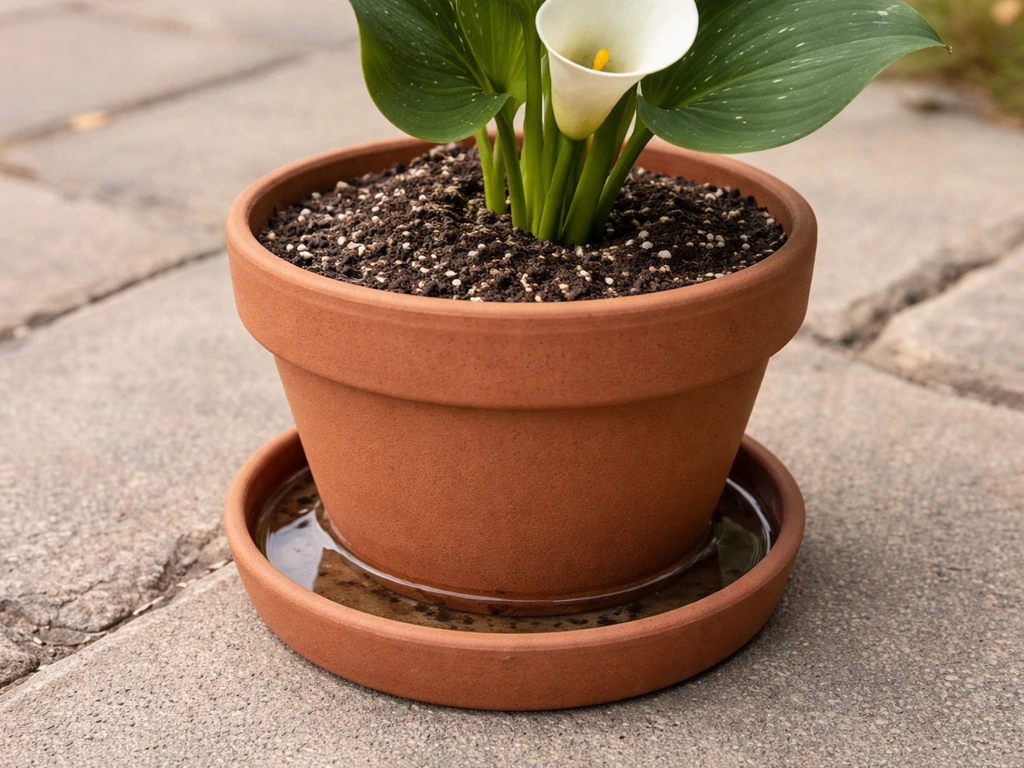
Calla lilies like consistently moist soil during their active growing season, but they absolutely cannot sit in standing water. In Colorado's dry climate, you will likely need to water more often than you expect, especially during hot, windy periods. Check soil moisture an inch or two down; if it is dry there, water thoroughly. In peak summer heat, that might mean watering every 2–3 days for in-ground plants and daily for containers in full sun.
Drainage is where Colorado gardeners most often run into trouble. If your native soil does not drain well and you plant calla rhizomes directly into it without amending, you are setting yourself up for rot. Raised beds are excellent for solving both the drainage problem and the soil warming issue. For container growers, make sure your pot has adequate drainage holes and use a quality potting mix, not straight garden soil, which compacts in containers.
Colorado's low humidity also means the foliage dries out faster. Mulching around in-ground plants with 2–3 inches of wood chips or straw helps retain soil moisture and moderate soil temperature swings. Container plants can benefit from occasional misting of the foliage during especially dry stretches, though this is less critical than keeping the soil consistently moist.
When to plant calla lilies in Colorado
Timing is everything in Colorado. Here is a practical schedule built around the Front Range (Denver area) as a baseline. If you are at a higher elevation or in a colder county, shift each date 2–4 weeks later. If you are in a warmer Zone 6–7 spot on the Western Slope, you can shift a week or two earlier.
- Late March to early April: Start rhizomes indoors in pots if you want a head start. Keep them in a warm spot (65–70°F) with bright indirect light. Do not overwater at this stage since the rhizomes are dormant and prone to rot before roots develop.
- Early to mid-May: Harden off indoor-started plants by setting them outside in a sheltered spot for a few hours a day, increasing exposure over 7–10 days.
- After May 7–15 (Denver area last frost): Transplant outdoors or plant rhizomes directly in the ground once nighttime temperatures stay consistently above 50°F. Watch the forecast and have frost cloth ready through late May.
- June through August: Peak growing and blooming season. Maintain consistent moisture and fertilize lightly (a balanced slow-release fertilizer or a diluted liquid feed every 2–3 weeks).
- Late September: Begin watching nighttime temperatures. When lows drop toward 40°F consistently, start preparing to lift or move plants.
- Before the first frost (around October 7 in Denver): Lift in-ground rhizomes or move containers indoors.
If you are in a mountain community in Zone 4 or below, the outdoor window might run only from late May to early September. In that case, starting indoors is not just helpful, it is basically required to get flowers before the season ends. The same short-season consideration applies to gardeners growing other lilies in Colorado, where timing adjustments by elevation are a consistent theme across species. The same short-season consideration applies to gardeners growing other lilies in Colorado, where timing adjustments by elevation are a consistent theme across species [do lilies grow in colorado can help you compare timing across lily types in the same climate impacts matter most here, too like frosts and short windows in cooler elevations]di]v]e]n]t]](/lilies-by-state/do-lilies-grow-in-colorado).
Keeping calla lilies going: care, pests, and overwintering
Everyday care and common problems
Once calla lilies are established and growing in Colorado's warmer months, they are fairly low-maintenance. Deadhead spent blooms to encourage more flowers. Feed every few weeks with a low-nitrogen, higher phosphorus fertilizer (like a 5-10-5 blend) once you see buds forming, since too much nitrogen pushes leafy growth at the expense of flowers. If your plants are producing lots of beautiful foliage but no blooms, that is usually the culprit, along with insufficient sunlight or rhizomes planted too shallowly.
The most common failure modes for Colorado calla lily growers are rhizome rot from poor drainage or overwatering, frost damage from planting too early in spring, and drying out too fast in containers during hot, windy weather. Yellowing leaves are usually a watering issue (either too much or too little) or a sign of cold stress. Brown leaf tips often indicate low humidity or wind damage.
Pests and disease to watch for
- Aphids: Common on new growth. Knock off with a strong stream of water or treat with insecticidal soap.
- Spider mites: More common in hot, dry Colorado summers. Look for fine webbing on the undersides of leaves. Increase humidity and use miticide or neem oil if needed.
- Thrips: Cause streaking and distortion on leaves and flowers. Blue sticky traps help monitor; neem oil or spinosad are effective treatments.
- Rhizome rot (Pythium or Erwinia): The biggest disease risk in Colorado, caused by overwatering or poor drainage. Remove and discard affected rhizomes. No good cure once rot sets in, so prevention through drainage is everything.
- Botrytis (gray mold): Can appear in cool, damp conditions, especially in container-grown plants crowded indoors. Improve air circulation and avoid wetting foliage in the evening.
Overwintering your calla lilies in Colorado
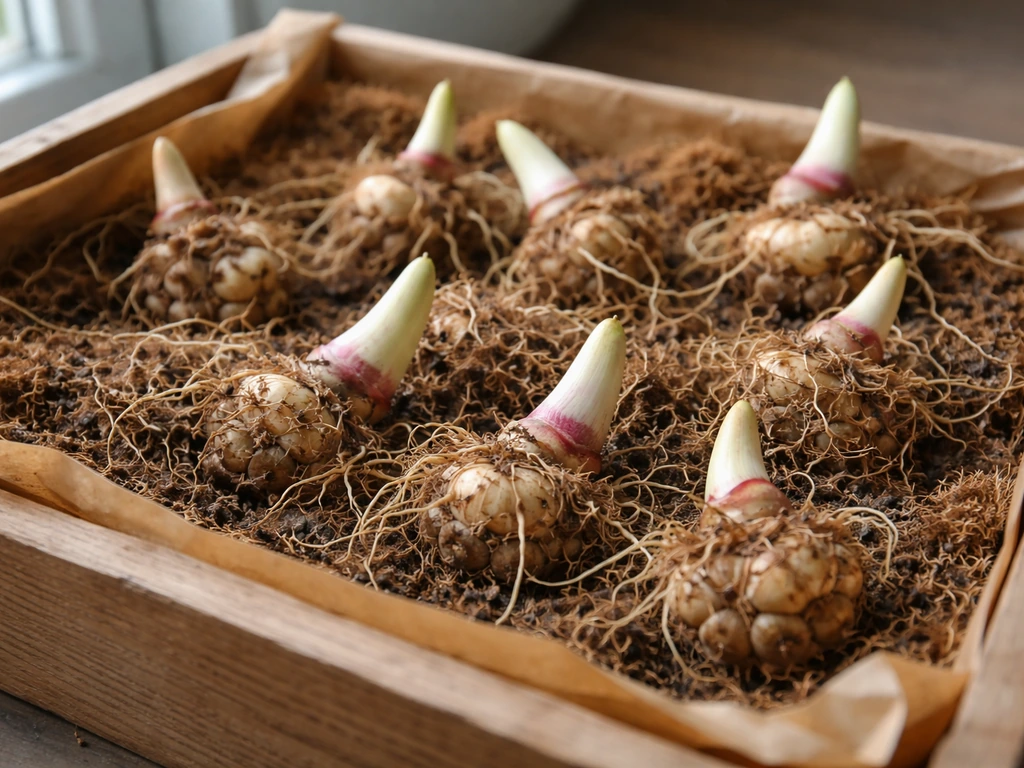
You have two main options: lift and store the rhizomes, or keep them in containers and move them indoors. Both work well. For in-ground plants, after the first light frost kills back the foliage, dig up the rhizomes carefully with a garden fork. Shake off loose soil, let them dry in a warm spot for a few days, then store in a breathable bag or box filled with peat moss, vermiculite, or dry sawdust. Keep them in a cool but frost-free space, ideally 45–55°F, like a basement or attached garage. Check them monthly and discard any that show signs of rot.
For container growers, simply cut back the foliage once it dies down, reduce watering almost entirely, and move the pot to a cool indoor space for winter. The rhizomes will go dormant in the pot. Resume watering and move them back to warmth and light in late March when you are ready to start the cycle again. This is honestly the easiest approach and the one I would recommend to anyone new to growing calla lilies in Colorado. It takes the guesswork out of storage and the rhizomes tend to come back strong the following year. Do calla lilies grow from seeds, and what that means for your timeline?
FAQ
Will calla lilies come back every year if I plant them in the ground in Colorado?
Usually no. In Colorado they are frost-tender, so the rhizomes typically die if left outside over winter. If you want year-to-year growth, plan on lifting and storing rhizomes after first light frost, or keep them in containers you can move indoors when cold weather starts.
When is the safest time to plant calla lily rhizomes outdoors in Colorado?
Wait until after your local last spring frost date, and also watch daytime and nighttime stability. Even a brief dip into the low 30s can harm foliage, so if cold snaps are common where you live, consider delaying planting 1 to 2 weeks or starting in containers indoors first.
Can I plant calla lilies earlier if I use frost protection?
Frost cloth or row covers can help with light frost, but they do not make rhizomes safe from hard freezes. If your forecast calls for temps near or below freezing, it is better to keep plants in pots indoors or move pots into a protected garage overnight rather than relying on garden fabric.
How do I tell whether yellow leaves are from watering problems or cold stress?
Yellowing right after cold or after a sudden spring temperature drop points to chill damage. Yellowing during the growing season more often comes from irregular watering or poor drainage. Check soil 1 to 2 inches down, if it is consistently wet, reduce watering and improve drainage to prevent rot.
What soil moisture level should I aim for, especially in Colorado’s dry air?
During active growth, aim for evenly moist soil, not waterlogged. A practical test is checking the top couple inches for dryness and then watering thoroughly when the soil below that starts to dry. In containers, smaller volumes dry fast, so you may need more frequent watering than in-ground plants.
Are calla lilies drought-tolerant in Colorado if I water less?
They are not reliably drought-tolerant. Letting the rhizomes dry out too much can reduce flowering, especially in hot windy conditions. If you are seeing fewer blooms, first confirm you are maintaining moisture during bud formation, then review sunlight and rhizome depth.
What’s the best option for small spaces, containers on a patio or in-ground planting?
Containers are usually the safer, easier route in Colorado because you can control drainage and move plants indoors quickly. Use a large pot (around 12 to 14 inches wide and deep per rhizome), ensure drainage holes are adequate, and do not use straight garden soil that compacts and holds water.
If I lift rhizomes, how do I store them to prevent rot?
After foliage dies down, dig carefully and let rhizomes dry for a few days in a warm, airy spot. Store them in a breathable bag or box with dry, slightly insulating material (like peat moss, vermiculite, or dry sawdust), keep them around 45 to 55°F, and check monthly for soft spots or mold.
Can I start calla lilies from seeds in Colorado for faster or longer blooming?
It is generally not the quickest path. Calla lilies are commonly grown from rhizomes, and seed-grown plants take longer to reach flowering and may vary in traits. If you want consistent results, buy rhizomes or start with known cultivars and focus on timing and frost-safe handling.
Why do my calla lilies produce lots of leaves but no flowers?
The two most common causes are insufficient light (not enough direct sun) and rhizomes planted too shallow. Overfeeding with high nitrogen can also shift growth toward foliage. Use a low-nitrogen, higher-phosphorus fertilizer once buds form and confirm you have at least about 6 hours of direct sun.
How much afternoon shade is actually helpful in warmer Colorado areas?
A little afternoon relief can help prevent leaf scorch in the warmest, sunniest locations, but do not overdo it. Aim for morning sun with only partial protection during peak heat, especially if you are trying to maximize blooming in a shorter season.
Do calla lilies need mulching in Colorado, and where should I apply it?
Mulching helps moderate moisture and temperature swings for in-ground plants. Apply a 2 to 3 inch layer around the plant, avoid burying the rhizome too deeply, and keep mulch pulled back slightly if you notice persistent dampness that could encourage rot.
Next Articles
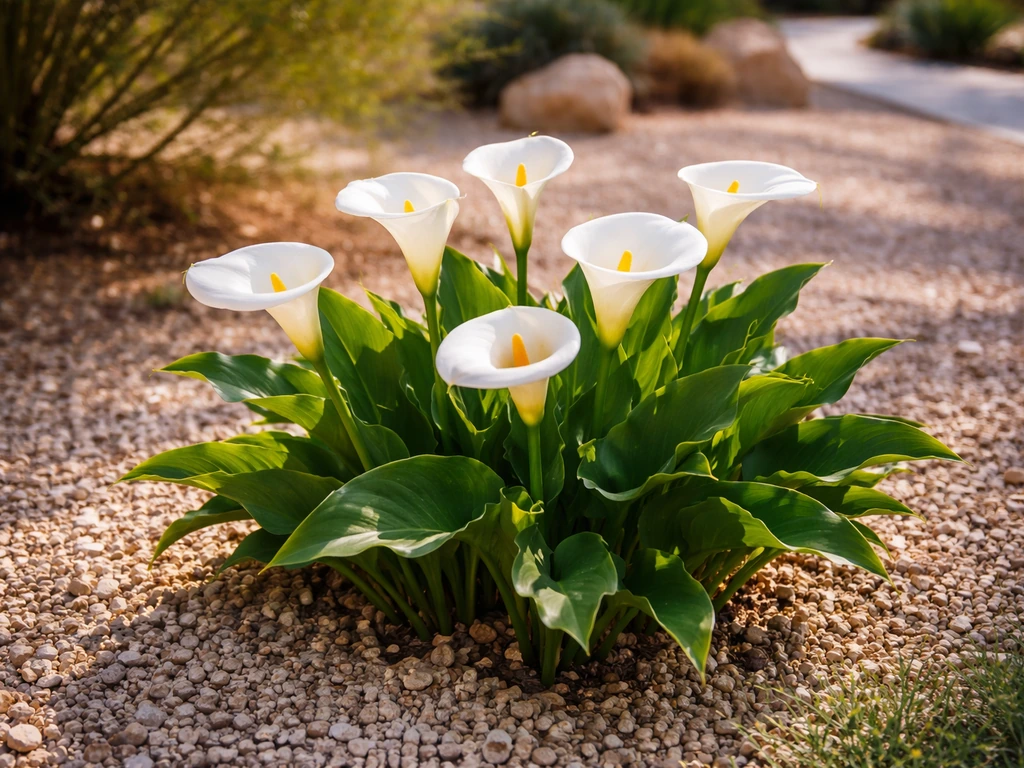
Do Calla Lilies Grow in Arizona? Care, Timing, and Tips
Yes, calla lilies grow in Arizona with timing, bright shade sun mix, fast drainage, and dormancy care to prevent rot and
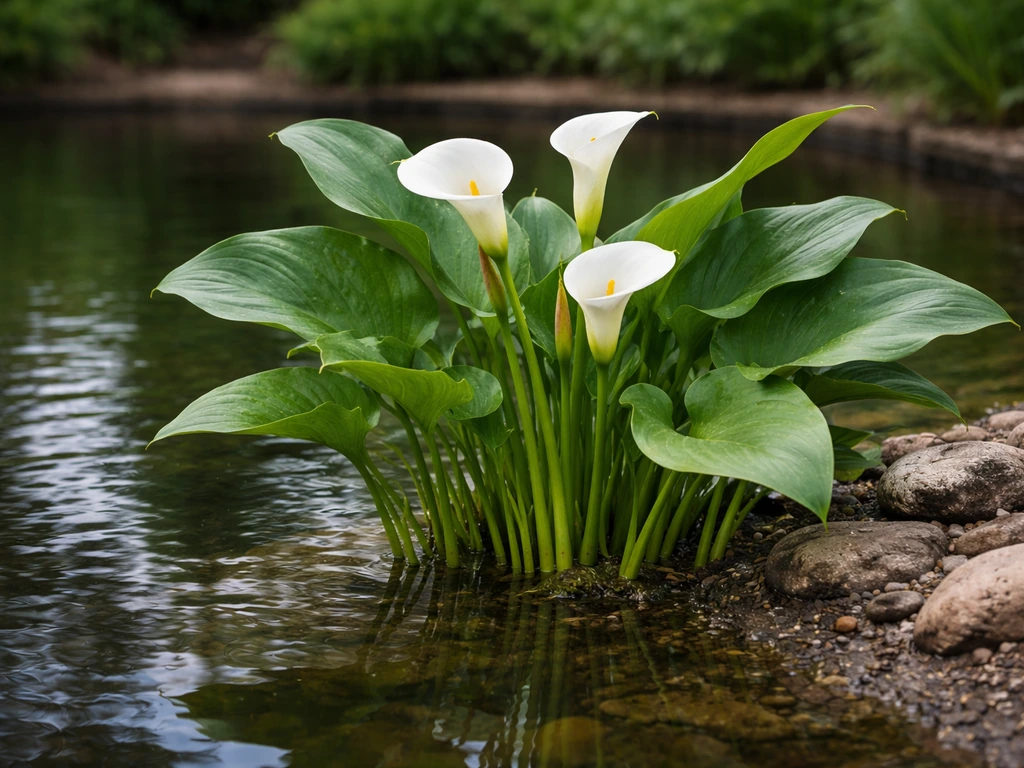
Can Calla Lilies Grow in Ponds? How to Set Up Successfully
Yes, with the right setup: water depth, substrate, anchoring, light, and overwinter care for pond or marginal calla lili
Are Calla Lilies Hard to Grow? Easy Guide for Success
Get a clear answer on are calla lilies hard to grow, plus exact light, temperature, watering, planting, and fixes.