
Yes, calla lilies absolutely grow in Arizona, and they can be stunning here. The catch is that Arizona's brutal summer heat and dry air flip the usual growing calendar on its head. In most of the country, callas are a summer flower. In the low desert (Phoenix, Tucson, Yuma), you grow them in fall through spring, protect them or move them indoors during the scorching summer, and manage dormancy differently than gardeners in cooler states do. Higher-elevation Arizona gardeners in places like Flagstaff or Prescott can work with a more conventional spring-to-fall schedule. Either way, callas can thrive here with the right setup, and this guide will walk you through exactly what that looks like.
Do Calla Lilies Grow in Arizona? Care, Timing, and Tips
Marcus Hendricks
13 May 2026
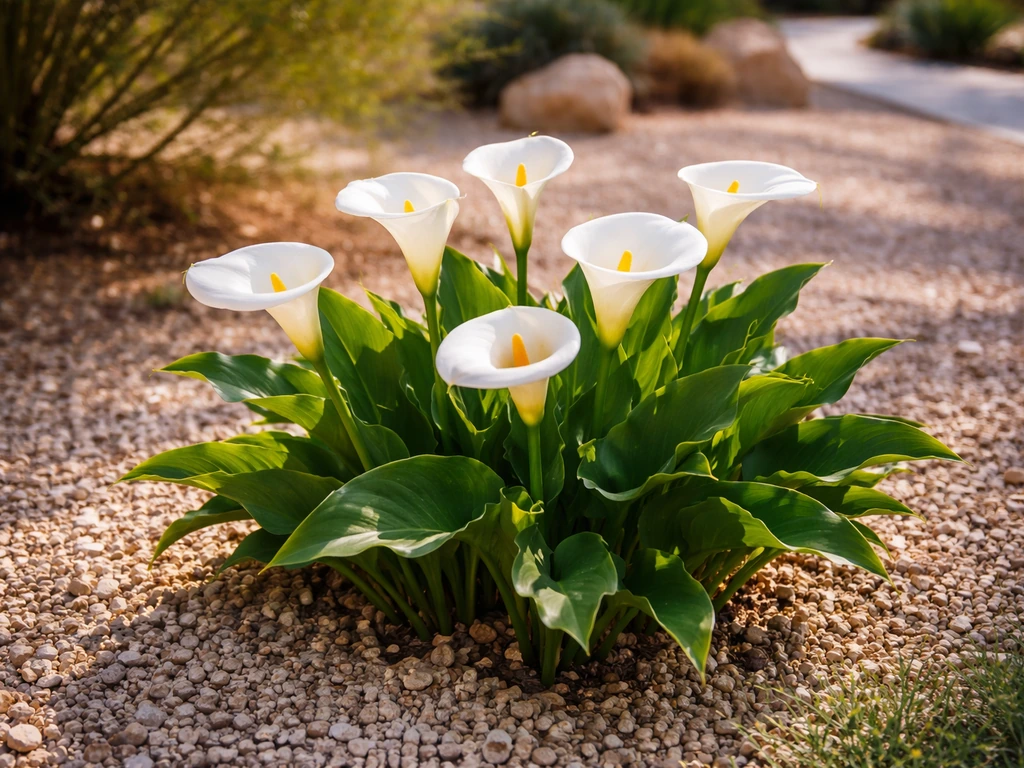
How Arizona's climate actually affects calla lilies
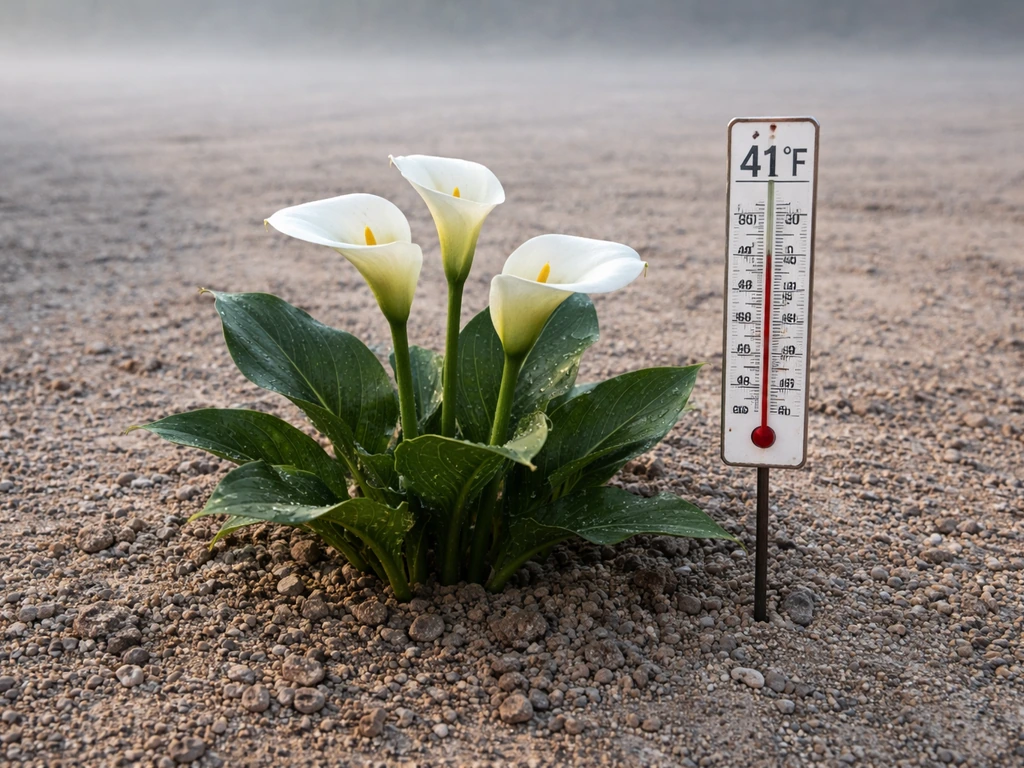
Calla lilies (Zantedeschia) are tender perennials that hate two things: hard freezes and prolonged baking heat. Arizona hands you both extremes, just in different parts of the state and at different times of year. In Phoenix, summer soil temps can push well past 100°F, which shuts callas down fast and causes rhizome rot if they're sitting in moist soil during that heat. Winters, on the other hand, are mild enough that low-desert callas rarely face a killing freeze. Tucson sits somewhere in between, with cooler summers than Phoenix but occasional winter freezes that can dip below 28°F.
The critical temperature number to keep in mind is 41°F (5°C). If you're wondering do lilies grow in Colorado, the answer depends heavily on local winter lows and whether you can protect bulbs during cold snaps. Most calla lily hybrids, particularly those derived from Zantedeschia elliottiana and Z. rehmannii, will not survive below that threshold. In Phoenix, that's rarely a concern outdoors. In Flagstaff, where winters regularly drop well below freezing, you'll either need to bring callas inside or dig and store the rhizomes from November through March. Zones 8 through 10 are the sweet spot for leaving callas in the ground year-round, and the Phoenix metro sits squarely in that range. Flagstaff is Zone 6 to 7 territory, which means callas need winter protection every year.
One more thing Arizona does differently: humidity, or the lack of it. Callas prefer consistent moisture, and the dry desert air means soil dries out faster than you'd expect. This actually works in your favor when it comes to avoiding rot during dormancy, but it means you have to be more attentive about watering during the active growing season.
Picking the right spot: indoors vs. outdoors in Arizona
In the low desert, treat calla lilies as cool-season outdoor plants from roughly October through May, then either move them indoors or let them go dormant in a shaded, dry spot during summer. If you are wondering where do calla lilies grow best in Arizona, focus on the low desert during the cool months and use afternoon shade in hotter areas cool-season outdoor plants. Outdoors in fall and spring, they want bright indirect light or a spot that gets morning sun and afternoon shade. That afternoon shade is non-negotiable in Phoenix from March onward, because direct afternoon sun in the desert will scorch the leaves and stress the plant into early dormancy.
Indoors, callas need the brightest spot you can give them, ideally a south- or west-facing window with at least four to six hours of direct light, or a sunroom. Unlike peace lilies, which actually prefer lower light, callas will stretch and refuse to bloom without enough sun. They bloom more profusely in full sun, so indoors you're often fighting a light deficit. Supplemental grow lights can help if your window situation is limited.
Higher-elevation Arizona gardeners can treat callas more like the rest of the country: plant outdoors in spring after your last frost, give them full sun to part shade (afternoon shade is still appreciated in hot July and August), and dig or protect the rhizomes before your first fall freeze. In Prescott or Flagstaff, that means rhizomes come in sometime in October.
Soil, planting timing, and watering for Arizona conditions
Soil and drainage first
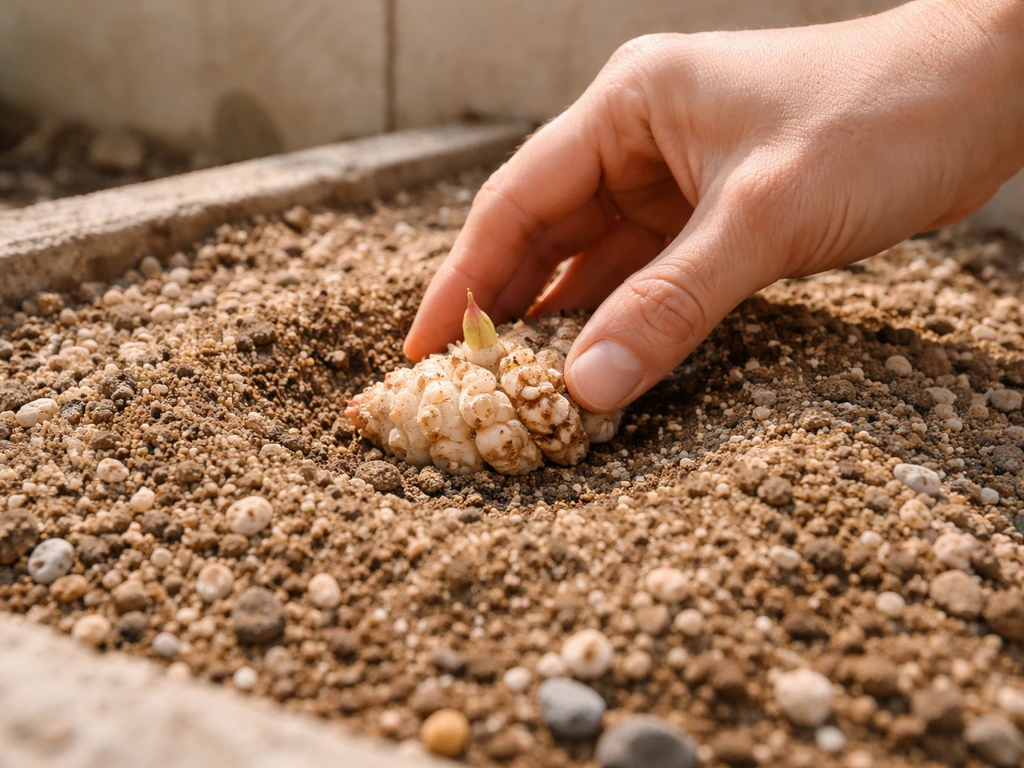
This is where most Arizona gardeners lose their callas: drainage. Arizona's native soil is often clay-heavy or caliche-laden, which holds water and suffocates rhizomes quickly. Do not plant callas directly into native desert soil without serious amendment. Mix in generous amounts of perlite and coarse sand with a quality potting mix to create something that drains fast but holds just enough moisture. In containers, use a well-draining potting mix and skip the gravel layer at the bottom. That old gravel trick doesn't actually improve drainage in the soil above it, it just takes up space.
Rhizomes go in 1 to 2 inches deep. No deeper. Burying them deeper in Arizona's dense soils invites rot, especially during any warm spell.
When to plant based on where you are in Arizona
| Arizona Region | Outdoor Planting Window | When to Protect or Move Indoors |
|---|---|---|
| Phoenix / Tucson (Zone 9-10) | September to October for fall bloom; February for spring bloom | June through September (heat dormancy) |
| Prescott / Sedona (Zone 7-8) | March to April after last frost | October (before first freeze) |
| Flagstaff (Zone 6-7) | Late April to May after last frost | September to October (before hard freeze) |
If you're starting rhizomes in containers before outdoor conditions are right, get them going indoors 6 to 8 weeks before you plan to move them outside. This gives them time to establish roots and emerge before the heat window closes.
Watering rhythm in the desert
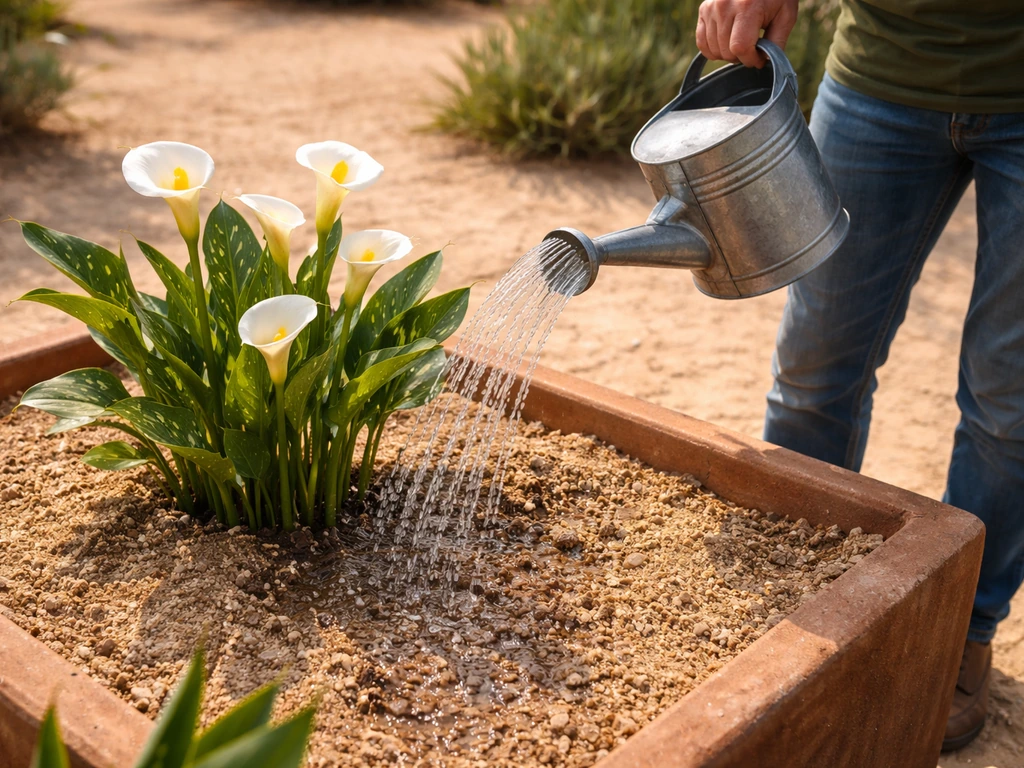
During the active growing season, water callas consistently but never let them sit in standing water. That combination of moist and waterlogged is exactly what causes rhizome rot. A simple rule for containers: when the top inch of soil feels dry, it's time to water. For in-ground plantings, check the soil 2 to 3 inches down. The desert air will dry out the top layer fast, which can be misleading. Water deeply and less frequently rather than a little every day. During dormancy, back off watering almost entirely. A dry, cool rhizome survives. A wet, warm rhizome rots.
Choosing the right calla lily varieties for Arizona
Not all calla lilies handle heat equally, and variety selection genuinely matters here. The classic white calla, Zantedeschia aethiopica, is actually the hardiest of the group and tolerates more frost than the colorful hybrids. But it also tends to go fully dormant in intense summer heat, which is fine as long as you know to expect it. The colorful hybrid cultivars (derived from Z. elliottiana and Z. rehmannii) are the ones you see in rainbow colors like yellow, orange, deep purple, and burgundy. These are showier but slightly more temperature-sensitive.
Zantedeschia 'Black Magic' is a reliable cultivar for Arizona. It's listed as winter hardy in USDA Zones 8 through 10, which covers Phoenix and most of Tucson. Other good performers in warm climates include 'Flame' (orange-red), 'Captain Rosette' (pink), and 'Crystal Blush' (white with a pink blush). Look for rhizomes or potted callas at local nurseries in the Phoenix area starting in late September and October, when the planting window opens. Online sources like White Flower Farm, Easy to Grow Bulbs, and Brent and Becky's Bulbs carry a wide range of Zantedeschia cultivars if your local nursery selection is limited.
One thing worth clarifying: calla lilies are not true lilies. True lilies belong to the genus Lilium (like Asiatic lilies or Casablanca lilies), while callas are Zantedeschia. If you meant Casablanca lilies, they are true lilies (Lilium) rather than calla lilies, so their growing conditions differ. The care requirements are quite different, so make sure you're buying Zantedeschia specifically when shopping. The label should say calla lily or Zantedeschia.
Feeding, containers vs. in-ground, and managing dormancy
Fertilizing
Feed callas after planting in spring (or in fall if you're doing a fall planting in the low desert) using a balanced fertilizer with a lower nitrogen number and higher phosphorus, like a 5-10-5 or 5-10-10. That higher middle number supports root development and blooming rather than just pushing lots of leafy green growth. Apply every four to six weeks during the active growing season, then stop entirely when the plant starts going dormant.
Containers vs. in-ground
Honestly, for most Arizona gardeners, containers are the better choice. The ability to move a potted calla out of brutal afternoon sun in April, bring it indoors during the July monsoon heat, or tuck it in a shaded garage during a Flagstaff cold snap is a massive advantage. Use a pot at least 12 inches wide with drainage holes. Terracotta works well because it breathes and helps prevent overwatering, though it dries out faster in the desert, so check soil moisture more often.
In-ground planting works in Phoenix-area Zone 9 to 10 gardens if you have excellent drainage and can commit to heavy summer shade or simply letting the plant go dormant and dry in summer. Raised beds with amended soil are a good middle-ground option.
Dormancy management
Dormancy is not failure. In Arizona, callas may go dormant twice: once in summer heat and once in winter if temperatures drop significantly. When you notice leaves yellowing and dying back, reduce watering dramatically. Do not dig the rhizomes unless you're in a freeze zone that requires storage. Just let the pot dry out, store it in a cool shaded spot (a garage works perfectly), and wait. After 8 to 12 weeks of dry dormancy, gradually reintroduce water and move the plant back to a bright spot. New growth will emerge within a few weeks. This dormancy-and-rebloom cycle is completely normal and actually healthy for the plant.
Fixing common problems: yellow leaves, rot, and pests
Yellow leaves
Yellow leaves are the number one complaint from Arizona calla growers, and the cause is almost always one of three things: normal dormancy, overwatering, or too much direct sun during hot months. If yellowing is gradual, starts with older leaves, and the plant otherwise looks fine, it's probably just entering dormancy. Ease off water and let it rest. If yellowing is sudden, the soil is wet, and leaves look mushy at the base, you're looking at rot (more on that below). If leaves are yellowing and crispy at the edges, move the plant out of afternoon sun immediately.
Rhizome rot
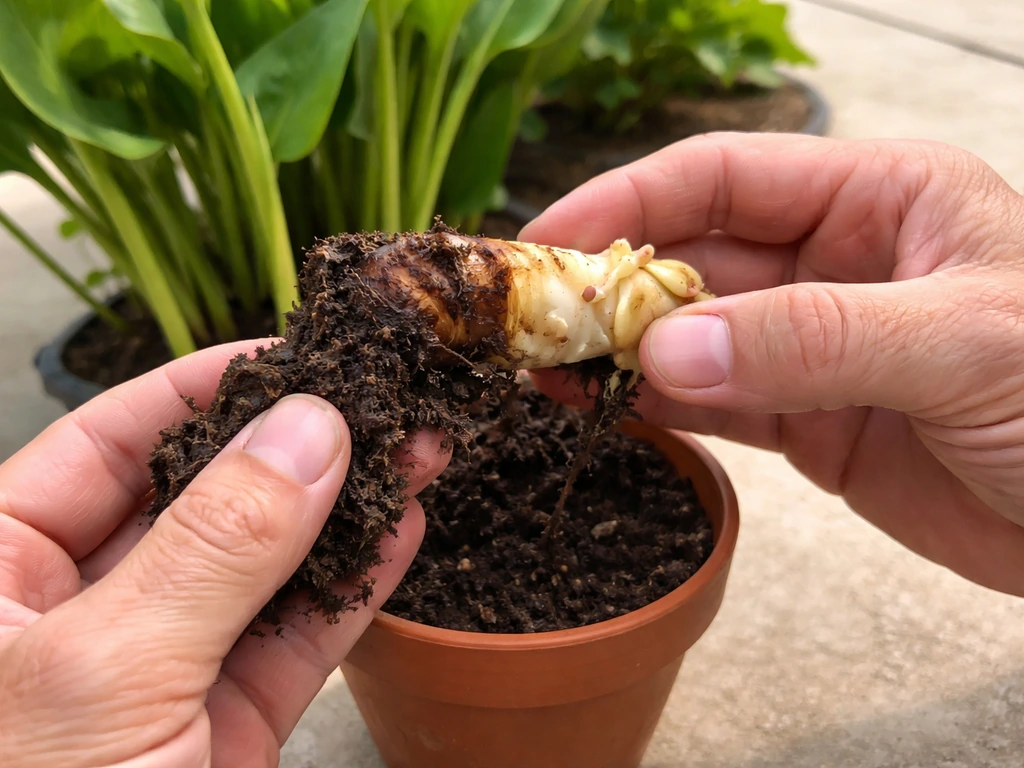
Rot is the most serious problem Arizona calla growers face, usually caused by overwatering combined with heat. Crown rot (caused by Rhizoctonia solani) and bacterial soft rot both attack at or below the soil line. If you pull the plant and the rhizome is soft, mushy, or smells bad, it's likely rotted. Cut away any soft sections with a clean knife, dust the cuts with powdered sulfur or cinnamon (a natural antifungal), let the rhizome cure in a dry, shaded spot for a day or two, then replant in fresh, dry, well-draining mix. Prevent rot entirely by never letting callas sit in wet soil during dormancy or summer heat, and always choosing pots with drainage holes.
Poor or no flowering
If your calla is growing leaves but not blooming, it usually comes down to insufficient light or a rhizome that hasn't had a proper dormancy rest. Make sure the plant gets at least 4 to 6 hours of direct sun during the growing season. If it's been actively growing for more than 6 months without a rest period, force dormancy by stopping water and letting leaves die back, then restart. A 5-10-10 fertilizer applied at the start of the growing season also helps push bloom.
Pests
Aphids are the main pest concern with callas, and they're worth taking seriously because they spread viral diseases between plants. Check the undersides of leaves regularly, especially in spring when aphid populations explode. A strong spray of water knocks them off, and insecticidal soap handles heavier infestations. Spider mites can also show up during the hot, dry Arizona summers, causing stippled, silvery leaves. Keep plants adequately watered during growing season and treat with neem oil if mites appear. If you're moving plants in and out seasonally, check thoroughly before bringing any plant indoors to avoid introducing pests.
What to do this week based on where you live in Arizona
It's mid-May right now, which means timing advice varies a lot by elevation. Here's where things stand and what action makes sense today:
- Phoenix and Tucson: Summer heat is arriving or already here. If your callas are still outdoors, move them to a shaded spot or bring pots inside. Stop watering heavily and let them start their summer dormancy. You'll replant or restart them in September or October.
- Prescott and Sedona: You're in a sweet spot right now. If you haven't planted yet, get rhizomes in the ground or into containers this week. They'll need full sun to part shade and consistent moisture through the fall.
- Flagstaff: Last frost risk should be mostly past by mid-May in typical years, but check your local forecast. If you're clear, plant now. Keep an eye on soil temps and water consistently as the plant establishes.
- All regions: If you're growing callas in containers and they're showing dormancy signs (yellowing, dying back), don't panic. Reduce water, store them somewhere cool and dry, and plan to restart them at the appropriate time for your zone.
Callas in Colorado or Michigan require very different timing and winter protection strategies than Arizona growers need. The key advantage Arizona offers is that the low desert skips the deep-freeze problem entirely, giving callas a longer effective growing window than most of the country gets. With the right variety, the right pot, and a solid understanding of the dormancy cycle, calla lilies can be one of the most rewarding plants you grow in an Arizona garden. Most people start calla lilies from rhizomes, but you can also learn how do calla lilies grow from seeds if you want to try something different.
FAQ
Can I grow calla lilies in Arizona from seed instead of rhizomes?
You can, but most Arizona gardeners have better results with rhizomes because true seed-to-bloom takes much longer and seedlings are less predictable in heat. If you do try seeds, start them indoors well before the cool-season window and expect that the plant may not bloom the first year, especially if it misses at least one proper dormancy cycle.
Is it okay to plant calla lilies in summer in Arizona?
No, you should not. Calla lilies should be planted in the cool-season window for your area, and in most of Arizona that means fall through spring in the low desert, or spring-to-fall at higher elevations. Putting rhizomes in during summer heat is one of the fastest ways to trigger rot.
If my calla lily is in a pot, do I still need to let it go dormant in Arizona?
Typically no, unless you create a very consistent environment. In Arizona, the problem is not just cold, it is warm wet conditions during dormancy. If you keep them too warm and too wet, they may rot instead of resting, so most people either let outdoor pots dry down in shade or move indoor plants to a cooler, drier spot.
Do terracotta pots change how often I should water calla lilies in Arizona?
Terracotta is great, but plan on checking moisture more often. Because terracotta breathes and dries quickly in desert air, you can get a misleading “dry top inch” in fast-drying pots, even when deeper soil is still damp. Use the top-inch rule for containers, but also feel 2 to 3 inches down occasionally to avoid swings.
How can I intentionally force dormancy without causing rot?
Yes. If you want to stop spring growth without triggering rot risk, reduce watering gradually and let the plant start yellowing, then let the pot dry down more completely once the leaves die back. Sudden changes right after watering can leave the crown wet, and the crown is where rot often starts.
What should I do if my calla lily rhizome rots, can I save the plant and replant it?
Replace the planting medium for rot-prone situations. If you suspect rot, do not replant the same rhizome into the original mix, because pathogens can persist. Use fresh, dry, well-draining potting mix, cure the cleaned rhizome, then replant at the correct shallow depth.
How do I fertilize calla lilies in Arizona to encourage blooms rather than just more leaves?
Fertilizer frequency matters, because too much nitrogen can lead to leafy growth and fewer blooms, plus extra soft tissue that is more susceptible to issues. Use a lower-nitrogen, higher-phosphorus feed during active growth, then stop completely when the plant starts going dormant.
What’s the biggest drainage mistake Arizona gardeners make with in-ground callas?
If it is constantly wet, that is a warning sign. In-ground, do not rely on surface drainage, because calla rhizomes sit deeper and can stay waterlogged after irrigation or monsoon storms. Use raised beds or amended, fast-draining soil if your yard holds water after rain.
My calla grows leaves but never blooms in Arizona, what should I check first?
If your plant keeps forming leaves but refuses to flower, check two things first: light and dormancy quality. Callas need strong light during the growing season, and they generally need a true rest period where watering is reduced so the rhizome can reset.
My calla lilies yellow in Arizona, does that mean I’m doing something wrong?
Let it yellow and die back, do not keep watering “to revive it.” Arizona dormancy can happen more than once, especially after intense summer heat. Gradually reduce watering as leaves yellow, and once fully dormant, keep the rhizome dry in a cool shaded spot for the proper rest period.
Next Articles
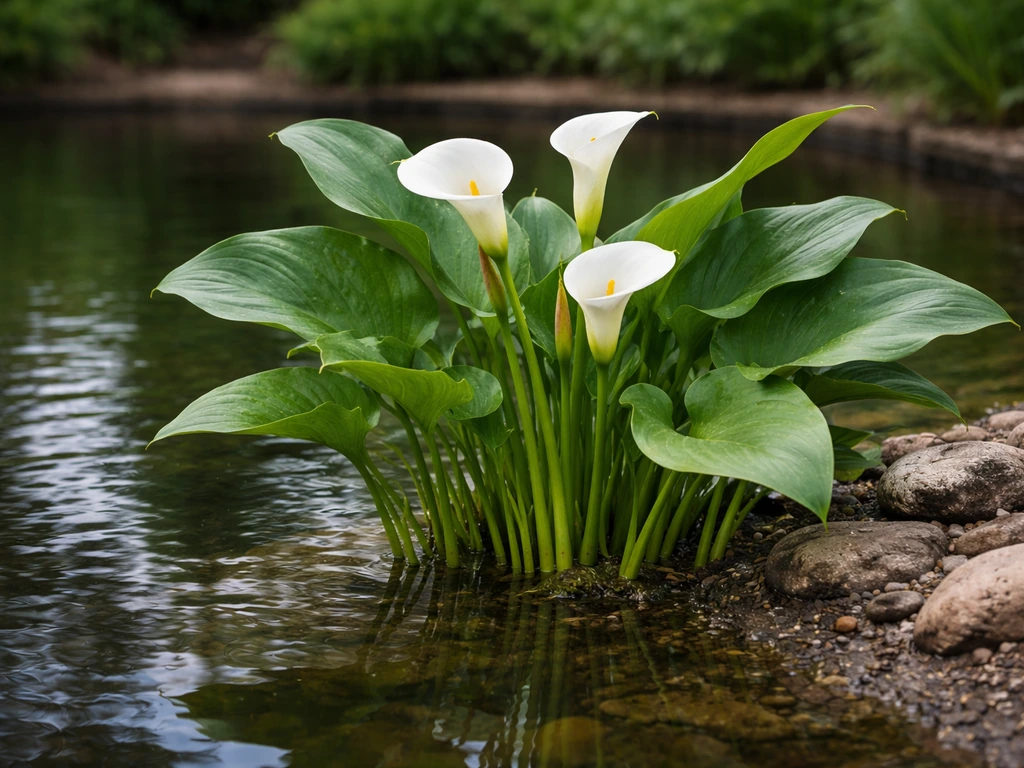
Can Calla Lilies Grow in Ponds? How to Set Up Successfully
Yes, with the right setup: water depth, substrate, anchoring, light, and overwinter care for pond or marginal calla lili
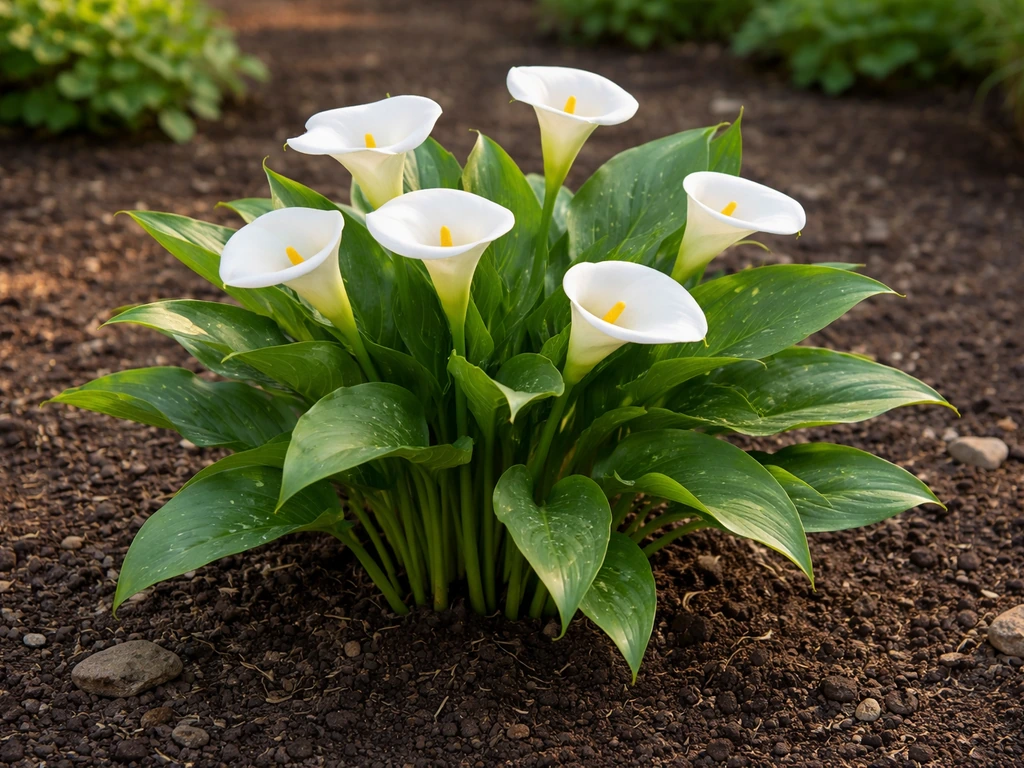
Are Calla Lilies Hard to Grow? Easy Guide for Success
Get a clear answer on are calla lilies hard to grow, plus exact light, temperature, watering, planting, and fixes.
Can Calla Lily Grow Outside? Outdoor Care by Climate
Yes, calla lilies can grow outside. Learn climate, light, soil drainage, planting timing, and fixes for no growth.