
Casablanca lilies can be grown successfully across USDA Hardiness Zones 3 through 9, which covers most of the continental United States, large parts of Canada, the UK, Europe, and temperate regions of Australia and New Zealand. They're Oriental hybrid lilies, not a wild species with a single native home, so there's no rainforest or meadow they're "from" in the traditional sense. What that means for you as a gardener is this: the right question isn't where they come from naturally, it's whether your climate, soil, and light setup match what they need to thrive.
Where Do Casablanca Lilies Grow and How to Plant Them
Marcus Hendricks
16 May 2026
What exactly is a Casablanca lily?
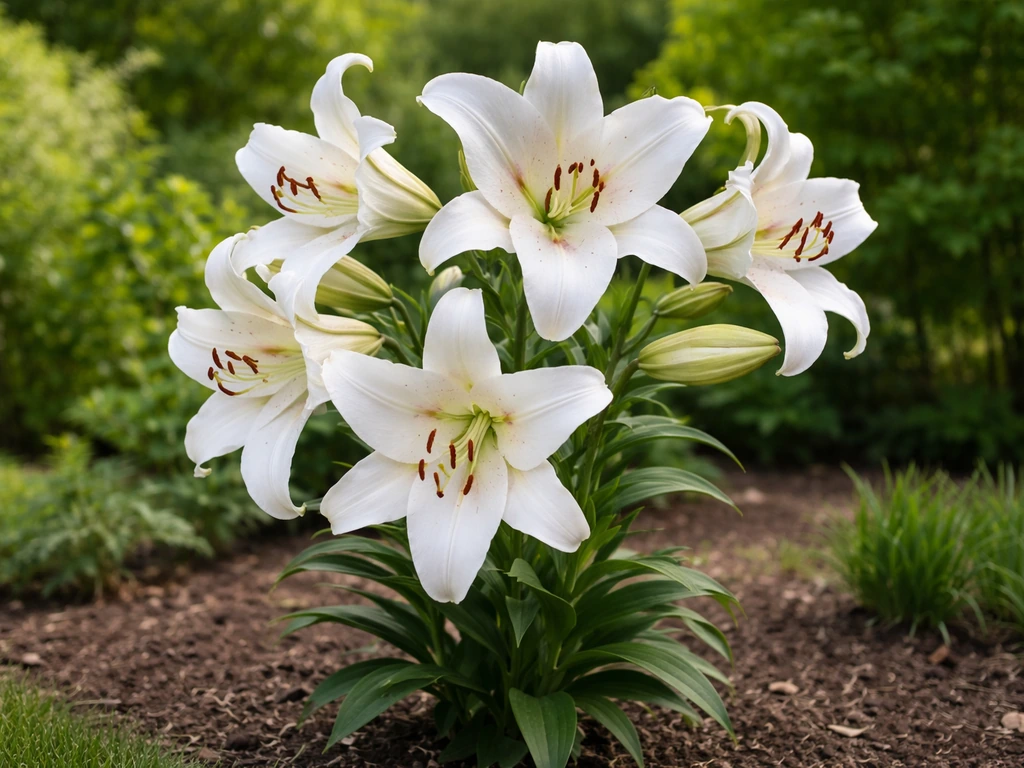
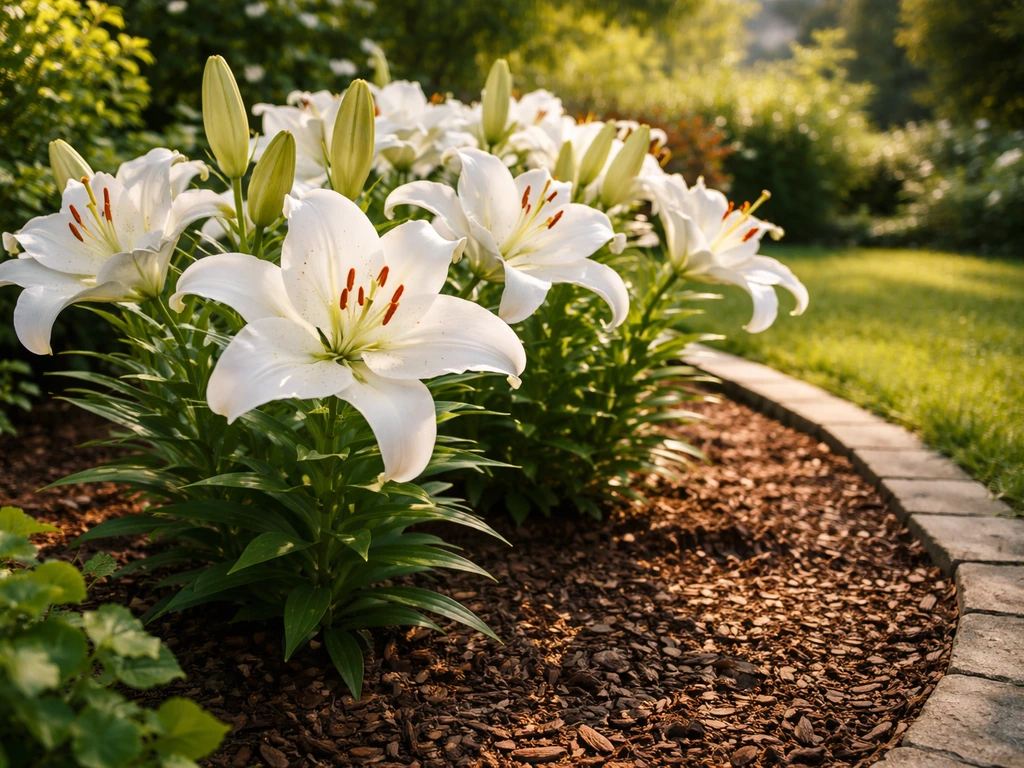
Lilium 'Casablanca' is an Oriental hybrid lily, meaning it was developed through selective breeding rather than collected from the wild. Oriental hybrids as a group trace their ancestry to lily species native to Japan and the Korean peninsula, particularly mountainous regions with cool summers, well-drained rocky soils, and high humidity. Those ancestral conditions explain a lot about what Casablanca lilies want in your garden today. The plant grows 36 to 48 inches tall, produces enormous pure-white blooms up to 10 inches across, and flowers from roughly June through September depending on your location. The fragrance is intense and distinctive. It's one of the most popular cut flowers in the world, which also means it's been extensively studied and grown commercially, so there's a lot of reliable production data behind the cultural advice you'll find for it.
Native roots vs. where it actually grows today
The parent species behind Oriental hybrids like Casablanca are native to Japan, with some lineage from species across East Asia. In the wild, these ancestors grow on mountain slopes with excellent natural drainage, cool night temperatures, and warm (but not scorching) days. They're not tropical plants, and they're not desert plants. That middle ground is exactly where Casablanca lilies perform best today.
In cultivation, Casablanca lilies are grown commercially and in home gardens across a huge geographic range: the Netherlands (one of the world's biggest cut-flower producers), the Pacific Northwest of the United States, coastal California, the UK, New Zealand, parts of Australia, Japan, and across temperate Europe. Where they grow best depends less on origin and more on matching conditions like cool to moderate summers, reasonable humidity, and well-drained soil. Home gardeners grow them successfully from Minnesota to Georgia, from the English Midlands to the South Island of New Zealand. If you’re wondering whether do calla lilies grow in Michigan, the key is matching your planting conditions to the plant’s needs and protecting it through cold snaps Home gardeners grow them successfully from Minnesota to Georgia. The common thread isn't geography, it's conditions: cool to moderate summers, reasonable humidity, and well-drained soil.
Climate zones and temperatures that work
The USDA hardiness rating of Zones 3 through 9 is the official range you'll see from most bulb retailers. Zone 3 means it can survive winters as cold as -40°F (-40°C) with the bulbs in the ground, while Zone 9 covers areas with mild winters (around 20°F/-7°C minimum) but often intense summer heat. The cold end isn't usually the problem; Casablanca bulbs are impressively tough once they're dormant underground. The trickier end is the hot side.
Oriental hybrids genuinely struggle in sustained summer heat above 90°F (32°C), especially when nights stay warm too. If you're gardening in Zone 9 areas like inland California, Phoenix, or the deep South, you're at the edge of what these lilies will tolerate without extra help. That matters if you're wondering do calla lilies grow in Arizona, because both lilies and calla lilies need the right heat and moisture balance to stay healthy Zone 9 areas like Phoenix. Hot, humid summers (think the Gulf Coast or Florida) also create real disease pressure. That said, Zone 9 gardeners can still succeed by planting in spots that get afternoon shade and by focusing on excellent drainage and airflow. Conversely, if you're in Zones 3 through 7 with cool or mild summers, Casablanca lilies are genuinely one of the easier statement plants you can grow.
| USDA Zone | Winter Low | Summer Profile | Casablanca Outlook |
|---|---|---|---|
| 3–4 | -40°F to -20°F | Short, cool summers | Excellent; mulch bulbs well for winter |
| 5–6 | -20°F to 0°F | Warm days, cool nights | Ideal range; very reliable |
| 7–8 | 0°F to 20°F | Warm to hot summers | Good with afternoon shade in Zone 8 |
| 9 | 20°F to 30°F | Hot summers, mild winters | Possible with shade and drainage care; more effort required |
Light requirements and seasonal timing
Casablanca lilies need full sun to partial shade, and the practical translation is at least 6 hours of direct sunlight per day. In cooler climates (Zones 3 through 6), more sun is generally better, and a south or west-facing bed will produce the strongest stems and the most blooms. In hotter zones, you want morning sun and afternoon shade, so an east-facing spot, or a bed that gets filtered light from nearby trees in the afternoon, is actually a better choice than full blazing exposure all day.
Seasonally, Casablanca lilies are a summer bloomer: expect flowers from mid-summer through early fall, typically June through September. The bulbs need a cold dormancy period in winter to reset and bloom again the following year. This is why gardeners in very mild winter climates (Zone 10 and above) often have to lift and refrigerate bulbs to simulate the cold they need, or treat them as annuals. For most gardeners in Zones 3 through 8, natural winters do that work for you.
Soil, drainage, and where to actually plant them
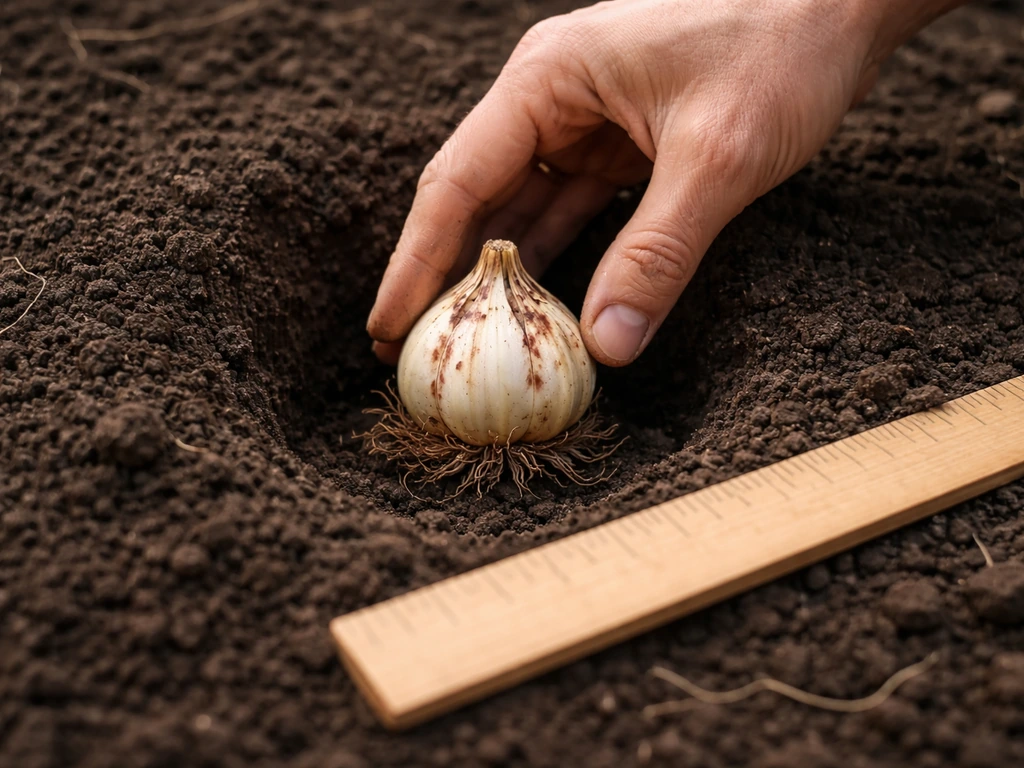
This is where most gardeners run into trouble. Casablanca lilies will rot in soggy soil, full stop. The ancestral Japanese mountain habitat meant sharp drainage, and the bulbs have not abandoned that need just because they're a cultivated hybrid. You need soil that holds some moisture but drains freely. A slightly acidic pH of 6.0 to 6.5 is ideal. Heavy clay soils, low spots that pool after rain, or any area where water stands for more than a few hours after a storm are bad locations for these bulbs.
Planting depth varies slightly by source, but the consensus is 6 to 10 inches deep, with most retailers recommending around 8 inches for home gardens. Deeper planting in the 8 to 10 inch range gives the bulbs better temperature stability and anchors the tall stems. If your native soil is clay-heavy or compacted, mix in coarse sand or perlite for drainage, and work in compost or peat moss (or coconut coir as a more sustainable alternative) to improve structure. Raised beds are genuinely one of the best solutions for difficult soil; they give you direct control over drainage and pH from the start.
Outdoor in-ground planting
Choose a site that drains well after rain and gets adequate sun. Mixed borders work great because neighboring perennials can shade the lower stems and root zone while the lily tops reach for light, which actually mimics their natural hillside habitat. Avoid areas near downspouts, in rain garden zones, or at the bottom of slopes where water collects.
Container growing
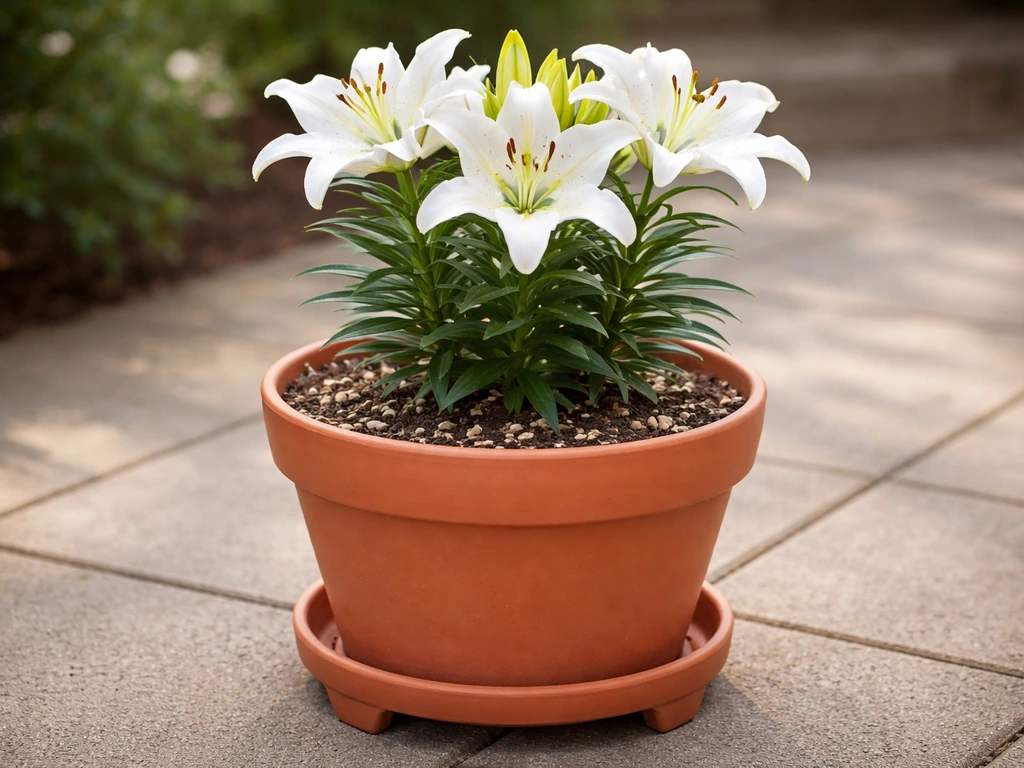
Containers are a legitimate and often excellent option, especially if your garden soil is problematic, or if you're in a marginal climate zone and want to move plants to a protected spot for winter. Use a deep pot (at least 12 to 15 inches deep) with drainage holes, and fill it with a light, well-draining potting mix rather than garden soil. You can plant one to three bulbs per large container depending on pot size. Container-grown Casablancas will need more frequent watering than in-ground plants because pots dry out faster, but they also give you drainage control and flexibility.
Forcing bulbs indoors
You can also force Casablanca bulbs indoors for winter or early-spring blooms. This is more of an advanced technique and requires providing the right cold period first, then moving bulbs to a warm, bright indoor space. It's commonly done in commercial cut-flower production and works at home with some patience.
Water needs, humidity, and airflow
Casablanca lilies want consistent moisture during the growing season, but the key phrase is "consistent," not "constant." You're aiming for soil that stays evenly moist, not wet. A good rule of thumb is to water deeply when the top inch or two of soil feels dry, and then let the excess drain away completely. Soggy roots sitting in waterlogged soil are the fastest path to rot and lost bulbs.
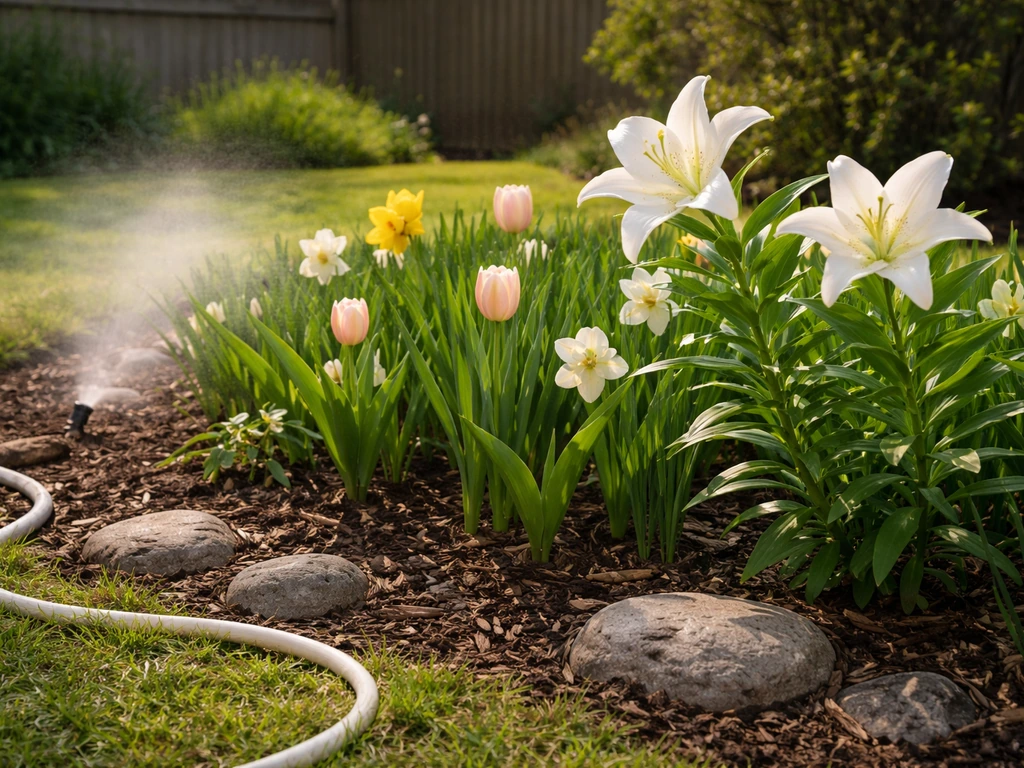
How you water matters almost as much as how much. Always water at the base of the plant, at soil level, not overhead. Wet foliage and blooms invite Botrytis blight, a fungal disease that thrives in cool, damp conditions and causes grayish mold and brown lesions on petals and leaves. It's a real problem for Oriental lilies, especially in humid climates or when plants are crowded together. University extension research consistently recommends drip irrigation or careful hand watering at the base as the most effective cultural prevention. Good air circulation around your plants also matters: don't plant Casablancas in tight, airless spots or press them against walls where air doesn't move freely.
In terms of humidity, Casablancas are somewhat flexible, but they prefer moderate to slightly higher humidity. Very arid climates (like the low desert Southwest) can stress the plants, while very high humidity combined with poor airflow is a disease risk. The sweet spot is somewhere in between, which is another reason the Pacific Northwest and the UK produce such excellent Oriental lilies.
How to check if your specific location works
Start by confirming your USDA Hardiness Zone (or equivalent if you're outside the US, such as the RHS hardiness rating in the UK). If you’re wondering do lilies grow in Colorado, check your USDA hardiness zone first and then match planting depth, sun, and drainage to what Casablanca lilies need Zone 3 through 9. If you're in Zones 3 through 8, you're very likely in good shape for in-ground growing with minimal special accommodations. Zone 9 gardeners should focus on finding a microclimate: a spot with afternoon shade, excellent drainage, and good airflow can make the difference.
Microclimates matter a lot. A coastal garden in Zone 9 with cool summer fog is going to grow Casablancas far more easily than an inland Zone 9 garden baking at 95°F every afternoon. Similarly, an urban garden in Zone 7 might have a heat-island effect that makes it behave more like Zone 8. Pay attention to your actual summer temperatures, not just your zone, and think about what afternoons look like in July and August.
- Look up your USDA zone at the USDA Plant Hardiness Zone Map and cross-reference with the 3–9 range for Casablanca
- Check your average July high temperature: below 85°F is ideal, 85–95°F is manageable with afternoon shade, above 95°F sustained is challenging
- Assess your soil drainage: does water stand after heavy rain? If yes, plan for raised beds or containers
- Identify your sunniest spots with 6+ hours of light and note whether afternoon shade is available if needed
- Consider airflow: avoid planting in enclosed corners where humidity builds
Where to buy and when to plant by region
Casablanca lily bulbs are widely available from online bulb retailers including Breck's, Gurney's, The Flower Bulb Farm, TulipWorld, and Wildwood Outdoor Living, as well as many local nurseries and garden centers. Availability is typically strong in late winter through spring for spring planting, and some retailers also offer fall bulbs for Zones with mild enough winters. TulipWorld specifies Casablanca blooms for mid-summer and notes shipping for these fall-planted bulbs begins mid-to-late October depending on hardiness zone fall bulbs for Zones with mild enough winters. Retailers like Breck's and Wildwood ship based on your planting zone, calibrating delivery so bulbs arrive at the right time for your region, so you don't need to worry too much about figuring out the exact timing yourself when ordering online.
In general, plant bulbs in spring after the risk of hard frost has passed in Zones 3 through 6. In Zones 7 through 9, some gardeners plant in fall, letting bulbs establish over the cooler months. The 6 to 10 inch planting depth gives the bulbs insulation from both temperature extremes, so don't skimp on depth even if your soil makes it a bit of extra work.
If you're in a marginal zone or an area where in-ground growing feels risky, containers are a great starting point. You get reliable drainage, easier temperature management, and the flexibility to move plants if a heat wave rolls in. It's how I'd approach a first attempt in a Zone 9 inland garden or anywhere with heavy clay soil. Get one season under your belt in a container before committing to a large in-ground planting, and you'll have a much better sense of how the plant performs in your specific microclimate. Compared to something like calla lilies, which have their own distinct soil and moisture requirements, or the particular regional challenges gardeners face growing lilies in cold or arid states, Casablancas are genuinely one of the more adaptable large-flowered lilies you can grow, as long as drainage is sorted.
FAQ
Where do Casablanca lilies grow best if I’m near the warm edge of their range? (Zone 9 or similar climates)
You can, but only if you can recreate the needed conditions. In-ground growing is most reliable when summers stay within “cool to moderate” and the planting site drains quickly. If your location is in Zone 9 with consistently hot nights (and especially if nights stay above about 70°F/21°C), plan on afternoon shade plus top-tier drainage, or use a container you can move to a cooler, more ventilated spot.
Do Casablanca lilies still grow in very mild winter climates without special steps?
Avoid it. Casablanca lilies rot from waterlogged soil, not from “lack of winter cold.” If your winters are mild enough that bulbs do not go properly dormant, you may need to lift bulbs and refrigerate them to simulate a cold period, or treat them as annuals. Check local winter lows and whether you actually experience a consistent cool season.
How can I tell if my yard’s drainage is good enough for Casablanca lilies?
If your soil stays wet or soggy after rain, the answer is effectively no. Focus on drainage first. A practical test is to dig a hole about 12 inches deep, fill it with water, and see how long it takes to drain: if it’s still standing after several hours (or the area remains damp for days), choose a raised bed or container instead.
Should I plant Casablanca lilies in full sun or partial shade in hot summers?
Morning sun with afternoon shade is usually safer when summers are hot. Aim for several hours of direct light, then protect from the hottest afternoon rays. In very sunny, dry areas, an east-facing spot often reduces heat stress and helps foliage stay drier, which also lowers disease risk.
Can I grow Casablanca lilies indoors permanently?
Not directly. Oriental hybrids like Casablanca typically need full season growth outdoors because the bulb must build and store energy. Indoors “forcing” can work, but you still need the right cold/dormancy treatment first, and blooms are usually best for short-term display rather than long-term indoor cultivation year after year.
How deep should I plant Casablanca lily bulbs, and does depth change in clay soils?
They’re often planted 6 to 10 inches deep, with many gardeners succeeding around 8 inches. In cold areas, deeper planting can help stabilize temperatures, but in heavy clay, deeper holes can also hold too much moisture. If your soil is clay-heavy, consider raised beds or mix in drainage amendments rather than going deeper just to “be safe.”
Will planting timing (spring versus fall) change when Casablanca lilies bloom?
Yes, they can flower sooner the following summer if you plant at the correct time and give them enough growing season to establish. In Zones 7 to 9 where fall planting is sometimes used, bulbs often establish over winter and bloom earlier, but only if drainage is reliable and you avoid planting too late into warm weather that triggers weak growth.
What’s the most common watering mistake with Casablanca lilies?
Overhead watering increases the chance of fungal issues because it wets foliage and flowers. Water at soil level, ideally with drip irrigation or careful hand watering. If you do get a lot of rain, don’t “make up” extra watering, and make sure air can circulate by not crowding plants.
How far apart should I space Casablanca lilies, and do they need staking?
It can, and it’s a big one. Casablanca lilies are tall and the stems can get top-heavy, especially with large blooms. Plan spacing so air moves between plants, and if your area is windy, consider staking early before stems bend, since late staking can damage growth.
If my Casablanca lilies keep failing, what should I check first: soil, sun, or fertilizer?
In-ground bulbs generally work for Zones 3 to 8 with minimal fuss, but Zone 9 inland gardens often benefit from microclimate choices or containers. If you repeatedly lose bulbs, your best troubleshooting path is to check drainage and summer night heat first, not fertilizer. Switch to a raised bed or container before increasing feed.
Next Articles
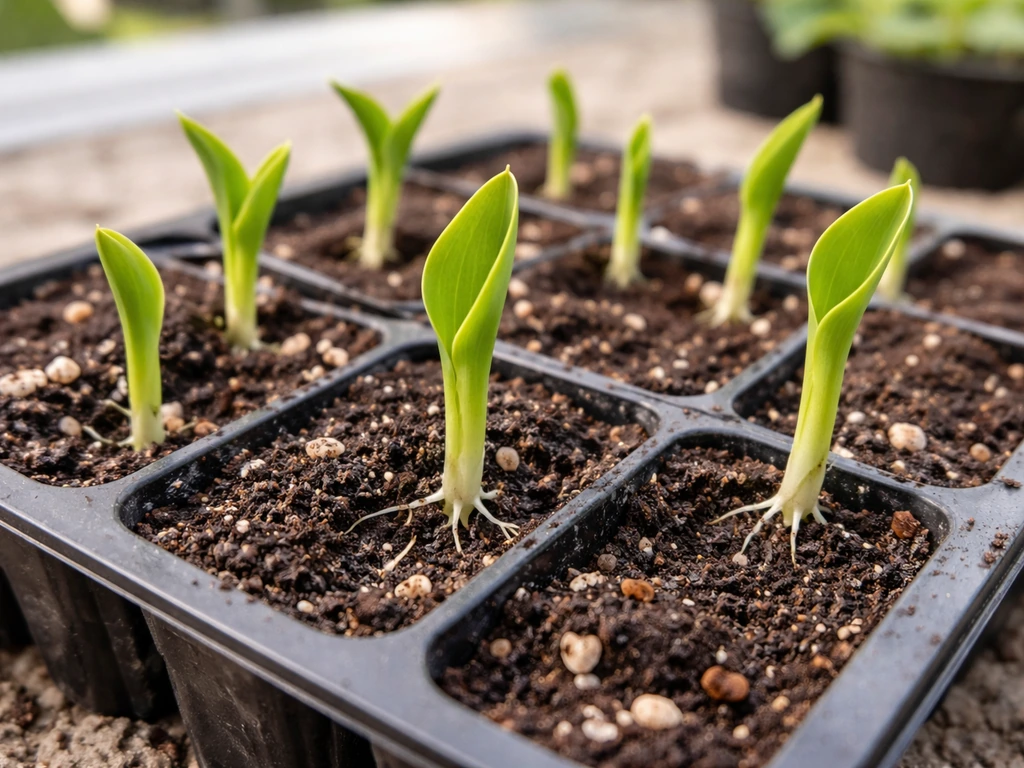
Do Calla Lilies Grow From Seeds? How to Start Them
Learn if calla lilies grow from seeds and get step-by-step sowing, germination, potting, and troubleshooting tips.
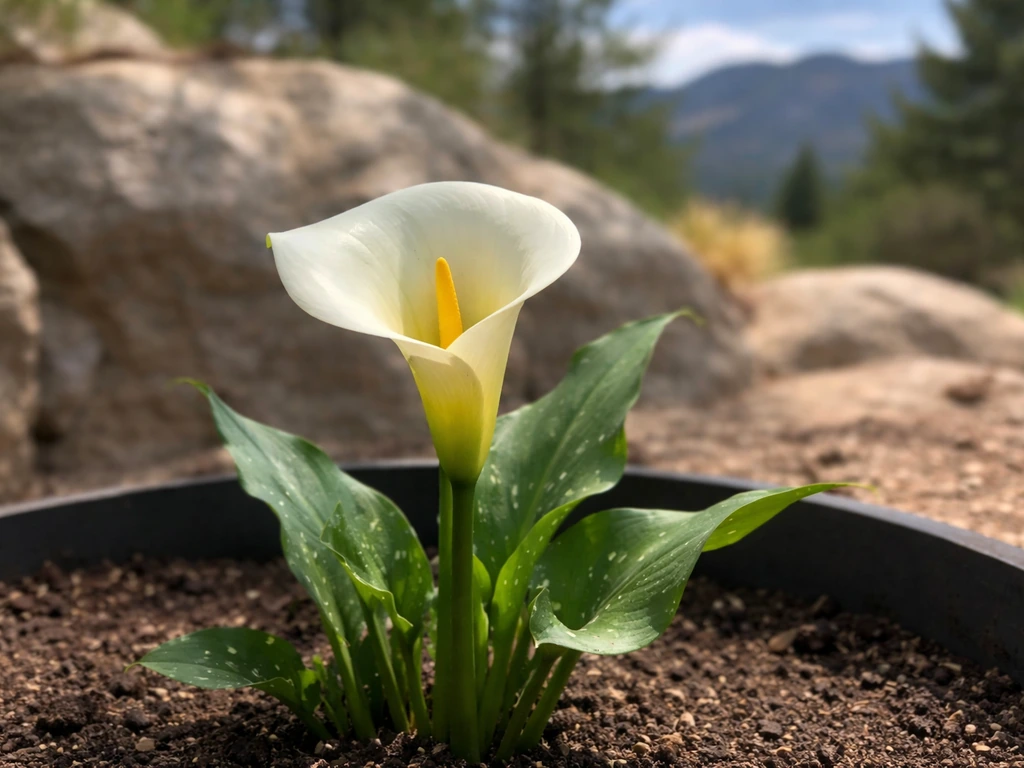
Will Calla Lilies Grow in Colorado? Planting and Care
Learn if calla lilies grow in Colorado, plus planting schedule, sun and watering tips, and overwintering and troubleshoo
Do Calla Lilies Grow in Arizona? Care, Timing, and Tips
Yes, calla lilies grow in Arizona with timing, bright shade sun mix, fast drainage, and dormancy care to prevent rot and