
Yes, calla lilies (Zantedeschia) can grow from seeds, and a beginner can absolutely do it at home. The catch is that it takes patience: seed-grown callas typically won't flower for two to three years, and the plants you get may not look exactly like the parent. If you just want more callas fast, dividing rhizomes is the smarter route. But if you want to try something genuinely rewarding, or you're working with species callas and can't find rhizomes, starting from seed is a real option with a clear process to follow.
Do Calla Lilies Grow From Seeds? How to Start Them
Marcus Hendricks
16 May 2026
How calla lily seeds are produced and what to expect
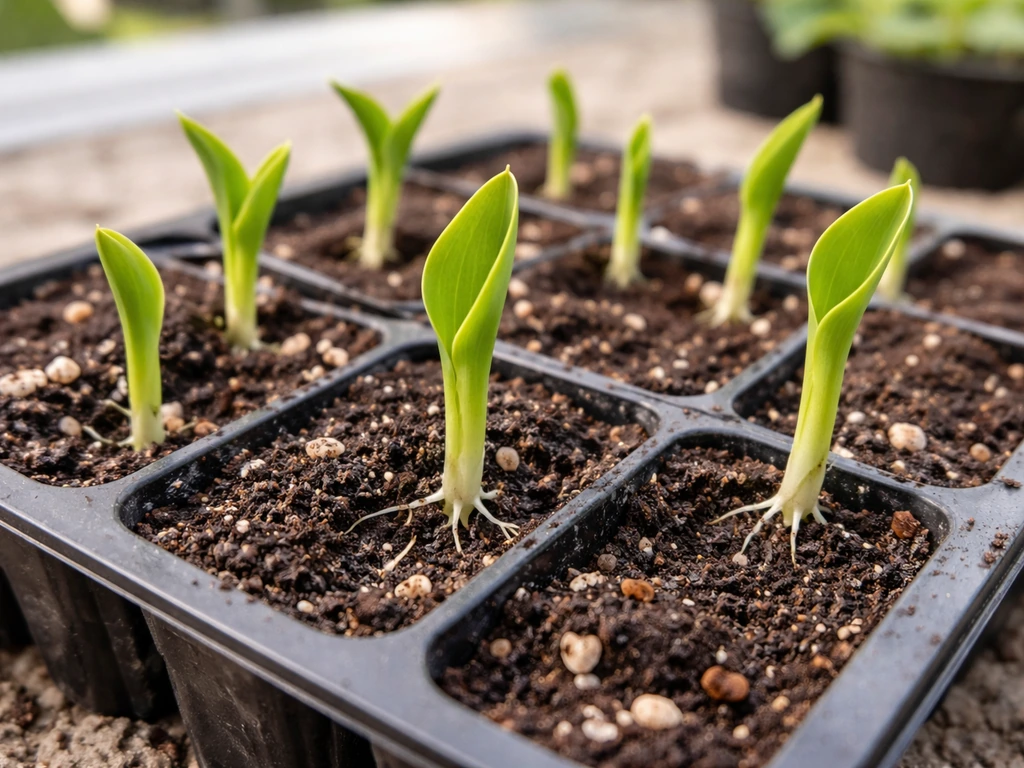
Calla lilies produce seeds inside a fleshy berry-like fruit that forms after the flower is pollinated. Each berry can hold several seeds, and on a healthy plant the fruits take months to fully mature and drop. That timing matters a lot: if you harvest seed pods too early, the seeds won't be viable. You want to wait until the fruits are soft, slightly yellowed, and starting to pull away from the spadix on their own before collecting them.
Here's the part most beginners don't expect: seeds grown from calla lilies show huge variance in traits like flower color, size, and plant habit. This is especially true with the hybrid colored varieties. What you sow might produce something different from the parent plant entirely. That's not a defect, it's just how seed propagation works for these plants. If you bought a specific named variety or a particular color, propagating it by dividing the rhizome is the only way to get an identical clone. Seeds are better suited for species callas or when you're genuinely open to a surprise.
Seed-starting basics: timing, tools, and light and temperature
The best time to start calla lily seeds indoors is late winter to early spring, roughly January through March in most of the Northern Hemisphere. This gives seedlings time to establish before warm weather arrives and, if you're in a mild climate, before you'd want to move them outside. If you're gardening in a challenging climate, like Colorado or Michigan where frost lingers well into spring, starting indoors in February gives you a real buffer before any outdoor transplanting becomes safe. So if you want to grow lilies in Colorado, remember that calla lilies can tolerate cool conditions better with the right timing and indoor seed-starting.
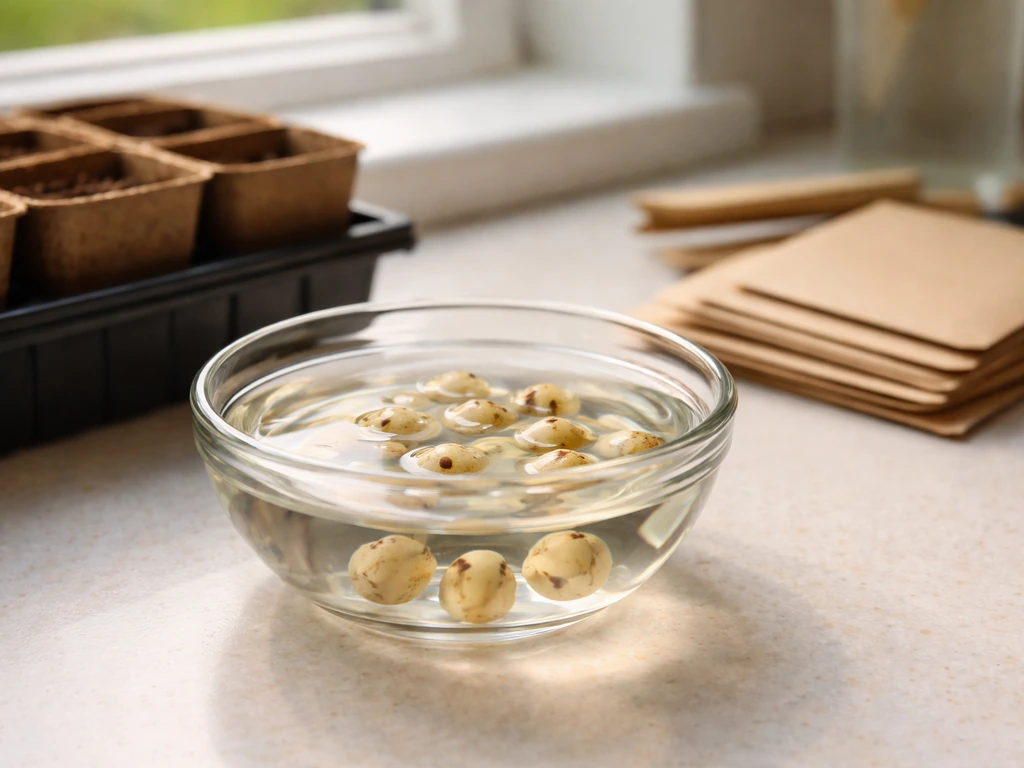
Before you sow, soak the seeds in room-temperature water for 24 hours. This softens the seed coat and can improve germination rates. After soaking, you're ready to sow.
For containers, use small 3- to 4-inch pots or seed trays with drainage holes. Fill them with a fine-textured seed-starting mix, not regular potting soil and definitely not garden soil. Sow seeds at or very near the surface, just barely pressing them in or covering with the thinnest layer of mix possible. Some sources recommend surface sowing because light can help trigger germination. Keep the temperature between 15 and 22°C (59 to 72°F). A spot near a heat mat set to around 20°C works well. Germination typically takes 1 to 3 months, so don't give up after a few weeks.
Once seedlings emerge, light becomes critical. Move them somewhere bright: a south- or east-facing windowsill with several hours of morning sun, or under a grow light running 14 to 16 hours a day. Callas in professional cultivation are grown at high light intensities, above 2,500 footcandles, which is much brighter than most window spots. If your seedlings look pale and stretched out (leggy), they need more light, not more fertilizer.
Soil and watering for seedlings and early growth
The single most common way to kill calla lily seedlings is overwatering. Young seedlings are extremely vulnerable to damping off, a group of fungal and water mold diseases (mainly Pythium and Phytophthora) that rot the stem right at soil level, often overnight. The best defense is a sterile seed-starting mix, clean containers, and careful watering habits.
After sowing, keep the mix lightly moist but not soggy. Bottom watering works well here: set the pot in a shallow tray of water for 20 to 30 minutes, let it absorb from below, then remove the tray and let the surface dry slightly before watering again. Avoid misting from above constantly, as that keeps the surface wet and invites fungal problems. A loose plastic cover or humidity dome over the tray can help maintain moisture during germination, but remove it as soon as seedlings appear to prevent the trapped humidity from causing rot.
Once seedlings have a few true leaves, you can start feeding lightly with a diluted balanced liquid fertilizer (quarter to half strength) every two to three weeks. Don't rush it. Seedlings at this stage are small and fragile, and overfeeding can burn roots.
Transplanting to pots vs outdoor beds and when to move them
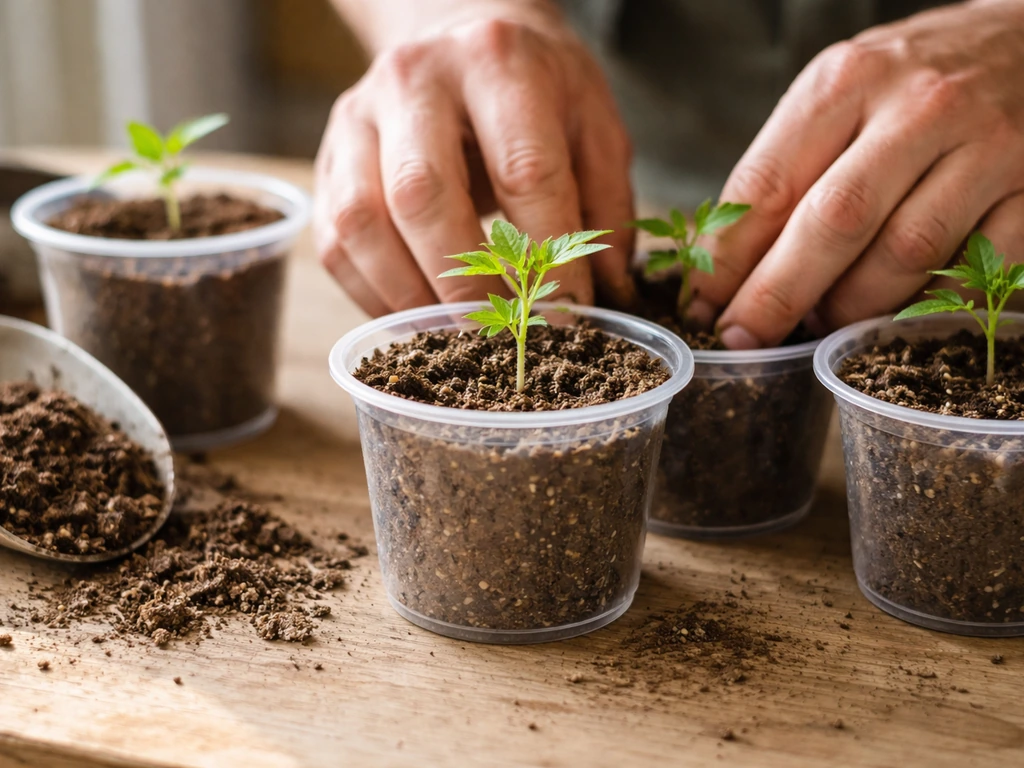
Once seedlings have two or three true leaves and fill their starter cell, it's time to pot up. Move them into individual 4- to 6-inch pots with a well-draining potting mix. Callas like moisture but they need drainage: a mix of regular potting soil with added perlite works well. At this stage, treat them like the RHS recommends for newly planted callas: keep them warm and bright, water sparingly at first, and only increase watering as the plant actively grows.
Whether to keep them in pots or move them to outdoor beds depends almost entirely on your climate. To figure out where Casablanca lilies grow best, match the light, temperature, and winter protection to your local climate before you plant where do Casablanca lilies grow. Zantedeschia aethiopica is the hardiest species and can survive in the ground in USDA zones 8 to 10. If you’re wondering about your own area, you can also use zone and climate guidance to judge whether do calla lilies grow in arizona conditions will work for your specific type. The hybrid colored varieties are less cold-tolerant and typically grown as annuals or overwintered indoors in zones below 8. If you're in a colder region, growing in pots gives you the flexibility to bring plants inside before frost. This is the same consideration that comes up when people ask whether calla lilies can grow in places like Michigan or Colorado, where winters make in-ground overwintering risky without extra protection. Colorado gardeners can start with the same seed-starting steps, then plan on protecting young plants from frost to improve survival calla lilies can grow in places like Michigan or Colorado.
For outdoor transplanting, wait until nighttime temperatures are consistently above 10°C (50°F) and all frost risk has passed. Harden off seedlings first by setting them outside in a sheltered spot for increasing lengths of time over one to two weeks before leaving them out full-time. Choose a planting site with morning sun and afternoon shade, or filtered light, and soil that stays consistently moist but drains well. Cahaba lilies are native to Alabama and grow in and around clean, rocky river habitats where do Cahaba lilies grow.
Realistic timeline from seed to flowering and what can go wrong
Here's the honest timeline: you'll likely wait two to three years from germination before a seed-grown calla lily blooms. This is the main reason most gardeners propagate callas by dividing rhizomes rather than growing from seed. That said, knowing what to expect makes the wait much easier to manage.
| Stage | Timeframe | What to watch for |
|---|---|---|
| Germination | 1 to 3 months after sowing | First tiny sprout breaks soil surface |
| Seedling stage | Months 1 to 6 | True leaves form; pot up when roots fill cell |
| Juvenile plant | Months 6 to 18 | Steady leaf growth; no flowers yet |
| Pre-flowering | Year 2 | Plant bulks up; rhizome begins to develop |
| First bloom | Year 2 to 3 | First spathe appears if conditions are right |
No germination after 3 months
If nothing has sprouted after three months, check the temperature first. Seeds kept too cold (below 15°C) will stall. Move the tray somewhere warmer or add a heat mat. Also check that the mix hasn't dried out completely at any point during the wait. Dry periods can kill seeds that were just beginning to wake up. If you sourced seeds from a packet that's been sitting in a warm shed for a year, viability may simply be low to start with. Fresh seed, ideally harvested from ripe fruits within the past year, gives you the best odds.
Damping off and seedling collapse
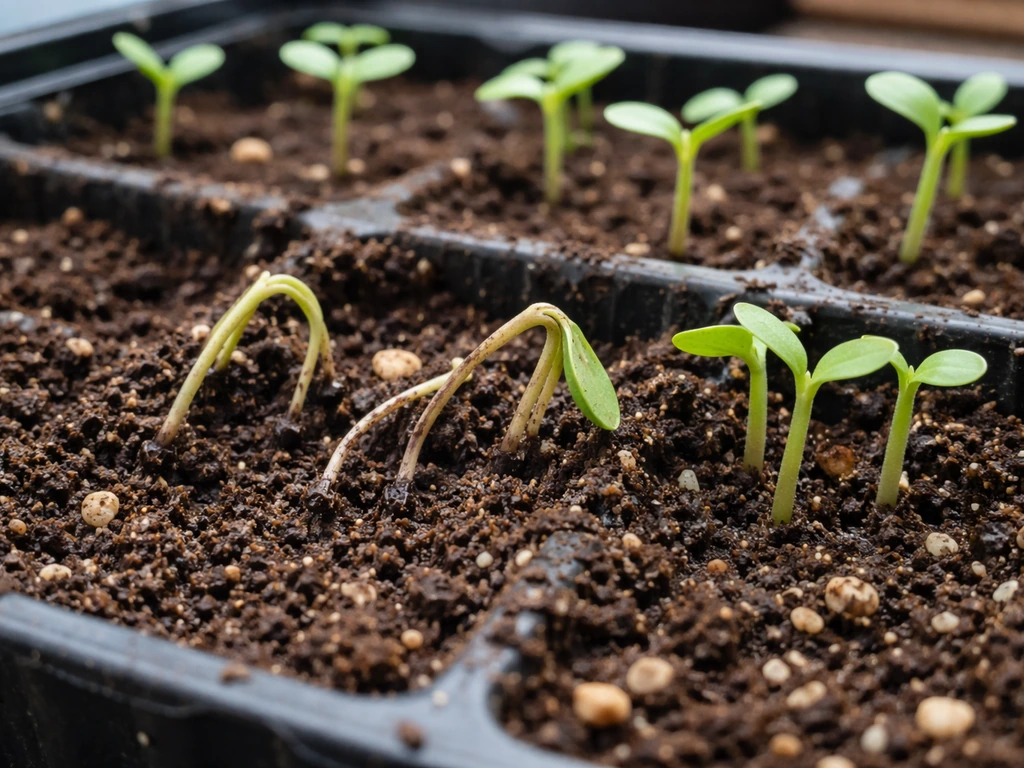
If seedlings topple over with a pinched, dark stem at the soil line, that's damping off. There's no saving an affected seedling once it collapses, but you can protect the others by immediately reducing watering, improving air circulation, and removing any dead plant material from the tray. For your next batch, always use fresh, sterile seed-starting mix and clean containers. Reusing old potting soil from other pots is one of the fastest ways to introduce damping-off pathogens.
Leggy, pale, weak seedlings
Stretched, floppy seedlings with long pale stems mean one thing: not enough light. Move them directly under a grow light or to your brightest window. This is one of the most common mistakes with indoor seed starting. The seedlings aren't struggling because of the soil or watering. They're reaching for light that isn't there. Overly warm temperatures without adequate light can also push this problem, so keep the growing space cool and bright rather than warm and dim.
Healthy plant but no flowers after two years
If your plant looks healthy but hasn't bloomed by year three, review the growing conditions. Callas need a rest period, usually a dry dormancy for several weeks, before they'll reset and produce flowers. If you've kept them continuously moist and warm with no dormancy, they may just be sitting in permanent vegetative mode. Reduce watering in late summer or fall, let the foliage die back naturally, store the pot somewhere cool and dry for 6 to 8 weeks, then restart watering. That dormancy cycle is often the missing trigger for first bloom.
FAQ
If I grow calla lilies from seeds, will they look like the parent plant?
Not reliably. Calla lilies grown from seed are genetically variable, so even if you keep the same care routine, the new plants can produce different flower color, size, and growth habit. If you need the exact named color or form, division of rhizomes is the way to get a true match.
Can I sow calla lily seeds directly outdoors instead of starting indoors?
Yes, but it changes your expectations. In-ground or outdoor sowing usually has lower success because seeds can rot in wet soil or fail to get the warm-to-cool germination cycle they need. Indoors lets you control moisture, temperature (about 15 to 22°C), and light, which is why indoor starting is recommended.
My calla lily seeds haven’t sprouted after 3 months, what should I check first?
If nothing appears by around 3 months, recheck temperature first and avoid repeatedly disturbing the mix. Seeds stall when kept too cool (below about 15°C). Also confirm the mix never dried out completely, and if it has been very wet for long periods, reduce moisture to limit rot.
How do I fix it if my calla lily seedlings suddenly fall over at the base?
That usually indicates damping off at the soil line. Once a seedling collapses, it typically cannot be saved. Remove affected seedlings, then reduce watering, improve airflow, and consider restarting with fresh sterile seed-starting mix and clean containers for the next batch.
When should I start feeding calla lily seedlings, and what’s the safest fertilizer approach?
For calla lily seedlings, over-fertilizing is a common problem. Use diluted balanced fertilizer only after you have a few true leaves, and keep it at about quarter to half strength every 2 to 3 weeks. If growth is pale or slow, increase light before increasing fertilizer.
What watering method works best during calla lily germination and early seedling growth?
Because they are vulnerable to stem rot, avoid keeping the surface constantly wet. Bottom watering for 20 to 30 minutes, letting the surface dry slightly before the next watering, is safer than frequent top misting. A humidity dome is okay only until seedlings appear, then remove promptly.
My seedlings are tall and pale, is it a fertilizer issue or a light issue?
Start by checking light intensity and placement. Leggy, pale seedlings usually need more light rather than more nutrients. Use a grow light set to provide long daily exposure (around 14 to 16 hours), or place them in the brightest window you have with strong morning light.
How can I encourage my seed-grown calla lily to bloom by year three or later?
Use a dormancy break if you want flowering in later years. If you keep seedlings continuously warm and moist, they may stay in vegetative growth. In late summer or fall, gradually reduce watering, let foliage fade naturally, store the pot cool and dry for about 6 to 8 weeks, then resume watering.
Do seed-grown calla lilies need to be kept in pots, or can they overwinter outside?
Yes, especially for hybrids in colder climates. Pots let you bring plants indoors before frost, and you can also move them to a cool, dry area to rest during dormancy. Plan for this early, since in-ground overwintering depends heavily on species and local winter severity.
Next Articles
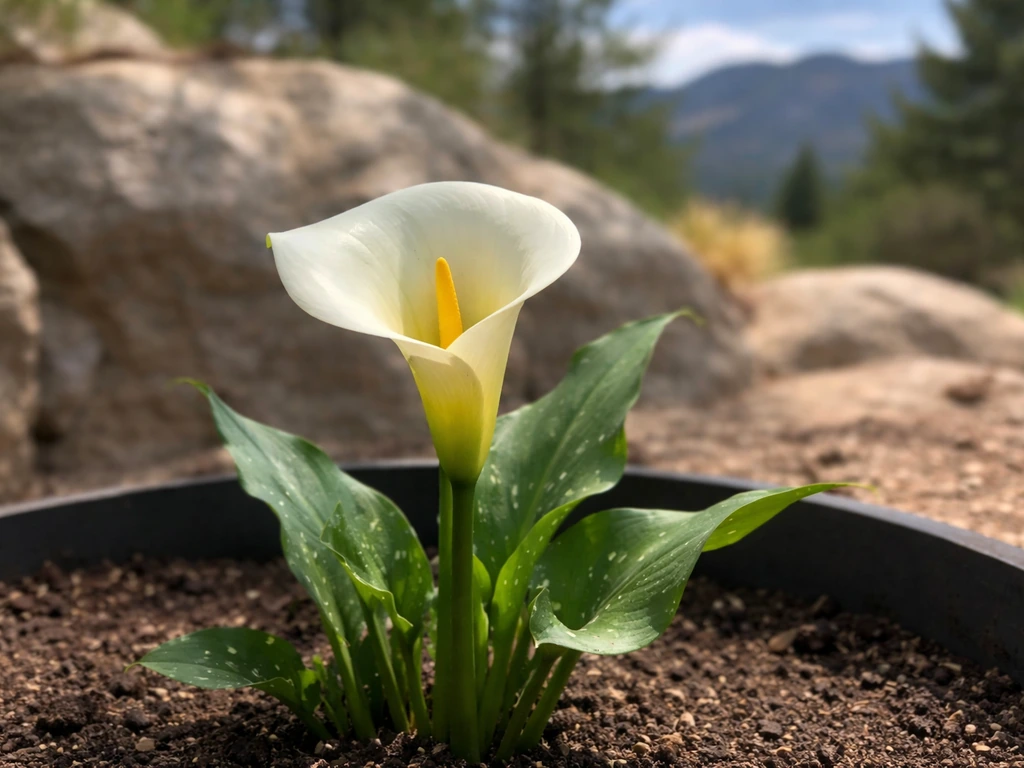
Will Calla Lilies Grow in Colorado? Planting and Care
Learn if calla lilies grow in Colorado, plus planting schedule, sun and watering tips, and overwintering and troubleshoo
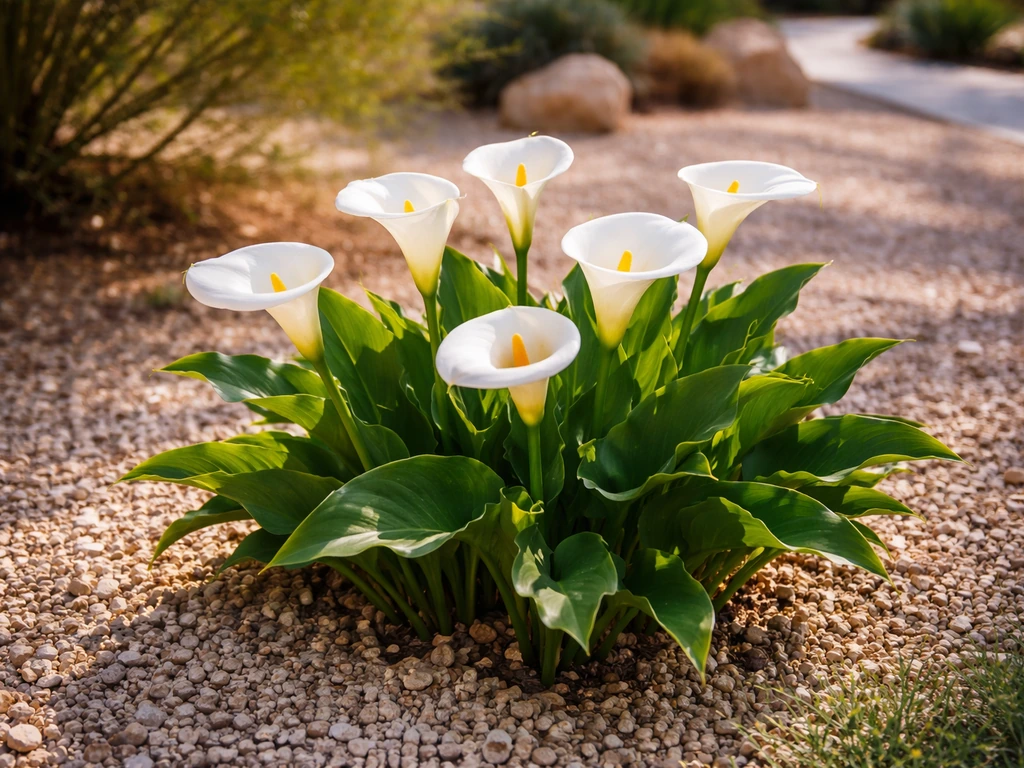
Do Calla Lilies Grow in Arizona? Care, Timing, and Tips
Yes, calla lilies grow in Arizona with timing, bright shade sun mix, fast drainage, and dormancy care to prevent rot and
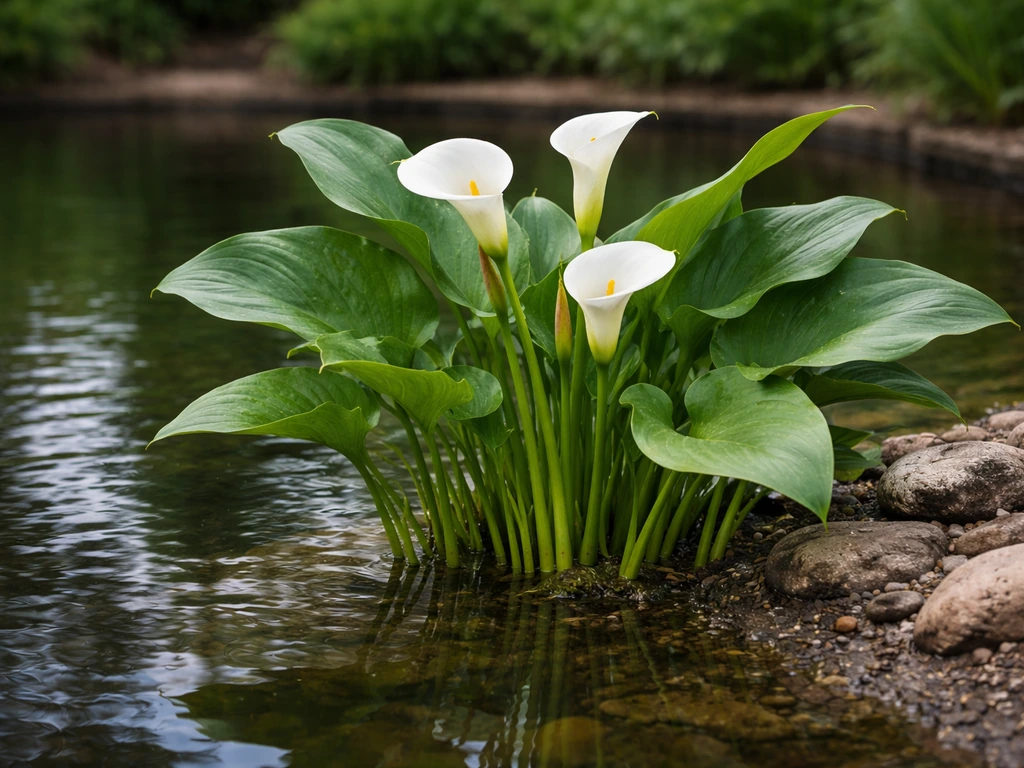
Can Calla Lilies Grow in Ponds? How to Set Up Successfully
Yes, with the right setup: water depth, substrate, anchoring, light, and overwinter care for pond or marginal calla lili