
Cahaba lilies (Hymenocallis coronaria) grow natively in the rocky shoals of fast-moving rivers in Alabama, Georgia, and South Carolina. In the wild, they root into crevices between boulders and gravel bars where swift, clear water rushes over them for much of the year. Outside that native range, home gardeners can grow them only if they can closely replicate those specific water and light conditions, which makes them genuinely challenging to cultivate compared to most lily varieties.
Where Do Cahaba Lilies Grow? Habitat and Growing Guide
Marcus Hendricks
20 May 2026
Native range vs. where you can actually plant them
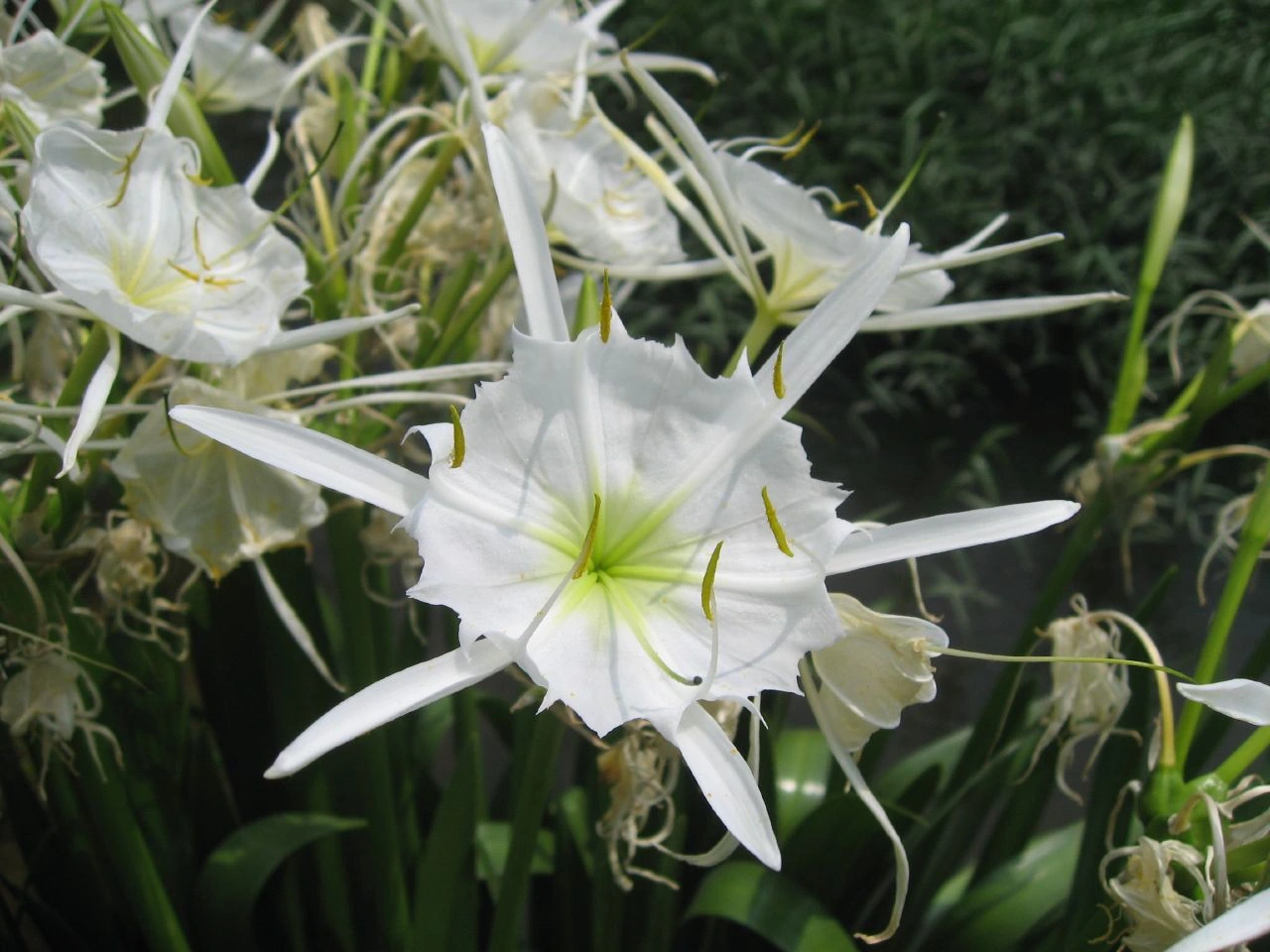
In the wild, Hymenocallis coronaria is restricted to a handful of river systems in the southeastern United States. Alabama holds the core of the range, where the plant appears along the Black Warrior, Cahaba, Coosa, Tallapoosa, and Chattahoochee river systems. Georgia and South Carolina also have native populations, all tied to the same rocky-shoals habitat type. You won't find these plants scattered across meadows or woodland edges the way you might find a daylily or a calla lily growing in a casual garden setting. So if you're wondering whether do calla lilies grow in arizona, the answer depends on whether you can mimic the right moisture and light conditions, not just the presence of any lily nearby.
For gardeners, the honest answer is that replicating their native conditions at home is difficult but not impossible. The key is understanding that 'grows in water' doesn't mean a still pond or a boggy patch in your backyard. These plants specifically need flowing, oxygenated water and exposed rocky substrate. If you have a fast-moving stream on your property with full sun exposure and rocky banks, you have a shot. If you're working with a typical backyard bed or even a still water feature, results are going to be unreliable at best.
What the habitat actually looks like: water, soil, light, and moisture
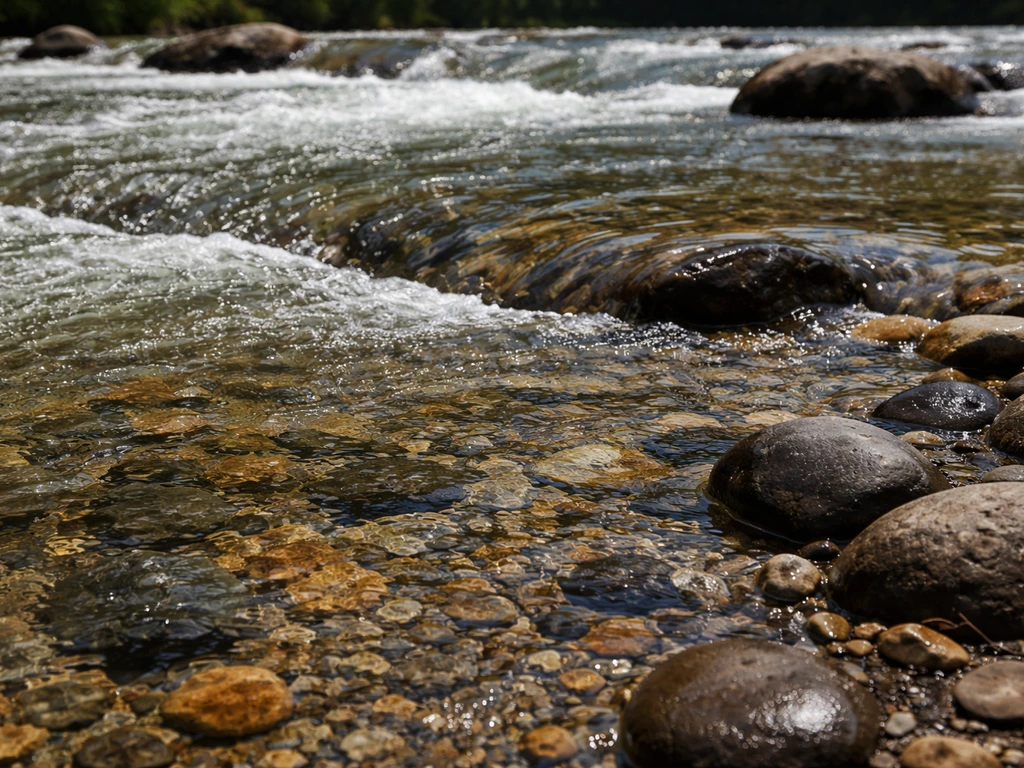
The Cahaba lily's entire life is shaped by one very specific habitat: rocky shoals in swift, clear rivers. Every other detail flows from that. Understanding each piece of the puzzle helps you judge whether your site can work.
Water conditions
This is the non-negotiable factor. Cahaba lilies grow where water moves fast over rocks, not where it sits still. The U. S.
Army Corps of Engineers describes the general habitat as 'major streams and rivers among boulders in rocky shoals,' often alongside riverweed and water willow. The flow keeps the water oxygenated, the substrate clean, and prevents silt from smothering the roots. Dams that flood shoals and turn swift water into slow impoundments eliminate lily populations entirely, which tells you everything about how sensitive they are to stagnant water conditions.
The Cahaba River Coalition notes that dams that flood rocky shoals remove historic Cahaba lily habitat by turning swift shoals into slow, stagnant conditions dams that flood shoals and turn swift water into slow impoundments eliminate lily populations entirely.
Substrate and soil
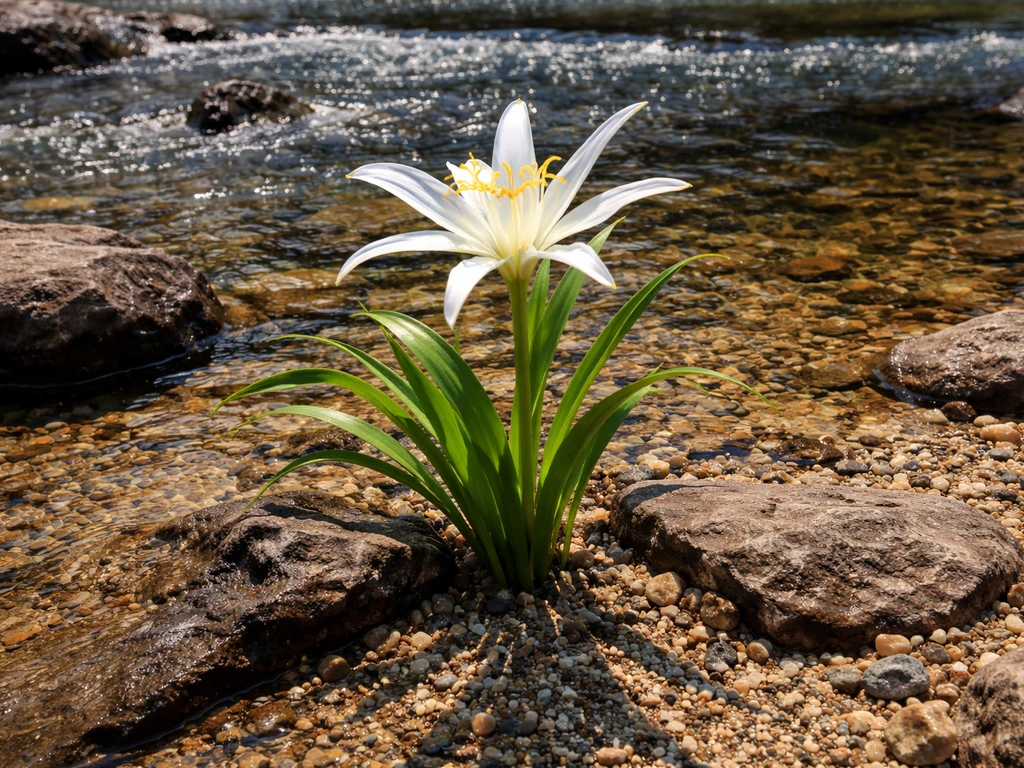
Forget garden soil. In the wild, Cahaba lilies anchor themselves in rocky riffles, gravel bars, and boulder crevices. Their roots grip the hard substrate and tolerate the abrasion of moving water. If you're attempting cultivation, coarse gravel or crushed granite with excellent drainage is the closest approximation. Fine, silty, or clay-heavy soil will waterlog the roots and kill the plant even if the moisture level seems right on the surface.
Light requirements
Cahaba lilies want lots of sun, and the Cahaba River Society is direct about this. Shoal areas are typically open, unshaded stretches of river where the plant gets direct sun for most of the day. Aim for at least six to eight hours of direct sunlight. In a garden setting, partial shade might keep a plant alive, but you'll likely see reduced flowering and weaker growth. Unlike some lily relatives that tolerate dappled woodland light, this species evolved in full sun over open water.
Seasonal moisture shifts
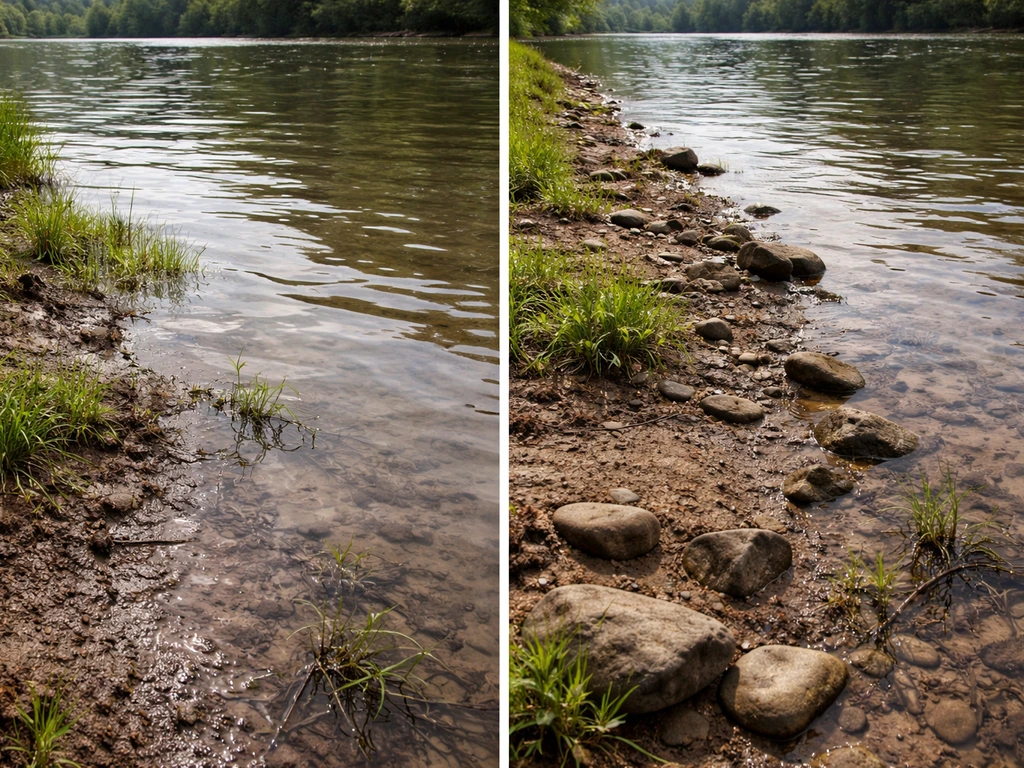
River levels in the Southeast rise in winter and spring, then drop through summer. This means Cahaba lilies experience strong moisture and even partial submersion during their active growth phase, followed by a drier period as water levels drop and the rocky substrate becomes more exposed. In cultivation, this seasonal drying is important. General Hymenocallis growing guidance emphasizes keeping moisture consistent during active growth but allowing considerably drier conditions during dormancy in fall and winter.
General Hymenocallis growing guidance from TASC also emphasizes keeping moisture steady during active growth while allowing the soil to dry during dormancy in fall and winter keeping moisture consistent during active growth but allowing considerably drier conditions during dormancy. Getting this cycle wrong, specifically keeping the bulbs wet year-round, is one of the most common failure points.
Where in Alabama and nearby states to find them
The Cahaba River in Bibb County, Alabama is the most famous location. The Cahaba River National Wildlife Refuge covers the stretch from near the Little Cahaba/Cahaba confluence to Piper Bridge and includes documented shoals where the lilies grow. West Blocton, Alabama hosts the annual Cahaba Lily Festival in mid-to-late May, which is organized specifically around viewing the blooms at their peak.
Beyond the Cahaba River, wild populations exist along the Coosa, Tallapoosa, and Black Warrior river systems in Alabama, as well as in parts of Georgia and South Carolina where similar rocky-shoals habitat survives. The Hartwell area in South Carolina/Georgia has documented populations, and blank" rel="noopener noreferrer">Auburn University's Natural History Museum has conducted tri-state comprehensive studies covering all these river systems. If you want to find a specific accessible viewing location outside of Alabama, searching for 'rocky shoals spider lily' along Georgia's Oconee or Broad River systems is a reasonable starting point.
When Cahaba lilies bloom: the growth cycle
Flowering starts in mid-May, peaks in late May through early June, and continues sporadically until late June. That's a relatively short window, roughly six weeks at the most, and the exact timing shifts a bit year to year depending on water levels and spring temperatures. The Cahaba Lily Festival in West Blocton typically targets mid-to-late May as the sweet spot for viewing.
Outside of flowering season, the plants are actively growing foliage through spring and into summer. As water levels drop and the growing season winds down, the plant enters dormancy. By fall and winter, the bulbs are essentially resting. This is the phase where keeping things too wet causes the most damage in garden cultivation. Think of the seasonal rhythm as: active and moist in spring, blooming in late May/June, slowing down through summer, then dry and dormant through fall and winter.
Planting Cahaba lilies outside their native range: how to match the site
If you're a gardener outside Alabama or the immediate Southeast and you want to try growing Hymenocallis coronaria, here's the honest site-matching checklist. If you're wondering whether calla lilies grow in Michigan, the answer depends on local winters and whether you can provide the right light and moisture outdoors or as a container plant garden. The closer you can get to every one of these conditions, the better your odds. In Colorado, though, you should expect much tougher odds unless you can create a controlled, fast-flowing, rocky streamlike setup growing them in Colorado.
- Moving water or near-constant flow: A natural stream with good current is ideal. A recirculating stream feature with strong pump flow and rocky substrate is the next best option. A still pond, bog garden, or consistently wet but static bed won't replicate what the plant needs.
- Rocky, coarse substrate: Use large gravel, river rock, or crushed granite rather than garden soil. The roots need to anchor in rock, not sit in fine-textured media that compacts and holds moisture uniformly.
- Full sun: Choose a site that gets at least six to eight hours of direct sun. Open stream banks with no tree canopy overhead are ideal. Avoid planting where afternoon shade cuts into that sun window.
- Climate compatibility: These plants are hardy in USDA zones 6 through 10, but they're naturally acclimated to the humid Southeast. In dry climates, even with irrigation, replicating the humidity and water quality of an Appalachian piedmont river is very hard.
- Seasonal dry-down: Whatever your setup, make sure the root zone can dry out meaningfully during fall and winter dormancy. If you're planting in a container near a water feature, you should be able to reduce watering and allow the bulbs to rest dry for several months.
- No standing water: Even in a water garden context, roots should not sit in stagnant water. If you're using a container submerged in a pond, position it so the crown sits at or just above the waterline, not buried under still water.
If your site doesn't check most of these boxes, you may have better luck with other spider lily relatives that are more tolerant of garden conditions, like Hymenocallis festalis or Hymenocallis speciosa, which are much more forgiving of still water and standard garden beds.
Finding wild populations responsibly: what to know before you go
The U.S. Fish and Wildlife Service treats Hymenocallis coronaria as a species of conservation concern, and Alabama's Natural Heritage Program tracks rare native species with formal regulatory backing under the state's administrative code. That means collecting, digging, or removing wild Cahaba lily plants or bulbs from natural populations is both ecologically harmful and potentially illegal, depending on the land ownership and jurisdiction. Do not dig them up, do not take cuttings, and do not disturb the rocky substrate they're rooted in.
The best way to find and see wild populations is through organized, managed opportunities. The Cahaba River Coalition runs guided canoe trips during lily season specifically for this purpose. That's genuinely the ideal approach: you get on the water with people who know where the concentrations are, you see the flowers at their peak, and you don't risk trampling or disturbing the plants. The annual Cahaba Lily Festival in West Blocton, Alabama is another excellent structured option, typically held in late May when blooms are near peak.
If you want to find populations on your own, check USFWS species distribution resources, the Alabama Natural Heritage Program's public data tools, or reach out to the Cahaba River Society for guidance on publicly accessible viewing areas. These organizations exist in part to connect people with these plants in a way that doesn't harm them.
Why Cahaba lilies fail in gardens (and how to fix it)
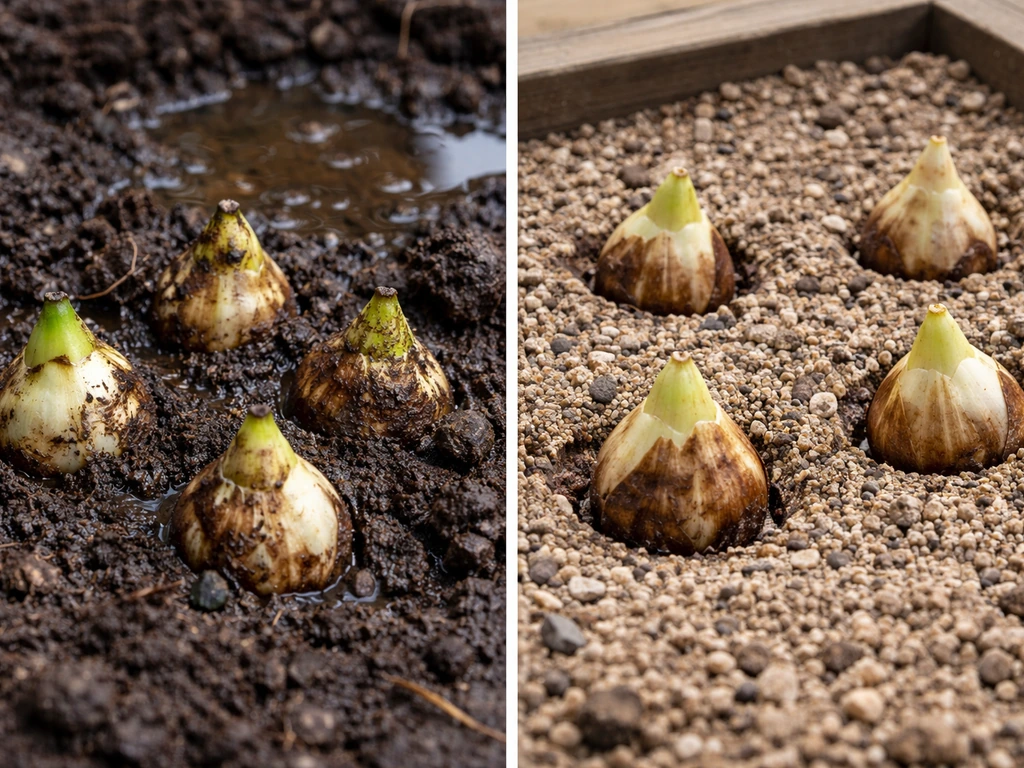
Growing this plant outside its native habitat is genuinely harder than growing something like a Casablanca lily or a calla lily, both of which adapt more readily to standard garden conditions. If you're wondering will calla lilies grow in Colorado, the answer depends on whether you can match the temperatures and container or sheltered-site conditions they prefer Casablanca lily or a calla lily. If you're also wondering whether calla lilies can be started from seed, you will want to follow different propagation steps than you would for Cahaba lilies do calla lilies grow from seeds. Most failures come down to a predictable set of problems.
| Problem | What's going wrong | The fix |
|---|---|---|
| Bulbs rot in winter | Soil stays too wet during dormancy | Reduce watering sharply after foliage dies back; allow bulbs to dry out from fall through late winter |
| No flowering | Insufficient light | Move to a spot with 6-8+ hours of direct sun; shaded or partly shaded locations suppress blooming |
| Root rot in growing season | Stagnant water in container or bed | Switch to fast-draining, coarse rocky substrate; add strong water movement if using a water feature |
| Plant declines after first year | No seasonal moisture cycle respected | Mimic the river's pattern: moist and active in spring, drying down through summer, dry dormancy in fall/winter |
| Poor establishment | Fine soil or standard potting mix used | Replace with coarse gravel or river rock mix; fine-textured soil smothers roots and holds excess water |
| Failure in dry climates | Low humidity and inconsistent moisture | These plants are adapted to the humid Southeast; in arid or semi-arid climates, results will likely be poor regardless of irrigation effort |
The single most common mistake I hear about with Cahaba lilies in cultivation is treating them like a marginal pond plant that just sits in shallow water year-round. That kills the bulbs. The second most common mistake is planting them in too much shade because 'they grow near water so they must like shade.' They don't. Rocky shoals are open, sunny places. Match those two conditions correctly and you've solved most of the problems before they start. Do calla lilies grow from seeds, and is seed propagation practical for your garden goals?
FAQ
If I live near a river, does that mean the Cahaba lily will naturally grow there too?
You can usually tell whether a site matches by looking for rocky riffles or shoals with visible current, not just a nearby river. In cultivation, try to recreate this with a container or raised tub setup that has coarse stone, crushed granite, and moving, well-oxygenated water, because “wet feet” in still water is the fastest way to rot the bulbs.
What are the minimum light and water-flow conditions to grow Cahaba lilies successfully outside the wild?
The plant is not simply “a lily that likes water,” it needs sun plus fast, oxygenated flow over hard substrate. If your property has partial shade, expect weak flowering even if the soil stays moist. For best results, target direct sun for about six to eight hours and keep any water feature from becoming stagnant around the roots.
How should I change watering through the year if I’m cultivating Cahaba lilies?
Because the natural habitat experiences a wet-to-drier seasonal rhythm, the easiest adjustment for home growers is to plan for dormancy by reducing moisture in fall and winter. A common approach is to keep the bulbs moist but not saturated during active growth, then let the medium dry significantly during dormancy, since year-round wet conditions are a major failure cause.
Do Cahaba lilies always bloom in the same weeks, or does it vary by year?
Yes, but expect different results based on timing. In the wild, flowering is mid-May through early June and can extend only sporadically after peak. If your plants flower early or late, it often reflects spring water and temperature patterns, so the calendar alone is not a reliable guide.
Can Cahaba lilies live in a backyard pond or water garden if I keep the water shallow?
If you cannot provide flowing water, you generally have two practical paths: use a specialized fast-flow or recirculating setup that oxygenates the water, or choose a different Hymenocallis relative that tolerates still water better. Treating the plant as a standard pond-edge lily usually leads to bulb failure.
How should I plant them in a container or bed, spacing-wise and with what substrate?
Spacing is usually less critical than substrate and flow, but do not crowd them in a way that blocks water movement between clumps. In the wild, each plant anchors in rocky crevices and riffles where current can pass, so aim for discrete planting points with gravelly, fast-draining media rather than a single blanket of fine soil.
Is it legal or ethical to dig up Cahaba lily bulbs if I’m on private land near the river?
If you find a location that is fenced, protected, or on refuge-managed land, you should assume digging is not allowed. Even where access seems open, removing bulbs or disturbing rocky shoals can be regulated, so the safe next step is to use organized viewing options or ask local conservation groups before attempting any collection or relocation.
What should I look for when choosing a garden site based on where I’ve seen wild Cahaba lilies grow?
You can often get a better chance by viewing and learning from where they thrive, but “finding blooms” does not equal “copying the spot.” Look for open, rocky stretches with current and direct sun. Then, for cultivation, focus on substrate texture and drainage first, because fine, silty, or clay-heavy media can waterlog roots even when the surface looks fine.
Next Articles
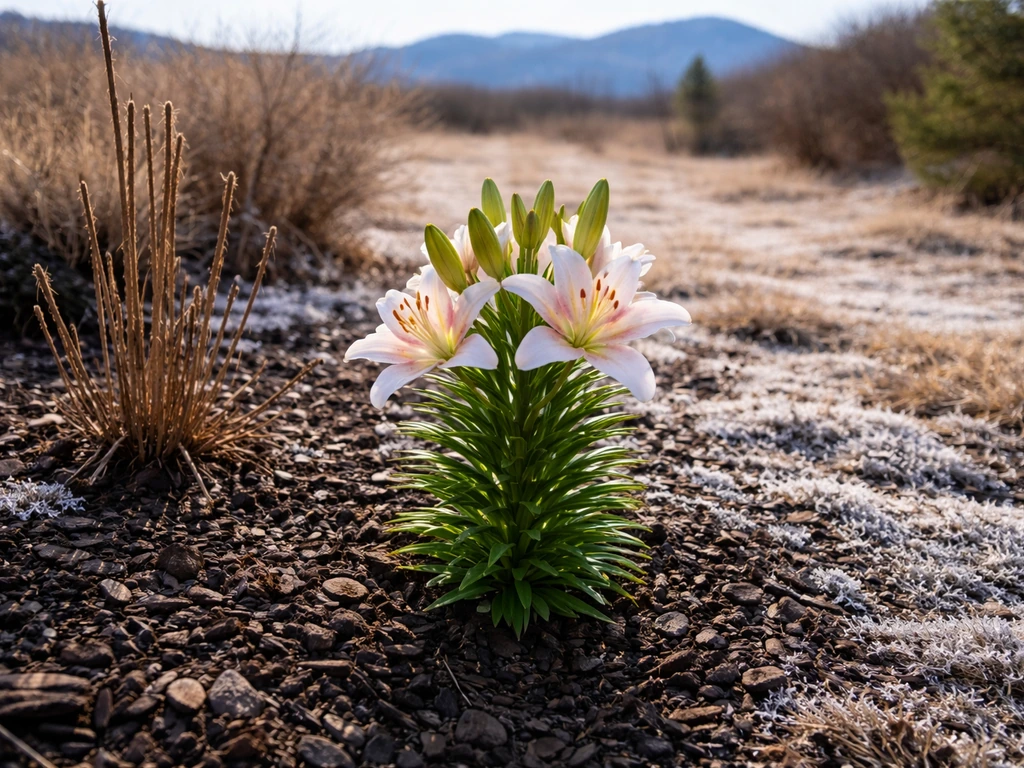
Do Lilies Grow in Colorado? What Survives and How to Plant
Yes. Learn which lilies thrive in Colorado, where to plant for blooms, and how to manage dry cold winters.
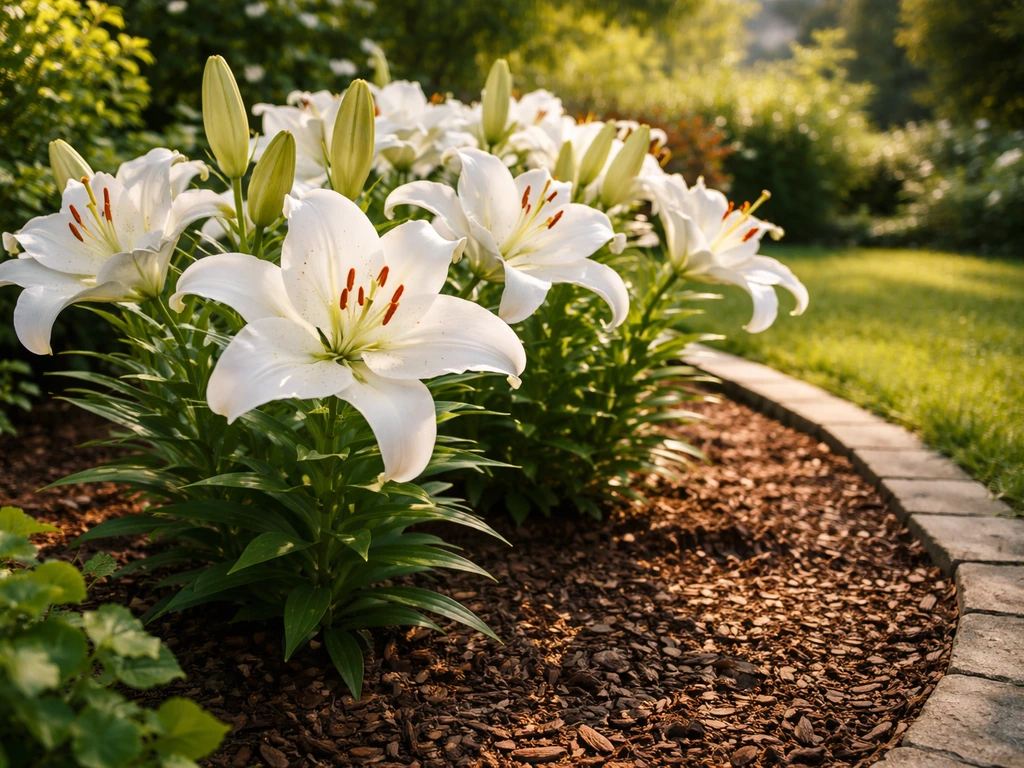
Where Do Casablanca Lilies Grow and How to Plant Them
Learn where Casablanca lilies grow best, plus sunlight, soil, drainage, and climate tips to plant and bloom reliably.
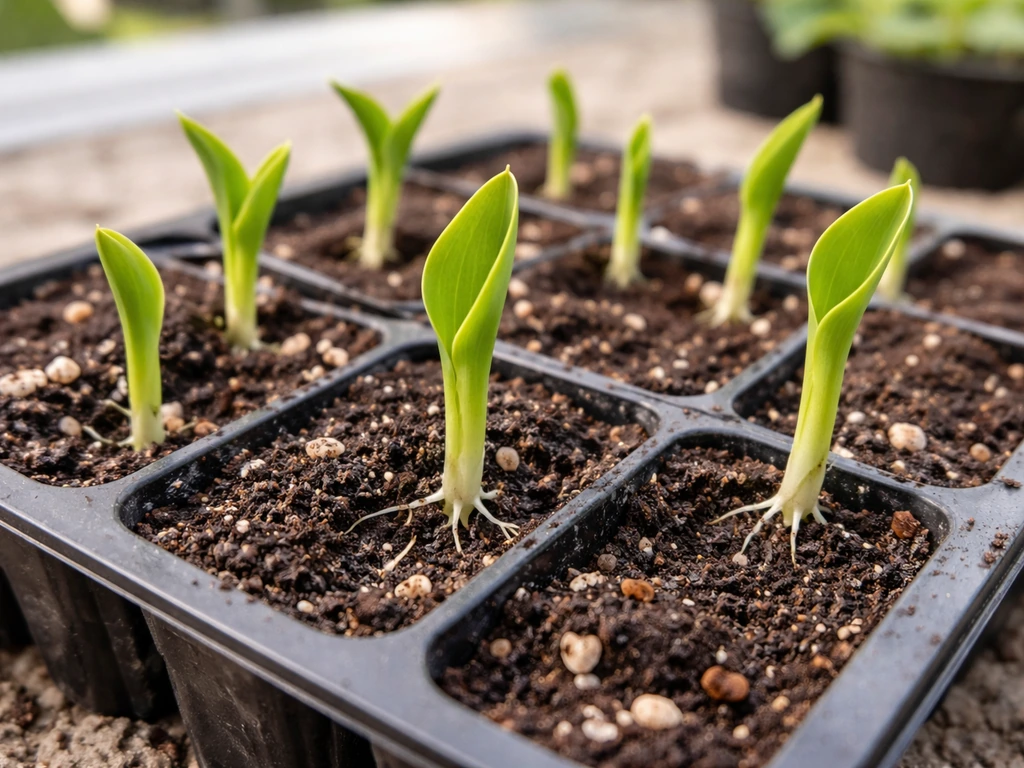
Do Calla Lilies Grow From Seeds? How to Start Them
Learn if calla lilies grow from seeds and get step-by-step sowing, germination, potting, and troubleshooting tips.