
Yes, peace lilies can grow in water, and done right, they can thrive in a water-only setup for years. But there are real failure points that trip people up, and I want to be upfront about them ...before you drop your plant in a vase and walk away. can peace lily grow outside The short version: peace lilies are naturally adapted to boggy, humid environments, so water culture is genuinely compatible with their biology. If you are wondering about keeping a peace lily outdoors, the short answer is that it is usually limited by temperature and humidity, so placement matters a lot can peace lily grow outside. The problem is execution. Get the water level wrong, skip water changes, or ignore the chemistry of your tap water, and you will end up with a rotting crown and yellow leaves instead of a healthy plant.
Will Peace Lilies Grow in Water? Steps to Succeed
Can peace lilies actually live in water, and for how long?
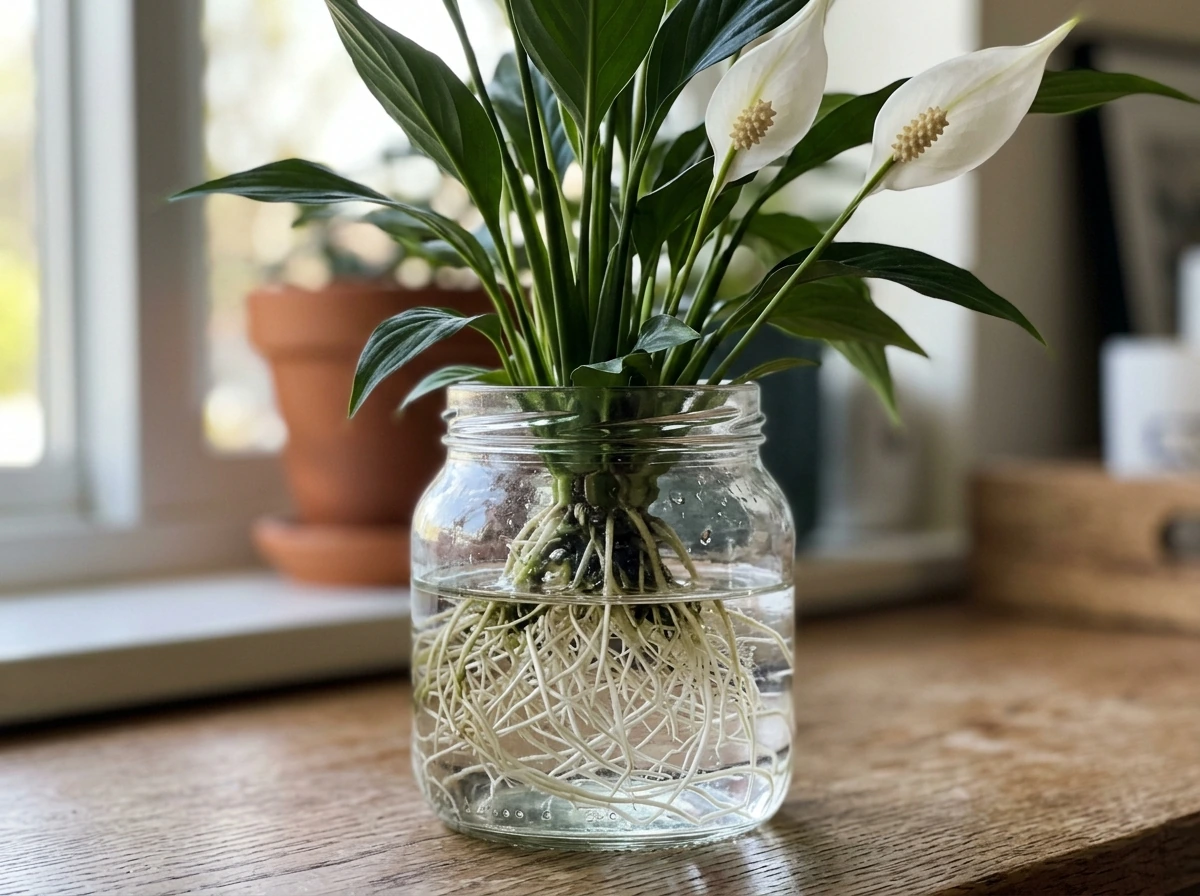
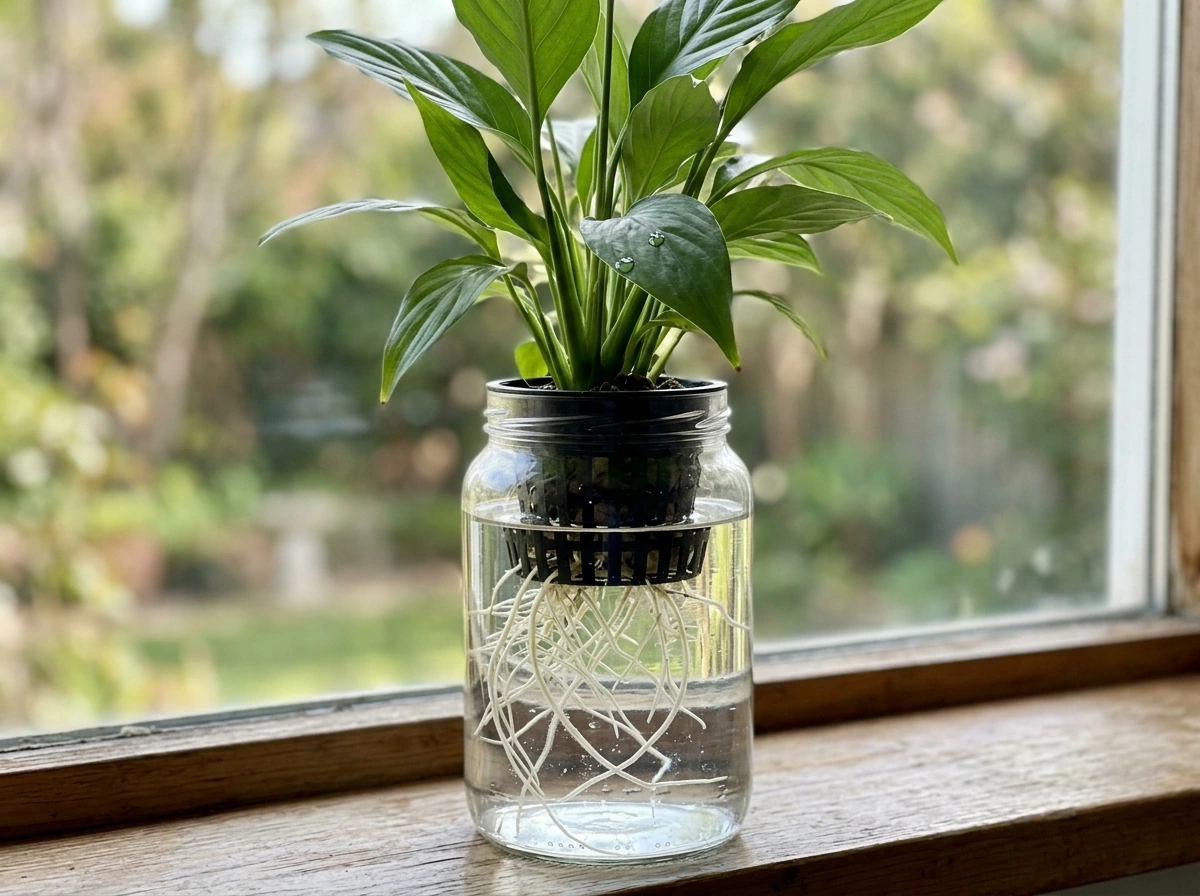
A peace lily can live in water indefinitely, provided the setup is correct and you maintain it consistently. This is not a temporary hack or a propagation trick, it is a fully viable alternative to soil growing. What the plant cannot handle is sitting with its crown submerged. The crown is the base of the plant where the stems emerge, and if that stays wet, rot sets in fast. Roots in water: fine. Crown in water: fatal.
One important caveat worth mentioning: the University of Illinois Extension explicitly does not recommend rooting Spathiphyllum (peace lily) in water as a propagation method. That is about starting a brand-new plant from a cutting or division with no existing roots, not about transitioning a healthy, rooted plant from soil to water culture. If you already have a rooted plant, you are in a very different situation. Water culture for an established peace lily is well within reach. Trying to root a bare division in a glass of water is a much riskier proposition.
Water-only growing: what it actually means (and the no-soil, no-roots question)
Growing a peace lily in water only means the plant lives in a container filled with water rather than soil, with the roots submerged and the rest of the plant sitting above the waterline. There is no soil involved at any stage. The plant draws water and nutrients directly from the solution around its roots.
People sometimes ask about growing peace lilies in water without roots, usually because they have a cutting or a divided clump that lost most of its root system during repotting. Honest answer: this is hard. Peace lilies do not root easily in plain water, which is exactly why extension services flag them as a poor candidate for water propagation. If you have a rootless division, your best bet is to pot it in damp perlite or a very light soil mix until roots establish, then transition to water culture if that is your goal. Trying to coax roots from a bare stem in a jar of water is likely to result in a rotting stem rather than a rooted plant.
How to grow a peace lily in water (step by step)
Start with a healthy, established, soil-grown peace lily that already has a good root system. A stressed, diseased, or recently divided plant is a poor candidate. The transition from soil to water is a real adjustment for the plant, so give yourself the best starting conditions.
- Remove the plant from its pot and gently shake off as much soil as possible from the roots. Do not rip or tear — work slowly.
- Rinse the roots under lukewarm water until they are clean. Old soil left behind creates a breeding ground for bacteria and rot in a water environment.
- Inspect the roots. Trim off any that are already brown, mushy, or dead with clean scissors. Healthy roots are white to light tan and firm.
- Choose a container: a glass vase, a jar, or any vessel that supports the plant while keeping the crown above the waterline. Opaque containers reduce algae growth, which is a real maintenance headache in clear glass.
- Support the plant so the roots hang into the water but the crown stays dry. A plastic saucer insert with a hole cut to fit the plant's base works well for this, creating a physical shelf that holds the crown above the water.
- Fill with filtered, distilled, or rainwater to a level that covers the roots but stops well below the crown. About an inch of clearance between the waterline and the crown is a solid minimum.
- Place in bright, indirect light. A spot that gets 3 to 5 hours of indirect light daily is ideal. Direct sun heats the water, promotes algae, and scorches the leaves.
- Change the water every one to two weeks. Do not let it sit stagnant. Add a very diluted dose of water-soluble fertilizer every 6 to 8 weeks during spring and summer — half strength is the right rate.
- Leave the roots undisturbed as much as possible while the plant acclimates during the first month. Water-culture roots look different from soil roots and the plant needs time to adjust.
Water temperature matters more than most people expect. Keep the water between roughly 65 and 80 degrees Fahrenheit (18 to 27 degrees Celsius). Cold water, anything below about 60 degrees F, slows root function significantly. Very warm water holds less dissolved oxygen and creates conditions where pathogens thrive. If your home stays comfortable, your water temperature is probably fine, but avoid placing the container near heating vents, air conditioners, or cold drafts from windows.
Growing a peace lily in an aquarium or water garden setup
Peace lilies are a popular choice for aquarium tops and semi-aquatic water garden setups because their roots filter ammonia and nitrates out of the water, which benefits fish and keeps the water cleaner. This is a real, functional use, not just decorative. But there are specific things you need to get right for both the plant and the water system to work.
Placement and support in an aquarium
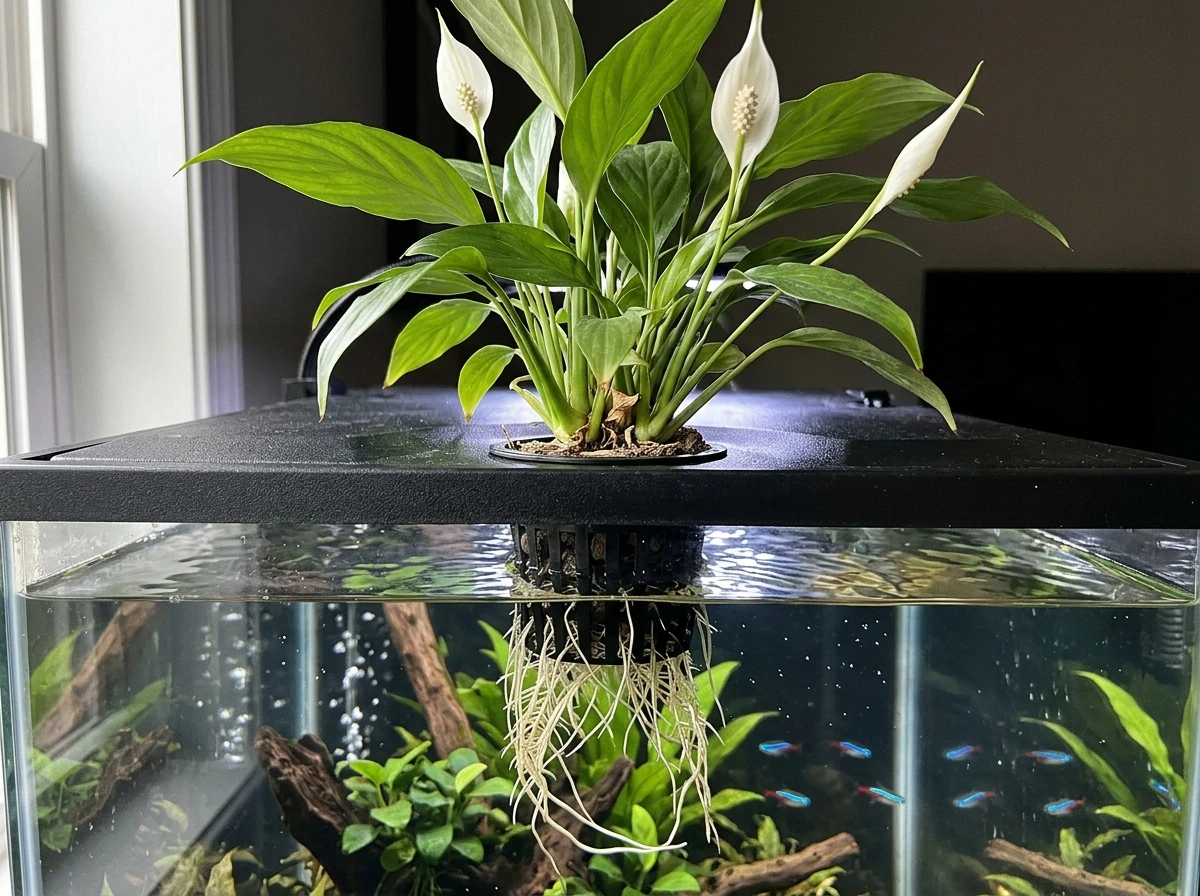
The peace lily should never be fully submerged. Its leaves and crown must remain above the water surface at all times. The standard approach is to rest the plant in a net pot, a cut plastic bottle, or a purpose-built aquatic planter that sits on the aquarium rim or floats at the surface, with the roots hanging down into the water below. The crown and foliage stay completely above the waterline. Some people thread the plant through a foam ring to achieve the same result.
Growing media
In an aquarium setup, you typically use no soil at all. The roots grow directly into the water. If the plant needs extra support to stay upright in its net pot, clean clay pebbles (LECA) or lava rock work well. Avoid regular potting soil, it will cloud the water, deplete oxygen, and create a mess for your fish.
Filtration and oxygen
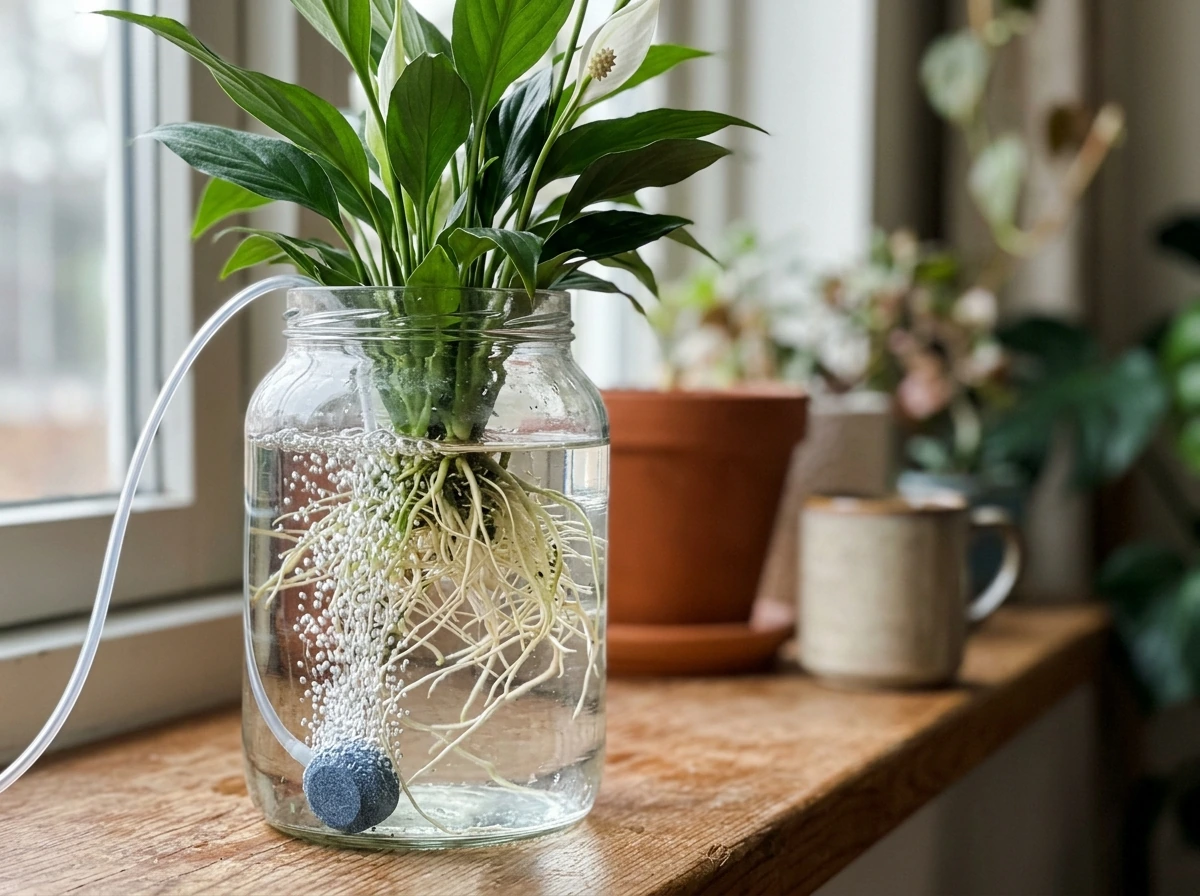
This is the piece most guides skip over, and it is genuinely important. Dissolved oxygen in the water is critical for root health. In a stagnant vase, you manage this by changing the water frequently. In an aquarium, your filtration system does most of this work. A functioning filter that moves water and introduces surface agitation keeps dissolved oxygen at healthy levels for both the roots and the fish. Without adequate oxygen in the water, root tissue degrades even without visible bacterial rot, this is a slow-kill problem that is easy to miss until the plant collapses.
Aquarium water chemistry also matters. Fish tanks typically have elevated nitrogen compounds (ammonia, nitrites, nitrates) that the peace lily actually uses as nutrients, this is the basis of the plant-fish symbiosis. You generally do not need to fertilize a peace lily growing in an established, stocked aquarium. The fish waste provides what the plant needs. In a tank with very few fish or a brand-new setup, you may need to add a diluted liquid fertilizer occasionally, but test your water parameters first.
Avoid aquarium water treated with heavy doses of copper-based medications if you want to keep the peace lily healthy. Copper is toxic to plants at the concentrations sometimes used to treat fish diseases.
Water vs. soil: which one is actually better?
Both methods work, but they are not equal in every way. Here is an honest side-by-side comparison:
| Factor | Soil | Water Culture |
|---|---|---|
| Growth rate | Generally faster, especially during active growing season | Slightly slower but steady once established |
| Root health risk | Root rot from overwatering is common | Crown rot from incorrect water level is the main risk |
| Maintenance | Watering schedule, repotting every 1-2 years | Water changes every 1-2 weeks, no repotting needed |
| Fertilization | Regular balanced fertilizer during growing season | Half-strength water-soluble fertilizer every 6-8 weeks |
| Water quality sensitivity | Some buffer from soil; still sensitive to fluoride | High sensitivity — tap water chemicals are a direct issue |
| Pest risk | Fungus gnats, root mealybugs common in soil | Fewer soil pests; algae and bacterial buildup are the concern |
| Visual appeal | Traditional potted look | Clean, modern look; roots visible in glass containers |
| Beginner friendliness | More forgiving of mistakes | Requires more consistent attention to water changes |
My honest recommendation: if you tend to overwater your peace lily in soil (and most people do), water culture is actually the safer option for you because the risk profile shifts from "too much water in soil causing rot" to "water level placement," which is easier to control. If you are a set-it-and-forget-it gardener who does not want to think about weekly water changes, stick with soil and a well-draining mix.
One real difference is light and temperature management. In soil, the plant buffers somewhat against temperature swings. In water, temperature fluctuations hit the roots directly, so you need to be more thoughtful about placement. And since the plant is not putting energy into fighting for nutrients in dense soil, the light requirements stay the same, bright, indirect light, ideally 3 to 5 hours a day, so if you’re wondering can peace lily grow without sunlight, the answer is usually no without some light support. If your spot is too dim for water culture, grow lights set 6 to 12 inches above the plant and running 12 to 16 hours a day will fill the gap, so do peace lilies like grow lights.
When things go wrong: fixing yellowing, rot, pests, and leggy growth
Yellow leaves
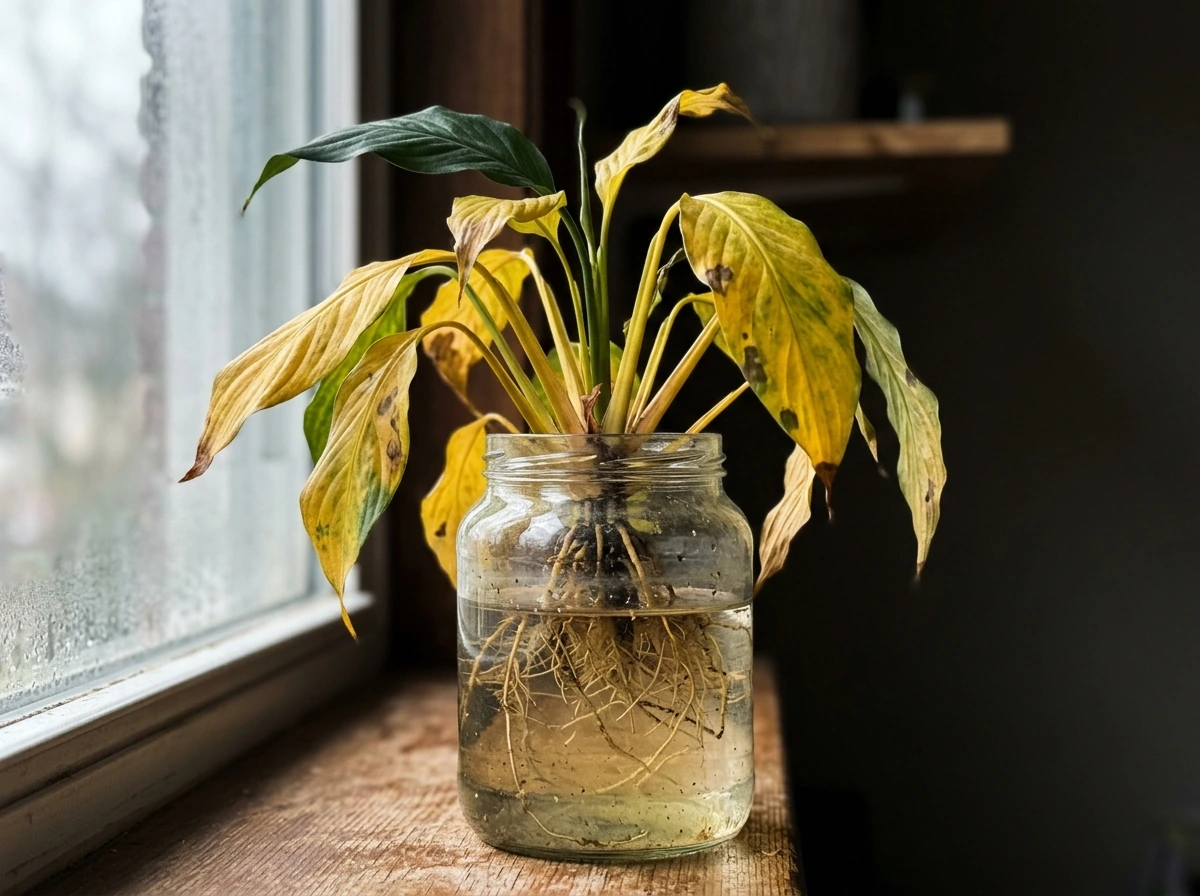
Yellowing in water culture usually comes down to one of three things: tap water chemistry, insufficient light, or stagnant water. blank" rel="noopener noreferrer">Peace lilies are genuinely sensitive to fluoride and chlorine in treated tap water, these chemicals accumulate and cause leaf tip burn and overall yellowing over time. Switch to filtered, distilled, reverse-osmosis, or rainwater, this also helps you avoid excess additives that can build up in water culture. If filtered water is not an option right now, let tap water sit uncovered for 24 to 48 hours before using it. This lets chlorine evaporate, though it does not remove fluoride or other compounds. Yellowing can also signal that the water has gone too long without a change and is building up waste products, refresh it every one to two weeks without exception.
Root rot and mushy roots
Mushy, brown, soft roots are the most serious problem in water culture, and the cause is almost always either crown contact with water or stagnant water with low dissolved oxygen. The University of Florida has documented how susceptible Spathiphyllum is to root rot pathogens like Cylindrocladium, which thrive in wet, poorly oxygenated conditions. If you find mushy roots, remove the plant from the water immediately. Trim all affected roots back to healthy white tissue using clean, sharp scissors. Rinse the healthy roots thoroughly, let them air briefly, then restart in fresh water in a clean container. Double-check that your water level is not touching the crown, and commit to more frequent water changes going forward.
If the crown itself is soft or discolored, the situation is more serious. A badly rotted crown rarely recovers. This is where the plastic saucer insert method mentioned earlier pays off, using a physical support to hold the crown cleanly above the waterline prevents this from happening in the first place rather than trying to fix it after the fact.
Leggy, stretched growth
If your water-grown peace lily starts reaching toward a light source, with long, floppy stems and leaves spaced far apart, it is not getting enough light. Water culture does not change the plant's light needs. Move it closer to a bright window or add a grow light, placing it 6 to 12 inches above the plant canopy and running it 12 to 16 hours daily will correct the problem within a few weeks. Leggy growth in water culture can also mean the plant is putting energy into stem stretch rather than root development, which can leave it more vulnerable to other problems.
Algae and pests
Green algae growth on the container walls and in the water is not directly harmful to the plant, but it competes for nutrients and oxygen and is a sign the setup needs attention. Switching to an opaque container eliminates most algae because algae need light to grow. If you prefer clear glass for aesthetics, just plan on scrubbing the container every time you do a water change. Pests are less common in water culture than soil, no fungus gnats, for instance, but you can still get spider mites or aphids on the foliage. Treat those the same way you would with a soil plant: a spray of diluted neem oil or insecticidal soap on the leaves, keeping water out of the container during treatment.
Water culture is genuinely one of the more forgiving ways to grow a peace lily once you have the setup dialed in. The key rules are not complicated: keep the crown dry, change the water regularly, use clean water, and give the plant adequate light. If you can manage those four things consistently, a water-grown peace lily can be one of the cleanest, lowest-maintenance houseplants you own. If you are wondering whether a peace lily can grow outside the UK, start by checking whether you can protect the crown from cold and keep the roots in the right water conditions water-grown peace lily. If you are curious about how peace lilies handle other non-standard conditions, like low light or can peace lily grow in bathroom, those growing situations follow a similar logic of understanding what the plant's roots are actually experiencing. can peace lily grow in bathroom
FAQ
How much water should I add so the peace lily roots get oxygen but the crown stays dry?
Use a net pot or floating support so only the root mass sits below the waterline. As a practical target, keep the water level at least 1 to 2 inches below the crown, then confirm the crown cannot be touched by splashing water during watering or movement of the container.
Can I use plain tap water if my peace lily turns yellow over time?
If you see gradual yellowing or leaf tip burn, assume your tap water may have too much chlorine or fluoride for long-term water culture. Switch to filtered, RO, distilled, or rainwater if possible. If you must use tap water short-term, let it sit uncovered 24 to 48 hours, but know this only helps with chlorine, not fluoride.
What water change schedule is best in a vase or container with no aquarium filter?
Refresh water every 1 to 2 weeks, and faster if the water smells, looks cloudy, or you notice biofilm on the container. After a change, rinse the container and ensure the crown never gets wet, because the biggest failures happen even when people change water “on time” but allow crown contact.
Should I add fertilizer to a peace lily growing in water?
In a mature, stocked aquarium, fish waste usually provides enough nitrogen, so routine fertilizing is often unnecessary. In a vase or a tank with few fish, test first. If you fertilize, use a diluted liquid product targeted for houseplants, and avoid overfeeding because extra nutrients can drive stagnant-water oxygen problems.
Is it safe to use copper medication in an aquarium with a peace lily?
Avoid copper-based treatments. Even when fish medication doses look “small,” copper can accumulate enough to damage plant tissue. If medication is required, treat fish in a separate hospital tank and keep the peace-lily setup untreated.
Can I move my water-grown peace lily from a vase to an aquarium, or from soil to water during the same week?
It is better to transition slowly. Water chemistry, temperature, and dissolved oxygen can shift quickly when you go from one system to another. Move it during a stable period, check crown contact and water level immediately, and watch for yellowing or mushy roots over the next couple of weeks.
What if my peace lily leaves are touching the water surface or the crown looks wet after a change?
Stop and re-seat the plant. Leaves or crown that remain damp encourage rot and oxygen-starved tissue. Dry the crown area carefully, restart in fresh water, and confirm your support system (net pot, bottle cutout, or foam ring) prevents any part of the crown from contacting water.
Why are my roots turning brown and mushy even though I change the water regularly?
Most of the time it is either crown contact with water or insufficient dissolved oxygen. Make sure your container is clean, the water is not too warm, and the plant is supported so the crown is fully above the surface. If the setup is stagnant with no agitation, increase water-change frequency or switch to a system with surface movement.
My plant looks leggy with long stems, does that mean it needs more fertilizer?
Usually it is a light issue, not feeding. In water culture, the plant still needs bright, indirect light, roughly 3 to 5 hours a day, or a grow light on a 12 to 16 hour schedule. After increasing light, stem growth often tightens up over time.
Can I grow peace lilies in water long-term without changing the water at all?
Not reliably. Even if algae is minimal, nutrients, dissolved organics, and oxygen levels drift over time. For long-term success, commit to regular water refreshes (container/vase) or maintain aquarium filtration and surface agitation (aquarium), otherwise rot and yellowing become likely.
What should I do if I find spider mites or aphids on the foliage in water culture?
Treat the leaves as you would for a soil plant, but keep spray away from the water and crown area. Use a diluted insecticidal soap or neem oil and allow it to dry fully before returning the plant to the water. If pests persist, repeat at appropriate intervals and remove heavily infested leaves.
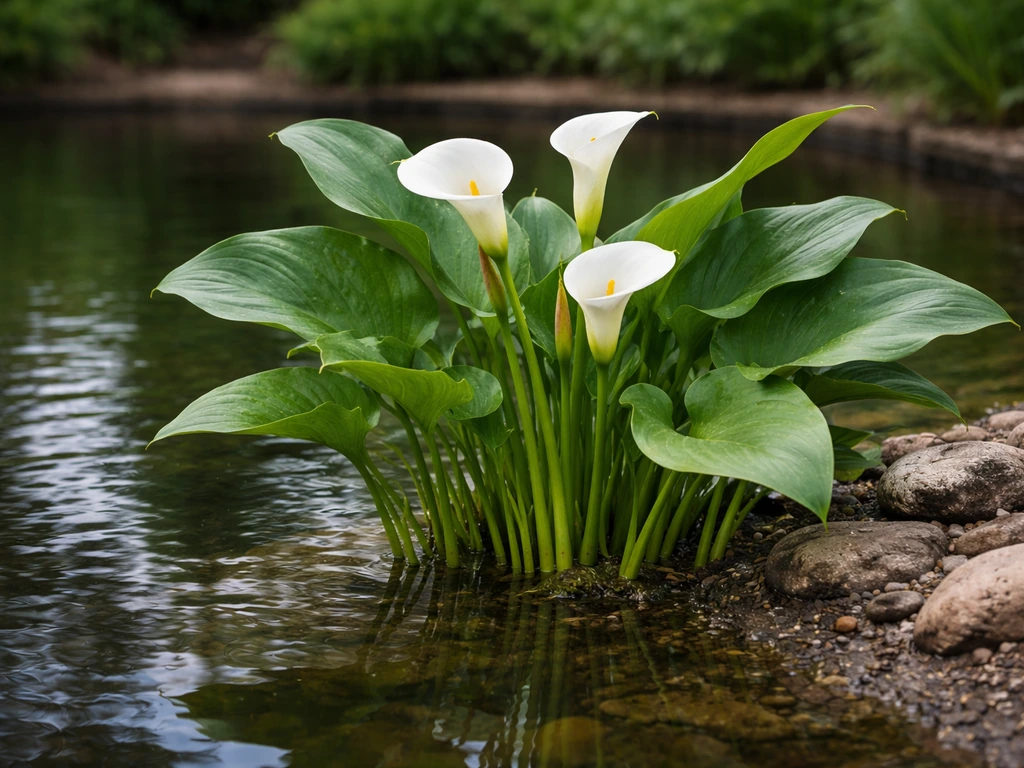
Yes, with the right setup: water depth, substrate, anchoring, light, and overwinter care for pond or marginal calla lili
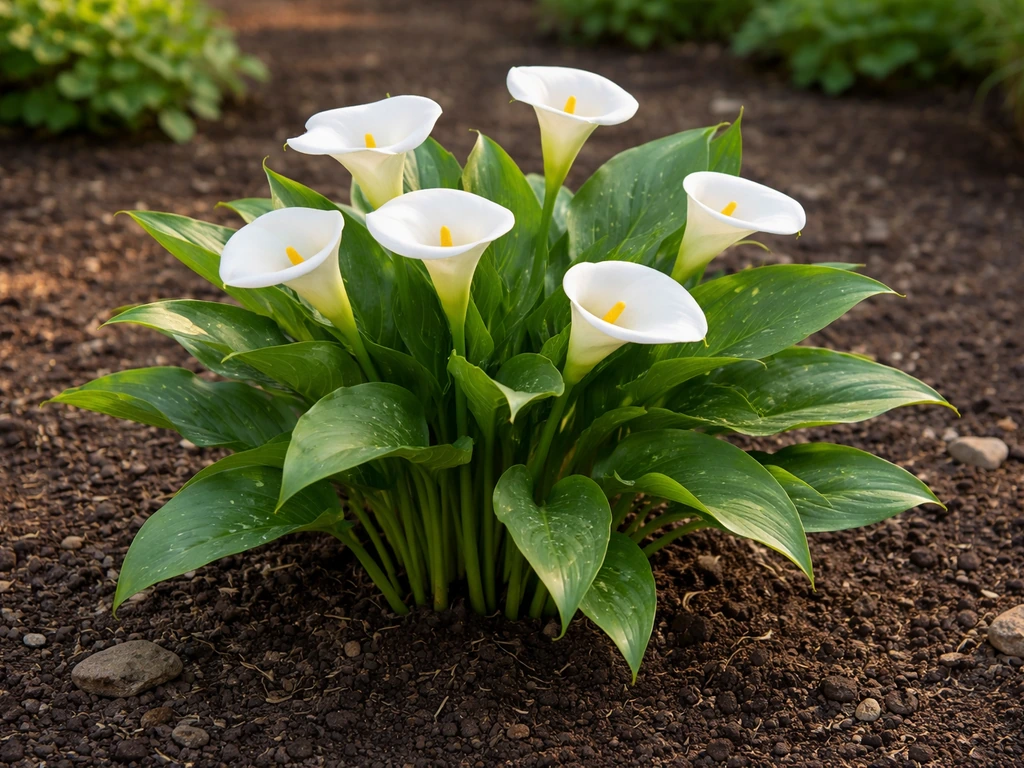
Get a clear answer on are calla lilies hard to grow, plus exact light, temperature, watering, planting, and fixes.
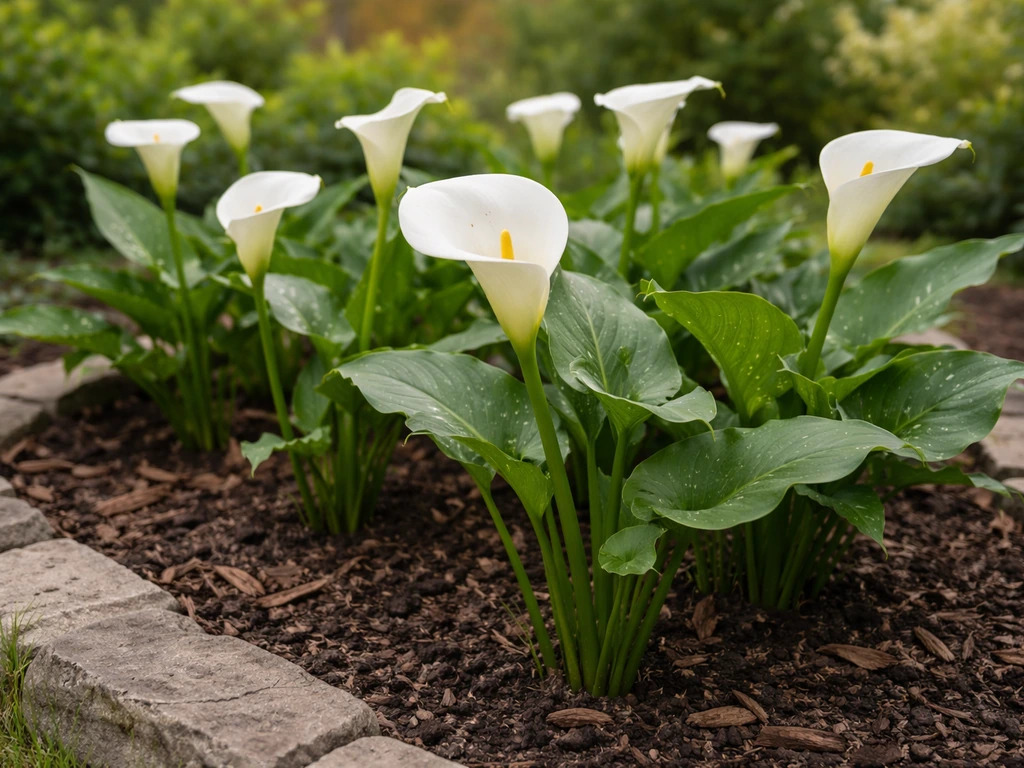
Yes, calla lilies can grow outside. Learn climate, light, soil drainage, planting timing, and fixes for no growth.