
Water lilies cannot survive long-term without any light at all, and they almost certainly won't bloom without meaningful sunlight. Most varieties need at least 6 hours of direct sun daily to flower well. That said, some hardy cultivars can survive and even bloom with as little as 4 hours of sun, and with the right grow-light setup indoors, you can keep a water lily alive and pushing out pads. Getting flowers under artificial light alone is harder, but it's not impossible if you choose the right variety and commit to a decent setup.
Can Water Lily Grow Without Sunlight? Indoor and Outdoor Guide
Marcus Hendricks
18 May 2026
What 'no sunlight' actually means in practice
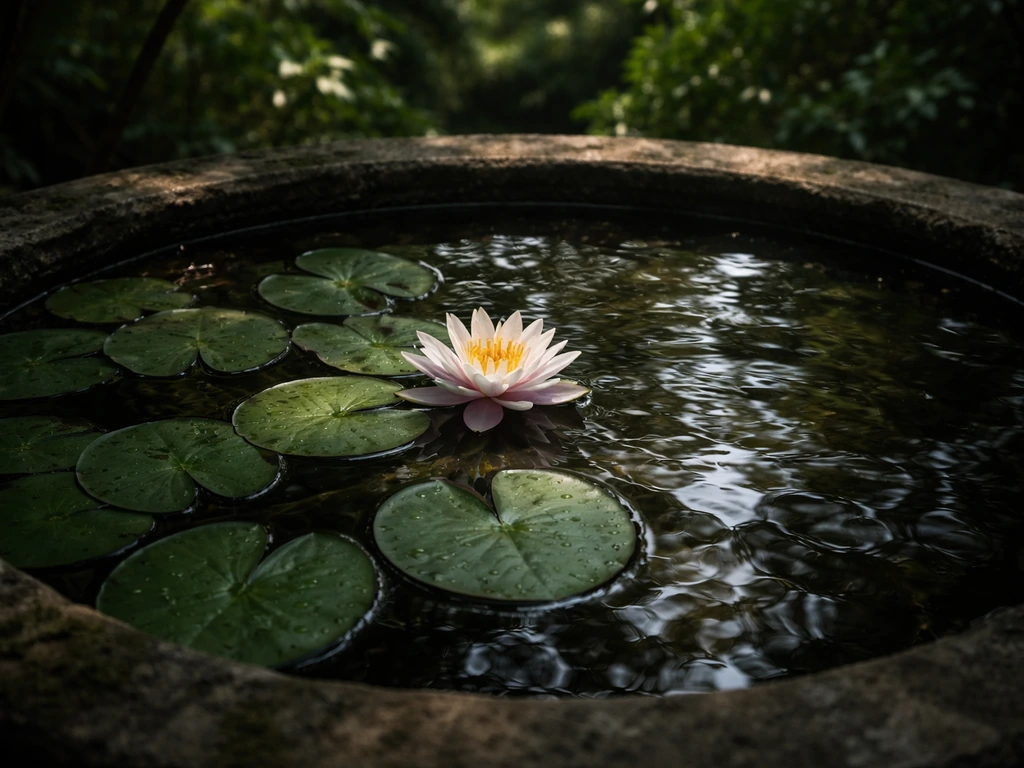
When most gardeners ask about growing water lilies without sunlight, they're usually talking about one of a few real-world situations: a shaded pond or patio, an indoor container, a cloudy climate where direct sun rarely shows up, or a setup entirely dependent on grow lights. True zero-light conditions, like a dark basement with no supplemental lighting, will kill a water lily. The plant needs light for photosynthesis, period. But 'no sunlight' often really means 'very low natural light,' and that's a different problem with a workable solution.
A spot under a shade cloth, beneath a tree canopy, or inside a bright room near a south-facing window isn't the same as no light. It might only be getting 2 to 3 hours of diffused or indirect light, which is still not enough for blooming but may keep the plant alive and growing pads slowly. Indoors, even a bright windowsill rarely delivers the intensity a water lily wants. Cloudy climates like the Pacific Northwest or the UK can be especially frustrating because the light hours are there, but the intensity drops so low on overcast days that the plant barely registers it.
How to grow water lilies with limited light
The minimum light target you should aim for is 4 to 6 hours of direct or strong artificial light per day. Below 4 hours, most varieties will stall: pads may emerge but stay small, and flowers are very unlikely. Some shade-tolerant hardy cultivars like 'Somptuosa' are documented to bloom with just 4 hours of sunlight, which makes them the best starting point if your outdoor spot is partially shaded.
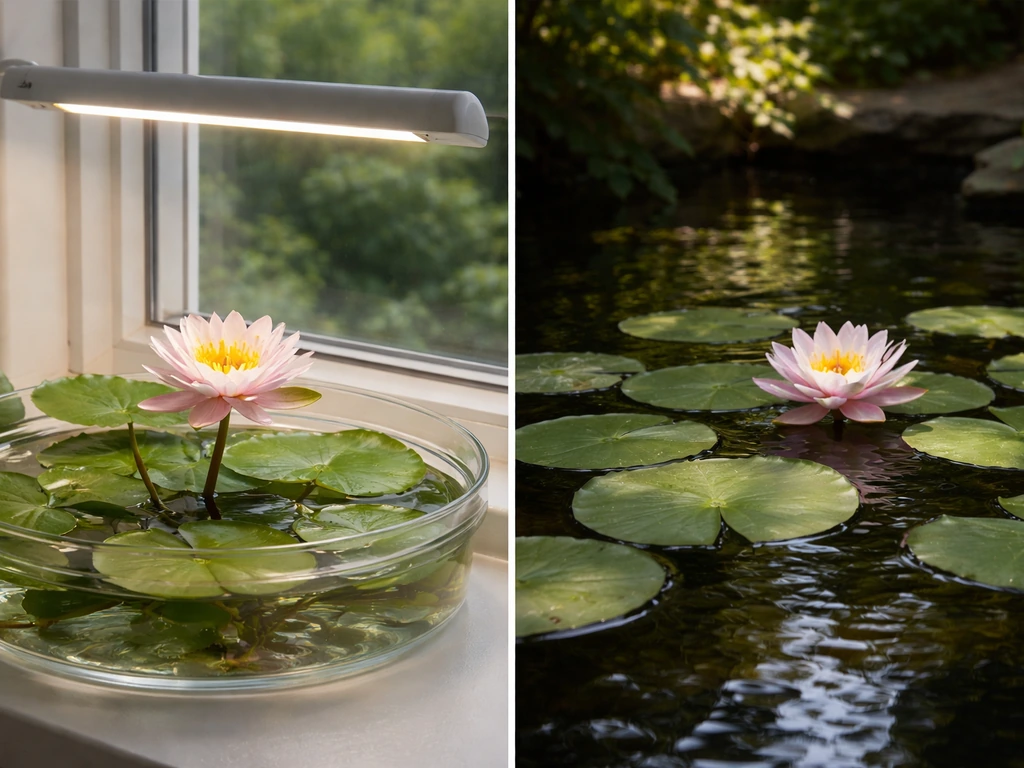
For indoor or artificial light setups, full-spectrum LED grow lights are your best option. They run cool enough to position close to the water surface (12 to 18 inches above the pads is a reasonable starting point) and they deliver the wavelengths water lilies actually use. Aim for at least 2,000 to 3,000 lux at the water surface, and run the lights for 12 to 14 hours per day to compensate for the lower intensity compared to outdoor sun. A timer makes this effortless. One thing to watch: water lilies are not low-light houseplants. Even the most shade-tolerant variety is stretching its limits indoors, so your grow light needs to be genuinely strong, not just decorative.
- Use full-spectrum LED grow lights rated for aquatic or pond plants if possible
- Position lights 12 to 18 inches above the floating pads
- Run lights 12 to 14 hours daily on a timer
- Aim for at least 2,000 to 3,000 lux at the water surface
- Choose shade-tolerant hardy cultivars like 'Somptuosa' for the best chance of blooming
- Supplement with any available natural light, even indirect, to reduce the burden on artificial lighting
The other non-negotiables: light isn't the only thing
Even if you nail the light, a water lily will underperform or fail if the other basics aren't right. Water temperature is a big one. Hardy water lilies start growing when water temperatures reach about 60°F (15°C) and thrive between 65°F and 75°F. Tropical water lilies need warmer water, typically above 70°F (21°C), to really get going. Indoors, this is actually easier to manage since room temperature water stays reasonably stable.
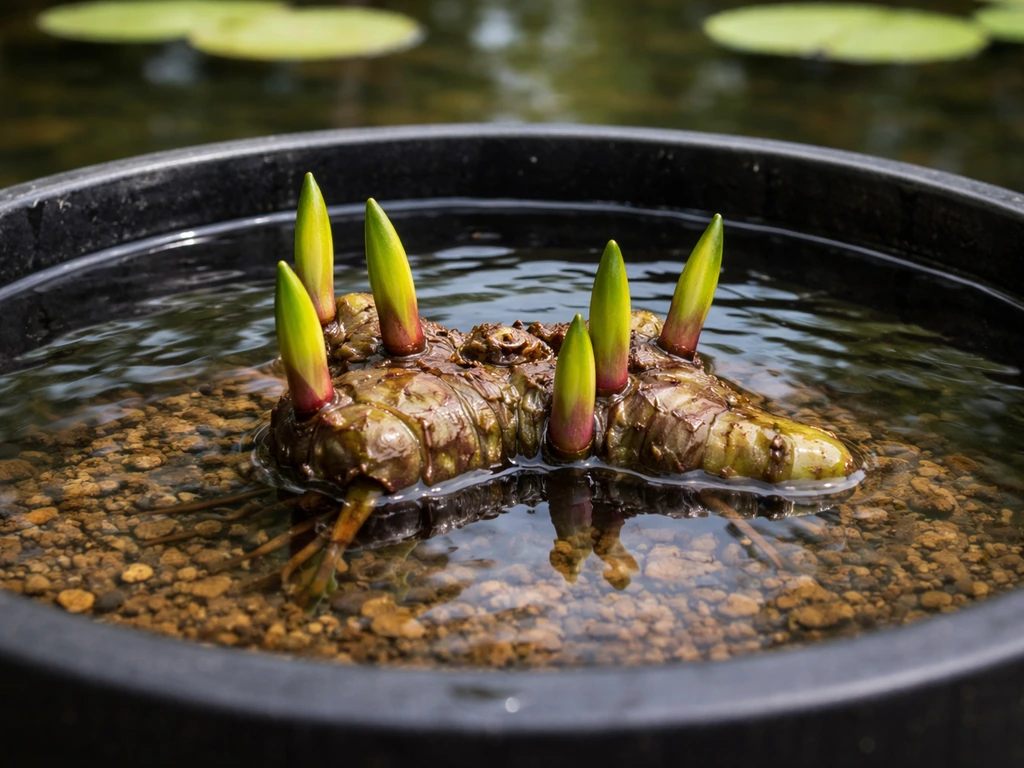
Water depth matters too. The RHS recommends placing the crown of a water lily so it sits under 6 to 10 inches (15 to 25 cm) of water, with young leaves floating freely at the surface. Too deep and the plant wastes energy growing stems instead of pads and flowers. Too shallow and the roots can overheat in direct sun or in a container under a grow light.
Substrate and nutrients are also critical, especially in containers. If you are wondering whether water lilies need soil, the short answer is about having the right planting medium and feeding them properly rather than using standard potting soil do you need soil to grow water lilies. Whether or not a water lily can grow in mud depends on how it affects light, oxygen, and rooting space Substrate and nutrients are also critical. Can lilies grow in sandy soil depends on whether you can anchor them well and still provide nutrients, because water lilies need a suitable aquatic substrate to thrive. Water lilies are heavy feeders. Planting them in heavy loam or aquatic planting mix (not standard potting soil, which floats and clouds the water) and using slow-release aquatic fertilizer tablets every 3 to 4 weeks during the growing season makes a real difference in performance. If you're comparing this to growing them without soil entirely, that's a different challenge, but for most container and pond setups, a good heavy substrate in a basket is the standard approach.
One more thing: avoid moving water directly over the plant. Water lilies don't like fountain spray or strong water circulation hitting their leaves. A still or gently filtered pond is fine; a fountain pointed at the lily is not.
Hardy vs. tropical water lilies: different expectations under low light
This distinction really matters when light is limited. Hardy water lilies are more forgiving overall. They go dormant in winter, they tolerate cooler water, and as mentioned, some cultivars can push out blooms with just 4 hours of sun. If you're working with a shaded pond or a marginal light situation, hardy varieties are where to start. Tropical water lilies, on the other hand, demand more: they need warmer water, they typically need closer to 6 to 8 hours of strong light to bloom well, and they're less likely to be forgiving of a dim setup.
| Feature | Hardy Water Lilies | Tropical Water Lilies |
|---|---|---|
| Minimum light to survive | 3 to 4 hours | 4 to 6 hours |
| Minimum light to bloom | 4 hours (shade-tolerant cultivars) | 6 hours preferred |
| Water temperature needed | 60°F+ (15°C+) | 70°F+ (21°C+) |
| Low-light tolerance | Moderate: some cultivars manage | Low: struggles without strong light |
| Indoor/grow light viability | Possible with strong LED setup | Difficult; not recommended for beginners |
| Winter dormancy | Yes: dies back, re-sprouts in spring | No: needs warm conditions year-round |
| Best for shaded setups | Yes | Not ideal |
If you're growing indoors under artificial light, start with a shade-tolerant hardy variety. Tropical water lilies are better suited to full-sun outdoor ponds in warm climates, not a container under a grow light in a living room.
When your water lily isn't growing: what to check
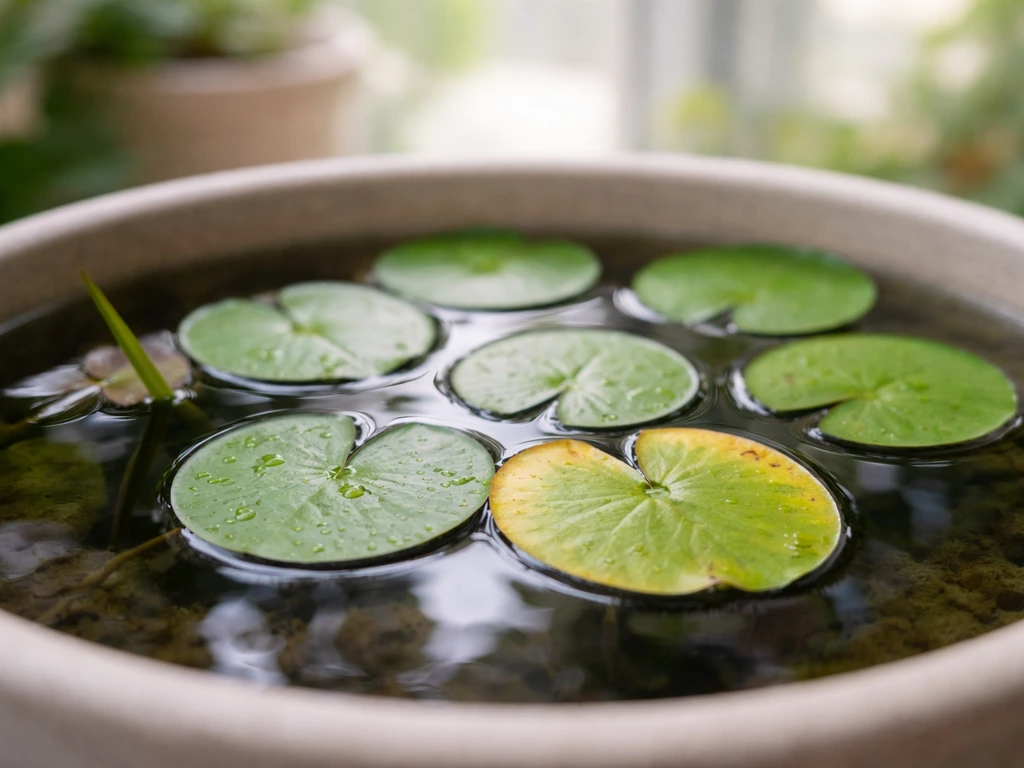
If your plant is stalling, yellowing, or refusing to bloom, light is the most common culprit, but not always the only one. Here's how to work through it systematically.
Yellowing leaves
Yellow pads usually mean one of three things: not enough light, nutrient deficiency, or water that's too cold. Check your light hours first. If you're below 4 hours of direct or grow-light intensity, that's likely the issue. If light seems adequate, check when you last fertilized. Water lilies in containers deplete nutrients fast, and pale or yellow leaves are a classic sign they're hungry. Push an aquatic fertilizer tablet into the substrate near the roots and see if new growth comes in greener.
No blooms
This is the most frustrating one, and low light is the number one reason. According to University of Missouri Extension guidance, water lilies can survive in less than 6 hours of light but flowering will be diminished. If you're getting pads but no buds, count your actual light hours honestly, including whether that light is direct or just bright indirect. Shade from nearby trees, buildings, or a pergola can cut effective hours dramatically. If you're under 4 hours, don't expect flowers. If you're at 4 to 6 hours with a shade-tolerant cultivar, you may get sporadic blooms. Under 4 hours, you're in survival mode, not flowering mode.
Slow or no new growth
If pads aren't emerging or are staying tiny, check water temperature first, especially early in the season. Hardy water lilies won't really push growth in cold water below 60°F. If temperature is fine, revisit light and nutrients together. A plant that's getting poor light and no fertilizer is going to sit there doing almost nothing.
Algae taking over
Algae blooms in a water lily container or pond often mean the lily isn't doing its job: covering the water surface to shade out the algae below. That usually happens because the plant is too stressed (low light, too deep, not enough nutrients) to produce enough pads. Fix the underlying growing conditions for the lily and it will often shade out the algae naturally. Adding algae treatments on top of a stressed lily doesn't solve the root cause.
Your next steps depending on your situation
If your spot gets fewer than 4 hours of light and you can't supplement with grow lights, be honest with yourself: water lilies are not the right plant for that spot. Water lilies do not grow in desert sand because they need consistently submerged, nutrient-rich, oxygenated water and enough light for photosynthesis. A shaded pond or container can support other aquatic plants, but water lilies need real light to perform. If you are wondering whether can water lilies grow in gravel, the short answer is that they need the right planting substrate and nutrients, not just any loose stones. Water lilies naturally grow from aquatic plants and do not grow on land the way many pond plants do. If you can manage 4 to 6 hours, switch to a shade-tolerant hardy cultivar and lower your expectations around flowering frequency. You'll get some blooms in a good season, not a spectacular show.
If you're going the indoor route, invest in a proper grow light rather than hoping a windowsill will be enough. Set it on a timer for 12 to 14 hours, keep water depth at 6 to 10 inches over the crown, maintain water temperature above 65°F, and fertilize monthly during the growing season. Start with a hardy shade-tolerant variety. Give it one full growing season before concluding it isn't working. Water lilies are slow to establish, and a plant that's adjusting to a new environment will often look unimpressive for the first several weeks before it settles in and starts pushing growth.
- Count your actual light hours honestly, including intensity, not just time the sun is up
- Switch to a shade-tolerant hardy cultivar if you're working with 4 to 6 hours
- Add a full-spectrum LED grow light if indoors or if natural light is below 4 hours
- Check water temperature: at least 60°F for hardy types, 70°F for tropicals
- Set planting depth at 6 to 10 inches of water over the crown
- Fertilize with aquatic fertilizer tablets every 3 to 4 weeks during the growing season
- Give the plant a full season before deciding the setup isn't working
FAQ
What counts as “sunlight” for water lilies, is bright shade enough?
For growth and especially flowering, you need strong light. Bright shade or indirect light can keep a lily alive and slowly grow pads, but it usually will not trigger buds. When you measure, think in terms of direct or clearly strong artificial light at the water surface, not just how bright a room or pond looks.
Can I keep a water lily alive in a dark area and just move it outside later?
Usually not reliably. If it gets near-zero light for more than a short period, the plant loses the ability to make enough energy and its stored reserves drop. If you must temporarily relocate, do it before it stalls for weeks, and make the new spot consistent for at least a full establishment cycle.
How close should a grow light be, and how do I know it is strong enough?
Positioning is a starting point (about 12 to 18 inches above the pads). The practical check is whether the lily is actively producing new pads rather than only stretching. If it stretches or stays pale, increase intensity or reduce distance, and make sure the photoperiod is long enough (12 to 14 hours with a timer).
Do water lilies need direct sunlight, or will morning-only sun work?
Morning-only sun can work if the total effective light still reaches the minimum range. Water lilies care about daily light dose, so a site that gives 4 to 6 hours of strong light can be enough for certain hardy cultivars, even if it is not afternoon sun.
If my lily is making pads but no flowers, what should I check first besides light?
Check water temperature and feeding schedule. If the water is too cold for the season, growth slows and bud formation is suppressed, and if container nutrients are depleted, the plant may focus on leaf growth only. Use aquatic fertilizer tablets in the planting medium, not regular potting fertilizer.
What happens if the plant gets too much artificial light or the lights stay on 24/7?
Most indoor setups perform best with a fixed daily cycle. Running lights continuously can stress the plant or disrupt its normal rhythm, and it can also fuel algae if the lily has not yet established enough surface coverage. Stick to a timer and the recommended photoperiod.
Can I use a window alone if my room is very bright?
Sometimes you can keep a lily alive, but blooming is unlikely because windows rarely provide the intensity and uniform light water lilies want. If you try it anyway, expect slow growth, monitor for stalling, and be prepared to switch to a stronger full-spectrum LED setup.
My pond has a fountain or strong filter flow, will that affect low-light performance?
Yes. Even with correct lighting, splashing and strong circulation over the leaves can weaken the lily. If light is already marginal, the extra stress can tip the plant into stalling, so keep water movement gentle around the lily.
How deep should the crown be in low-light or indoor setups?
Keep the crown about 6 to 10 inches below the surface, with leaves able to float freely. Too much depth can waste energy, which becomes a bigger problem when light is limited. Too shallow can overheat the roots, especially near intense lamps.
What is the most common mistake when growing water lilies indoors under lights?
Using a decorative or weak grow light, or relying on an untimed light. Many “plant lights” do not deliver enough intensity at the water surface, so the plant stalls. Use a full-spectrum LED intended for growing, position it appropriately, and run it on a timer for 12 to 14 hours.
How long should I wait before deciding the low-light setup is failing?
Give it one full growing season or at least several months. Water lilies are slow to establish, especially indoors, so early weeks can look unimpressive. If there is zero pad expansion and color keeps worsening after you correct light, temperature, and nutrients, then troubleshoot again.
Citations
RHS-style summary from Missouri Botanical Garden: “Most water lilies will require at least 6–8 hours of direct sunlight.”
https://www.missouribotanicalgarden.org/Portals/0/Kemper%20Gardens/Fact%20Sheets/Water%20Lilies%20for%20Home%20Gardeners%202020.pdf
University of Missouri Extension advises ponds should receive a “minimum of six hours of direct sunlight every day”; water lilies can survive in less light but “their flowering will be diminished.”
https://ipm.missouri.edu/meg/2017/5/Water_Lilies/
Aquascape (nursery/retailer guidance) states some hardy water lily varieties “can bloom… with as little as four hours of sunlight per day.” It also lists cultivar-level sunlight requirements (e.g., “Somptuosa – 4 hours sun”).
https://support.aquascapeinc.com/hc/en-us/articles/48372803037076-Shade-Tolerant-Waterlilies
Vinland Valley Nursery: water lilies “require sun with a minimum of six hours of direct sunlight every day”; plants may survive in less light but “flowering will be diminished.”
https://vinlandvalleynursery.com/plant/nymphaea-albatross/
RHS states to plant in/with “full sun to promote flowering.” It also gives planting depth guidance: place the crown under “15–25 cm (6–10 in) of water,” with young leaves floating at the surface.
https://www.rhs.org.uk/plants/waterlilies/growing-guide
Missouri Botanical Garden warns against “deep shade” and indicates that while some water lilies can tolerate partial shade (4–6 hours), deep shade reduces performance; it emphasizes avoiding deep shade.
https://www.missouribotanicalgarden.org/Portals/0/Kemper%20Gardens/Fact%20Sheets/Water%20Lilies%20for%20Home%20Gardeners%202020.pdf
Next Articles
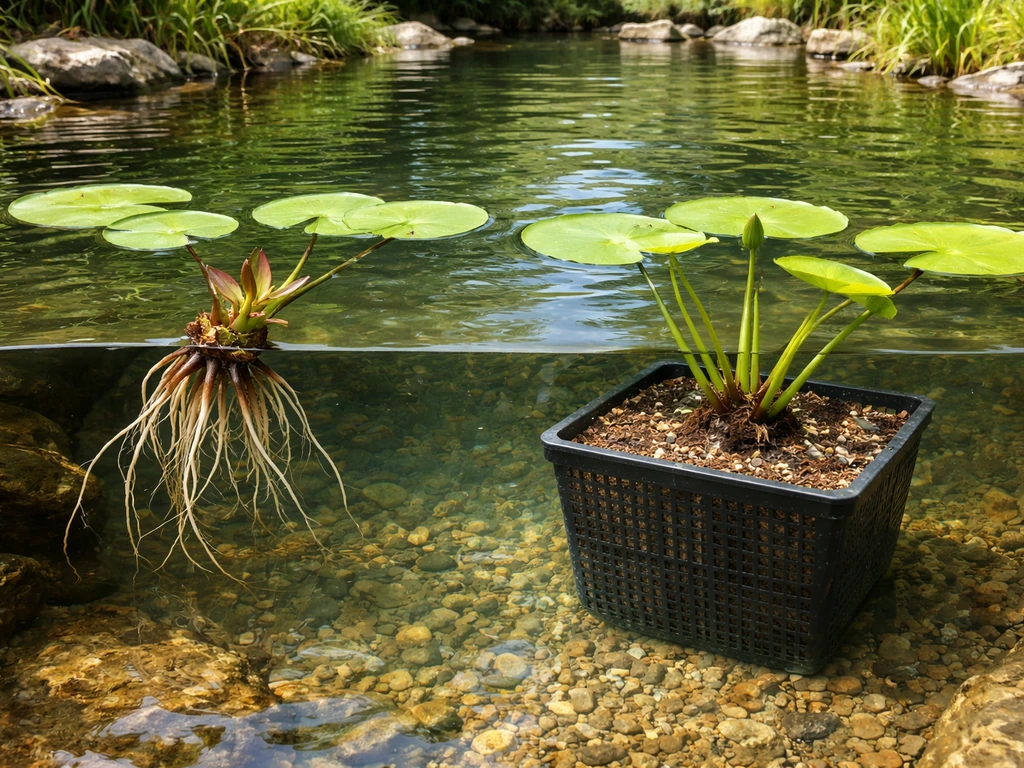
Do You Need Soil to Grow Water Lilies? What Works
Do water lilies need soil or just bare roots? Learn best substrate for ponds, containers, and how to plant correctly.
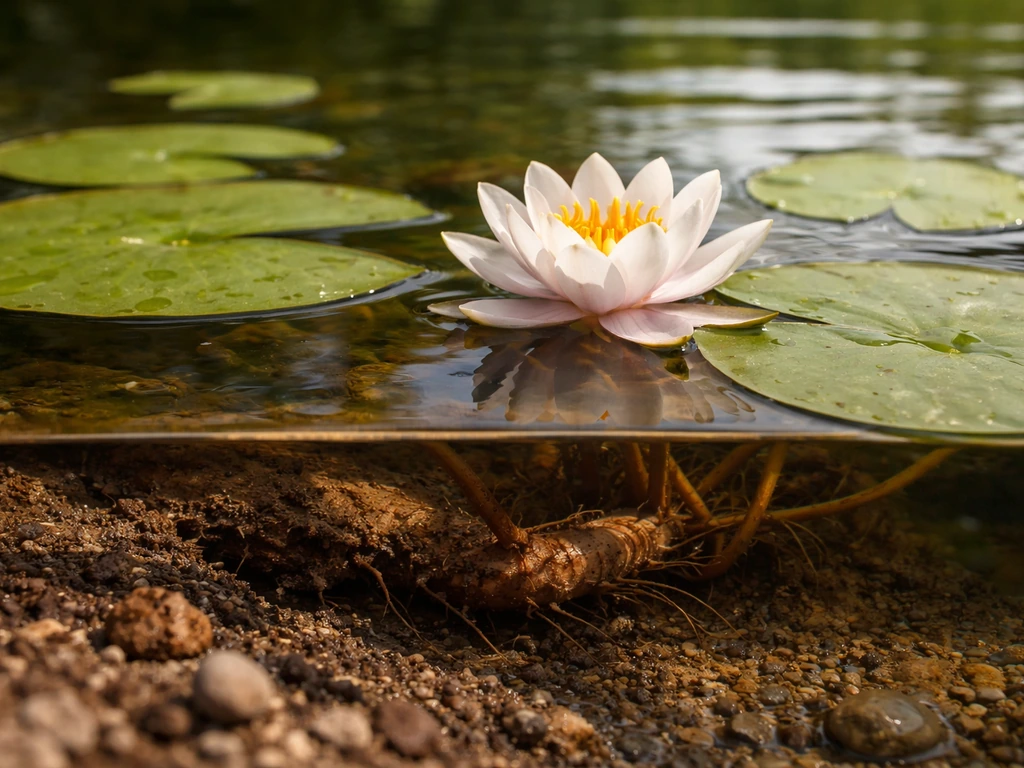
Does Water Lily Grow on Land? What to Know and Do
Learn if water lilies grow on land, how to mimic pond edges, and what sun, depth, and substrate they need.
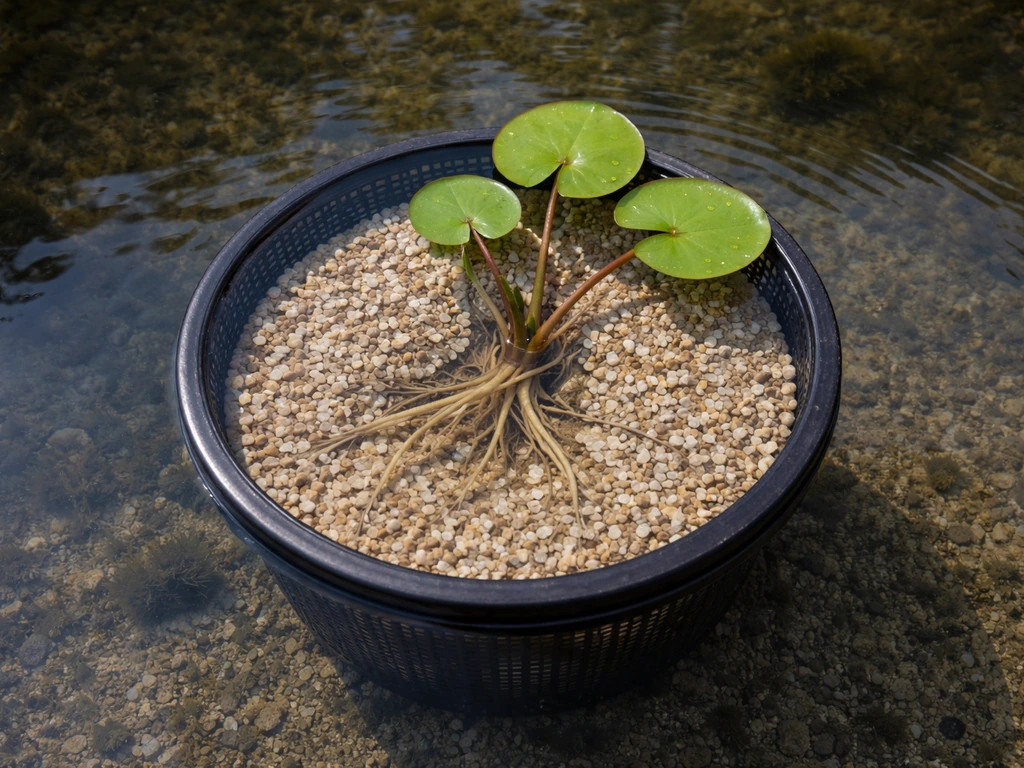
Can Water Lilies Grow in Gravel? Setup and Care Guide
Learn if water lilies can grow in gravel and how to set up, plant, and troubleshoot a reliable rooting system.