
Water lilies cannot grow on dry land. They are aquatic plants that root in submerged soil and need standing water above their rhizomes to survive. That said, "land" is not a single thing, and if you mean wet mud, a boggy pond edge, or a shallow container filled with water, the answer gets more nuanced. If you are wondering about light in particular, water lilies will not grow well without sufficient sunlight can water lily grow without sunlight.
Does Water Lily Grow on Land? What to Know and Do
Marcus Hendricks
4 May 2026
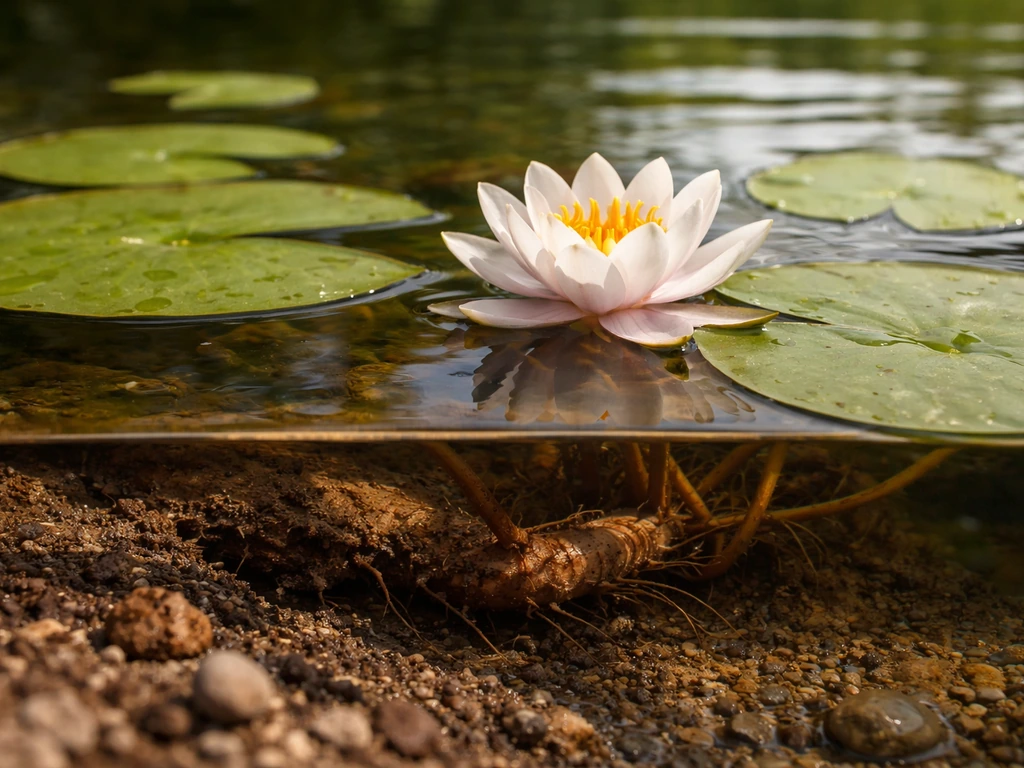
Can lilies grow in sandy soil? They need actual standing water over the root zone, so sandy soil alone is not enough. A water lily sitting in saturated mud at the edge of a pond might hang on for a while, but it will not thrive the way it does with 6 to 18 inches of water above its roots. Fully dry soil will kill one quickly, sometimes within days in warm weather.
Water lilies vs. land growth: the core issue
Water lilies (Nymphaea and related genera in the family Nymphaeaceae) are built from the ground up for aquatic life. Their rhizomes sit anchored in the bottom of a pond, lake, or container, and their long petioles push leaves and flowers up to the water surface. The whole plant structure assumes there is water above the root zone at all times. This is not just a preference, it is the architecture of the plant. Those long petioles flex and extend depending on water depth, and the floating leaves need contact with water to stay buoyant and functional. Without water above the roots, the plant cannot regulate temperature, the leaves collapse, and the rhizome desiccates.
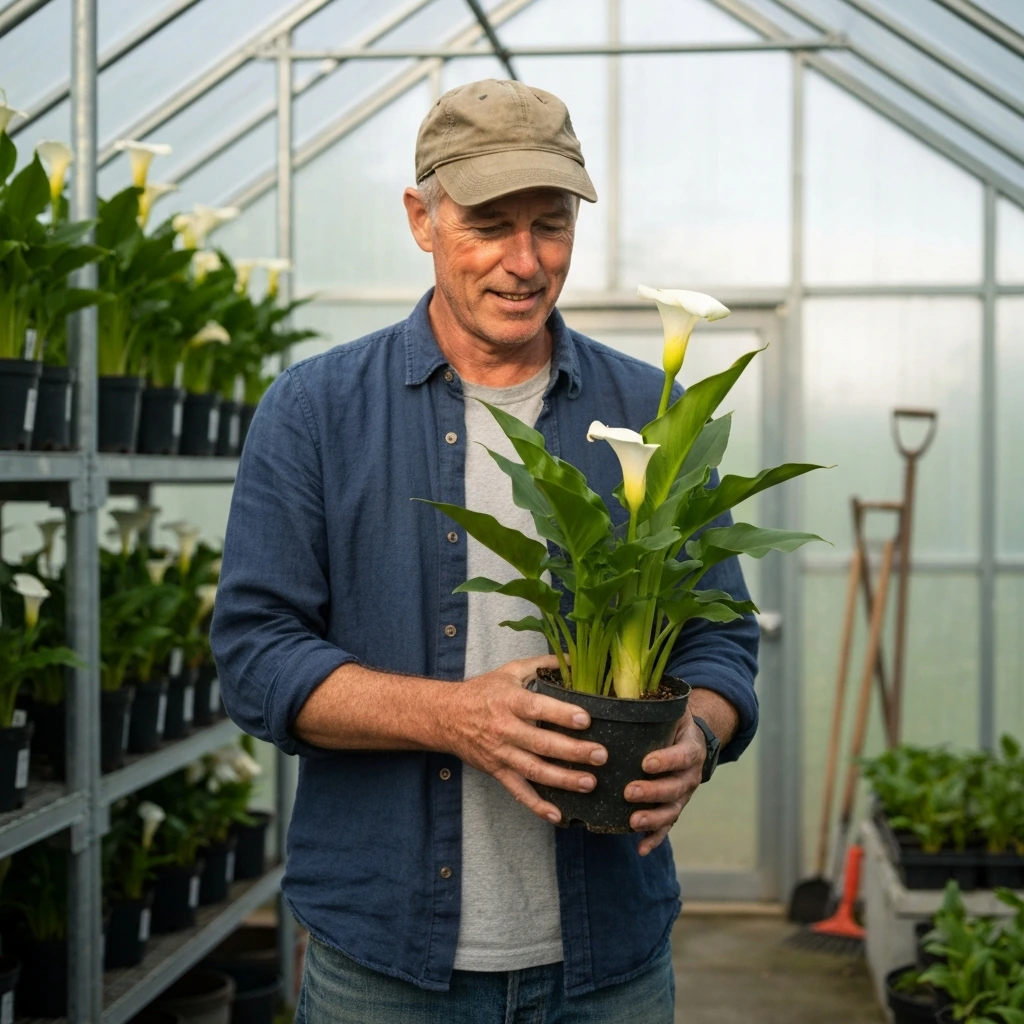
A quick word on naming: a lot of gardeners searching "does water lily grow on land" are actually thinking about peace lilies, calla lilies, or daylilies, all of which get called "lilies" but have completely different requirements. Peace lilies grow in containers in moist potting soil, calla lilies can grow in garden beds, and daylilies are tough terrestrial perennials. If one of those is what you actually have, the rules are entirely different. This article is specifically about true water lilies.
Why water lilies need aquatic conditions
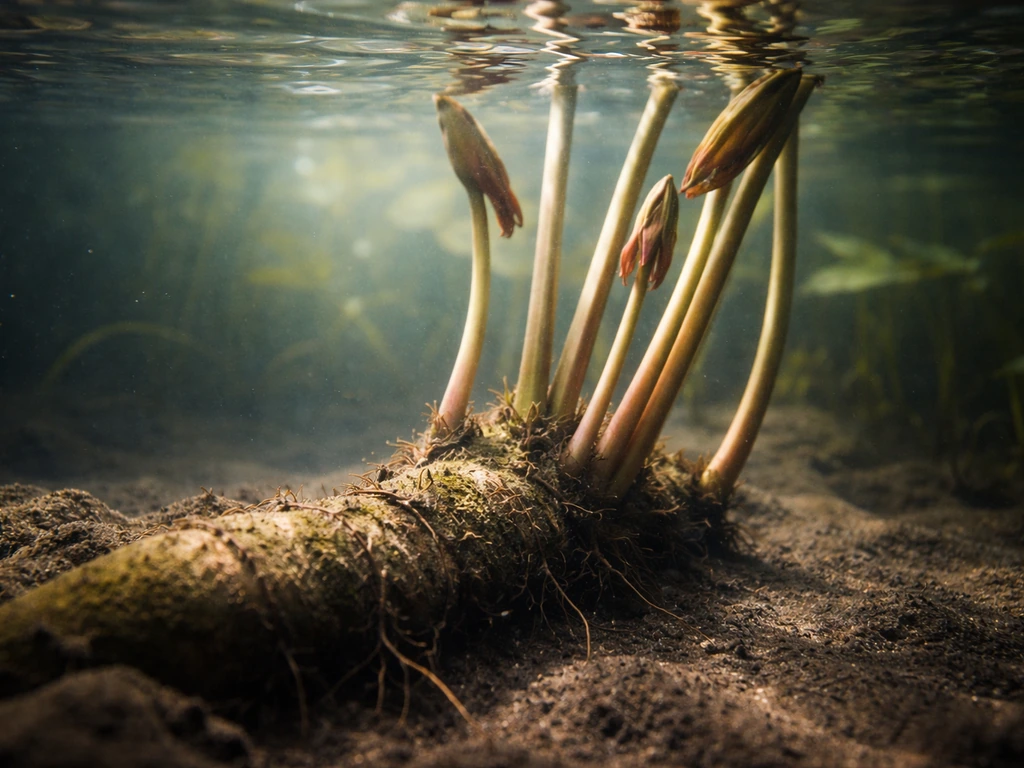
The rhizome of a water lily is not like a typical garden bulb that can sit in moist soil and push up a shoot. It is designed to be submerged. Water moderates temperature around the rhizome, prevents it from drying out, delivers dissolved oxygen through the plant's aerenchyma tissue, and allows the long petioles to extend freely toward the light. On land, even very wet land, the rhizome is exposed to air fluctuations, temperature swings, and dehydration stress that it is simply not equipped to handle. That is why water lilies do not grow in desert sand because they lack the constant standing water their rhizomes need to stay hydrated and function normally.
Interestingly, water levels in natural ponds do fluctuate. In shallower systems, leaves sometimes become elevated above the surface or even partially exposed during dry seasons. The plant can tolerate brief exposure, but "tolerating" is not the same as thriving. The moment that rhizome starts to dry out or bake in the sun, you are on a clock. In consistent aquatic conditions, the rhizome spreads laterally and anchors firmly, which is exactly what you want to support a season of blooms.
Wet soil and pond edges: survival vs. actually thriving
Here is where I want to be honest with you: a water lily planted at a pond edge in saturated mud might survive, especially if water occasionally creeps up over the rhizome. In other words, do water lilies grow in mud? Yes, you generally do need soil to grow water lilies, but it must be submerged with standing water above the roots for best results do water lilies grow in mud? .
They can sometimes survive in saturated mud at the margins, but they do far better with standing water above the roots wet soil. I have seen this in natural settings where pond margins stay constantly saturated and water levels fluctuate just a few inches. But "surviving" looks like yellowing leaves, stunted growth, and zero flowers. Thriving looks like round, glossy pads floating on the surface and flowers opening in the morning sun.
You are not going to get that in wet soil without actual standing water above the plant.
If you are interested in planting at the margins of a water feature, marginal aquatic plants like iris, cattails, or pickerelweed are far better suited to that wet-soil zone. Water lilies belong in the deeper planting zone of your pond, not at its edge. This distinction matters especially if you are designing a container water garden or a backyard pond and trying to figure out what goes where.
Growing water lilies without a pond (containers, depth, and substrate)
No pond? No problem, as long as you can provide a container that holds water. This is genuinely one of the most beginner-friendly setups once you understand the basics. I have grown water lilies successfully in large black rubber tubs, half-barrels with a liner, and even repurposed livestock tanks. The key numbers to keep in mind are container size, water depth, and soil depth.
Container and water depth
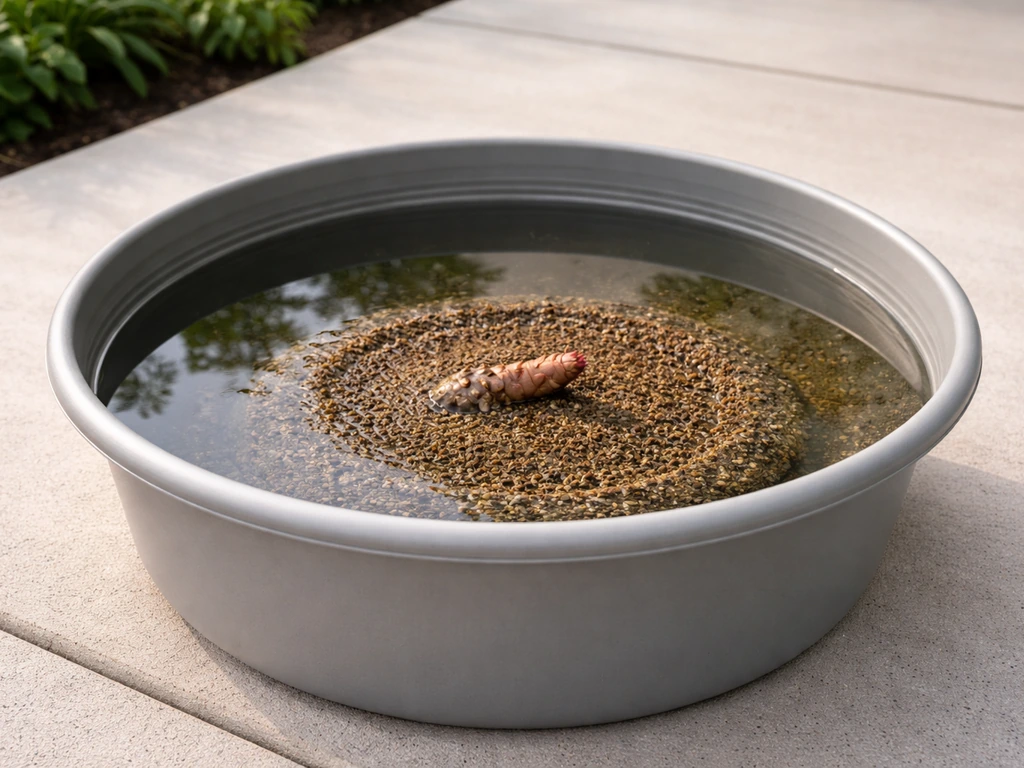
For a dwarf or miniature water lily variety, a container that holds at least 15 to 25 gallons of water is workable. Standard varieties want something in the 50-gallon-plus range. The water depth above the top of the planting pot should be somewhere between 6 and 18 inches depending on the variety: dwarf types prefer the shallower end (6 to 12 inches), while larger tropical and hardy varieties can handle 12 to 18 inches or even a bit more. The plant will adjust the length of its petioles to reach the surface, so giving it room to grow is not a bad thing.
Substrate and planting
Use a wide, shallow pot rather than a tall, narrow one because water lily roots spread laterally, not downward. A container about 6 to 8 inches deep with a diameter of 12 to 18 inches works well for most standard varieties. Fill it with heavy clay-based soil or a mix specifically sold for aquatic plants. Do not use regular potting mix: it floats, depletes oxygen, and makes a mess.
Top the soil with a thin layer of pea gravel to keep it from clouding the water. Using pea gravel is fine for the top layer, but it still needs the water lily’s roots to sit under standing water to grow properly. Set the rhizome horizontally just under the soil surface with the growing tip angled slightly upward and toward the center of the pot. Then submerge the whole pot in your water container.
This is essentially a pond-in-miniature, and it works really well.
If you are curious about growing water lilies without traditional soil at all, or in gravel or other substrates, those are separate questions worth exploring on their own, but the short version is that some substrate is always needed to anchor the rhizome and provide nutrients.
Light, temperature, and water quality basics
Water lilies are sun-hungry plants. Most varieties need a minimum of 6 hours of direct sunlight per day to bloom reliably, and 8 hours is better. I have tried growing them in partial shade thinking they would manage, and I got plenty of leaves but not a single flower. If your container spot gets less than 6 hours of sun, pick a different plant. There are some varieties marketed as shade-tolerant, but even those want at least 4 to 5 hours.
Temperature matters a lot, and this is where the hardy versus tropical distinction becomes important for gardeners in cooler climates. Hardy water lilies (most Nymphaea hybrids sold in garden centers) can tolerate cooler water and will go dormant over winter if left outdoors in colder zones, generally Zone 4 through Zone 10. Tropical water lilies are showier and often fragrant, but they need water temperatures above 70 degrees Fahrenheit to grow actively and will die if exposed to frost. If you are in Zone 7 or colder and want to keep a tropical variety, you need to bring it indoors or treat it as an annual.
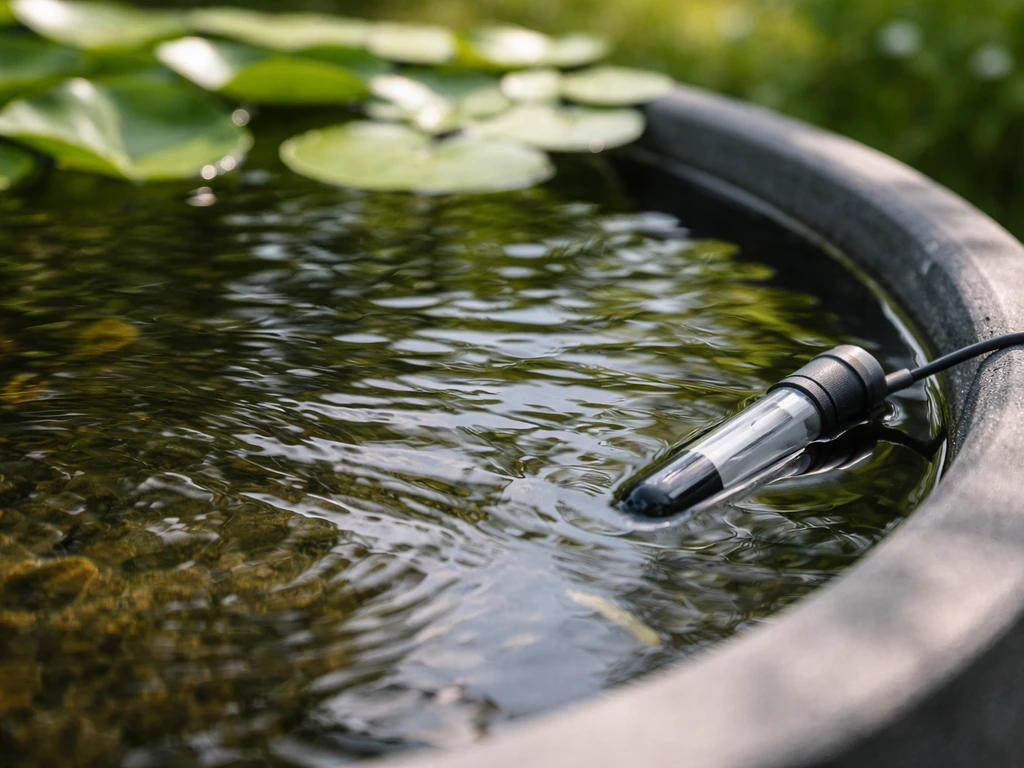
Water quality in a container setup degrades faster than in a large pond, so you need to stay on top of it. Avoid letting the water stagnate completely. A small solar-powered pump or fountain head can help with circulation. Fertilize with aquatic plant tablets pushed into the soil (not dissolved in the water) every 3 to 4 weeks during the growing season. Keep the water topped up as it evaporates, and remove yellowing leaves promptly to reduce organic buildup.
Common mistakes that cause water lilies to decline
I have made most of these mistakes personally, so consider this a field-tested list rather than a textbook warning.
- Letting the container water level drop too low so the rhizome is no longer submerged: this is the fastest way to kill a water lily, especially in summer heat. Check your water level every few days.
- Not enough sunlight: water lilies in shade produce leaves but rarely bloom, and the plant slowly weakens.
- Using regular potting mix instead of aquatic or clay-based soil: potting mix floats to the surface, clouds the water, and rots around the rhizome.
- Planting the rhizome vertically instead of horizontally: it should lie nearly flat with just the growing tip exposed.
- Fertilizing with regular granular fertilizer dissolved in the water: this causes algae explosions and can burn the plant. Use aquatic fertilizer tablets pressed into the substrate.
- Skipping dormancy management for hardy varieties in cold climates: if you leave a hardy water lily in a shallow container outdoors where the water can freeze solid, the rhizome will die. Move it to a frost-free location or submerge it below the freeze line.
- Choosing a large tropical variety for a small container: it will quickly outgrow the space, the roots will circle and become pot-bound, and flowering will stop.
Choosing the right lily for your garden
If you have read this far and you are not sure whether a water lily is actually the right plant for your situation, here is a straightforward comparison. The most common confusion is between water lilies and other plants that share the "lily" name but are completely terrestrial.
| Plant | Grows in water? | Soil type | Light needs | Best for |
|---|---|---|---|---|
| Water lily (Nymphaea) | Yes, required | Aquatic clay or loam, submerged | 6+ hours direct sun | Ponds, water containers, water features |
| Peace lily (Spathiphyllum) | No (will rot) | Moist, well-drained potting mix | Low to medium indirect light | Indoor containers, shady spots |
| Calla lily (Zantedeschia) | Tolerates wet soil | Moist garden soil or shallow water edge | Full sun to part shade | Garden beds, boggy borders, containers |
| Daylily (Hemerocallis) | No | Average to well-drained garden soil | Full sun preferred | Borders, slopes, low-maintenance gardens |
| Asiatic/Oriental lily (Lilium) | No | Well-drained, slightly acidic soil | Full sun | Cutting gardens, mixed borders |
If you have a pond or a large container and at least 6 hours of sun, a water lily is a fantastic choice and honestly easier than many people expect once the setup is right. If you do not have a dedicated water feature and you just want a flowering plant for a garden bed or indoor pot, you will be much happier with a calla lily, daylily, or peace lily depending on your conditions. Trying to force a water lily into a terrestrial setup is a frustrating path that almost always ends in a dead plant.
A quick decision framework
- Do you have a pond or can you set up a large water container (50+ gallons for standard varieties)? If yes, water lilies are worth trying.
- Can you provide 6 or more hours of direct sunlight at that location? If no, reconsider or choose a shade-tolerant aquatic plant instead.
- Are you in Zone 6 or colder? Start with a hardy water lily variety, not a tropical one, unless you can bring it indoors for winter.
- Do you want flowers in the first season? Plant in spring once water temperatures reach at least 60 degrees Fahrenheit for hardy types, or 70 degrees for tropicals.
- No water feature at all and no plans to set one up? Go with a daylily for sun or a peace lily for shade. You will get flowers with far less setup.
FAQ
If the soil is always wet, can a water lily survive on land without submerging the rhizome?
Usually no, because “wet” land still means the rhizome is exposed to air, temperature swings, and drying between waterings. Even when it limps along in saturated mud, you will typically see collapsed leaves and no flowers once the rhizome starts to desiccate. For healthy growth you need standing water over the root zone, not just dampness.
What’s the difference between “margins,” “shallow water,” and “deep planting” for water lilies?
Margins are the edge area that may be saturated but often doesn’t keep consistent standing depth, water lilies are happiest a bit farther in where the rhizome stays covered. As a practical rule, place them so there is at least 6 inches of water above the planting pot top for most varieties, and avoid locations where the rhizome would be uncovered during low-water periods.
How much water exposure can a water lily handle during drought or a sudden drop in pond level?
Brief exposure can be tolerated, but the limit is mostly set by how quickly the rhizome dries. If the rhizome warms in direct sun or dries out for more than a short window, decline usually starts with yellowing leaves and then stalling growth. If you can predict low water, reposition or add water before the rhizome becomes exposed.
Can I grow a water lily in a large planter on my patio as long as I water it frequently?
Frequent watering generally still won’t work, because the rhizome would alternate between saturated and air-exposed conditions. The reliable patio method is to submerge the planted pot in a container that holds standing water at the right depth above the pot, essentially recreating pond conditions rather than treating it like a normal outdoor planter.
Why does my “water lily” in wet soil not flower, even if it seems alive?
The two most common causes are insufficient sun hours and inadequate standing depth over the root zone. If the rhizome is too close to the surface or only damp, plants often produce leaves but no blooms. Also double-check you truly have a true water lily, since many “lily” plants marketed online have terrestrial requirements.
Do water lilies need nutrients only from the soil, or can I fertilize the water instead?
For container water gardens, fertilizing through the soil using aquatic plant tablets pushed into the planting substrate is usually more effective than dissolving nutrients directly in the water. Direct-dissolved fertilizer can contribute to algae and uneven uptake, especially in small containers where water quality degrades faster.
What water depth should I choose if I’m using a container and I am not sure which variety I have?
If you cannot identify the variety, start with a mid-range approach: aim for about 12 inches of water above the top of the planting pot in a container. Dwarf types tolerate shallower conditions, but starting too shallow increases the chance the rhizome nears the air during warm weather or evaporation. It’s easier to adjust depth upward than to reverse rhizome drying.
Can I plant a water lily directly into pond bottom sediment without a pot?
Often you can, but only if the pond bottom is consistently submerged beneath a stable standing-water depth. In ponds with big water-level fluctuations, unpotted rhizomes may dry out at the margins. If your pond margin tends to drop or expose soil, using a pot helps you control planting depth more precisely.
If water lilies can’t grow on land, why do some pictures show them near shorelines?
Those are usually margins with consistently flooded conditions, or shore areas where the rhizome stays covered for most of the season. In natural ponds you may see some leaves above water when water is low, but that does not mean the rhizome was growing in dry ground. The key is whether the root zone remains submerged, even if the pads look close to the edge.
Next Articles
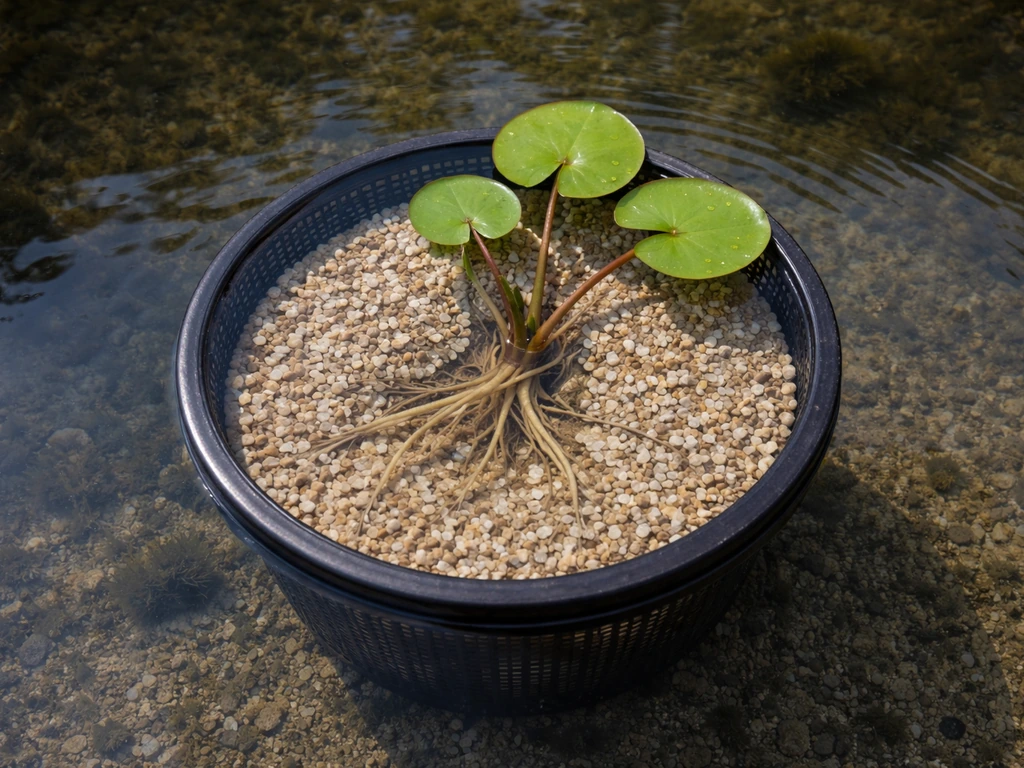
Can Water Lilies Grow in Gravel? Setup and Care Guide
Learn if water lilies can grow in gravel and how to set up, plant, and troubleshoot a reliable rooting system.
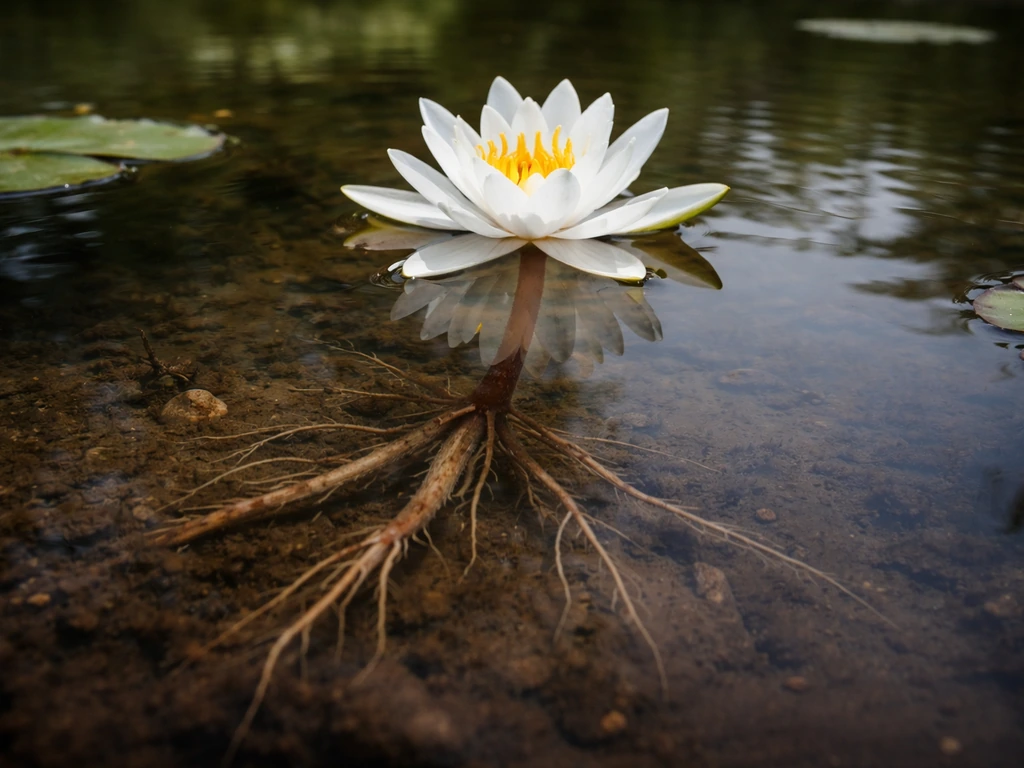
Do Water Lilies Grow in Mud? Planting and Care Guide
Yes. Learn how to plant water lilies in pond mud or substrate, fix dirty water issues, and troubleshoot growth problems.
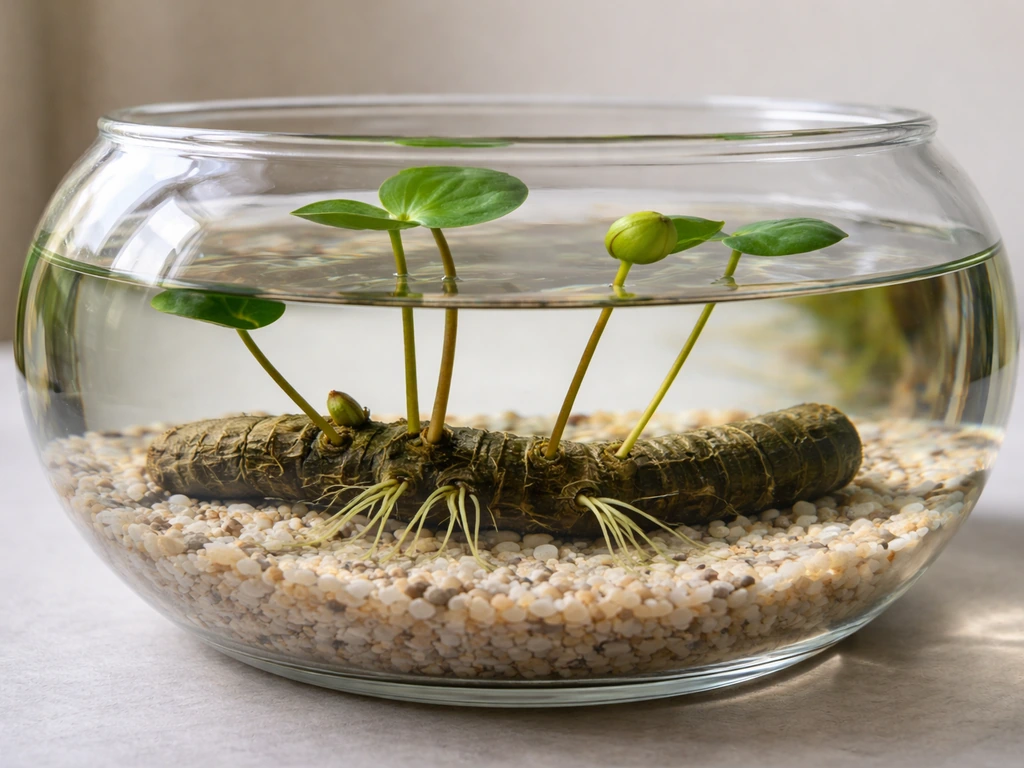
Can Water Lily Grow Without Soil? Bowl Step-By-Step Guide
Learn if water lilies can grow without soil and follow a bowl step-by-step method with light, depth, water quality, and