
Yes, water lilies can grow in gravel, but not with gravel as their sole rooting medium. Gravel works as a surface cap over a proper soil-filled basket or container. The real growing medium needs to be a heavy clay loam or aquatic planting soil with a neutral to slightly alkaline pH of around 7 to 8. Gravel's job is to hold that soil in place, keep fish from digging up your rhizomes, and stop the soil from clouding your pond water. Skip the soil underneath and plant directly into gravel alone, and your water lily will stall, starve, and eventually die.
Can Water Lilies Grow in Gravel? Setup and Care Guide
Marcus Hendricks
3 May 2026
What gravel actually does (and doesn't do) for water lilies
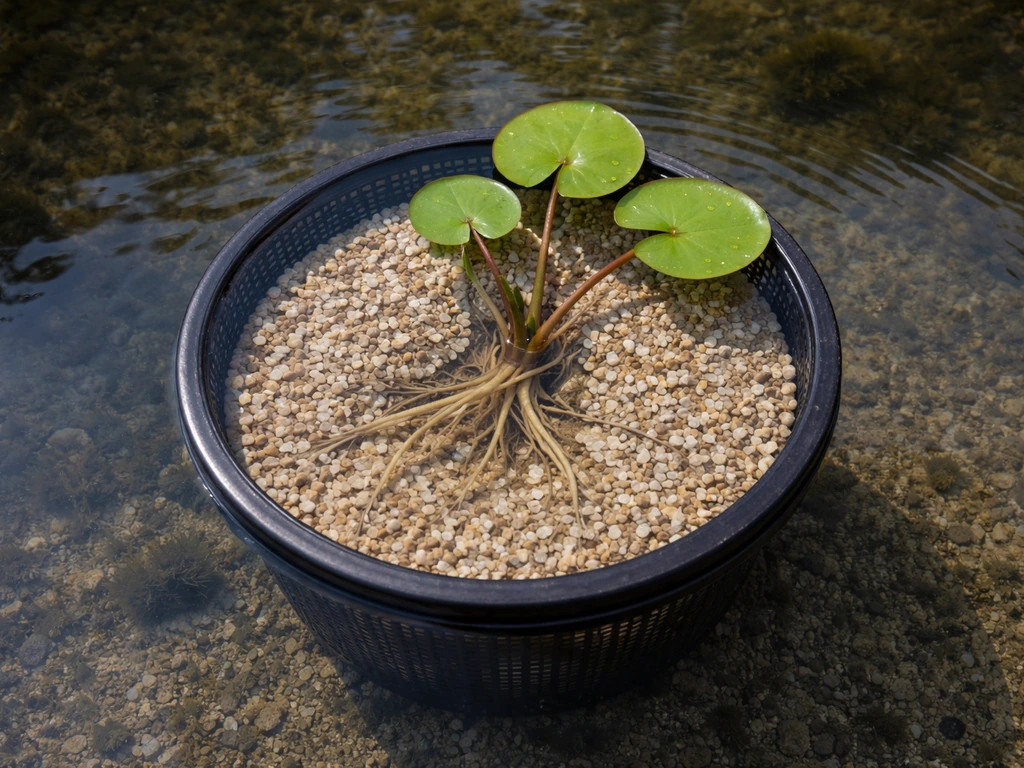
Gravel has no meaningful nutrient content. Water lilies are heavy feeders, and their roots need something they can anchor into and draw nutrients from. That's why every reliable source, from Utah State University Extension to Nelson Water Gardens, recommends the same basic system: a basket or pot filled about three-quarters full with heavy clay-based topsoil or packaged aquatic soil, fertilizer tablets pressed into the soil near the rhizome, and then a gravel cap on top. The gravel layer is purely functional. It locks in the soil, keeps it from washing into the water, and protects the rhizome from disturbance.
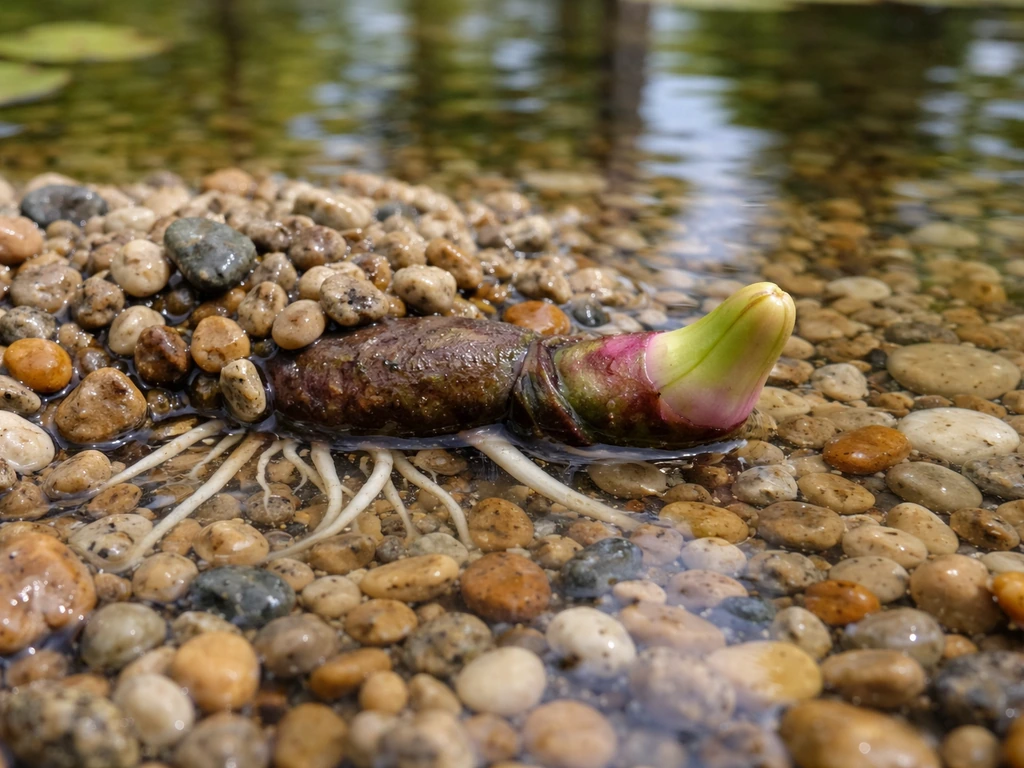
There's one critical rule: never cover the growing tip of the rhizome with gravel or soil. The crown needs to stay exposed to the water above it. Bury that growing point and the plant can't push new growth upward. It will rot. I've seen beginners do this and wonder why their lily looked fine for a week and then just... stopped.
Best gravel setup: size, depth, and layering
Pea gravel is the go-to choice. It's smooth enough not to damage roots, small enough to form a tight cap, and widely available. For the gravel layer itself, you want about half an inch to one inch on top of the soil. Some gardeners use a thin sand layer first (about half an inch) and then add a half to one inch layer of pea gravel over that, which creates an even tighter barrier against soil escaping. Some gardeners also wonder whether lilies can grow in sandy soil, and the answer depends on whether you use the right soil-filled basket and keep nutrients available to the rhizome. A single one-centimeter gravel cap works fine in smaller setups, especially if fish aren't a factor.
The basket or pot itself should be wide rather than deep. Water lilies spread horizontally, so a broad container gives the rhizome room to grow outward. For hardy water lilies, a basket with sides around 30 to 45 cm (12 to 18 inches) works well for most varieties. Fill it to about three-quarters with your soil medium, set the rhizome at roughly a 45-degree angle with the cut end toward the container wall and the growing tip pointing toward the center and slightly upward, then press in your fertilizer tablets (typically 3 to 5 Osmocote slow-release tabs depending on basket size), and top with your gravel cap.
Water conditions and filtration: what your pond needs to support this
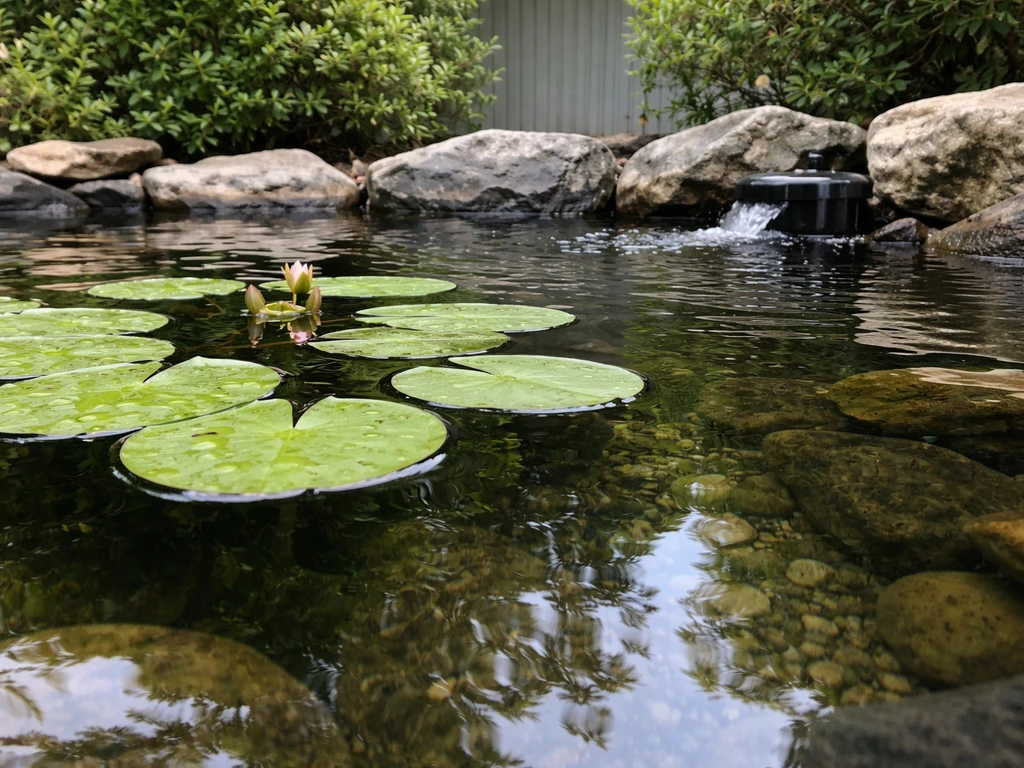
Water lilies prefer still or very slow-moving water. A strong fountain or waterfall directed across the lily's growing area will stress it and inhibit flowering. That said, some gentle circulation is beneficial for the pond's health overall, just keep the current away from the lily baskets themselves.
Biological filtration matters more than most beginners realize. Even if your pond looks clear, ammonia can build up to harmful levels without a functioning biological filter converting it. A gravel-capped basket won't protect your lily if the surrounding water chemistry is off. Good biological filtration is non-negotiable for a healthy pond system, gravel substrate or not.
The soil medium inside your basket should have a neutral to slightly alkaline pH, around 7 to 8. If you're using a general-purpose clay loam, test it before planting. Aquatic planting mixes sold at pond suppliers are usually already in the right range. Avoid potting mixes with perlite, vermiculite, or bark, as these float out through the gravel cap and foul the water.
How to plant water lilies in gravel: step by step
- Choose a wide, shallow basket or aquatic planting container with mesh sides (this allows water exchange while holding the soil).
- Line the basket with burlap if the mesh is coarse, to prevent soil loss from the sides.
- Fill the basket about three-quarters full with heavy clay loam or packaged aquatic soil. Do not use regular potting mix.
- Press 3 to 5 slow-release aquatic fertilizer tablets (such as Osmocote) into the soil near where the rhizome will sit, close to the edges of the basket.
- Set the rhizome at a 45-degree angle with the cut or older end near the container wall and the growing tip angled toward the center and slightly upward. Keep the growing tip above the soil surface.
- Firm the soil gently around the rhizome without covering the growing tip.
- Add a thin layer of washed sand (about half an inch) over the soil surface if desired, then top with a half to one inch layer of pea gravel. Leave the growing tip fully exposed.
- Slowly lower the basket into the pond so the growing tip is at least 6 to 8 inches below the water surface. For new plants, start with 8 to 12 inches of water above the top of the basket to help establishment.
Light and temperature: the non-negotiables
Water lilies are sun-hungry plants. Hardy varieties need a minimum of 6 hours of direct sunlight per day to grow well and flower. Less than that and you'll get leaves but few or no blooms. Tropical water lilies are equally demanding of sun and are even less forgiving of cold water. If your pond is shaded by trees or a building for half the day, a water lily is going to disappoint you regardless of what substrate you use. However, water lilies do not grow on land; they require pond conditions with their roots anchored in submerged soil does water lily grow on land.
Temperature is where hardy and tropical types split significantly. Hardy water lilies start putting out leaves when water temperature climbs to around 60°F (15°C). You can expect blooms from mid-May onward in most temperate zones, continuing through summer until the first hard freeze. Tropical water lilies need warmer water, ideally above 70°F (21°C) before you put them back in the pond after winter storage. Drop a tropical into cool spring water and it will sit there doing nothing, or worse, begin to rot at the rhizome. The RHS recommends acclimating tropicals in water around 15 to 18°C (59 to 64°F) minimum before full outdoor placement, but they truly thrive and flower only in warmer conditions.
Common problems in gravel-grown water lilies and how to fix them
Plant floats or won't stay anchored
This usually means the rhizome wasn't firmed into the soil properly before the gravel cap went on, or the gravel layer is too thin and buoyant forces are lifting the rhizome. Press the rhizome more firmly into the soil before gravel capping, and place a few larger rocks around the edge of the basket surface (not on the growing tip) until the roots establish and anchor the plant naturally.
Leaves stalling or growing very slowly
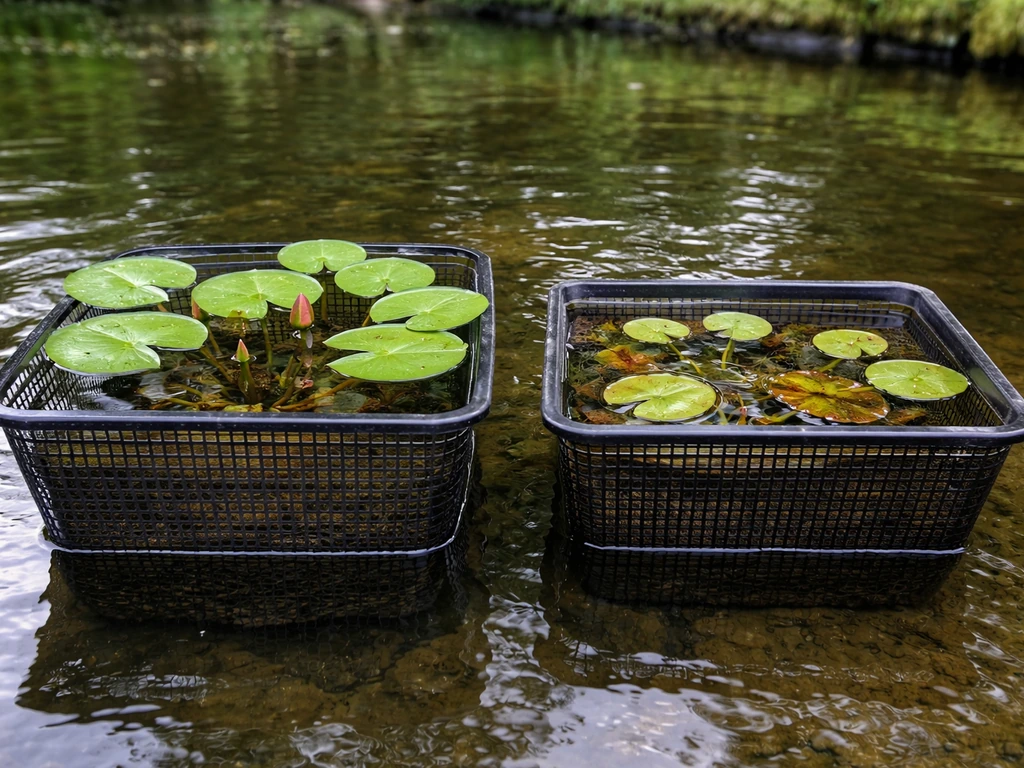
Two likely causes: incorrect water depth or cold water. If the basket is placed too shallow (say, only 15 cm of water above a 20 cm basket), the lily will barely grow. Slow-release fertilizer tablets also release very little in cold water, so early-season stalling in spring is normal. Wait for water temperatures to rise before worrying. If it's mid-summer and growth is still sluggish, check that the basket isn't too deep for a newly planted lily, and confirm your fertilizer tablets are actually in the soil and not just sitting under the gravel.
Leaves rising above the water surface
Aerial leaves that stand up out of the water instead of floating flat on the surface usually mean the water depth is too shallow, or the plant is pot-bound and congested. Try moving the basket deeper. If the plant has been in the same basket for two or more years, it's probably time to divide the rhizome and repot into a larger container.
Rhizome rot
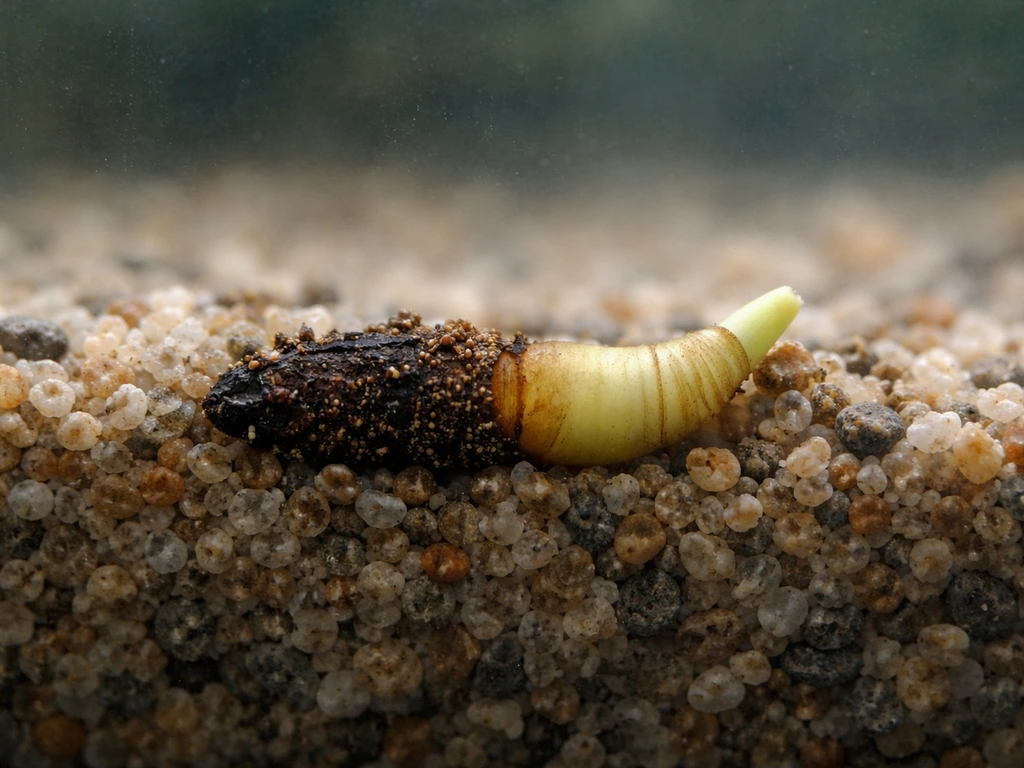
This is almost always caused by burying the growing tip under gravel or soil, planting into cold water too early in the season, or using a soil mix that compacts and becomes anaerobic. Remove the basket, trim away any soft or blackened rhizome sections back to firm tissue, let it dry briefly in the air, and replant with the crown fully exposed above the gravel surface.
Cloudy water or algae blooms
Soil leaching through the gravel cap is the typical culprit for cloudiness shortly after planting. A thin sand layer under the gravel helps significantly. Persistent algae, especially in still water, points to a filtration or nutrient imbalance issue. Once your water lily establishes and its leaves shade a good portion of the pond surface, algae competition typically drops on its own.
Hardy vs tropical water lilies: which one fits your gravel setup
The gravel-cap basket method works equally well for both hardy and tropical types. The difference comes down to your climate, pond size, and how much seasonal work you want to do.
| Feature | Hardy Water Lilies | Tropical Water Lilies |
|---|---|---|
| Cold tolerance | Survive winters in zones 4 and up if submerged below the freeze line | Need frost-free conditions; must be overwintered indoors in most climates |
| Minimum water temp to plant out | Around 60°F (15°C) | Above 70°F (21°C) |
| Bloom season | Mid-May through first freeze in temperate zones | Later start, but can bloom day or night depending on variety |
| Pond size fit | Miniature to large ponds; good variety of sizes available | Generally need more space; fewer compact varieties |
| Gravel setup difficulty | Straightforward; forgiving of minor depth errors | Same setup, but less forgiving of cold water and temperature swings |
| Recommended for beginners? | Yes | Only in warm climates or with indoor storage capability |
For most home gardeners in temperate climates, start with a hardy variety. They're more forgiving during establishment, they overwinter in the pond without any fuss in zones 4 and above (as long as the rhizome stays below the ice line), and there's a huge range of sizes from miniature varieties suited to a half-barrel water garden to spreaders that cover 6 feet of pond surface. Tropical water lilies are worth it if you're in a warm climate (zones 9 to 11), want night-blooming varieties, or are willing to bring them in for winter storage.
Your pre-planting readiness checklist
Before you lower that basket into the pond, run through this checklist. It covers the most common reasons gravel-system water lilies fail right out of the gate. In fact, water lilies do not grow in desert sand because they need a nutrient-rich, soil-like medium held in place and consistently wet to support their rhizomes.
- Basket is wide and shallow, not narrow and deep, sized appropriately for your lily variety
- Soil medium is heavy clay loam or packaged aquatic soil, not standard potting mix
- Soil pH is between 7 and 8 (neutral to slightly alkaline)
- Fertilizer tablets (3 to 5 slow-release tabs) are pressed into the soil near the rhizome, not just dropped on top
- Gravel cap is half an inch to one inch of pea gravel, with the rhizome's growing tip fully exposed above it
- Pond water temperature is at or above 60°F for hardy lilies, or above 70°F for tropical types
- Planting site receives at least 6 hours of direct sunlight daily
- Basket will sit at a depth where 8 to 12 inches of water covers the top of the basket (for new plants)
- Biological filtration is running and established in your pond
- Water flow or fountain is not directed across the lily's growing area
If all of those boxes are checked, you have a genuinely solid foundation for a water lily that roots in quickly, grows strongly, and blooms reliably. The gravel isn't doing the hard work here, the soil underneath it is. If you want to know whether water lilies need soil, the short answer is that they do need a growing medium like aquatic planting soil or heavy clay loam inside a basket. Think of the gravel as the finishing layer that makes the whole system hold together underwater.
FAQ
Can I plant a water lily directly into gravel in a pond, without using a basket or pot?
You can, but it usually fails. Gravel has almost no nutrients, and the rhizome needs a soil-like growing medium that stays put. If you skip the container or soil-filled basket, you also lose control of pH and fertilizer placement, so growth often stalls and the rhizome can rot.
If gravel alone won’t work, can I use sand instead of soil under the gravel cap?
Thin sand under the gravel can help reduce cloudiness, but it is not a replacement for a real growing medium. The basket still needs heavy clay loam or an aquatic planting mix so the rhizome can anchor and access nutrients. Treat sand as a barrier layer, not the main medium.
What pH range is safest when I am using a soil-filled basket with a gravel cap?
Aim for neutral to slightly alkaline, about pH 7 to 8. If your soil is more acidic or your local water chemistry is very soft or acidic, test and adjust the planting mix. Water lilies tolerate some variation, but consistent nutrient uptake depends on that mild alkalinity.
How do I know the fertilizer tablets are positioned correctly?
Push the tablets into the soil medium in the basket near the rhizome, not into the gravel layer. If tablets end up under a thick cap without contact to the soil, nutrient release can be delayed and uneven, especially in cold water, leading to weak early-season growth.
What gravel size should I buy for the cap layer?
Use pea gravel (smooth, small stones) for the cap. Avoid very sharp or large chunks that create gaps where soil can escape, and avoid excessively fine gravel that can compact and restrict root movement. Also keep the cap thin enough (about half inch to 1 inch) so it does not lift or buoy the rhizome.
Can fish dig up the rhizome even with a gravel cap?
Yes, fish can still disturb rhizomes if the soil medium is loose or if the basket is not properly secured. The gravel cap helps, but a firm soil pack, correct rhizome orientation, and sometimes a sturdy basket rim or cover are the difference between “stayed planted” and repeated uprooting.
My lily sends leaves but never flowers, what should I check first?
Start with light. If the lily gets less than about 6 hours of direct sun, it may grow foliage without flowering. Next, confirm water depth and fertilizer placement, since both can limit the energy the plant needs for blooms even when it looks healthy.
Why does the growing tip sometimes rot after planting in a gravel-cap basket?
Most cases are caused by burying the crown or growing point under gravel or soil, or placing the basket into cold water too early. If rot happens, remove the basket, trim back to firm tissue, and replant so the crown stays exposed to the water above the gravel surface.
How deep should the basket sit in the pond for best establishment?
For many home pond setups, the “just right” depth depends on the basket height and the variety, but newly planted lilies often fail when they are too shallow. A common rule of thumb is to provide enough water above the basket so the rhizome stays in stable temperatures, but not so deep that light and warmth are insufficient for growth.
Does pot-bound growth affect water lilies in gravel systems?
Yes. If the lily has been in the same basket for two years or more, root crowding can limit leaf spread and reduce blooms. Division and repotting into a larger basket is typically the fix, even if the gravel cap is intact and the growing tip was planted correctly.
What should I do if the water clouds after I install the gravel-cap basket?
Cloudiness right after planting is often soil leaching through the cap. Use a thin sand layer under the gravel next time (about half inch) and ensure the soil is packed firmly and not crumbly. If cloudiness persists beyond the early establishment period, check filtration and overall pond nutrient balance.
Next Articles
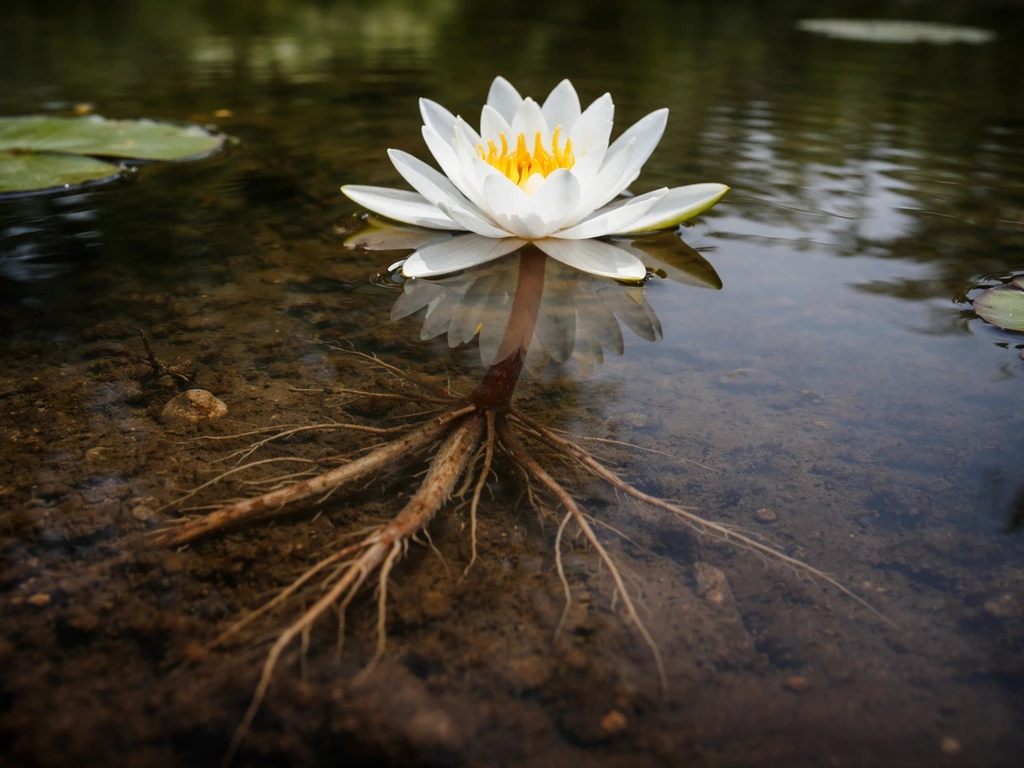
Do Water Lilies Grow in Mud? Planting and Care Guide
Yes. Learn how to plant water lilies in pond mud or substrate, fix dirty water issues, and troubleshoot growth problems.
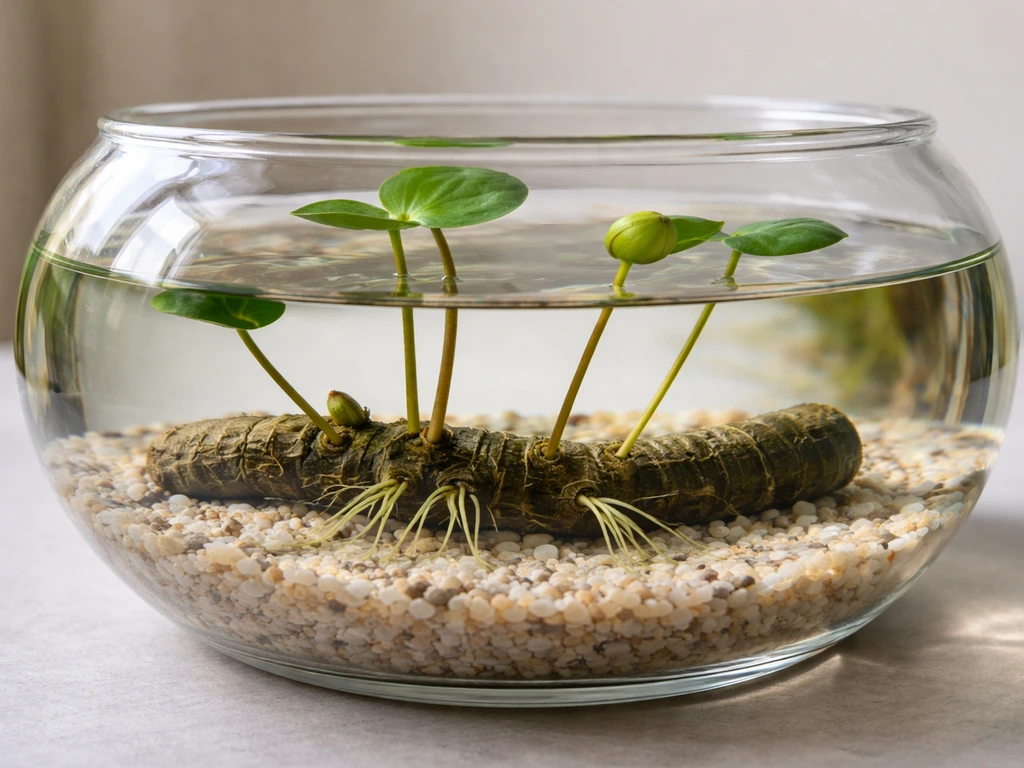
Can Water Lily Grow Without Soil? Bowl Step-By-Step Guide
Learn if water lilies can grow without soil and follow a bowl step-by-step method with light, depth, water quality, and
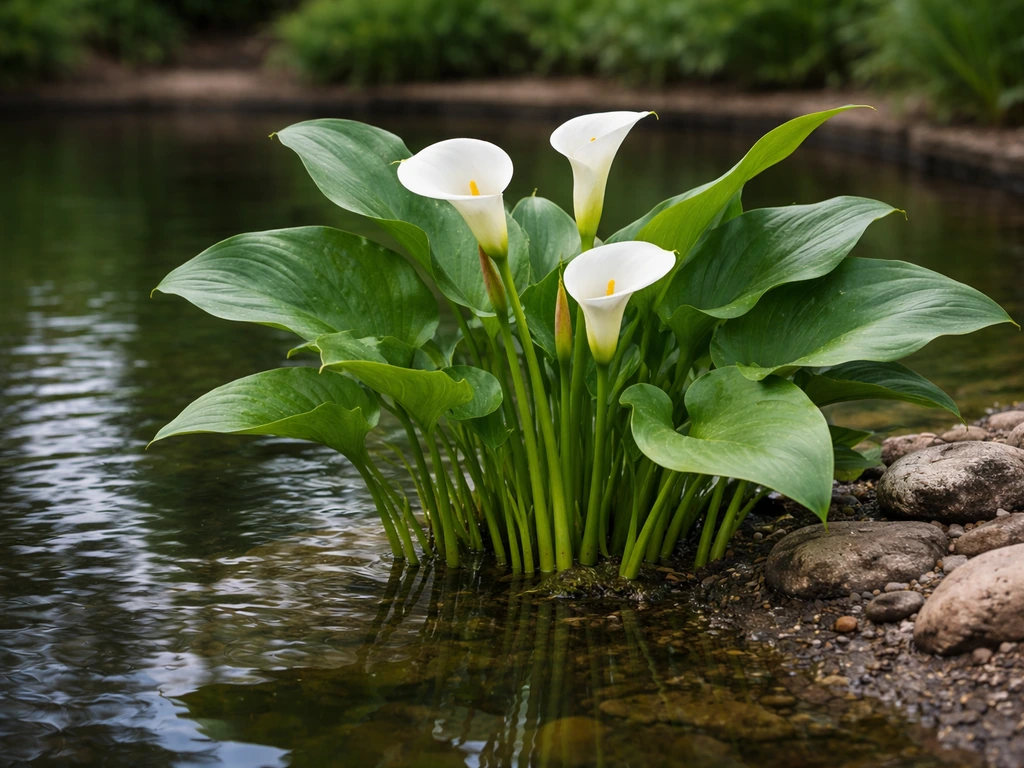
Can Calla Lilies Grow in Ponds? How to Set Up Successfully
Yes, with the right setup: water depth, substrate, anchoring, light, and overwinter care for pond or marginal calla lili