
Yes, water lilies need something to root into, but it's not garden soil or potting mix. That is why water lilies cannot grow in desert sand because there is not enough moisture-holding, nutrients, or stable, heavy substrate for the roots and rhizomes. What they actually need is a heavy, nutrient-rich substrate, think pond mud, aquatic compost, or specially formulated aquatic planting media, packed into a basket or container that sits at the bottom of the pond or water garden. You can't just drop a water lily rhizome into bare water and expect it to thrive. But you also can't grab a bag of regular potting mix from the hardware store and call it done. The right substrate makes all the difference between a lily that flowers all summer and one that sulks and never gets going.
Do You Need Soil to Grow Water Lilies? What Works
What water lilies use instead of 'garden soil'
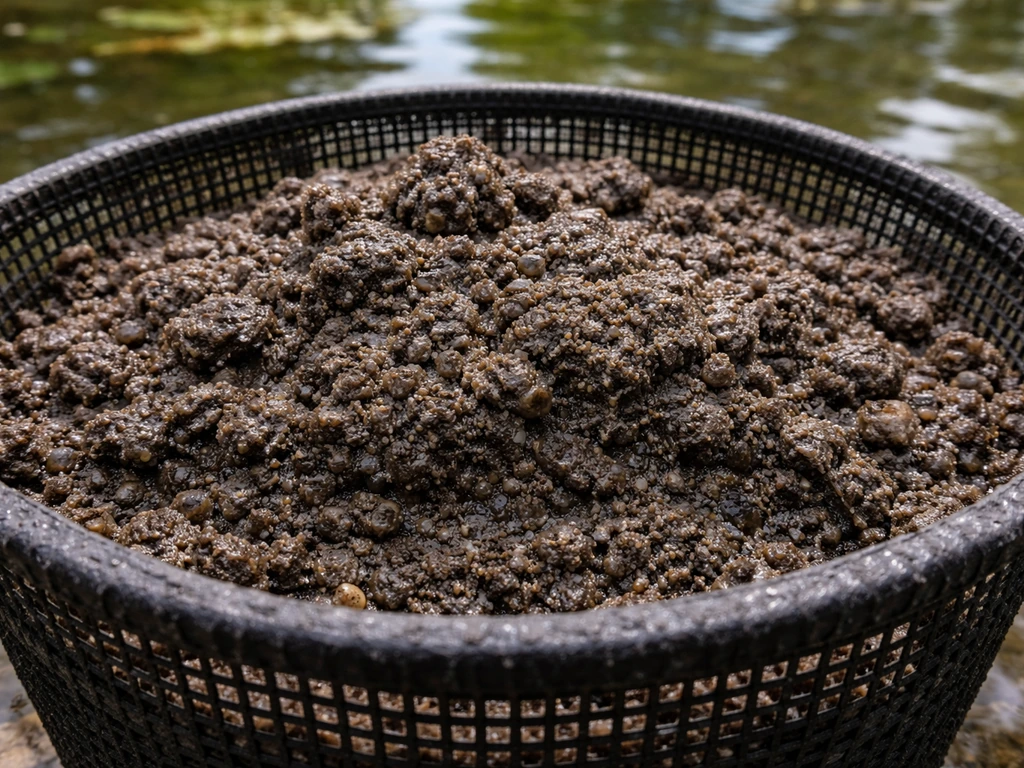
When people ask about soil for water lilies, they usually mean the stuff they'd use for tomatoes or flower beds. That doesn't work here. Standard potting mixes contain perlite, vermiculite, and peat, materials that are light and buoyant. The moment you submerge that kind of mix, it floats out of the container and turns your pond into murky soup. The New York Botanical Garden specifically flags this problem: potting soils are too buoyant and create a mess in water features.
What water lilies actually need to root and feed is a dense, heavy substrate that stays put underwater. The classic option is natural pond mud or clay-heavy garden loam. If you're planting directly into a natural pond with a mud bottom, the lilies can root straight into that, which is essentially what they do in the wild. For container growing, purpose-made aquatic planting media is the gold standard. It's heavy enough to anchor the roots, nutrient-rich enough to feed the plant, and doesn't cloud the water. If you can't find aquatic planting media, a mix of heavy garden loam or clay-based soil works well, and gravel from 1 to 3 inches can substitute in a pinch. What you're after is density and nutrition, not fluffiness.
Mud is worth a mention here because it's genuinely great for water lilies. Rich pond sediment is essentially what they evolved to grow in. Some growers even mix in a layer of clay soil specifically to mimic that environment. So if someone asks whether water lilies grow in mud, the short answer is: absolutely, and quite happily.
Which growing setup is right for you
In-ground pond
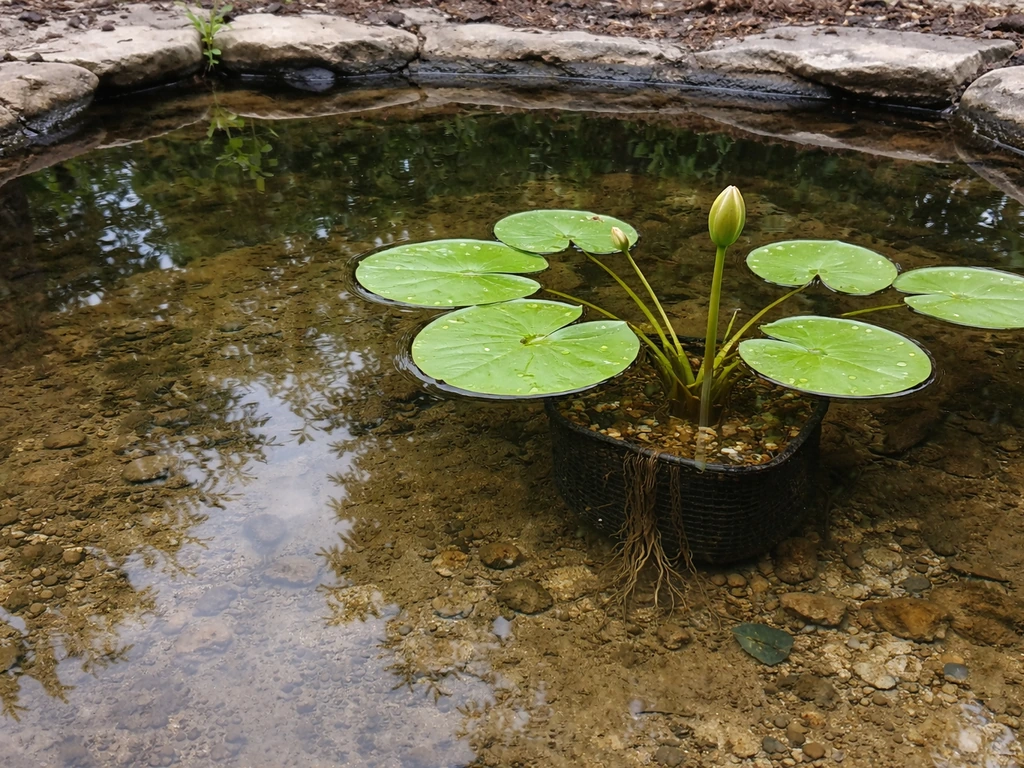
If you have a natural or lined in-ground pond with a muddy bottom, water lilies can root directly into the pond floor. This is the most low-maintenance approach and produces the most vigorous growth over time. The downside is that you have less control over depth, fertilization, and spread. Most home gardeners with liner ponds still use baskets even in-pond, because it keeps the plant contained, makes fertilizing easier, and lets you lift and divide the lily without digging through the whole pond bottom.
Container or tub water garden
A half-barrel or large container water garden works well for dwarf or smaller water lily varieties. The RHS recommends the container be at least 30 cm (about 1 foot) deep to give the plant enough water over the crown. This is a great option for small yards, patios, or if you want to try water lilies before committing to a full pond. You'll need to be more attentive to fertilizing in containers since nutrients get used up faster in a smaller volume of media.
Indoor growing
Indoor water lilies are possible but genuinely tricky. The biggest challenge isn't the substrate, it's light. Water lilies need a minimum of 6 hours of direct sunlight daily to bloom reliably, and most indoor environments can't deliver that without grow lights. If you're growing indoors, tropical water lily varieties generally adapt a little better to container culture, but they're not cold-hardy and need warm water temperatures above about 70°F. The substrate rules are exactly the same indoors: heavy aquatic media in a basket, proper crown positioning, and appropriate water depth above the crown.
How to plant a water lily: baskets, depth, and water level
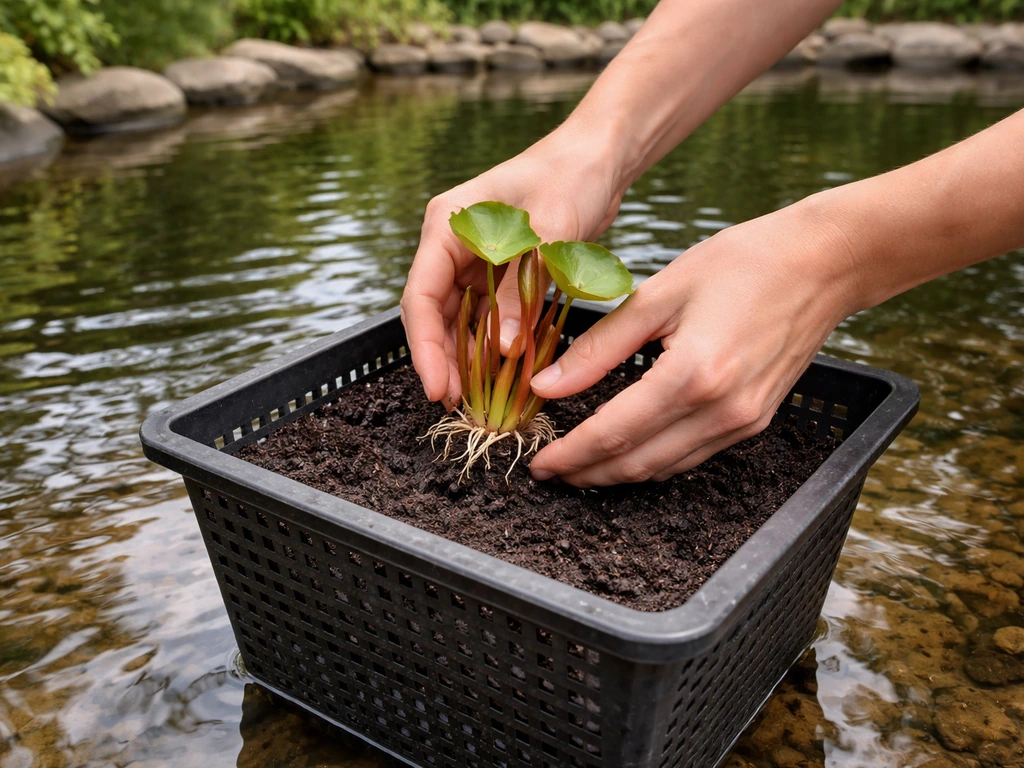
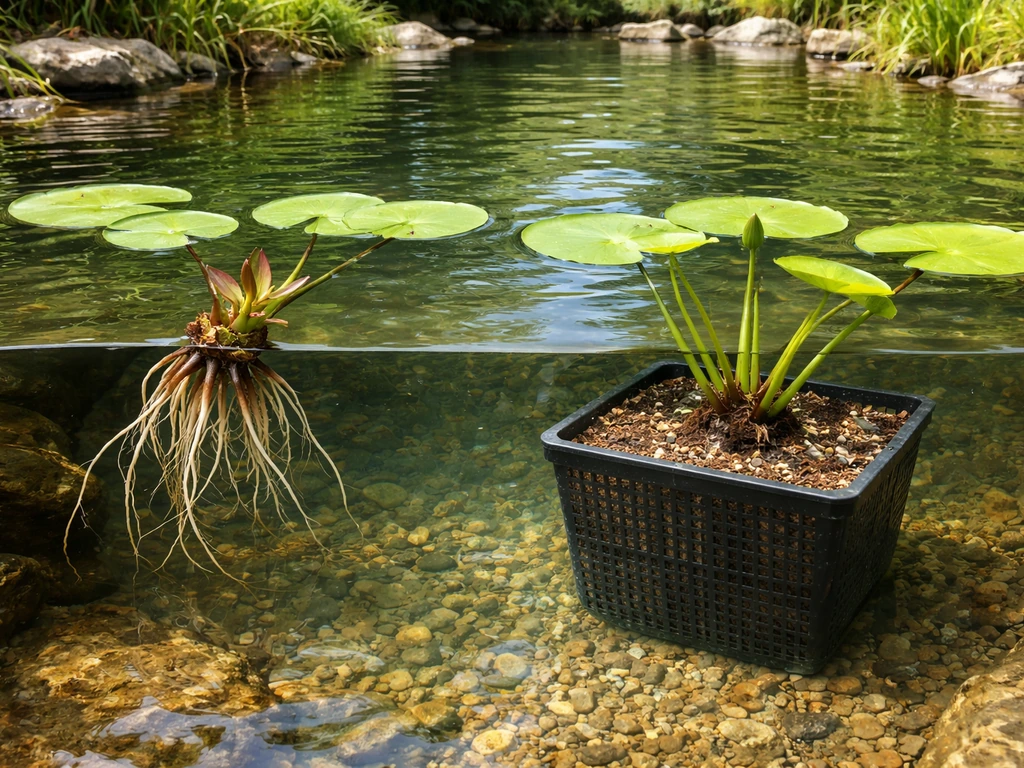
The planting basket is your foundation. For most water lilies, you want a basket in the 5 to 10 liter range. Dwarf varieties do fine in a 2-liter basket. The basket needs holes so water can move through freely, which keeps conditions healthy around the roots. Line the basket with burlap or mesh if the holes are large, so the substrate stays in but water still flows.
Fill the basket about two-thirds full with your aquatic planting media or heavy loam. Place the rhizome so the roots are buried and covered, but the crown (the growing tip where leaves and stems emerge) sits right at the surface of the substrate. This is critical: the crown should be at the compost surface, not buried under it. Covering the crown too deeply is one of the most common reasons water lilies fail to grow or rot out. If you're planting a hardy water lily, the cut end of the rhizome goes in deeper to keep the buoyant root from popping out, while the growing tip stays at or just barely below the substrate surface. For tropical varieties like those from Wilson Bros Gardens guidance, the growing point should be slightly above soil level, planted in the center of the pot.
Once planted, press 2 to 4 aquatic fertilizer pellets into the substrate near the roots before submerging. Then cap the exposed soil surface with about half an inch of pea gravel or coarse sand. This is why many gardeners also cap with pea gravel or coarse sand to keep things stable, and it matters because can lilies grow in sandy soil is really about using sand as a surface cap rather than the main root substrate. This step prevents the substrate from clouding the water when you lower the basket in, and it also stops fish from rooting around in the media if you have them.
Now for water depth. Don't just drop the basket to the bottom on day one. Start by placing it so the crown is about 6 inches below the water surface. As the plant grows and sends up new pads and stems, gradually lower the basket in stages until it rests on the pond floor. The RHS specifically recommends this staged lowering approach. Your target final depth for the crown is typically 15 to 25 cm (6 to 10 inches) of water above it, though USU Extension recommends positioning the rhizome 18 to 24 inches below the water surface for established plants in full-depth ponds. For tropical water lilies, Wilson Bros Gardens puts the practical depth range at 6 to 12 inches of water above the crown. Missouri Botanical Garden sets the minimum at 6 inches of water above the crown, with 8 to 10 inches being a comfortable sweet spot for most setups.
Picking the right substrate: nutrients vs. inert media
Here's where a lot of beginners get confused. There's a spectrum of substrate options, and each has real trade-offs.
| Substrate Type | Pros | Cons | Best For |
|---|---|---|---|
| Aquatic planting media (commercial) | Heavy, nutrient-balanced, won't cloud water | Costs more, need to find a specialty supplier | Most home gardeners, containers, liner ponds |
| Heavy garden loam or clay soil | Widely available, nutrient-rich, stays put | Can cloud water if disturbed, needs gravel cap | In-pond baskets, established setups |
| Pond mud / natural sediment | Perfect nutrient profile, plants love it | Hard to source if you don't have a mud-bottom pond | Natural ponds, direct planting |
| Pea gravel or coarse sand alone | Won't cloud water, easy to find | No nutrients, plants starve without regular fertilizing | Capping layer only, not a standalone substrate |
| Regular potting mix | Readily available | Floats, clouds water badly, wrong nutrient profile | Not suitable — avoid entirely |
The Missouri Botanical Garden notes that the planting medium should have a neutral to slightly alkaline pH, which is another reason standard peat-based potting mixes don't work: they tend to be acidic. If you're using garden loam, a quick pH test is worth doing. Aim for a pH around 6.5 to 7.5.
The Pond Guy and similar aquatic suppliers sell pre-mixed aquatic planting media that checks all the boxes: heavy, nutrient-correct, and designed to stay in the basket. If you can get it, it's the easiest choice, especially for a first planting. If not, heavy garden clay or loam with a gravel cap and aquatic fertilizer pellets pushed into the media at planting time gets you to the same place.
Common mistakes and how to fix them
Burying the crown
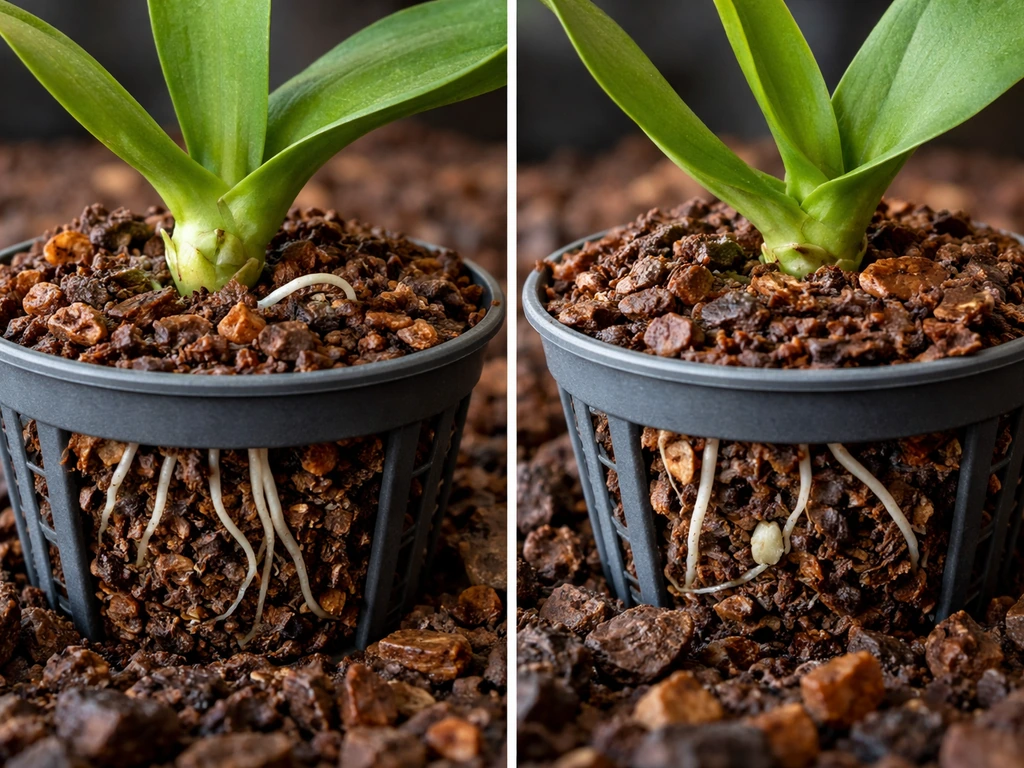
This is probably the most common fatal error. People assume that if roots go in the soil, the whole rhizome should be buried. Wrong. The crown must stay at the substrate surface. If you've done this and the plant isn't growing, take it out, replant it correctly in fresh media with new fertilizer pellets, and try again. Aquatic Plants Nursery confirms this is a valid recovery step, not a last resort.
Planting too shallow or too deep in the water column
If the basket is too close to the surface, the lily may sit in water that warms up too much or gets too much wave disturbance in windy conditions. If it's too deep from the start, the new leaves can't reach the surface to photosynthesize. Aquatic Plants Nursery notes that a large lily sitting in only about 15 cm of water above the soil may barely grow at all. Use the staged lowering method: start at 6 inches below the surface and move it deeper as the plant establishes.
Cloudy water after planting
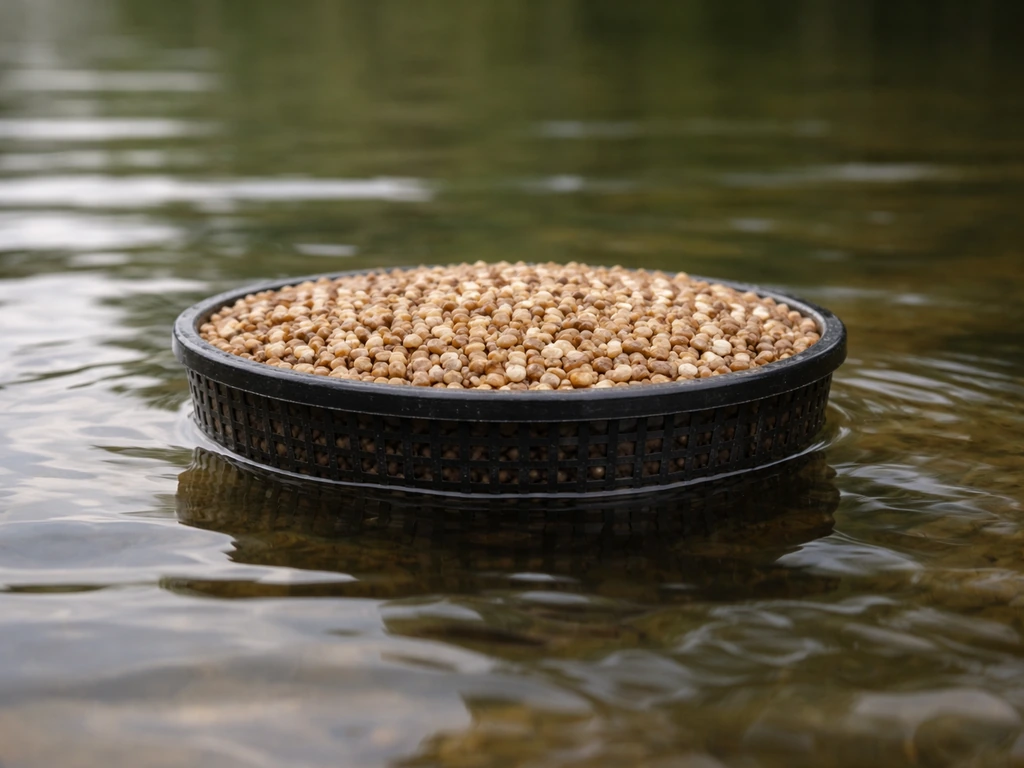
If you skipped the gravel cap or used a light substrate that floated out, you'll end up with murky water. The fix is to cap the basket surface with half an inch of pea gravel or coarse sand and cover any basket holes with burlap, mesh, or even a few layers of newspaper before adding the media. The newspaper breaks down eventually but holds everything in place during the initial submersion.
Not fertilizing (or fertilizing wrong)
Water lilies are heavy feeders. A basket of even good loam will get depleted fast. Push 2 to 4 aquatic fertilizer tablets into the substrate at planting, then continue feeding monthly through the growing season, up until around September according to NYBG. Follow Aquatic Plants Nursery's Osmocote guidance by placing the tablets or cones near the rhizome and using the example tablet counts based on basket or pond size Osmocote tablets or cones near the rhizome and example tablet counts. Use tablets specifically formulated for aquatic plants, not general-purpose fertilizers, which can leach into the water and trigger algae blooms.
Hardy vs. tropical varieties in cold climates
Hardy water lilies can overwinter in a pond as long as the rhizome doesn't freeze solid, so leaving the basket in a deep enough pond is fine in most temperate climates. Tropical water lilies are a different story. As USU Extension points out, tropicals aren't hardy in cold regions and need to be brought in or treated as annuals. If you're in a cold climate and bought what you thought was a regular water lily, check the label. Planting a tropical in an outdoor pond in zone 5 and expecting it to come back next spring is a disappointment waiting to happen.
Dead flowers sinking and rotting
Once water lily flowers fade, remove them before they sink. The RHS flags this specifically: spent flowers that sink and rot can create water quality problems in the pond. It only takes a few seconds to snip them off, and it keeps the whole setup cleaner.
Your planting checklist and next steps for today
If you're ready to plant or buy a water lily this week, here's what to do in order:
- Choose your setup: in-pond basket, container water garden, or tub. Make sure you have at least 30 cm (12 inches) of water depth available.
- Get the right substrate: aquatic planting media from a pond supplier is the easiest choice. Avoid any potting mix with perlite, peat, or vermiculite.
- Pick a basket: 5 to 10 liters for standard varieties, 2 liters for dwarf types. Line it with burlap or mesh if needed.
- Fill the basket two-thirds full with substrate, place the rhizome roots-down with the crown at the surface, and firm it in.
- Push 2 to 4 aquatic fertilizer pellets into the substrate near the roots.
- Cap the exposed substrate surface with half an inch of pea gravel or coarse sand to prevent clouding.
- Lower the basket into the water so the crown is 6 inches below the surface. Raise the basket on bricks or stacked stones if needed.
- As new leaves grow and reach the surface, gradually lower the basket until it sits at the pond floor, targeting 6 to 10 inches of water above the crown (or 18 to 24 inches for deep established ponds).
- Fertilize monthly with aquatic tablets through the growing season, stopping around September.
- Remove spent flowers as they fade. Check the plant tag for whether you have a hardy or tropical variety and plan winter storage accordingly.
One last thing worth knowing: soil is just one piece of the picture. Water lilies grow from rhizomes in water, so they do not grow on land soil is just one piece of the picture. Water lilies also need at least 6 hours of direct sunlight a day to bloom well. Get the substrate and depth right, put the basket in a sunny spot, keep up with fertilizing, and you'll have a plant that rewards you with flowers all summer. It's one of those things that feels complicated until you've done it once, and then it just makes sense.
FAQ
Can I grow a water lily in a bucket or kiddie pool without buying aquatic planting media?
Yes. Use a planting basket if possible, and fill it with heavy clay-based garden loam or pond mud, then cap the surface with about half an inch of pea gravel or coarse sand. Keep the crown at the media surface, and plan to fertilize more often than in a pond because nutrients run out faster in smaller volumes.
Do water lilies need fertilizer tablets if I already used pond mud or loam?
They usually do. Even nutrient-rich pond mud and loam get depleted as the plant forms new pads and stems. A practical approach is to insert 2 to 4 aquatic fertilizer tablets at planting near the roots, then continue monthly during active growth until late season (often stopping around September).
How pH sensitive are water lilies if my pond water or garden soil is slightly acidic?
Water lilies prefer neutral to slightly alkaline conditions. If you’re using garden loam, it helps to do a quick pH test and aim for roughly 6.5 to 7.5. If your media is very acidic, expect slower growth or weak blooms even if the crown is positioned correctly.
What’s the quickest way to tell if I buried the crown too deep?
If the rhizome seems fine but no new leaves emerge, the crown is a common culprit. The crown should sit at (or in some cases slightly above for some tropicals) the substrate surface. Correct it by lifting and replanting the rhizome into fresh heavy media with the crown at the correct height.
Can I just put the rhizome into gravel on the pond bottom?
Gravel alone usually is not enough. You need a dense, nutrient-holding substrate for rooting and feeding. If you must use gravel, do it as a surface cap, not the main media, and put nutrient-rich clay or pond mud underneath in the basket.
Do water lilies still need a basket if my pond has a muddy bottom?
If your pond bottom is already muddy, the lily can root directly and you may skip baskets. However, baskets still make division easier and give you better control of depth, feeding, and containment, especially in liners or smaller ponds where you do not want to dig.
How deep should the basket be at the start if I’m planting for the first time?
Use staged lowering. Start with the crown about 6 inches below the water surface, then gradually lower the basket as the plant establishes. Going too deep immediately can prevent new leaves from reaching the light level they need to photosynthesize.
Will the planting basket holes cause my substrate to wash out?
They can if the holes are large or if the media is too light. Line the basket with burlap or mesh when the openings are big enough to let soil fall through. Also use a gravel or sand cap to stabilize the top layer and reduce clouding when you lower the basket in.
How do I reduce cloudy water when I first submerge the basket?
Stabilize the surface and slow the release. Cap the substrate with about half an inch of pea gravel or coarse sand, and press the media in the basket firmly. If you’re still getting haze, cover the media area with a temporary barrier (like layered newspaper) before full submersion, then remove or let it break down naturally.
If my lily is in the right substrate, why might it still not bloom?
The most common cause after planting mistakes is insufficient direct sun. Water lilies generally need at least 6 hours of direct sunlight daily to bloom reliably, plus correct water depth above the crown and regular aquatic fertilizing during the growing season.
Do tropical and hardy water lilies use the same substrate?
The substrate approach is the same, heavy and stable with the crown positioned correctly, but winter care differs. Hardy lilies can often overwinter in place if the rhizome does not freeze solid, while tropical lilies are usually not cold-hardy and must be brought in or treated as annuals.
Should I remove spent flowers even if I’m not seeing obvious problems?
Yes. Remove faded blooms before they sink, because rotting flowers can degrade water quality. Snipping them off takes only a moment and helps keep pond conditions cleaner, especially in smaller ponds where waste accumulates faster.
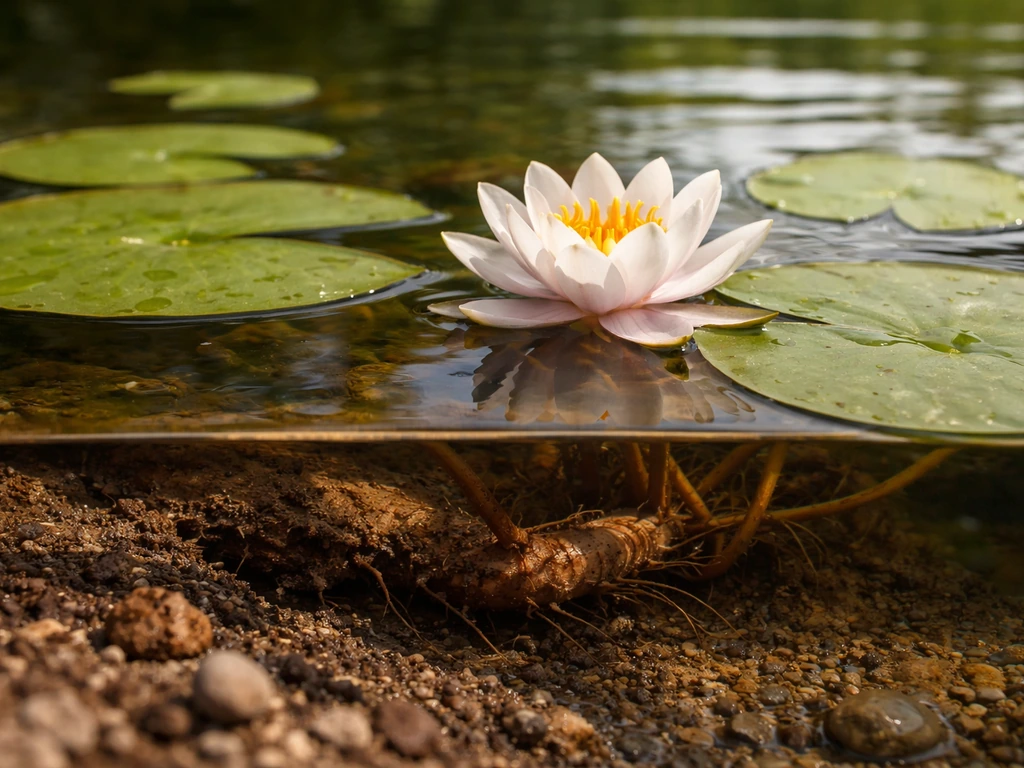
Learn if water lilies grow on land, how to mimic pond edges, and what sun, depth, and substrate they need.
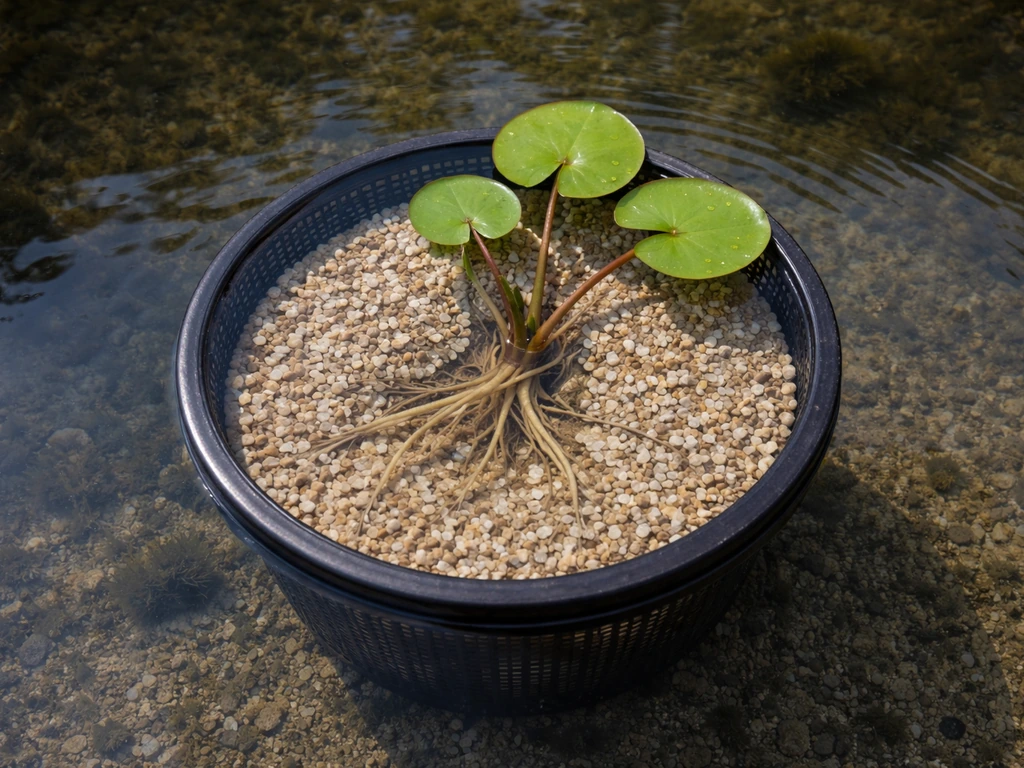
Learn if water lilies can grow in gravel and how to set up, plant, and troubleshoot a reliable rooting system.
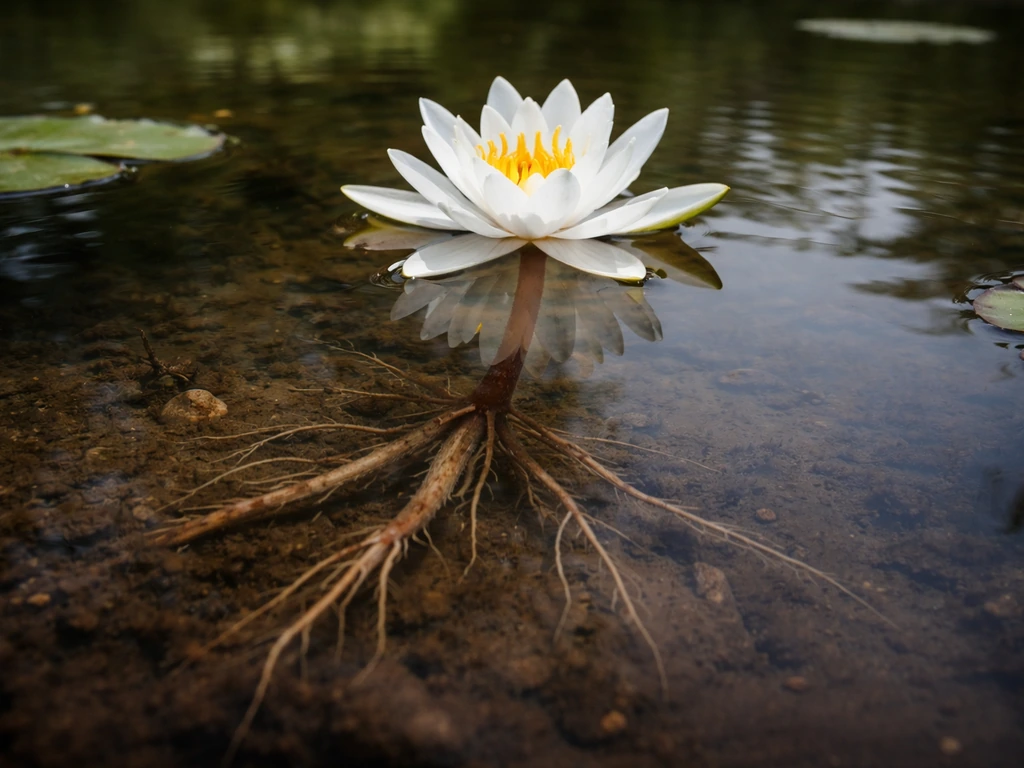
Yes. Learn how to plant water lilies in pond mud or substrate, fix dirty water issues, and troubleshoot growth problems.