
Yes, lilies can grow in sandy soil, but they need a little help. Sandy soil drains fast (which lilies actually love) but dries out quickly and holds almost no nutrients (which lilies hate). The fix is straightforward: amend it with organic matter, water more frequently than you would in heavier soil, and choose the right lily type. Get those three things right and sandy ground can produce spectacular blooms. If you are growing water lilies, you need to keep their roots constantly wet and provide them with nutrient-rich substrate rather than letting them dry out.
Can Lilies Grow in Sandy Soil? How to Succeed
Marcus Hendricks
20 May 2026
What sandy soil does to lily roots
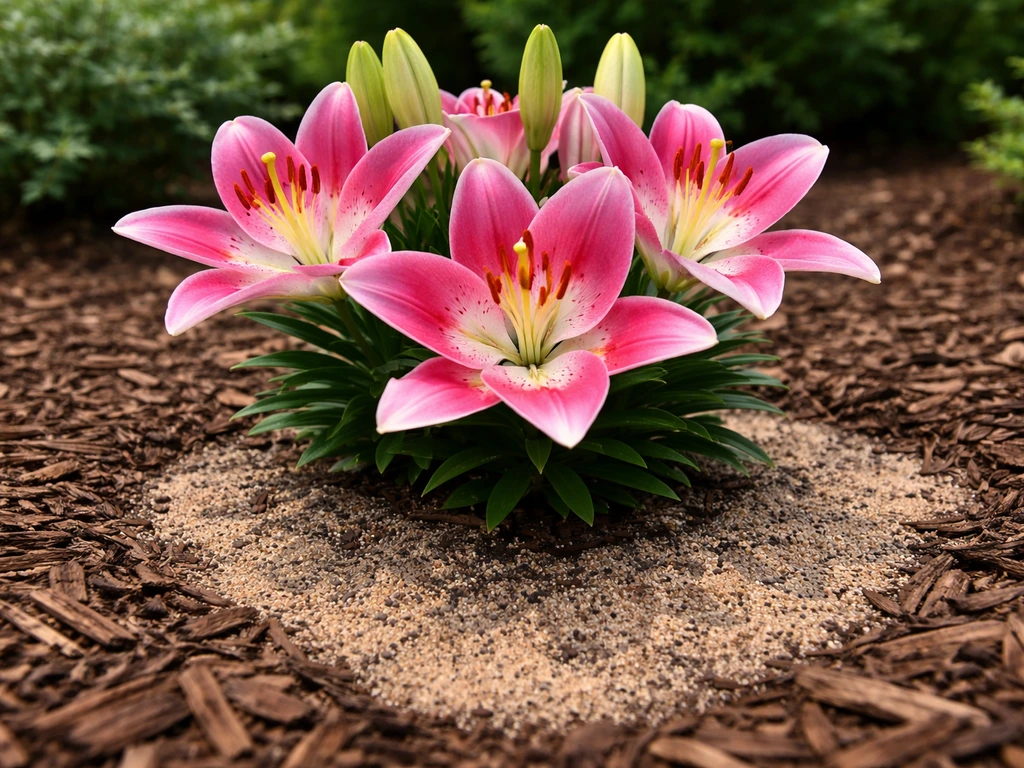
Drainage is, without exaggeration, the single most important soil characteristic for lilies. The North American Lily Society calls it probably the most critical condition of all, and every lily expert I've come across agrees. Sandy soil gives you that in spades. Water moves through it fast, roots stay aerated, and you're unlikely to ever deal with the waterlogged conditions that cause Pythium root rot, which turns lily roots soft and brown and kills plants quickly. That part is a genuine advantage.
The problem is the flip side of that same coin. Sandy soil has almost no water retention and very low nutrient-holding capacity. Lily bulbs need consistent moisture during active growth, and they're heavy feeders once stems and buds are forming. In unamended sand, bulbs dry out between waterings, nitrogen and potassium leach away after every rain, and growth comes out weak, pale, and flowerless. So the goal isn't to slow down the drainage (keep that), it's to add what's missing.
How to amend sandy soil before you plant
Texture and organic matter
The textbook ideal for lily bulbs is sandy loam rich in humus, with a pH around 5.5 to 6.5. If you're starting with pure sand, the most effective single amendment is compost. Work in a generous layer (3 to 4 inches) of well-rotted compost or aged manure to a depth of at least 12 inches before planting. This improves water retention without killing drainage. Some gardeners also blend in a small amount of peat moss or coco coir to help hold moisture longer, which works well in particularly coarse, fast-draining sandy sites. I'd avoid adding clay unless you're a soil scientist, because getting the ratio wrong creates a compacted, poorly draining mess that's worse than the original problem.
Getting pH right
Most garden lilies, including Asiatic, LA, and Longiflorum hybrids, do best at a pH between 6.0 and 7.0. Oriental hybrids (and their crosses like OA and OT types) prefer slightly more acidic conditions, around pH 5.0 to 6.5. Sandy soils can vary widely in pH, so test yours before planting. If pH is too high (alkaline), work in sulfur; if too low, add ground limestone. Slightly acidic, in the 6.0 to 6.5 range, is a safe target that covers most lily types without needing to over-engineer it.
Fertilizer strategy in sandy soil
Because nutrients leach out of sandy soil fast, a single heavy feeding at planting is less effective than repeated lighter applications. In early spring, as shoots emerge, scratch in a balanced complete fertilizer like 10-10-10 or a lower-nitrogen option like 5-10-10 around the base of each plant.
When lily stems emerge, UC ANR’s Growing Lilies guidance recommends using a 5-10-10 or 5-10-5 complete fertilizer and mulching 2, 4 inches deep to help keep soil cooler 5-10-10 around the base of each plant.
A phosphorus-forward formula supports root and bulb development without pushing all the energy into leaf growth. Follow that with a lighter supplemental feeding mid-season, particularly once buds start forming. Don't overdo nitrogen, especially in sand, because it's the nutrient most likely to surge and then disappear, giving you a burst of floppy green growth but weak flowers.
Best lily types for sandy soil (and which ones to skip)
Not all lilies respond the same way to fast-draining ground. Here's a quick breakdown of how the main types handle sandy conditions.
| Lily Type | Sandy Soil Tolerance | Notes |
|---|---|---|
| Asiatic hybrids | Excellent | Tough, drought-tolerant once established, ideal for sandy beds with compost amendment |
| LA hybrids (Longiflorum x Asiatic) | Very good | Similar resilience to Asiatics, appreciate consistent watering in sand |
| Trumpet lilies (Lilium longiflorum) | Good | Prefer pH 6–7, tolerate sand well with organic amendment and regular watering |
| Oriental hybrids | Moderate | More moisture-sensitive than Asiatics; need extra compost and consistent watering in sandy soil |
| OT hybrids (Orienpets) | Moderate to good | Hardier than pure Orientals but still benefit from heavier organic matter in sand |
| Daylilies (Hemerocallis) | Excellent | Not true lilies, but extremely forgiving in sandy soil; aim for 1 inch of water per week |
| Calla lilies (Zantedeschia) | Poor to moderate | Prefer moist, rich soil; sandy ground dries too fast without heavy amendment and constant watering |
| Peace lilies (Spathiphyllum) | Not suitable outdoors | Indoor plant that needs moisture-retentive potting mix; sandy garden soil is entirely wrong for them |
| Water lilies (Nymphaea) | Not applicable | Aquatic plants planted in pond substrate; sandy-soil rules don't apply at all |
If you're a beginner and you have naturally sandy soil, start with Asiatic hybrids. They're the most forgiving, bloom reliably, and come in an enormous range of colors. I've watched them thrive in beds that I honestly expected to fail. Oriental hybrids are stunning but more demanding, and sandy soil amplifies their sensitivity to moisture stress. If you're set on Orientals, invest extra time in soil amendment before you commit.
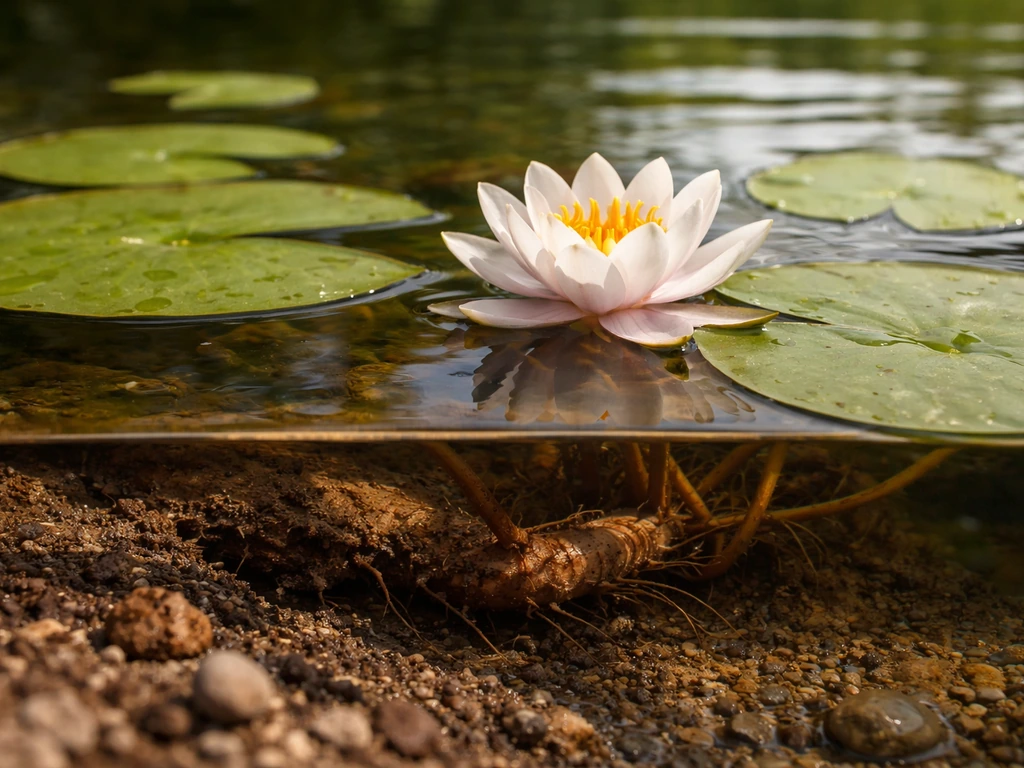
It's worth flagging the water lily confusion here: water lilies are aquatic plants that live in ponds, rooted in submerged soil or mud, not garden beds. For water lilies, the growing medium is different because they are aquatic plants that root in submerged pond soil or mud. Water lilies are different from garden lilies, and they do not grow without aquatic planting conditions like pond substrate and appropriate water depth water lilies are aquatic plants. The whole sandy-soil conversation simply doesn't apply to them. If you're researching water lilies specifically, the relevant questions are about pond substrate, water depth, and container planting in aquatic conditions.
Watering and drainage in sandy soil
How often to water
In sandy soil, you'll water more frequently than in loam or clay. A good baseline is about 1 inch of water per week, but on sandy ground that often means watering two or three times a week during dry stretches rather than one deep weekly session. When you do water, water deeply, not just a surface sprinkle. Get moisture down to at least 6 to 8 inches so it reaches the root zone and bulbs. Shallow watering in sand is almost pointless because it evaporates or drains before roots can use it.
Mulch is non-negotiable
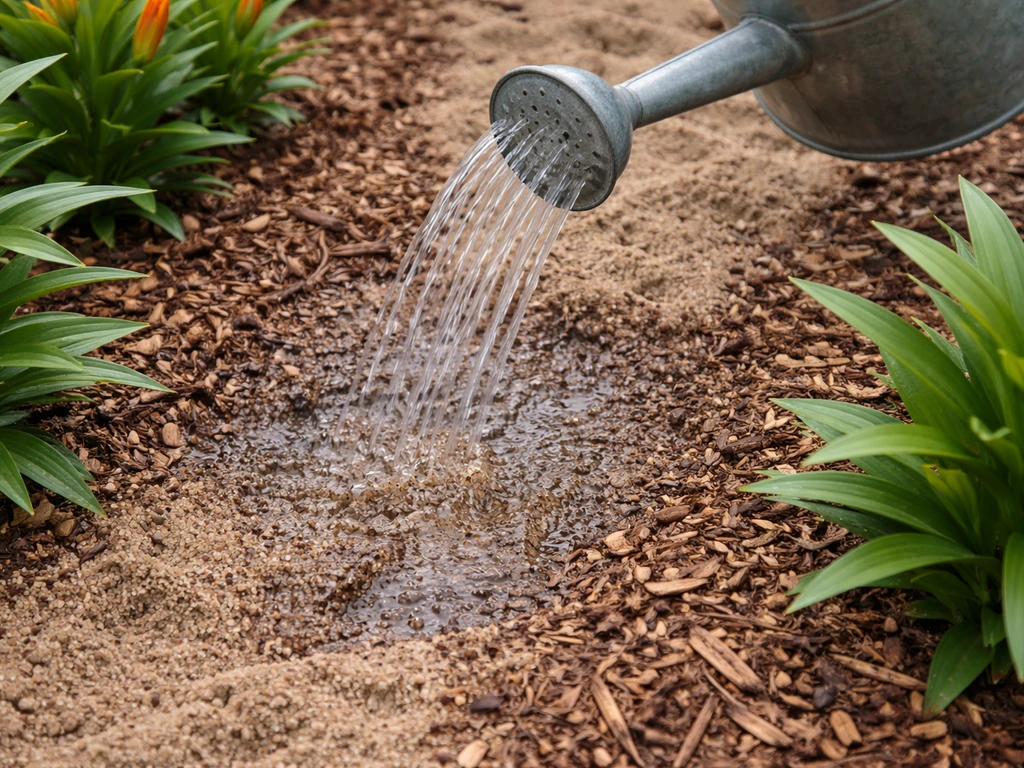
If there's one thing that bridges the gap between sandy soil's strengths and its weaknesses, it's mulch. After planting, apply a 2 to 4-inch layer of organic mulch over the bed. Leaf mulch, wood chips, straw, or pine needles all work well. Mulch slows evaporation dramatically, moderates soil temperature (lily roots prefer cool soil even when tops are in full sun), and gradually breaks down to add organic matter. Just keep the mulch 2 to 3 inches away from the base of stems to avoid creating the kind of damp, crowded conditions that encourage crown rot and fungal problems.
In fall, once plants die back, add another generous layer of straw or pine needles over the bed. This protects bulbs from freeze-thaw cycles and prevents heaving. In spring, once shoots start pushing through, you can pull the mulch back slightly from the stems but leave the layer in place to keep moisture in.
Planting guide for sandy soil
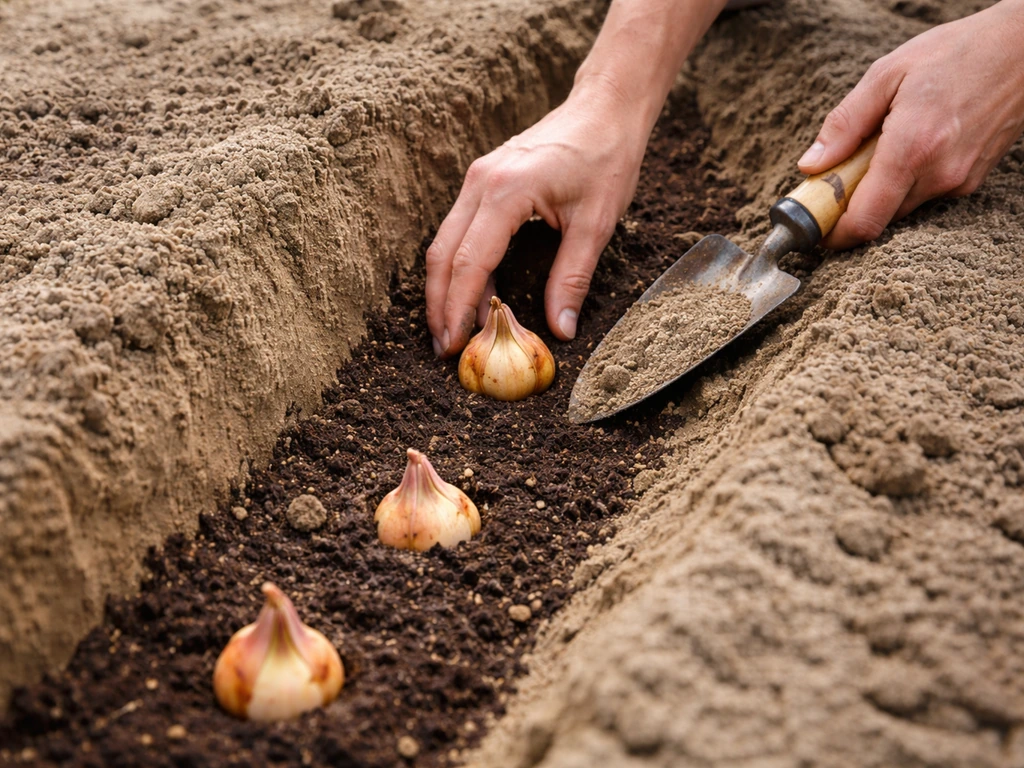
- Prepare the bed first: dig down at least 12 inches, mix in 3 to 4 inches of compost, and check soil pH. Adjust if needed before planting.
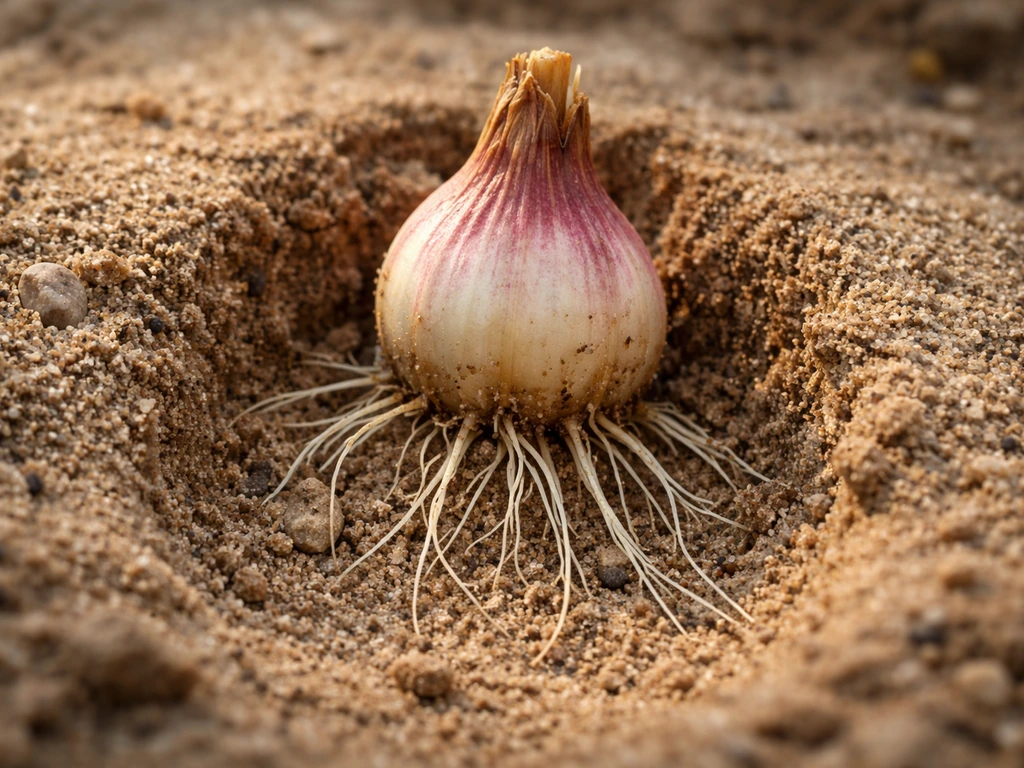
- Plant bulbs at the right depth: the standard rule is two to three times the bulb's diameter. For a typical Asiatic bulb about 2 inches across, that's 4 to 6 inches deep. In sandy soil, erring toward the deeper end of the range is smart because it keeps bulbs in slightly more stable, moisture-consistent soil.
- Space bulbs 8 to 12 inches apart for most varieties, giving them room for airflow and preventing competition for the limited nutrients in sandy ground.
- Time your planting: fall is the classic window for hardy garden lily bulbs. Planted in fall, bulbs establish roots before the ground freezes, which gives them a head start in spring. Spring planting works too, especially for container-grown lilies or if you missed the fall window.
- For container-grown lilies transplanted into sandy soil: water the pot thoroughly before transplanting, disturb roots as little as possible, set the plant at the same depth it was growing in the container, and water in immediately after planting.
- After planting, water well and apply 2 to 3 inches of mulch over the entire bed right away. Don't wait on this step in sandy soil: moisture loss starts immediately.
Light and climate matter as much as soil
Amending your sandy soil perfectly won't save a lily planted in the wrong spot or the wrong climate. Most garden lilies need a minimum of 6 hours of direct sun per day to flower reliably. Full sun (8 or more hours) is even better for Asiatic and Trumpet types. Oriental hybrids can tolerate a bit more afternoon shade, especially in hot climates where intense afternoon sun combined with the fast-drying nature of sandy soil can stress them badly.
In hot, dry climates (think USDA Zones 8 and above), sandy soil amplifies heat and drought stress. If you're gardening in those zones, plant where roots get some afternoon shade, mulch heavily, and water more frequently than you think you need to. In cooler climates (Zones 4 to 6), sandy soil's fast drainage is less of a moisture concern in spring and fall, but you'll still need the mulch layer to protect bulbs through freeze-thaw swings. If you are wondering can water lily grow without soil, the key idea is similar: you still need the right growing medium and consistent moisture conditions, not just “any water.” mulch layer to protect bulbs.
One more thing worth noting: lily roots like cool, shaded conditions even when the tops are in full sun. Planting low-growing ground covers or annuals around your lilies to shade the soil surface is an old trick that works especially well in sandy beds where the soil heats up fast.
Troubleshooting: what goes wrong in sandy soil and how to fix it
Plants dry out and wilt between waterings
This is the most common sandy-soil complaint. If you are wondering whether water lily can grow on land, the answer is no, because it needs an aquatic environment does water lily grow on land. The fix is more frequent, deeper watering combined with a thick mulch layer. If you're already watering regularly and still seeing wilt, add more compost to the bed (side-dress around plants, not on top of bulbs) and consider a drip irrigation system set to run every 2 to 3 days during dry stretches. Drip irrigation is genuinely the best solution for sandy lily beds because it delivers water slowly, giving sandy soil more time to absorb it.
Yellow leaves and poor growth
Yellowing leaves in sandy-soil lilies are almost always a nutrient deficiency, most often nitrogen. Because nutrients leach out of sand quickly, plants run out of fuel mid-season. Water lilies are a good example of plants that cannot handle conditions like dry desert sand. Apply a balanced fertilizer (10-10-10 or 5-10-10) as a side dressing and water it in. If the problem returns within a few weeks, switch to a slow-release granular fertilizer that delivers nutrients more gradually, matching the way sandy soil behaves.
No flowers or very few buds
Poor flowering in sandy soil usually comes down to one of three things: not enough phosphorus, not enough sun, or bulbs that are too shallow and drying out before they can build energy. Check that your fertilizer has adequate phosphorus (the middle number in the NPK formula), confirm the spot gets at least 6 hours of direct sun, and verify planting depth. Bulbs that have migrated too close to the surface dry out in sandy soil and can't build the energy reserves needed to flower.
Soft, rotting bulbs despite good drainage
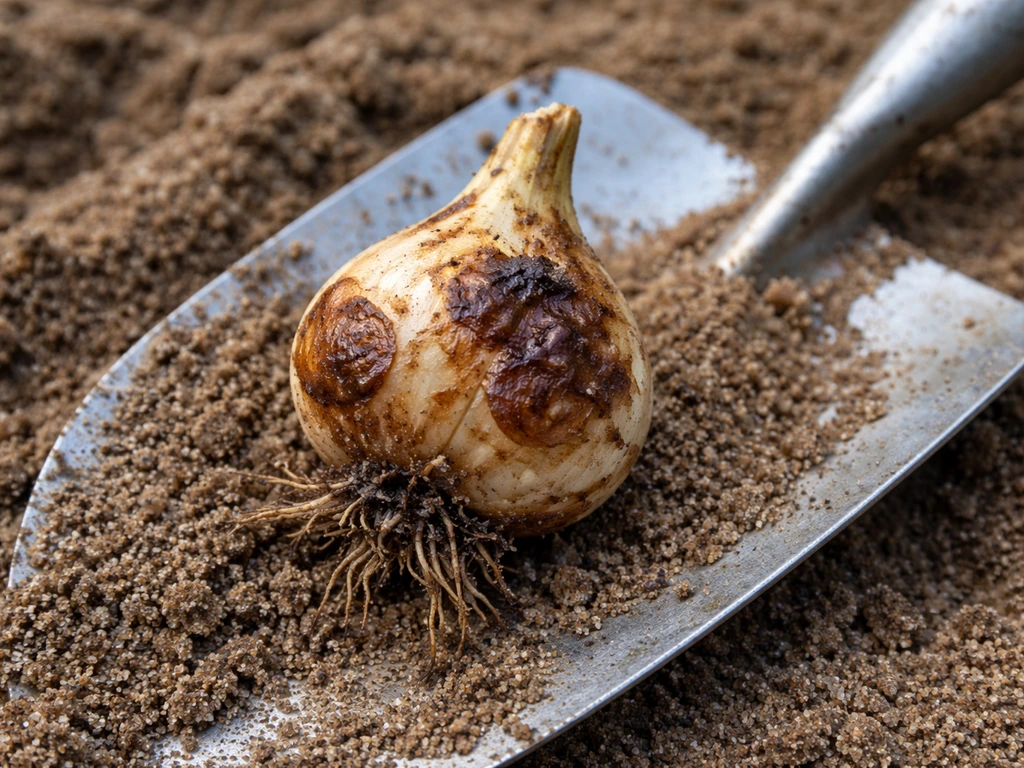
This one surprises people because they expect rot to be a clay-soil problem. It can happen in sandy soil too, usually from inconsistent wet-dry cycles: heavy watering followed by complete drying, repeated over weeks. Pythium root rot shows up as soft, brown, mushy roots and bulb bases. If you find rotting bulbs when you dig, remove and dispose of them (don't compost), improve organic matter in the bed, and switch to more consistent, moderate watering rather than infrequent heavy soakings. Chronic drainage problems should be addressed before replanting.
Weak or floppy stems
Weak stems in sandy soil usually mean one of two things: too much nitrogen relative to other nutrients (pushing sappy, fast growth), or bulbs planted too shallow. In sandy ground, shallow bulbs heat up, dry out, and never establish the strong root system that supports a tall flower stem. Re-check depth at the end of the season and replant any bulbs that have worked their way up, going to the deeper end of the recommended range.
FAQ
Can I grow lilies in sandy soil if I’m planting in a container instead of a bed?
Yes, but you must adjust how you water and feed. In containers, sandy mix dries even faster than in-ground sand, so use a moisture-retentive potting blend (for example, regular potting mix plus extra compost) and water until excess drains out, then empty the saucer so roots do not sit in runoff. Feed more often than bed-grown lilies, using half-strength fertilizer every 2 to 3 weeks during active growth, because nutrients wash out quickly in pots.
How deep should lily bulbs be planted in sandy soil, and what if they keep working their way up?
Planting depth matters even more in sand. As a rule of thumb, place bulbs so the top is about 2.5 to 3 times the bulb diameter below the surface, then firm the soil lightly and mulch. If your bulbs have been pushed up by freeze-thaw or after heavy drying, dig and replant to the correct depth the following dormant season, otherwise they may leaf out but won’t flower reliably.
What’s the best way to avoid too much nitrogen in sandy soil?
You can reduce the nitrogen risk by choosing a fertilizer that is not high in N, and by timing. For lilies in sand, use a phosphorus-forward starter when shoots emerge, then switch to a balanced but lighter mid-season feed once buds form, avoiding repeated applications of high-nitrogen products. A good quick check is to stop adding nitrogen once you see buds, because sand will flush it out and you will get floppy growth with weaker blooms.
I’m watering, but my lilies still look stressed in sandy soil. How do I know if the problem is inconsistency versus not enough water?
If you want reliable flowering, measure and manage moisture consistency rather than just total weekly water. Instead of letting the soil swing between very wet and bone dry, aim for evenly moist conditions in the root zone during sprout and bud formation. A practical approach is to water deeply with longer intervals only when the top 1 to 2 inches start to dry, then mulch heavily to slow evaporation.
Can I amend sandy soil with clay to hold water better?
Yes, but do not “fix” sand with too much clay. If the clay you add compacts, you lose drainage and can create pockets that promote crown and root rots. The safer strategy is to rely on compost as the main amendment, then only add small amounts of moisture-holding material like peat or coir if you have very coarse, fast-drying sand. If pH is off, correct it separately with sulfur or limestone after testing.
Yellow leaves show up after rains in my sandy bed. Should I fertilize more or change the watering?
After fertilizing, water the soil in so nutrients move into the root zone rather than staying near the surface and washing away. If you get yellow leaves shortly after a heavy rain, it often means nutrients were leached, so side-dress again at a lighter rate rather than applying a single large dose. Also check that you are not overwatering, because excessively wet periods can cause root stress that looks similar to nutrient deficiency.
Would slow-release fertilizer work better than repeated light feeding in sandy soil?
Slow-release fertilizer can help, especially because sand loses nutrients fast. Use it during the active season, but follow the label rate, and avoid combining multiple products that all deliver nitrogen at once. If you use slow-release, you may need fewer feedings, but you should still mulch and keep watering consistent, because nutrient availability still depends on adequate moisture.
If I find mushy roots or rotting bulb bases, what should I do before replanting?
If you suspect rot, act quickly and don’t replant into the same spot without improving conditions. Remove and discard the affected bulbs (do not compost), then incorporate more compost into the planting area to buffer the wet-dry swings. For future plantings, switch to a more consistent watering cadence, and ensure the soil stays well-drained and never sits waterlogged for days.
Next Articles
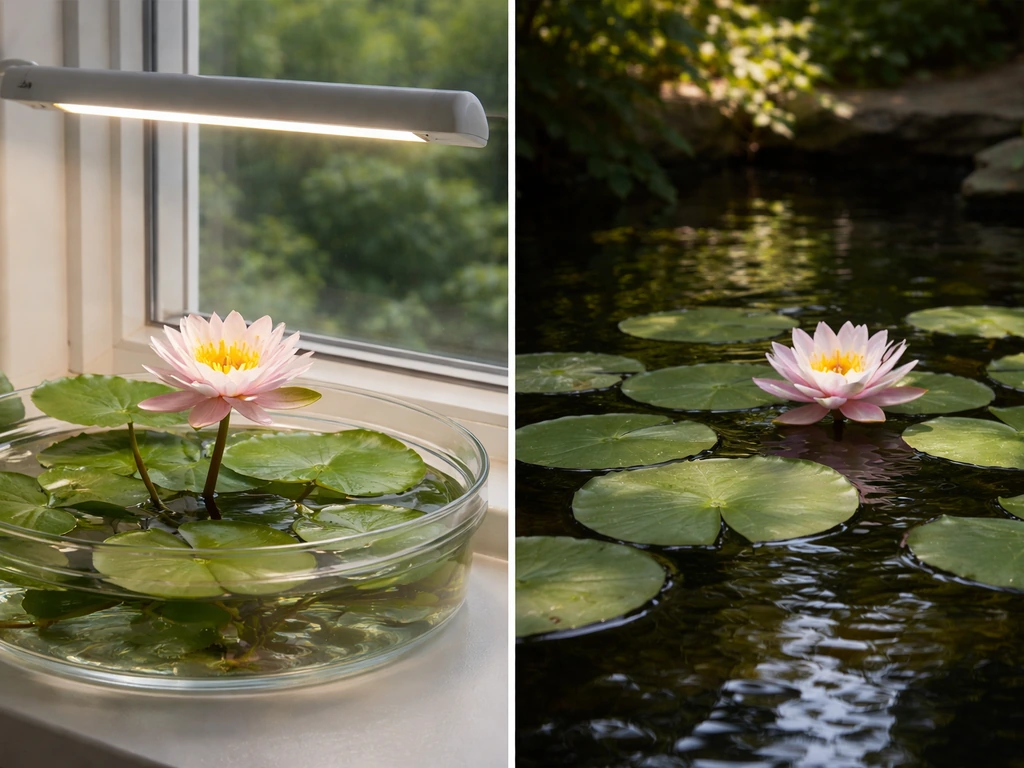
Can Water Lily Grow Without Sunlight? Indoor and Outdoor Guide
Yes, but water lilies need low-light limits, proper water temp and depth, and often grow lights to bloom indoors or in s
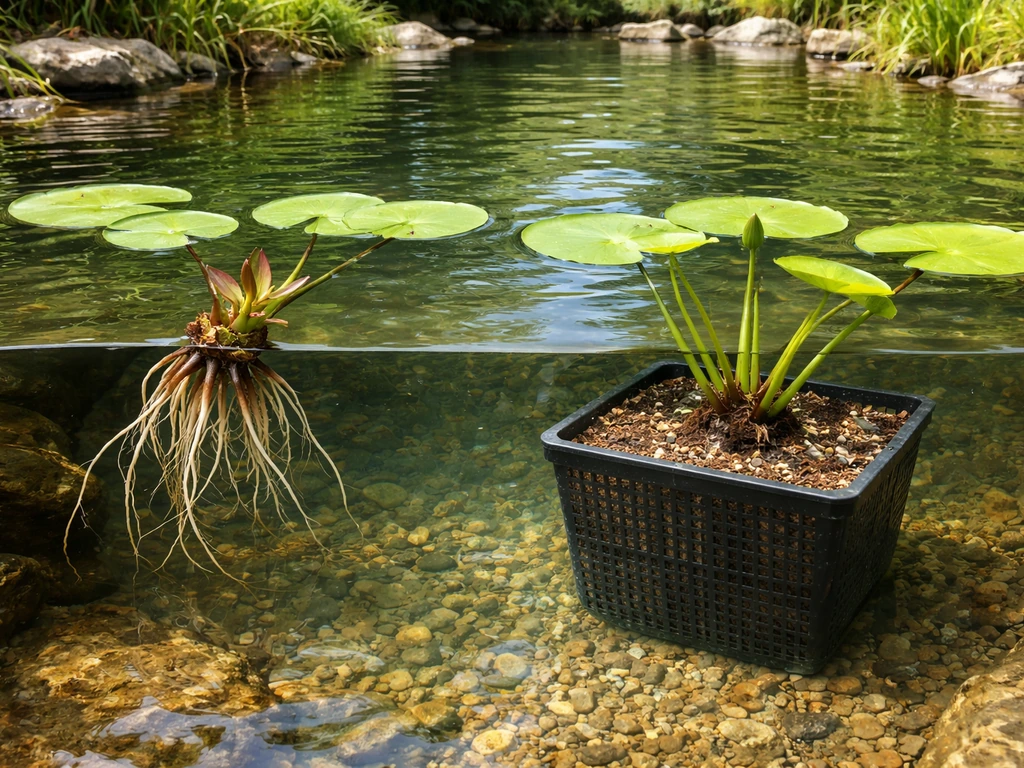
Do You Need Soil to Grow Water Lilies? What Works
Do water lilies need soil or just bare roots? Learn best substrate for ponds, containers, and how to plant correctly.
Does Water Lily Grow on Land? What to Know and Do
Learn if water lilies grow on land, how to mimic pond edges, and what sun, depth, and substrate they need.