
True lilies grow in a field just fine as long as you give them well-drained soil, at least 6 hours of direct sun most days, and bulbs planted deep enough to anchor the stem and develop those all-important feeder roots. Plant in fall or early spring, feed with a balanced 10-10-10 fertilizer when shoots emerge, mulch generously, and keep a close eye for lily leaf beetles and botrytis. Do those things and you will have reliable blooms year after year.
How Do Lilies Grow in a Field A Step by Step Guide

Marcus Hendricks
21 May 2026

What people usually mean by "lilies in a field" (and why it matters)
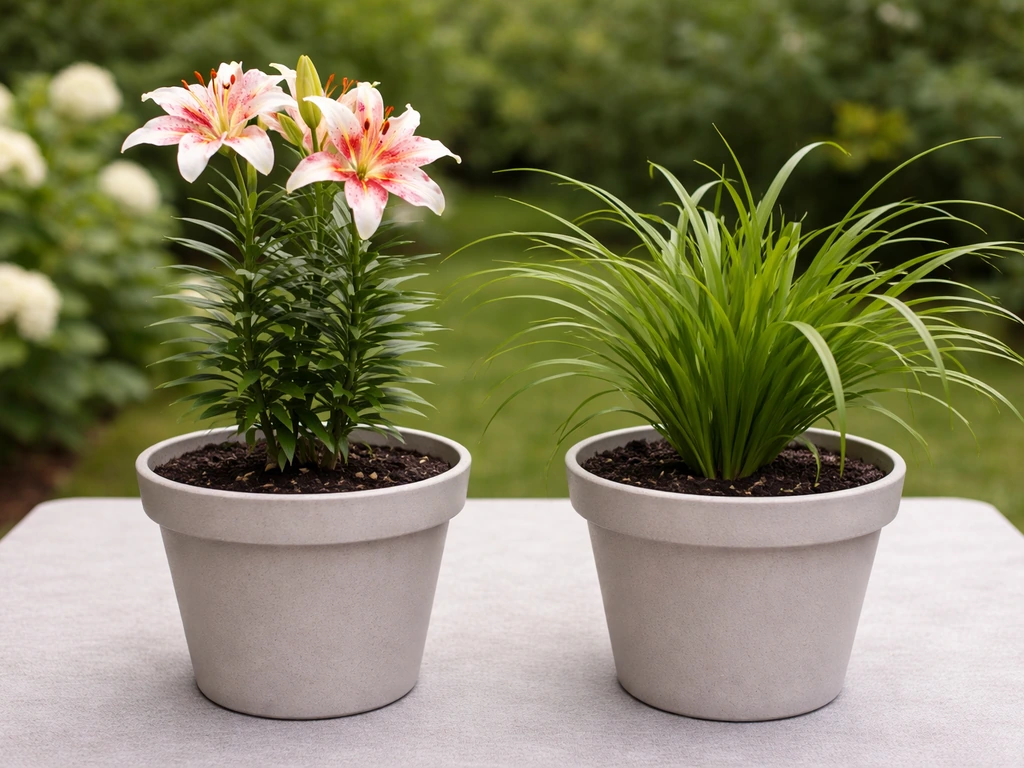
When most gardeners picture lilies growing across an open field, they are picturing true lilies from the genus Lilium: Asiatic lilies, Oriental lilies, LA hybrids, trumpet lilies, and martagons. These are the ones with the single upright stem, the grass-like leaves arranged all the way up that stem, and the classic six-petaled flowers. They grow from a fleshy, scale-covered bulb that looks a bit like a head of garlic with looser scales.
But plenty of popular plants wear the "lily" name without actually being true lilies. Daylilies (Hemerocallis) are perennial clumpers with strap-like foliage that bloom repeatedly over a long season because each plant carries dozens of buds. They are not true lilies and do not grow from a true bulb. Calla lilies (Zantedeschia) grow from rhizomes and have a completely different structure. Peace lilies are tropical houseplants. Water lilies live in ponds. This article focuses on true Lilium species for field growing, but where relevant I will flag how daylilies behave differently, since they are a common field-planting choice that follows slightly different rules.
If you are drawn to the romantic idea of "lilies of the field" from a biblical or wildflower context, you are likely thinking of something closer to an Asiatic or wild Lilium growing in naturalistic drifts. That is exactly what this guide helps you achieve. (If you are curious about whether lilies grow in valley settings specifically, that question has its own nuances worth exploring separately. In particular, the “valley” question usually comes down to whether the low area stays wetter or gets less airflow than the surrounding field do lilies grow in the valley. If you are trying to grow lily plants in water, focus on what type of lily you have, because some are pond plants while true lilies prefer well-drained soil lilies grow in valley settings specifically. )
How much sun your field spot actually needs
Most true lilies want partial to full sun, which in practical terms means 6 or more hours of direct sunlight daily. For Asiatics and Oriental types, more sun is generally better for stem strength and flower production. The one exception worth knowing: martagon lilies (Lilium martagon) actually perform best in partial shade, making them a solid choice if part of your field has tree coverage. Every other common garden lily will struggle, get leggy, and produce fewer blooms in heavy shade.
Choose a spot where the soil surface dries out between rain events rather than stays soggy. Open field settings are often perfect for this because air circulates freely and water does not pool. Avoid low-lying areas, natural drainage channels, or any patch where you have noticed standing water after rain. That brings us to the single most important factor for true lilies.
Soil and drainage: this is non-negotiable

If there is one thing that kills more lily bulbs than anything else, it is sitting in wet soil. The North American Lily Society is very direct about this: perfect drainage is the key to preventing bulb rot. A lily bulb that stays waterlogged will rot before it ever gets a chance to establish roots. I have learned this the hard way planting in a spot that looked fine in summer but turned into a slow-draining mess after fall rains.
The target soil pH for optimal nutrient uptake sits between 6.3 and 6.8, which is a slightly acidic to neutral range. Most field soils land somewhere in this window, but it is worth doing a simple soil test before you plant. Correcting pH is much easier before you have bulbs in the ground.
How to improve drainage and soil structure before planting
- Dig or till the planting area to a depth of 12 to 15 inches. This loosens compacted layers that trap water below the bulb zone.
- Work in 3 to 4 inches of coarse compost or aged manure. This improves both drainage in clay soils and moisture retention in sandy soils.
- If your soil is heavy clay, add coarse sand or fine gravel at the same time. Do not use fine sand alone, as it can make the texture worse rather than better.
- For areas with genuinely poor drainage, consider planting in raised beds or berms raised 8 to 12 inches above the surrounding grade. This is not a workaround. It is often the best long-term solution.
- Run a simple drainage test: dig a hole 12 inches deep, fill it with water, and watch how fast it drains. If water is still sitting after an hour, that spot needs structural improvement before you plant bulbs.
Planting bulbs: timing, depth, and spacing
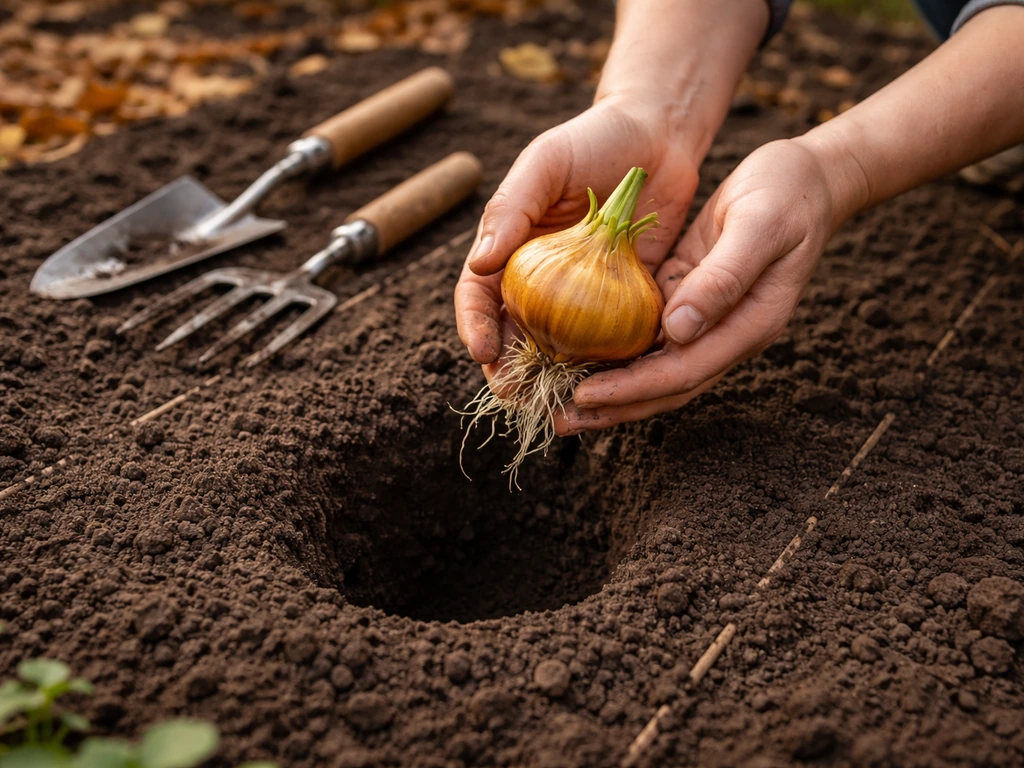
Fall planting (October through early November in most of the country) is the most common and reliable approach for true lily bulbs. Early spring planting works too, especially if you missed the fall window or purchased bulbs late. The bulbs need a cold period to establish properly, so fall timing gives them a natural head start.
Depth: plant deeper than you think
A general rule is to plant the bulb at a depth of two to three times its own height or roughly twice its diameter. For most common Asiatic and Oriental lily bulbs, that puts you somewhere between 4 and 8 inches deep. Shallow planting is one of the most common beginner mistakes. The reason depth matters is not just anchoring: as the stem emerges from the bulb and grows upward, it develops a second set of feeder roots right along the stem. Those stem roots improve water and nutrient uptake dramatically. If the bulb is too shallow, the stem has no room to develop those roots before it hits air.
LA hybrid lilies are sometimes cited at around 2 inches deep, but for most garden lily types, err on the deeper side of the range. When in doubt, go deeper rather than shallower.
Spacing and a tip most beginners skip
Space bulbs 12 to 18 inches apart in a field setting. Tighter spacing creates a fuller, more naturalistic look but reduces airflow, which matters for disease prevention. After planting, mark exactly where each bulb went. This sounds overly cautious until spring arrives and you accidentally drive a garden fork through a fat new shoot that you did not see emerging. The shoots are brittle and break easily, and losing a shoot means losing that stem's blooms for the entire year.
Watering and fertilizing once things get growing
True lilies need consistent moisture during active growth, but they do not like sitting in wet conditions between waterings. In an open field, rainfall typically handles a lot of this during spring and early summer. During dry stretches, water deeply once or twice a week rather than lightly every day. Deep watering encourages roots to grow down, which makes plants more drought-tolerant through the season.
Fertilizing schedule that actually works
When shoots first emerge in spring, apply a balanced complete fertilizer like 10-10-10 to the soil around each plant. This is the feeding that sets up stem strength, leaf development, and ultimately flower size. Follow up with smaller supplemental feedings every 4 to 6 weeks through the growing season until buds begin to open. Once the plant is in bloom, back off fertilizing. If you planted in fall, you can top-dress the planting area then with a slow-release balanced fertilizer like 10-10-10 or 10-15-10 so nutrients are available as soon as roots begin to grow in spring.
One thing I want to emphasize because it catches a lot of people off guard: do not cut the foliage down after blooming. The leaves are still working. They are photosynthesizing and sending energy back down into the bulb to fuel next year's growth and flowering. Cutting them early is effectively starving next year's blooms. Let the foliage yellow and die back naturally before removing it. True lilies bloom only once per year, so this storage phase matters a lot, unlike daylilies that keep producing new buds across a longer window.
Ongoing care: mulch, weeds, pests, and disease
Mulching
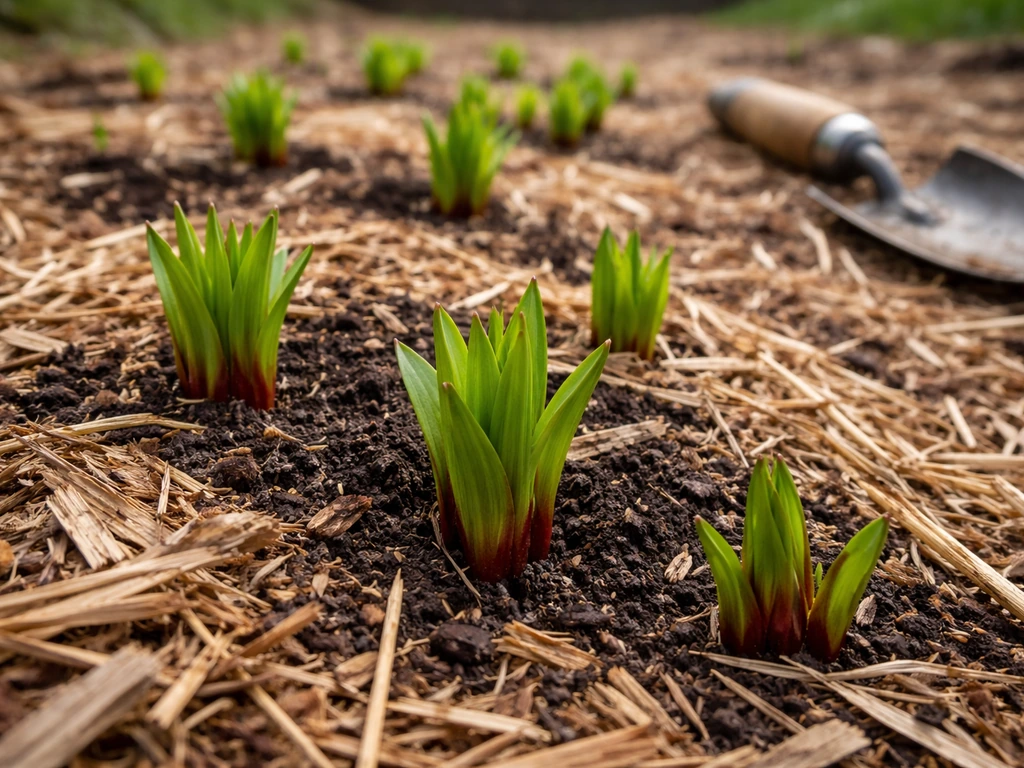
Apply 2 to 3 inches of organic mulch (straw, shredded bark, or wood chips) over the planting area after shoots emerge in spring. Mulch does several things at once: it keeps soil moisture more consistent, moderates soil temperature during heat spikes, suppresses weeds that compete with establishing bulbs, and keeps mud from splashing up onto lower leaves, which helps reduce disease pressure. In colder climates, adding a heavier layer of mulch in late fall also protects bulbs from freeze-thaw cycles that can heave them out of the ground.
Weed management
Weeds compete aggressively for the nutrients and moisture your lily bulbs need while establishing. In an open field setting, weed pressure can be intense. Stay on top of weeding early in the season when the plants are small and vulnerable. Once your lilies are established and leafy, they can handle light weed competition better, but the first season is critical. Mulching reduces this workload significantly.
Lily leaf beetle
If you are growing true Lilium species, the lily leaf beetle is the pest you need to watch for most closely. These bright red beetles and their larvae (which cover themselves in their own excrement, so they are easy to spot even if gross) can defoliate plants rapidly. Handpicking adults, larvae, and egg masses off leaves is genuinely effective if you are consistent about it. Check the undersides of leaves regularly starting in spring. For larger plantings, neem oil or insecticidal soaps applied with good timing offer additional control. The important thing is to start monitoring early and act fast when you first see damage.
Botrytis and other disease issues
Botrytis (gray mold) is the most common disease problem for lilies. It shows up as gray, fuzzy patches on leaves, stems, buds, and flowers, usually during cool, humid, wet weather. The best prevention is good airflow (which open field settings naturally provide), avoiding overhead watering late in the day, and not letting leaf debris pile up around the base of plants. Botrytis can affect both true lilies and daylilies, so this is a general lily-family problem to watch for. Proper drainage from the start reduces the damp conditions that let it spread.
Climate suitability and troubleshooting when growth goes wrong
Most commonly grown true lilies are perennial across a wide range: USDA Hardiness Zones 3 through 9. That covers the vast majority of the continental United States and most of Canada's gardening regions. Asiatics are among the hardiest, tolerating cold winters well. Oriental lilies and more exotic types can be a bit more temperamental in harsh climates. If you are at the colder end (Zone 3 or 4), heavier mulching in fall gives bulbs better protection. In Zone 9 and warmer, lilies can struggle because they need a cold dormancy period to reset and bloom reliably the following year.
| Problem | Likely Cause | Fix |
|---|---|---|
| Bulbs rotted before sprouting | Poorly drained soil or planting too shallow without stem root development | Improve drainage before replanting; test drainage before committing bulbs to a spot |
| Stems are leggy and weak | Not enough direct sun (less than 6 hours) | Move to a sunnier location or reduce shade sources; Asiatics need full sun |
| No blooms after first year | Foliage cut back too early after blooming | Let leaves die back naturally; they fuel next year's bulb energy reserves |
| Leaves shredded or stripped | Lily leaf beetle infestation | Handpick adults and larvae; check leaf undersides daily in spring; use neem oil if population is heavy |
| Gray fuzzy patches on leaves and buds | Botrytis (gray mold) | Improve airflow; avoid late-day watering; remove affected material promptly; do not let debris accumulate |
| Plants emerge then disappear or fail to return | Bulbs not hardy for your zone, or heaved by freeze-thaw cycles | Confirm variety hardiness for your zone; mulch heavily in fall to stabilize soil temperature |
Martagon lilies deserve a special note here. If you want lilies in a shadier field or woodland edge, martagons are genuinely the best option. They bloom later than Asiatics, handle partial shade better than any other Lilium type, and can naturalize beautifully over time. The catch: they need a permanent home. Martagons dislike being moved or disturbed and perform much better when you find the right spot from the start and let them settle in for years.
Your next steps, starting today
If it is spring or early summer right now, you can still find potted or actively growing lily starts at garden centers. If you are also looking for have you seen but a white lily grow sheet music, you can connect that song to the same lily theme with the right melody and chords. Plant them at the correct depth, water well to settle the soil around the roots, mulch immediately, and fertilize lightly. They may bloom this season or establish for a strong first full year next season depending on how late you are planting.
- Identify which lily type suits your field: Asiatics for full sun and hardiness, martagons for partial shade, Orientals for fragrance in warmer zones.
- Assess your drainage before doing anything else. Do the 12-inch water test. Fix any drainage problems first.
- Test or estimate your soil pH. Aim for 6.3 to 6.8 and amend if needed before planting.
- Get bulbs in the ground at the right depth: 2 to 3 times the bulb's height. Mark every planting spot.
- Set a fertilizing reminder for when shoots emerge in spring: balanced 10-10-10, then supplemental feedings through the season.
- Mulch after planting and check for lily leaf beetles starting in early spring. Catch them early and you will stay ahead of the damage.
- Leave foliage standing after blooms fade. Resist the urge to tidy. Your bulbs are working even when the flowers are gone.
Growing lilies in a field is genuinely one of the most rewarding things you can do with open ground. Get the drainage and planting depth right from day one, and most of the other challenges become manageable. The North American Lily Society puts it plainly: correct planting prevents most of the troubles growers run into. That is honest advice from people who have grown a lot of lilies, and it tracks with my own experience. Start with the soil, go deep with your bulbs, feed consistently, and the blooms will follow. If you are asking in an Animal Crossing context, the timing for Lily of the Valley growth differs from real-world bulbs.
FAQ
How do I tell if my soil is draining well enough for true lilies before I plant bulbs?
Do a simple drainage check by digging a hole about 12 inches deep, filling it with water, and timing how long it takes to drain. If it still looks waterlogged after roughly 1 to 2 hours, you will likely need raised beds or amended soil to reduce bulb rot risk.
What’s the best way to amend a field soil that’s too heavy or clayey for lilies?
Improve structure before planting by mixing in compost plus a drainage-friendly amendment like coarse composted leaf mold or horticultural grit, then re-test drainage. Avoid adding too much fresh manure or high-nitrogen amendments, which can encourage rot and lush, weak growth.
Can I grow lilies in a field if I only get morning sun and afternoon shade?
Many lilies will grow with morning sun, but flower density can drop if total direct sun falls below about 6 hours. For partial shade, martagon lilies are the most reliable choice, and you should prioritize airflow by not letting taller plants or weeds block circulation.
What should I do if I accidentally planted lily bulbs too shallow?
If shoots have not emerged yet, you can carefully replant deeper by loosening soil around each bulb and resetting depth to about two to three times the bulb height. If shoots have already appeared, replanting may break stems, so consider leaving them and closely monitor for weaker performance rather than risking severe damage.
How often should I water lilies in a field during dry weather, and how do I avoid overwatering?
Water deeply once or twice per week during dry stretches, aiming to moisten the root zone rather than keeping the surface wet. A good rule is to water only when the top few inches begin to dry, since consistently moist soil between rains is what promotes rot.
Do lilies need overhead watering, or is there a better method for disease prevention?
Use drip irrigation or water at the soil line when possible, especially in the late afternoon. Avoid wetting leaves at night, because Botrytis thrives during cool, humid conditions with lingering leaf moisture.
Should I fertilize lilies in bloom, or stop feeding once flowers appear?
Back off after buds begin opening, because excess late feeding can produce soft growth that is more vulnerable to disease and won’t necessarily improve blooms. If you want one last boost, stick to a light, balanced top-dress rather than heavy nitrogen applications.
How do I manage weeds in the first year without disturbing lily bulbs?
Weed early when plants are small, then rely on mulch once shoots are up. Avoid hoeing deeply near bulbs, shallow hand weeding is safer, and pulling weeds after they flower can still help because it prevents competing regrowth and seed set.
What’s the safest time to remove lily foliage, and how do I know it’s ready?
Let leaves yellow and die back naturally until the plant is clearly finished feeding the bulb. If you cut while foliage is still green, you reduce next year’s energy reserves, and the following season may show fewer or smaller blooms.
Do lily beetles come back every year, and how should I plan control for a large field?
They often reappear season to season, and populations can build quickly if you start late. For field plantings, schedule regular inspections of leaf undersides starting in spring, and combine hand removal with targeted treatments only when you first see eggs or early larvae.
My lilies got gray mold after a rainy spell, what should I remove or salvage?
Remove and dispose of badly affected leaves or blossoms promptly, and avoid composting infected debris if you’re dealing with active Botrytis. Improve airflow by keeping weeds trimmed and, if practical, reduce sources of persistent leaf wetness in future weeks.
Will lilies naturalize in a field, or do I need to dig and replant them?
Many true lilies will persist for years if you leave them undisturbed, but over time clumps can crowd and performance may dip. Plan to lift and divide only when blooms decline noticeably, and replant promptly at the correct depth to avoid long exposure of bulbs.
In zones on the warmer end, how do I handle lilies that struggle with lack of cold dormancy?
In warmer climates, choose lily types known to handle heat and plan extra protection with heavier fall mulching to stabilize soil temperature. If your winters stay mild, you may see weaker dormancy and reduced blooms, so soil moisture control and heat management become even more important.
Next Articles
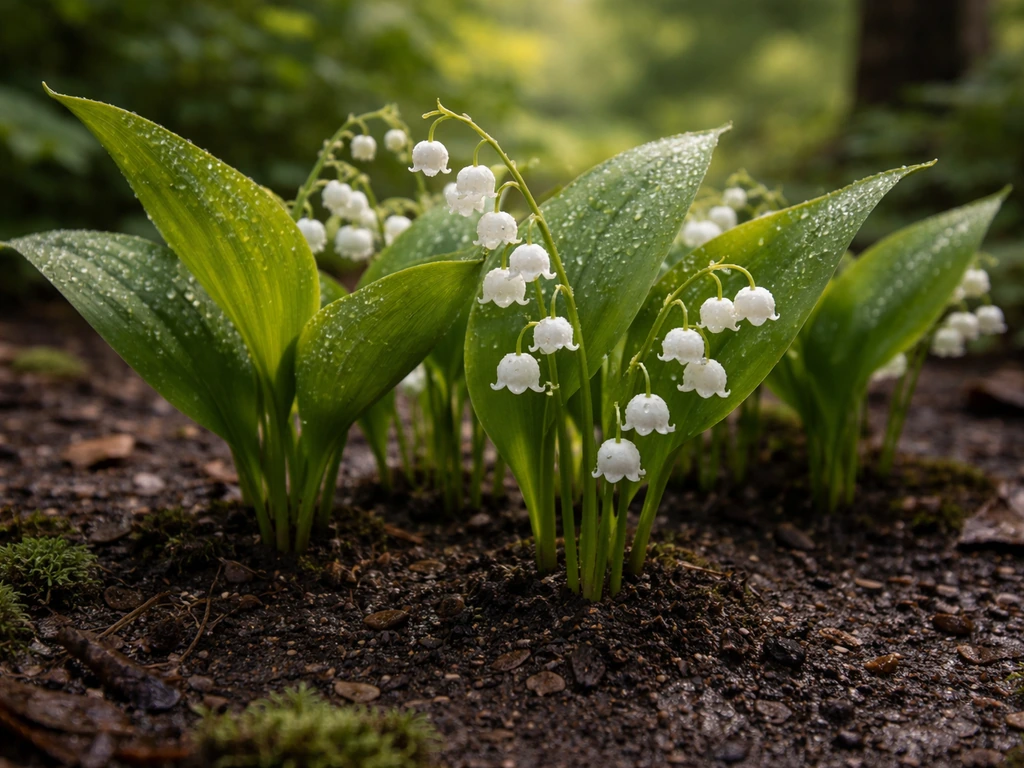
Can Lily of the Valley Grow in Water? What to Do Instead
Learn if lily of the valley grows in water, risks like rot, and best moist-soil setup plus quick next steps.

Do Lilies Grow in the Valley? Find the Right Type
Learn which lily types grow in valley microclimates, with planting tips, care checklist, and fixes for winter kill and r

Have You Seen But a White Lily Grow: Sheet Music or Gardening?
Find the right have you seen but a white lily grow sheet music fast or grow true white lilies with care tips.