
Yes, lilies can grow in the valley, but which lily and how well depends almost entirely on what your valley actually throws at them: shade, cold air pooling, soggy soil, or all three at once. Lily of the valley (Convallaria majalis) thrives in exactly those shady, moist valley conditions. If you are wondering how often lily of the valley grows, it typically spreads and returns each season as long as the rhizomes stay in the right shaded, moist conditions.
Do Lilies Grow in the Valley? Find the Right Type

Marcus Hendricks
14 May 2026
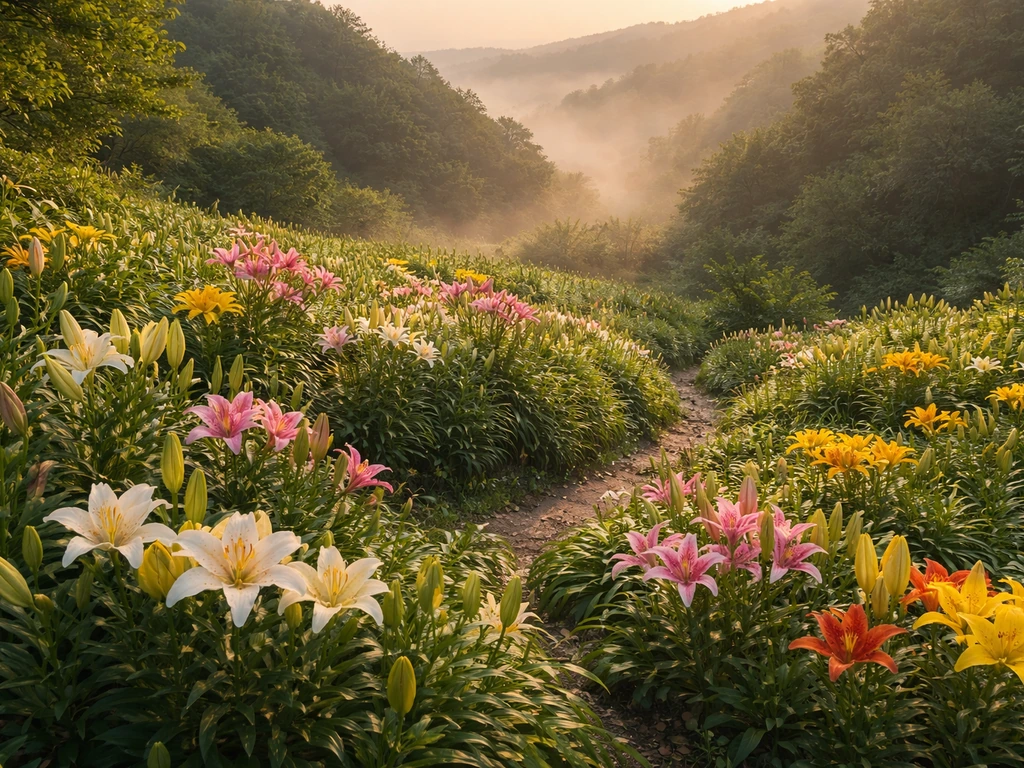
True lilies (Lilium) and daylilies (Hemerocallis) can work too, but they need a spot with decent drainage and at least 6 hours of sun. Calla lilies are the trickiest in cold valleys because temperatures below 41°F can kill their rhizomes. Once you know what your valley's microclimate actually does, picking the right lily is straightforward.
Which lily types work in a valley (and which ones don't)
Not all plants called 'lilies' are remotely related, and that matters a lot for valley growing. Here's the quick rundown before you buy anything.
| Lily Type | Botanical Name | USDA Zones | Shade Tolerance | Drainage Needs | Valley Suitability |
|---|---|---|---|---|---|
| Lily of the valley | Convallaria majalis | 3–8 | High (partial to full shade) | Moist, well-drained | Excellent — made for shady valley spots |
| True lilies (Asiatic, Oriental, etc.) | Lilium spp. | 3–8 depending on type | Low — needs 6+ hours sun | Critical — bulbs rot in wet soil | Good if drainage is sharp and sun reaches |
| Daylilies | Hemerocallis spp. | 3–9 | Low — minimum 6 hours sun | Moderate — tolerates some moisture | Good in sunny valley openings |
| Calla lily | Zantedeschia spp. | 8–10 (tender elsewhere) | Moderate | Moderate | Risky in cold valleys — must overwinter indoors below Zone 8 |
| Peace lily | Spathiphyllum spp. | Houseplant only in most zones | High | Well-drained potting mix | Indoor valley window plant only |
| Water lily | Nymphaea spp. | Varies by type | Full sun preferred | Aquatic — needs standing water | Perfect if your valley has a pond or stream |
What does 'the valley' actually mean for your plants?

Before you plant anything, you need to translate 'valley' into actual growing conditions. Low-lying areas create microclimates that can be dramatically different from the surrounding landscape, sometimes by a full USDA zone or more. Cold air drains downhill and pools at the bottom, so frost hits valley floors earlier in fall and later in spring than nearby hillsides. If you've ever watched fog settle into a low spot, that's exactly the kind of lingering humidity that encourages gray mold (Botrytis) on lily blooms and bulbs.
Walk your valley site on a cold morning and check where frost forms first and stays longest. That frost pocket is your hardest spot to plant tender lilies. Also look at sun exposure: valley walls and tree cover can cut available sun to 3 or 4 hours a day even when the open sky looks bright. Note where water runs or pools after heavy rain, because that tells you where drainage problems will rot bulbs in winter.
If you're in the western US, 'valley' often means a hot, dry basin with full sun and low humidity, which is very different from a cool, shaded Appalachian hollow or a Pacific Northwest ravine. Your USDA hardiness zone is a starting point, but your specific valley microclimate is what actually decides success.
Sorting out which 'lily' you're actually dealing with
This is worth spending a minute on because people search for 'lilies in the valley' meaning very different plants. True lilies belong to the genus Lilium and grow from scaly bulbs. Asiatic, Oriental, and trumpet lilies are all in this group, and they're what most gardeners picture when they say 'lily.' Daylilies (Hemerocallis) are not true lilies at all, they grow from fleshy roots, not bulbs, and they're far more adaptable. Lily of the valley (Convallaria majalis) is a rhizomatous groundcover, and despite the name it's not related to Lilium in any meaningful way. Calla lilies (Zantedeschia) grow from rhizomes and are tender in cold climates. Water lilies are aquatic. Peace lilies are tropical houseplants.
Why does this matter for valley growing? Because their needs are completely different. Lily of the valley was practically designed for the shaded, moist conditions you often find in valley settings. True Lilium bulbs will rot in a poorly drained, perpetually wet valley floor. Daylilies are tougher but still want sun. Get the ID right first, then pick your planting strategy. If you've been wondering whether lily of the valley can grow in standing water, that's a specific question worth exploring separately since even moisture-lovers have limits.
Light and water: what valley conditions actually deliver
Sun requirements by lily type
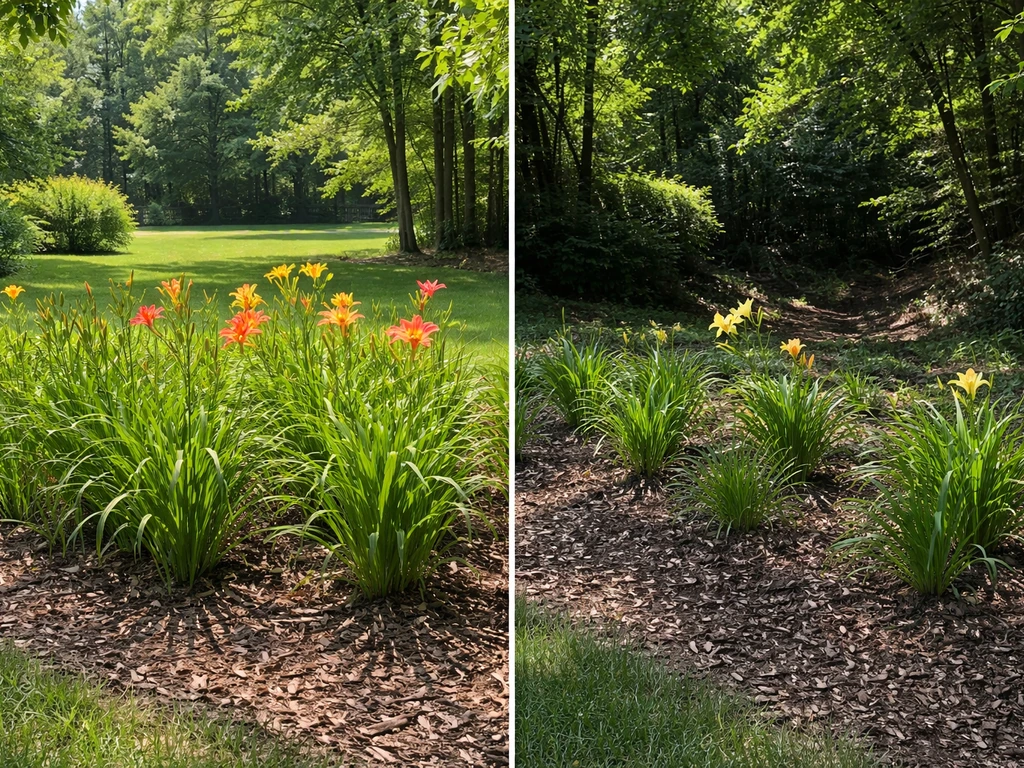
Daylilies and true Lilium both need a minimum of 6 hours of direct sun to flower reliably. If your valley is shaded by trees or steep slopes for most of the day, neither will perform well, you'll get green foliage and disappointing blooms, or no blooms at all. Lily of the valley, on the other hand, handles partial shade (4 to 6 hours) and even full shade (4 hours or less) without complaint, which makes it the natural choice for a wooded valley floor. If your valley is open and sunny, you have the full menu available, provided drainage is in order.
Water and drainage: the make-or-break factor
Drainage is the single most critical soil characteristic for true Lilium bulbs. Prolonged saturation in compacted or poorly drained soil leads to bulb rot fast. If your valley floor stays wet for more than a day or two after heavy rain, Lilium is not the right choice there without serious soil amendment or raised beds. Daylilies tolerate more moisture than true lilies but still don't want waterlogged roots. Lily of the valley prefers moist, well-drained soil, 'moist' is fine, 'boggy' is not, despite what many gardeners assume. Aim for about 1 inch of water per week for daylilies, adjusting upward slightly on sandy soils. For true lilies, consistent moisture matters but standing water around bulbs is fatal.
Soil and site prep that actually matters
Valley soils are often heavy clay accumulated by water movement, or they're compacted from years of runoff. Both scenarios are problematic for true lily bulbs. Before you plant, dig a test hole, fill it with water, and check how fast it drains. If water is still sitting after an hour, you need to improve drainage before putting any bulb in the ground.
- Work in 3 to 4 inches of compost or aged organic matter to improve both drainage in clay soils and water retention in sandy soils — it fixes both problems.
- Target a soil pH of 6.0 to 6.5 for most lilies. Lily of the valley tolerates a slightly wider range but still prefers slightly acidic to neutral soil.
- For true Lilium bulbs in heavier clay soil, plant 1 to 2 inches shallower than you would in light sandy soil to keep bulbs out of the worst wet zone. In sandy soil, go 1 to 2 inches deeper for moisture retention.
- In confirmed frost pockets, raise the bed 6 to 8 inches to improve cold-air drainage and warm soil faster in spring.
- Remove rocks and debris that could cause water to pool around individual bulbs.
- If your valley is prone to standing water, seriously consider raised beds or a sloped planting area rather than fighting the drainage issue with amendments alone.
When and how to plant: a practical schedule
Timing
True lily bulbs (Lilium) can go in either spring or early fall. For fall planting, the target window is when soil temperatures drop to around 50 to 55°F but before the ground freezes, usually several weeks before your first hard frost. For spring, plant as soon as the ground is workable and soil temps have warmed above freezing. Daylily divisions are best planted in spring or early fall.
Lily of the valley pips (the small rhizome divisions) transplant well in early spring or fall. Calla lily rhizomes go in after your last frost date in spring, and in valleys with cold winters below Zone 8, you'll need to dig and store them indoors before first fall frost.
UMN Extension also notes that in Minnesota, calla lily rhizomes need to be dug up in the fall and kept indoors over winter, since they are not reliably winter-hardy there calla lily rhizomes go in after your last frost date in spring.
Planting depth and spacing
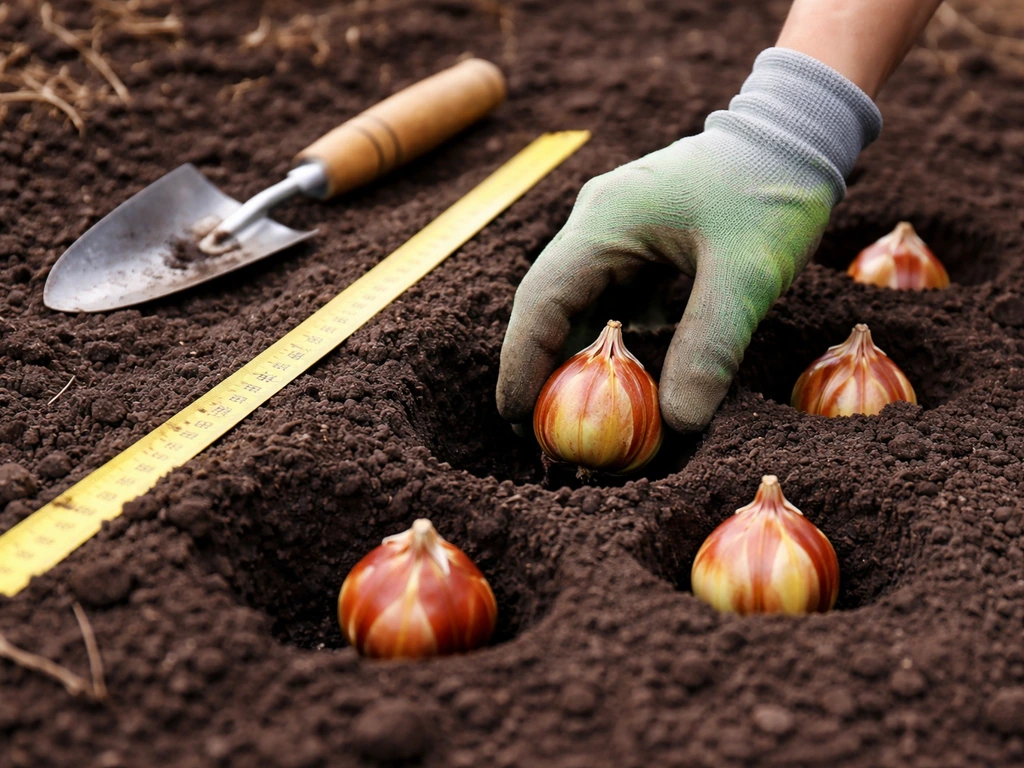
- True lily bulbs: plant 3 times the height of the bulb deep (typically 6 to 8 inches in average soil), adjusting 1 to 2 inches shallower in clay, deeper in sand. Space 8 to 12 inches apart.
- Daylilies: plant crowns at or just below the soil surface, 18 to 24 inches apart.
- Lily of the valley pips: plant with the tips just at the soil surface, 3 to 6 inches apart for groundcover effect.
- Calla lily rhizomes: plant 2 to 4 inches deep, 12 to 18 inches apart after all frost risk has passed.
Feeding, mulching, and watering through the season
Apply 2 to 3 inches of mulch (shredded bark, straw, or compost) around newly planted bulbs and rhizomes to moderate soil temperature, retain moisture, and provide winter protection in cold valleys. For true lilies, this mulch layer is especially important after fall planting because valley frost pockets can push frost deeper into the soil. Feed true lilies and daylilies with a balanced slow-release fertilizer when shoots emerge in spring, and again when buds form. Avoid high-nitrogen formulas that push leafy growth at the expense of blooms. Water to maintain about 1 inch per week during active growth. Do not cut lily of the valley or Lilium foliage back until it dies down naturally, because those leaves fuel next year's blooms.
Troubleshooting the most common valley problems
Rotting bulbs and rhizomes
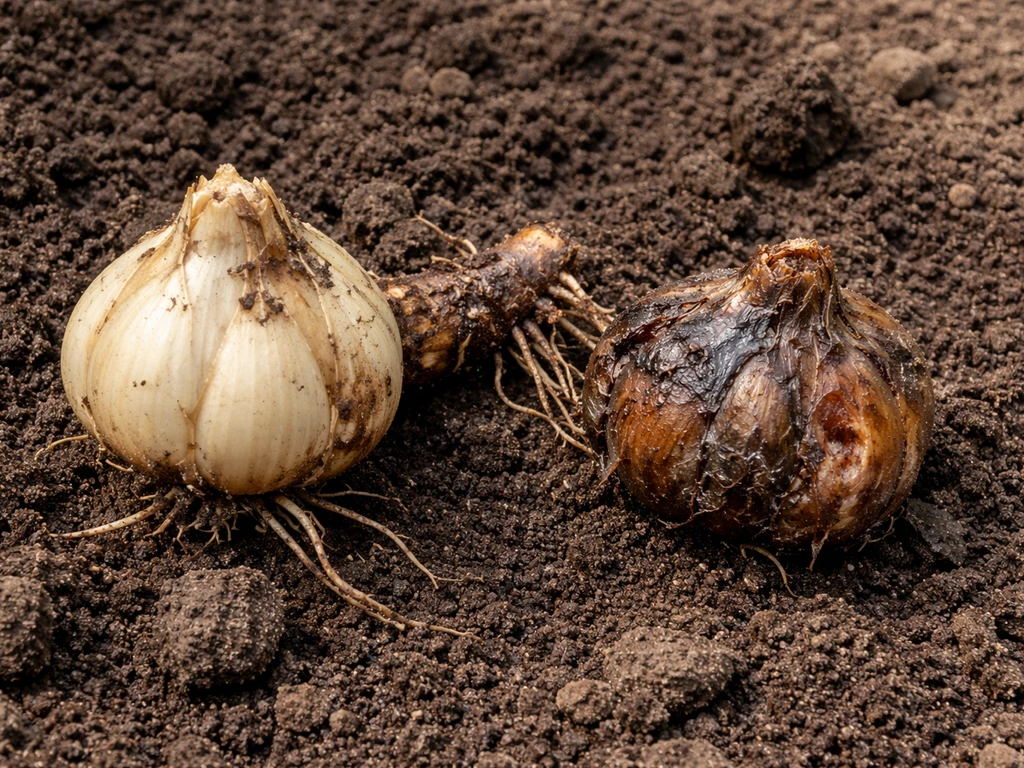
This is the number one valley problem for true Lilium. If you're losing bulbs over winter, drainage is almost certainly the culprit. Dig a failed bulb and look for mushy, discolored tissue, that's rot. The fix is not to replant in the same spot without improving drainage first. Amend with grit and compost, raise the bed, or relocate to higher ground.
Gray mold (Botrytis blight)
Valleys that stay humid, foggy, or poorly ventilated are perfect for Botrytis cinerea, a fungal disease that starts as grayish fuzzy patches on flowers and foliage and can work its way into the bulb, causing crown rot and bulb decay. In high-humidity valley settings, increase air circulation by spacing plants wider than the minimum, avoid overhead watering in the evening, remove spent flowers promptly, and clean up dead foliage thoroughly in fall. If you see symptoms early, remove affected tissue immediately and apply a copper-based fungicide.
Winter kill in frost pockets
Cold air drains downhill and settles in valley floors, meaning your actual lowest temperature can be a zone colder than the official USDA zone for your address. Calla lilies are especially vulnerable, below 41°F they can be killed outright. Even hardy Lilium bulbs can heave or suffer in repeatedly freezing and thawing soil. Consistent mulch coverage of 3 to 4 inches after the ground first freezes stabilizes soil temperature through the winter. If you're in a known frost pocket, treat your valley as one zone colder than the map shows when selecting plants.
Poor blooms or no blooms
If your true lilies or daylilies produce lush foliage but few or no flowers, low light is the most likely cause. Valley shade from trees or topography can cut available sun below the 6-hour minimum both these plants need. The solution is honest: either remove shade sources, choose a sunnier location, or switch to lily of the valley, which is genuinely adapted to low-light valley conditions. Cutting back foliage too early is another common bloom killer for true lilies, as those leaves are charging up the bulb for next season.
Yellowing leaves and common pests
Yellow leaves on daylilies or true lilies mid-season often signal overwatering, poor drainage, or a nutrient deficiency (usually nitrogen early in the season). Red lily beetles and aphids are common pests on Lilium, handpick beetles and use insecticidal soap for aphid infestations. Lily of the valley has few serious pest problems, which is one reason it's a low-maintenance choice for difficult valley sites. Slugs can be an issue in wet valley settings for any ground-level planting, iron phosphate baits are effective and pet-safe.
How to confirm your valley is ready and choose the right lily today
Here's how to make a confident decision right now, rather than guessing and losing plants.
- Check your USDA hardiness zone at the USDA plant hardiness zone map, then subtract half a zone to one full zone if your site is a known frost pocket or stays cold long into spring.
- Do the drainage test: dig a hole about 12 inches deep, fill it with water, and time how long it takes to drain. Under an hour is good for true lilies. Over two hours means you need raised beds or soil amendment before planting Lilium or calla lilies.
- Count actual hours of direct sun on your valley site on a clear day. Fewer than 4 hours means lily of the valley is your best bet. Four to 6 hours gives you options if drainage is good. Six or more hours opens up the full range including daylilies and true lilies.
- If your valley is shady and moist with decent drainage: plant lily of the valley. It's the strongest match and will spread reliably as a groundcover.
- If your valley is sunny and open with good drainage: go with Asiatic lilies or daylilies. Both are reliably hardy in Zones 3–9 and will produce strong blooms.
- If you're in Zone 8 or warmer with a warm valley: calla lilies are worth trying in the ground. Cooler zones should plant calla lily rhizomes in containers so you can bring them in before frost.
- Once you've matched lily to site, plant at the right time: fall for true lilies (soil at 50–55°F), spring after frost for callas, spring or fall for daylilies and lily of the valley. Mulch everything to 2 to 3 inches after planting.
The core takeaway is this: a valley is not one thing. It's a set of conditions, light, drainage, frost timing, humidity, and each lily type lines up with a different combination of those conditions. Match the plant to what your valley actually does, not what you wish it did, and you'll have a successful planting. Once you match the right lily to your conditions, you'll be on track to grow lilies successfully in a field or valley setting. Start with lily of the valley if you're unsure, because it was practically born for shaded, moist, low-lying spots and it asks very little in return.
FAQ
Can I plant true lilies in a valley if it only gets wet in winter but drains well in summer?
It can work if the soil dries out well after winter rains. The key is that bulbs must not sit saturated for more than a day or two, so test drainage with a filled test hole and then choose spring planting if winter water lingers too long. Consider raised beds or adding coarse grit to improve winter drainage.
What’s the fastest way to figure out my valley’s frost pocket severity?
Watch where frost forms on several cold mornings, not just one day. Note the lowest spot that stays frosted longest, then compare with a nearby slope. If the lowest area consistently freezes earlier and melts later, treat it like an extra zone colder when selecting lily types.
How deep should I plant true lily bulbs in a valley?
Follow the bulb-depth rule of thumb (plant about 2 to 3 times the bulb height), then adjust for valley conditions by slightly shallower planting in very heavy clay and using a raised bed. If you plant too deep in persistently wet ground, you increase the chance of rot.
Is there a “minimum sun” workaround if my valley is only 3 to 4 hours bright?
For Lilium and daylilies, 6 hours of direct sun is the reliable threshold for consistent flowering, so with only 3 to 4 hours you will usually get foliage and few blooms. The practical workaround is switching to lily of the valley (or moving to a sunnier pocket), rather than trying to “push” Lilium with fertilizer.
Can lily of the valley tolerate drier, hotter valley basins?
It handles partial shade, but it still prefers consistently moist soil, so hot dry basins often fail unless you can keep the soil evenly damp. If your valley is a droughty basin, consider relocating to a naturally cooler, shadier spot or watering regularly during establishment.
Does mulching help prevent bulb rot in valley soil, or can it make it worse?
Mulch can help by moderating temperature swings and reducing heaving, but it does not replace drainage. In soggy valleys, heavy mulch can keep soil wet longer, so use a moderate layer (about 2 to 3 inches) and ensure water still drains away after rain.
What should I do if my lilies come up but collapse mid-season in a foggy valley?
That pattern can indicate crown issues from fungal pressure in humid, poorly ventilated conditions. Remove affected stems, improve airflow by spacing and cleanup, avoid evening overhead watering, and consider early treatment if you see gray fuzzy growth on flowers or foliage.
Why do I get lots of green growth but no flowers in my valley lily planting?
Most often it is low light, but another frequent cause in valleys is feeding with too much nitrogen, which favors foliage over blooms. Use a balanced slow-release fertilizer and avoid high-nitrogen formulas, then confirm you are meeting the 6-hour minimum for Lilium and daylilies.
Can I divide or transplant lily of the valley if it spreads into unwanted areas?
Yes, because it spreads via rhizomes, you can dig and remove sections. Do it in early spring or fall, replant immediately, and keep it in the same moist, shaded conditions to avoid transplant shock and re-growth gaps.
Are water lilies or peace lilies good choices if my “valley” stays wet year-round?
Usually no, because those are specialized plants for aquatic or indoor tropical conditions, not typical garden valley soil. If you truly have persistently wet ground, choose plants matched to that moisture regime, like lily of the valley, and address drainage or raised beds for any bulb types.
What’s the safest way to stop slugs from damaging ground-level lilies in wet valleys?
Use bait formulated with iron phosphate and place it where slugs travel, since slugs are attracted to cool, wet cover. Pair baiting with removing leaf litter and not overwatering late in the day to reduce the damp hiding spots.
Next Articles

Have You Seen But a White Lily Grow: Sheet Music or Gardening?
Find the right have you seen but a white lily grow sheet music fast or grow true white lilies with care tips.

ACNH How Often Do Lily of the Valley Grow
ACNH lily of the valley growth schedule, what controls it, and troubleshooting so you can get blooms reliably.
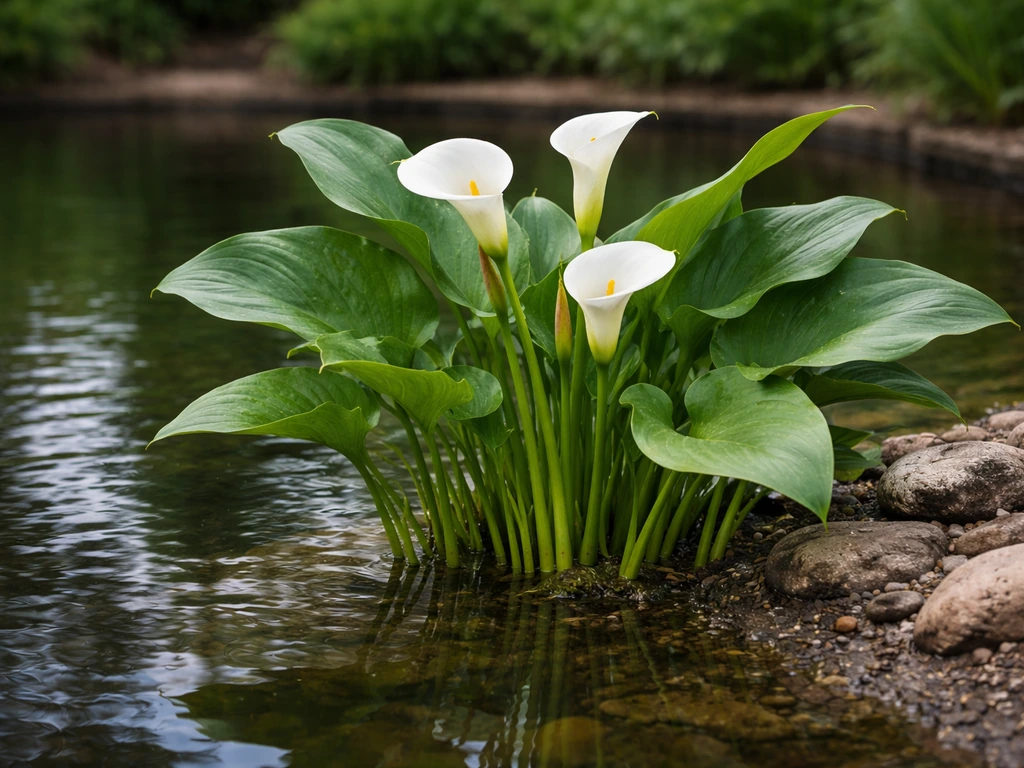
Can Calla Lilies Grow in Ponds? How to Set Up Successfully
Yes, with the right setup: water depth, substrate, anchoring, light, and overwinter care for pond or marginal calla lili