
If you searched "have you seen but a white lily grow," you landed here for one of two very different reasons: you want the sheet music for a beautiful Elizabethan-era choral piece, or you're trying to figure out how to actually grow a white lily in your garden. Both are completely valid, and this guide will help you figure out which path is yours and then give you exactly what you need to take action today.
Have You Seen But a White Lily Grow: Sheet Music or Gardening?

Marcus Hendricks
6 May 2026

What "Have You Seen But a White Lily Grow" actually is
This is a real piece of music with a long history. The lyrics come from a poem by the English playwright Ben Jonson, blank" rel="noopener noreferrer">written around 1612 as part of his comedy "The Devil is an Ass." The music is most commonly attributed to composer Robert Johnson, a lutenist who worked alongside Shakespeare and Jonson during that era. Over the centuries, the text has been arranged many times for different voices and instruments, which is exactly why you're finding multiple versions when you search for it.
The confusion around attribution is real, by the way. Some sources list the poet as Shakespeare (probably because of Johnson's close ties to the Globe Theatre), but the Ben Jonson connection is the more widely accepted one. The original melody floats in a kind of public-domain gray zone depending on the specific edition, so what you can access freely versus what costs money depends entirely on which arrangement you're after.
Sheet music or lily-growing advice? Figure out which one you need

Before going further, be honest with yourself about what brought you here. If you're a choral director, singer, music teacher, or instrumentalist who typed that phrase into a search bar, you want sheet music. If you're a gardener who saw the phrase somewhere and clicked hoping for white lily cultivation tips, you want the growing guide. The two sections below are clearly labeled, so just skip to whichever one fits.
- Sheet music seeker: you're looking for a printable or digital score for voice, choir (SATB or unison), or piano, possibly for a performance or classroom.
- Lily grower: you want to know how to plant, water, fertilize, and troubleshoot white lilies in your garden or containers this season.
How to find the exact sheet music version you want
There are several distinct published arrangements floating around, and picking the wrong one is genuinely frustrating, especially if you're a director buying copies for an ensemble. Here's how to narrow it down before you spend a dollar or click print.
Know which arrangement you're after
The two most commonly referenced editions right now are the Henry H. Leck arrangement for Unison choir (published by Colla Voce Music, catalog number 21-20508, previously listed as HL-508) and the Eric W. Hodges SATB octavo arrangement (J.W. Pepper ID 11213741). These are completely different settings of the same text. The Leck unison edition is a three-page octavo with optional guitar, which makes it accessible for younger choirs or smaller ensembles. The Hodges SATB version is described as a contemporary choral setting and is better suited to four-part adult ensembles. There's also a separate SATB edition published by Music Sales Corp (catalog 14014565) that shows up at Stanton's Sheet Music, so read catalog numbers carefully.
| Arrangement | Voicing | Publisher / Catalog # | Format | Notes |
|---|---|---|---|---|
| Henry H. Leck | Unison | Colla Voce Music / 21-20508 (HL-508) | Octavo, 3 pages, opt. Guitar | Good for young or small choirs; preview available at Stanton's |
| Eric W. Hodges | SATB | J.W. Pepper / ID 11213741 | SATB Octavo | Contemporary setting; min. 5 copies required for ensemble purchase |
| Music Sales Corp edition | SATB | Music Sales Corp / 14014565 | Octavo | Separate from Hodges; verify before ordering |
Verify before you buy or print
Both Stanton's Sheet Music and Sheet Music Plus offer preview options before purchase. Use them. For the Leck unison edition specifically, Stanton's has a preview score that lets you check the key, layout, and page count (it's three pages, which is a useful sanity check). Sheet Music Plus previews are marked as copyright-only, meaning you can look but not print the preview itself. J.W. Pepper shows the SATB edition with a print-immediately option, but note that ensemble orders require a minimum of five copies, which is standard practice for octavo choral music.
The public domain option

IMSLP (the Petrucci Music Library) lists "Have you seen the bright lily grow?" by Robert Johnson under a public domain copyright classification. Because the original composition dates to around 1612, the underlying musical work is centuries out of copyright. However, a modern arranger's edition (like Leck's or Hodges's) is separately copyrighted, so downloading a scanned copy of the original historical source is fine, but you cannot legally use a modern arrangement without purchasing it. If you want the bare historical melody and lyrics without a modern arrangement, IMSLP is a legitimate free starting point.
Legality and practical ways to get the music in your hands today
Here's the honest breakdown. Modern choral arrangements are copyrighted, full stop. Scanning, photocopying, or sharing a purchased PDF beyond the number of licensed copies is infringement, regardless of whether you're a school, church choir, or individual. Sheet Music Plus sells digital downloads as password-protected PDFs and explicitly states you may only print the number of copies you purchased. If you lose a copy, there's a replacement process, but you can't just print five from one purchase without buying five copies.
Practically speaking, here's how to get what you need right now without any legal headaches:
- Use IMSLP for the original Robert Johnson setting: free, public domain, and legal to download and print.
- Purchase the Leck unison arrangement directly from Stanton's Sheet Music (SKU 21-20508) or Sheet Music Plus as a digital download; you'll get a watermarked PDF with restricted use language, but it's yours to print.
- For the SATB Hodges version, order through J.W. Pepper (ID 11213741) and budget for the five-copy minimum if you're outfitting a choir.
- Check your local public library: many library systems have subscriptions to services like Naxos Music Library or hold physical octavo collections that can be borrowed for educational use.
- If you're a university faculty member or student, check your institution's digital library access. Butler University, for instance, hosts an electronic score for the 21-20508 edition with a watermarked file and clear restricted use terms.
If you actually meant the lily-growing side of things
Maybe you're a gardener who stumbled onto this phrase while researching white lilies for your yard. Fair enough. "Have you seen but a white lily grow" is genuinely evocative of the real plant, and it's a reasonable search path to land on. Here's what you actually need to know to grow white lilies successfully this season.
Which white lily are you growing?
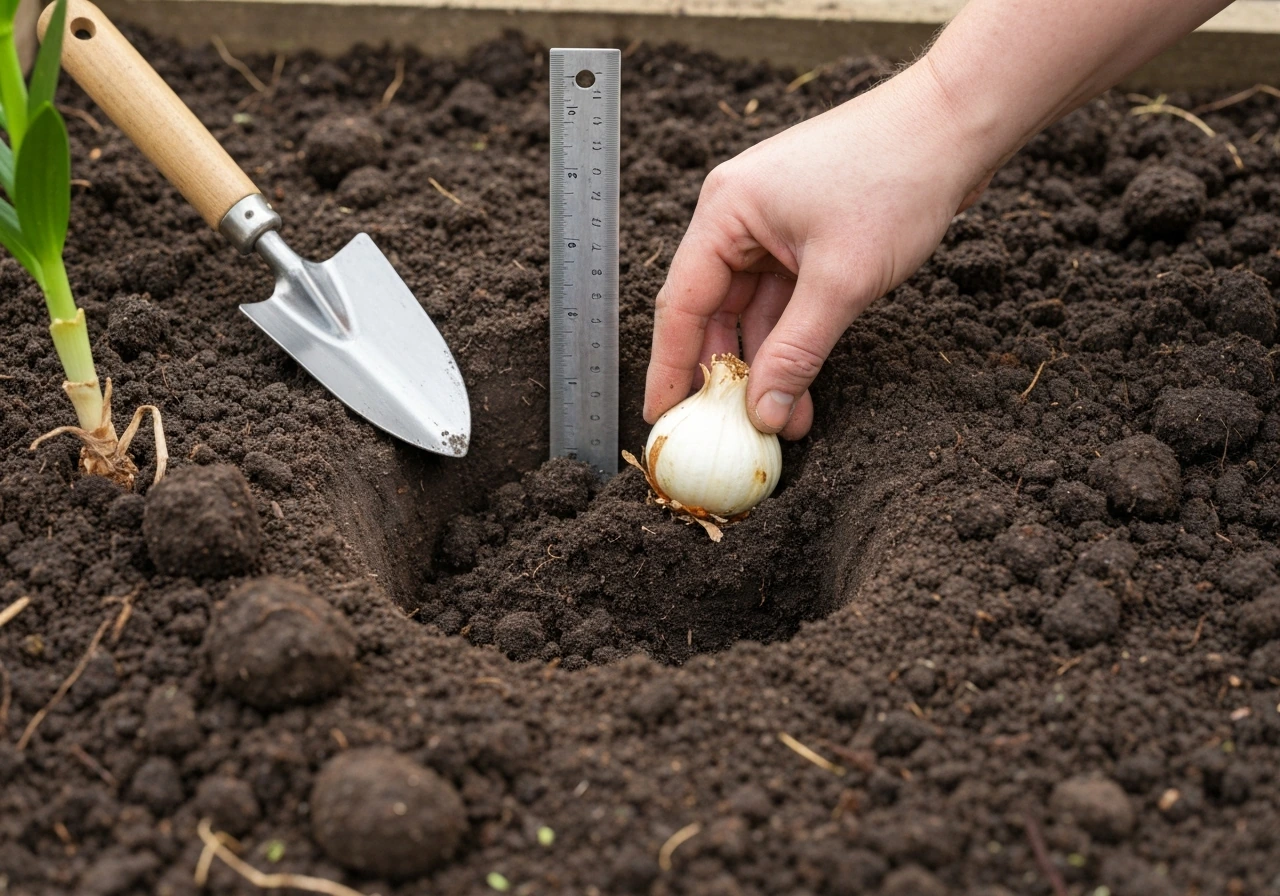
"White lily" covers a lot of ground, but the most classic candidate, and the one most directly tied to that poem's imagery, is the Madonna lily (Lilium candidum). It's one of the oldest cultivated flowers in history, produces pure white trumpet-shaped blooms, and has some quirks that trip up a lot of gardeners (including me, early on). There are also white Asiatic lilies, white Oriental lilies, and Easter lilies, which share many care requirements but differ in a few important ways. The guidance below applies broadly to white-flowered true lilies, with Madonna lily callouts where it differs.
Light, soil, and planting depth
Most lilies want full sun, which means at least six hours of direct light per day. They can handle partial shade but you'll notice fewer blooms and weaker stems in shadier spots. Soil needs to be well-drained above everything else. Waterlogged soil is the number-one killer of lily bulbs. Shoot for a slightly acidic to neutral pH, around 6.0 to 7.0, and if your native soil is heavy clay, amend it generously with compost and grit before planting.
Planting depth for most lilies is typically two to three times the bulb's diameter, usually around 6 inches deep. A similar rule-of-thumb for lily bulbs is also discussed in an r/GardeningAustralia thread, where commenters suggest planting around 10, 20 cm deep (roughly twice the bulb height), noting that variety affects the exact depth Reddit r/GardeningAustralia comment suggests planting lily bulbs about 10–20 cm deep (roughly 2x the bulb height).
Madonna lily is the notable exception: plant it shallowly, barely covered or even half-exposed at the surface, which mimics how it grows naturally. If you bury a Madonna lily bulb deep like you would an Asiatic, it won't perform well. That's a mistake I've seen made repeatedly, and it's a discouraging first season when you don't know why.
Watering and drainage
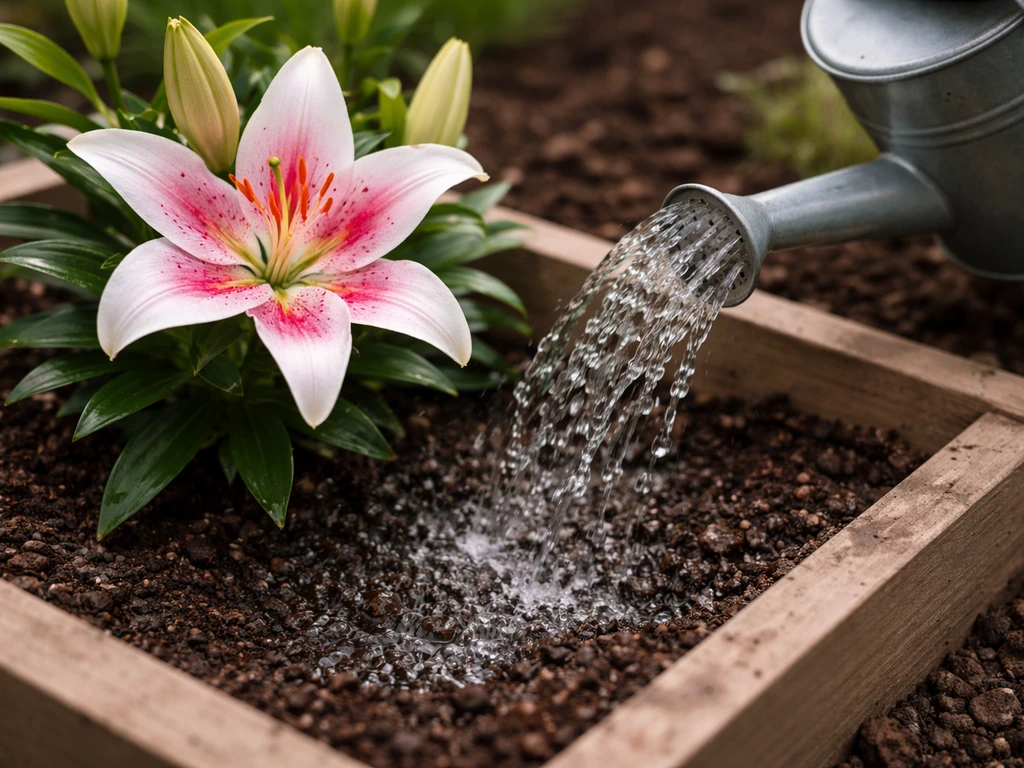
Lilies want consistent moisture during the growing season, but they absolutely cannot sit in standing water. Water deeply and then let the top inch or two of soil dry out before watering again. Mulching around the base with straw, pine needles, or shredded leaves helps retain moisture between waterings, moderates soil temperature, and reduces fungal splash-up. Good air circulation around the foliage also matters: crowded, damp leaves invite Botrytis and other fungal issues fast. UC Statewide IPM notes blank" rel="noopener noreferrer">Botrytis blight, or gray mold, is more likely to develop when conditions are humid or the plants stay moist.
Growing in containers vs. in-ground
Lilies grow well in containers if you give them enough room. Use at least one gallon of quality potting mix per mature bulb, and make sure the container is at least 8 to 12 inches deep with ample drainage holes. Add a slow-release fertilizer like Osmocote at planting time and top up with fresh potting mix as shoots grow. The trade-off with containers is overwinter care: lily bulbs need cool winter conditions to flower well the following year, and a warm indoor environment won't cut it. In mild climates (roughly USDA zones 7 and warmer), containers can stay outside. In colder zones, move pots to an unheated garage or shed where they stay cool but don't freeze solid.
Climate and USDA zone fit
Madonna lily (Lilium candidum) is reliably hardy in USDA zones 5 through 9. Most Asiatic lilies extend a bit further north (zones 3 to 9). Oriental lilies are less cold-tolerant and do best in zones 5 to 9 as well. If you're in zone 4 or colder, mulching heavily before the ground freezes is non-negotiable for overwintering in-ground bulbs. Use 4 to 6 inches of straw or leaves after the first hard frost.
Feeding white lilies
A slow-release balanced fertilizer worked into the soil at planting covers most of the season's nutritional needs. You can follow up with a liquid feed (low in nitrogen, higher in potassium and phosphorus) when buds form to support flowering. Avoid heavy nitrogen applications once the plant is established: you'll get lush green growth and disappointing bloom.
When your white lily isn't thriving: quick troubleshooting
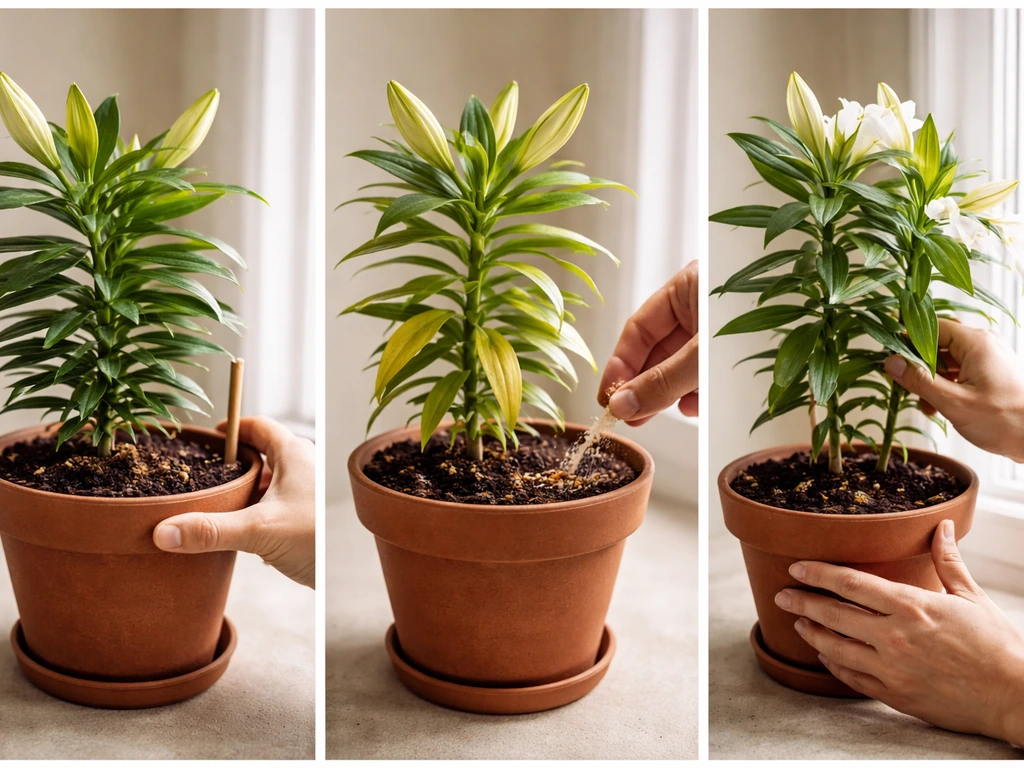
Even when you do most things right, lilies have a few common failure modes. Here's what to look for and what to do about it this week.
| Problem | Most Likely Cause | What to Do |
|---|---|---|
| No blooms or very few flowers | Insufficient light, bulb planted too deep (Madonna lily), or skipped cool dormancy period | Relocate to full sun; check planting depth; ensure bulbs get a cool winter rest |
| Flowers aren't truly white (yellowed or off-white) | Excess heat, age of bloom, or iron/nutrient deficiency affecting color expression | Provide afternoon shade in very hot climates; verify soil pH is 6.0–7.0; check feeding schedule |
| Yellow lower leaves | Fusarium basal rot or natural senescence; also overwatering | Check drainage immediately; inspect bulb for soft/brown rot; remove affected tissue; plant deeper in pot to encourage stem roots if Fusarium is suspected |
| Oval reddish-brown to tan spots on leaves | Botrytis blight (gray mold) | Remove and dispose of affected leaves; improve air circulation by spacing plants further apart; reduce leaf wetness by watering at the base |
| Leaves or stems stripped or chewed | Lily leaf beetle larvae | Hand-pick larvae and adults; inspect undersides of leaves daily; treat with neem oil or an appropriate insecticide for your region |
| Weak, floppy stems | Too much shade, overcrowding, or nitrogen-heavy fertilizing | Stake as needed; move to brighter spot; reduce nitrogen feed |
One thing worth knowing: the two most serious fungal diseases of lilies are Botrytis blight and basal rot. Both are far easier to prevent than to cure. Good drainage, proper spacing for air movement, and cleaning up dead plant material in fall are your best defenses. If you lost a lily last season to rot or mold, don't replant in the same spot without amending the soil and improving drainage first.
Your action checklist for this week
Whether you came here for sheet music or for gardening advice, here's a fast, practical checklist to take action today:
- Sheet music: decide whether you need unison (Leck, Colla Voce 21-20508) or SATB (Hodges, Pepper 11213741 or Music Sales 14014565) before you purchase anything.
- Sheet music: use the preview function at Stanton's or Sheet Music Plus to confirm key, page count, and instrumentation before buying.
- Sheet music: for the free historical setting, go to IMSLP and search Robert Johnson's "Have you seen the bright lily grow?"
- Sheet music: buy only the number of copies you need; digital downloads from Sheet Music Plus are password-protected PDFs limited to licensed print quantities.
- Lily growing: confirm which white lily variety you have (Madonna lily vs. Asiatic vs. Oriental) because planting depth and zone hardiness differ.
- Lily growing: check your soil drainage before planting; if water pools for more than an hour after rain, amend with compost and grit or switch to containers.
- Lily growing: plant Madonna lily bulbs shallowly (barely covered); plant other true lilies at 6 inches deep in well-drained, pH 6.0–7.0 soil in full sun.
- Lily growing: add slow-release fertilizer at planting and mulch around the base to retain moisture and reduce fungal splash.
- Lily growing: if you're seeing leaf spots or chewed foliage, address Botrytis or lily beetle now before the damage spreads.
If your interest in white lilies goes beyond this piece, it's worth knowing that lilies in general have a wide range of growing environments. If you're wondering about the landscape question "do lilies grow in the valley," the key is matching the soil and drainage conditions to the specific lily you’re planting.
If you're specifically growing lily of the valley in ACNH, you might be wondering how often it shows up and grows, and the answer depends on the in-game conditions white lilies. Some thrive in open fields, some adapt to containers, and certain species like lily of the valley have very different water and soil needs compared to true Lilium species. Understanding which lily you're working with is always the first step to getting it right.
FAQ
When I’m buying sheet music, how do I know if I’m getting only the vocal parts or also the accompaniment/score?
If you want the text only, look for editions labeled with the poet and the arranger but search specifically for “accompaniment” or “piano reduction” if you are buying for rehearsal. Many publishers separate the choral parts from the score, so confirm whether the PDF includes both SATB/TTBB parts and an accompaniment track or piano score.
Can I print or save the previews from Sheet Music Plus or Stanton’s to help rehearsal planning?
“Preview” rules differ by retailer. If a site marks the preview as copyright-only, you can usually view layout and page count, but printing or saving the preview pages can violate their terms. Use the preview to confirm key, scoring, and instrumentation, then purchase the full edition you need for your ensemble.
Why does the same title feel different between editions, and how can I avoid choosing a version that doesn’t fit my choir?
Check the edition name and instrumentation first, then confirm the voicing. Unison settings (like Leck’s) often sound fuller with a piano or guitar option, while SATB octavos (like Hodges’s) assume four-part balance, so a mismatch can create rehearsal chaos even if it uses the same lyrics.
If the melody is public domain, can I legally download a scanned modern copy of the arrangement without buying it?
The public domain status usually applies to the underlying early composition, not to a modern arranger’s score. In practice, you should treat any modern PDF, scanned edition, or new engraving as copyrighted unless the publisher explicitly states it is freely licensed, and you should purchase licensed copies for your group size.
What should I check in the preview to make sure the performance details match what my choir needs?
If your goal is a performance-grade experience, prioritize an edition that includes dynamics, articulation, and any spelling or pronunciation notes. Some editions omit performance markings or vary the rhythm across measures, so compare a few lines in the preview to what your singers expect before buying.
My lilies are not coming up or are weak after planting, what are the most common causes I should troubleshoot first?
For gardening, most lily problems are caused by one of two things: drainage and incorrect bulb placement depth. If you are planting Madonna lilies, shallow placement is critical, and if your soil stays wet, basal rot and other failures become much more likely, even when sun and feeding are correct.
What should I do if my bulbs rotted in the same spot last year, can I just replant there?
If bulbs rot, do not replant immediately in the same hole. Remove any remaining bulb tissue, improve drainage by amending with grit/compost, and consider moving to a nearby raised bed. Waiting a season helps you see whether the site drains better, and it prevents repeating the same infection cycle.
Why do lily bulbs sometimes disappear or fail even when I planted them correctly?
Birds, rodents, and careless watering can all create “my bulbs disappeared” situations. Use a barrier if digging pests are common, and avoid overwatering right after planting since waterlogged conditions are when rot starts; then switch to the deep, then-dry-back watering rhythm once shoots are established.
Do container-grown lilies still need winter chilling, and what should I do in warm versus cold climates?
In mild climates, containers can stay outdoors, but you still need cool winter conditions to set next year’s buds. If your winters are warm enough that soil never cools, you may get foliage but fewer blooms; in colder regions, keep pots cool and frost-safe (cool but not freezing solid).
How deep should I plant a white lily bulb, and is the Madonna lily depth the same as other types?
Madonna lily is the key exception for planting depth. Plant it shallowly (barely covered or half-exposed), while most other lilies go about 2 to 3 times the bulb’s diameter deep. If you bury Madonna too deeply, it often looks “stuck” and may not flower well.
Next Articles

ACNH How Often Do Lily of the Valley Grow
ACNH lily of the valley growth schedule, what controls it, and troubleshooting so you can get blooms reliably.
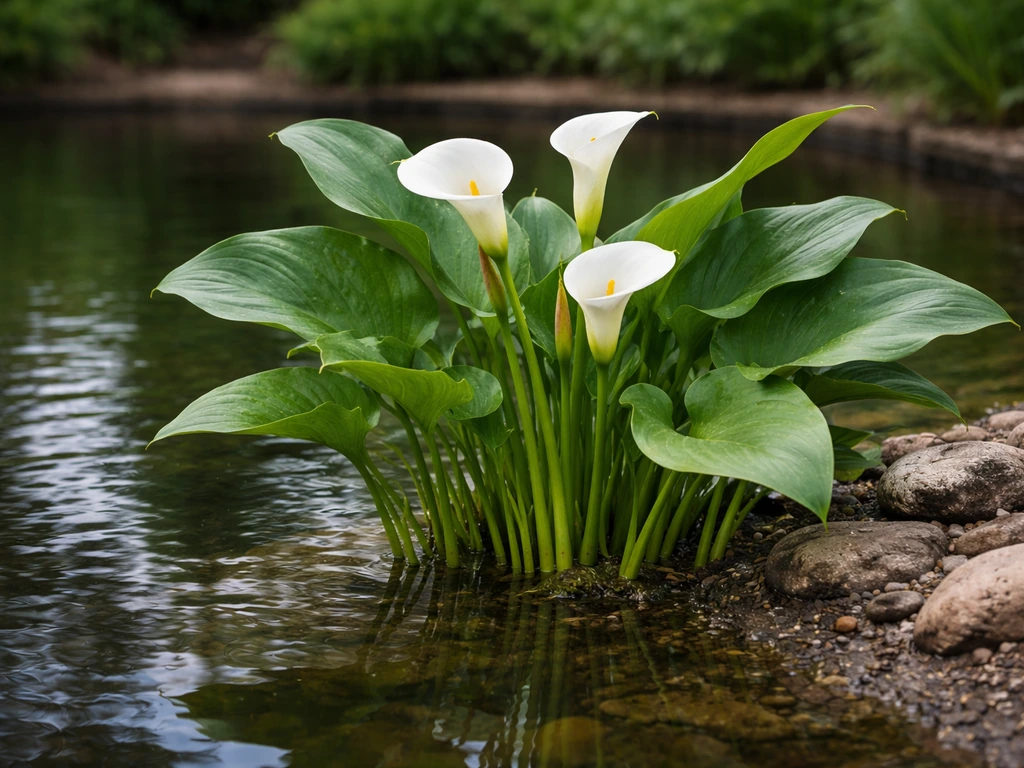
Can Calla Lilies Grow in Ponds? How to Set Up Successfully
Yes, with the right setup: water depth, substrate, anchoring, light, and overwinter care for pond or marginal calla lili
Are Calla Lilies Hard to Grow? Easy Guide for Success
Get a clear answer on are calla lilies hard to grow, plus exact light, temperature, watering, planting, and fixes.