
Lily of the valley cannot grow in standing water or fully submerged conditions. Its roots will rot within days to weeks if kept saturated, and the plant will die. What it does need is consistently moist soil, never drying out but never waterlogged either. If you're trying to keep cut stems fresh in a vase, that works short-term as long as you know the water itself becomes toxic. If you're trying to grow rhizomes or crowns long-term, the answer is well-drained, humus-rich soil that stays damp, not wet. If you meant a different plant and were looking for “white lily” sheet music, that is a separate lily variety topic from lily of the valley have you seen but a white lily grow sheet music.
Can Lily of the Valley Grow in Water? What to Do Instead

Marcus Hendricks
19 May 2026
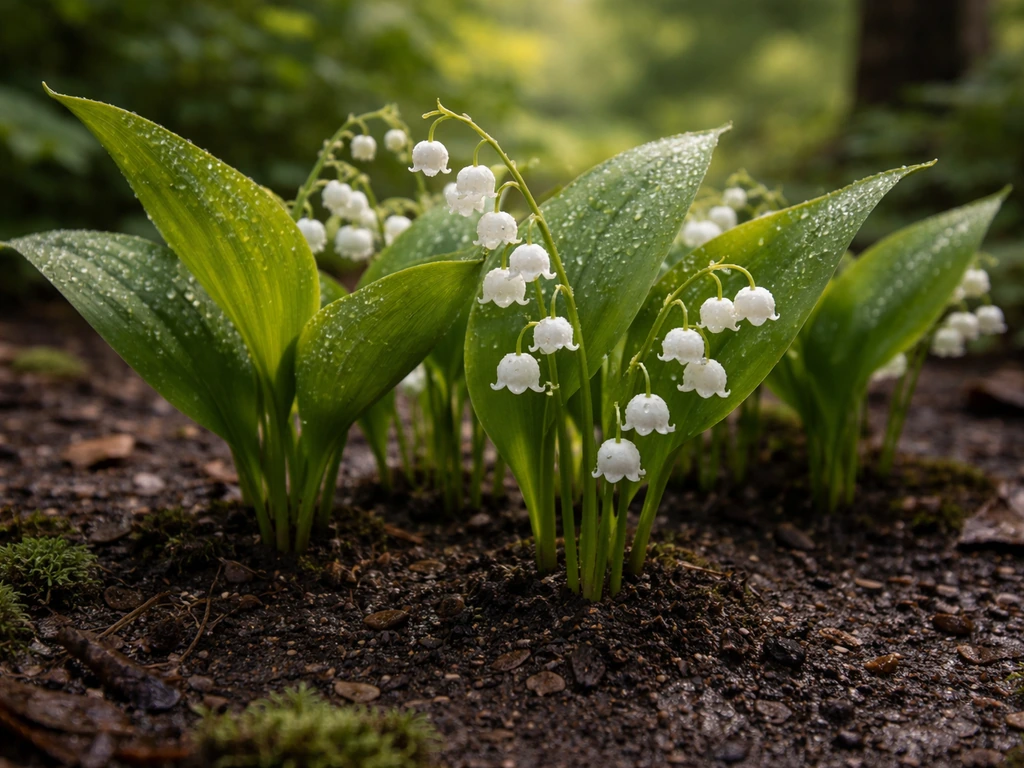
What 'growing in water' actually means for lily of the valley
When gardeners ask this question, they usually mean one of three different things, and the answer is different for each. First, cut stems in a vase: yes, you can display freshly cut lily of the valley in a small amount of water, and florists do this all the time. Second, a hydroponic or pot-in-water setup where the roots stay submerged or sit in a water reservoir: this will kill the plant. Third, boggy or consistently wet soil conditions: it can tolerate moist ground better than most spring bulbs, but true bog conditions will still rot the roots over time.
It's also worth clarifying what lily of the valley actually is, because the name causes real confusion. Convallaria majalis is not a true lily and it is absolutely not an aquatic plant. Unlike water lilies, which are purpose-built for ponds and submerged conditions, lily of the valley is a woodland ground cover with creeping rhizomes. It grows naturally on forest floors across Europe and Asia, not near water. If you're looking for something that genuinely lives in water, you want a water lily (Nymphaea species), not Convallaria. Even daylilies, which can handle wetter spots in a garden, are far more water-tolerant than lily of the valley.
Why standing water will rot the roots
Here's the core problem with keeping lily of the valley in water: roots need oxygen just as much as they need moisture. When soil pores fill completely with water, oxygen is pushed out, and the roots literally suffocate. The Royal Horticultural Society describes this process plainly, noting that waterlogged soil can drown roots because water displaces the air in soil pore spaces. For lily of the valley specifically, this leads to yellowing leaves first, then mushy brown roots, and then death of the whole crown.
On top of the suffocation problem, saturated conditions invite water molds. Phytophthora and Pythium are fungus-like organisms that thrive exactly where roots sit in wet conditions with limited airflow. Fusarium and Rhizoctonia, true fungi, pile on too. Once these pathogens get into a crown or rhizome, there's no recovering the affected parts. The Missouri Botanical Garden specifically recommends 'moist, fertile, organically rich, well-drained soils' for this reason, and that phrase 'well-drained' is doing a lot of heavy lifting. Moist and well-drained together mean the soil holds moisture between its particles but never pools it.
Keeping it wet the right way: moist soil vs. water setups
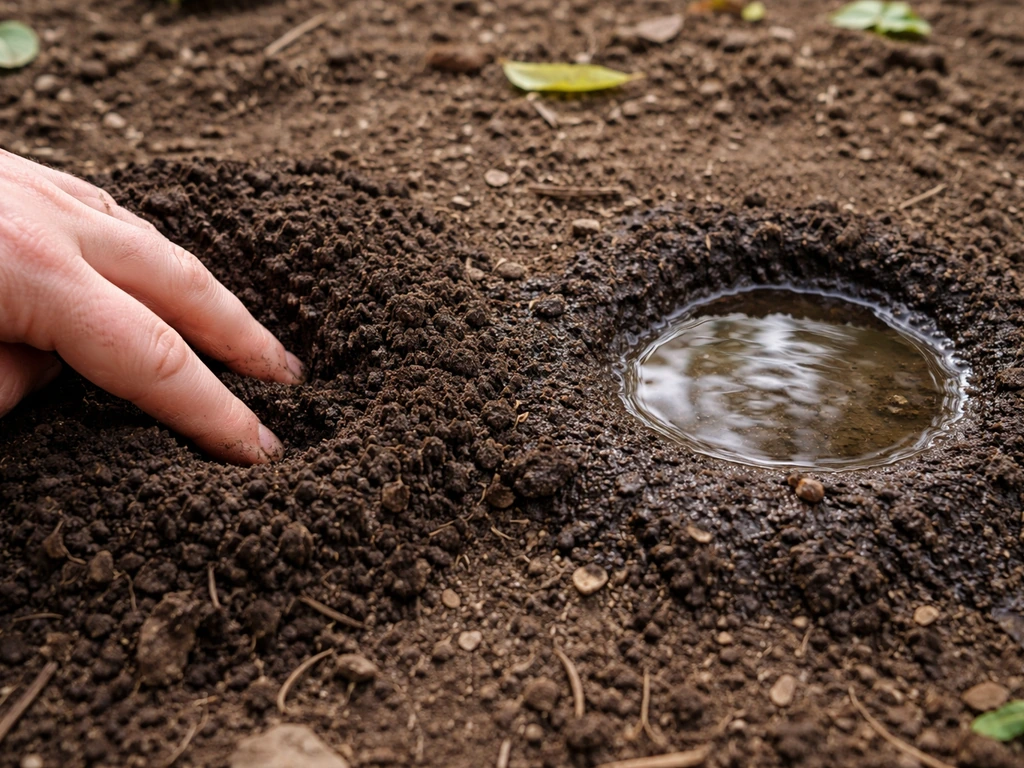
The sweet spot for lily of the valley is soil that feels consistently damp when you push a finger into it, the way a wrung-out sponge feels. If water pools on the surface after rain, or if the pot sits in a saucer with standing water underneath, you've gone too far. White Flower Farm describes the ideal as 'evenly moist but not soaking wet,' and that's the most useful phrase I've found for calibrating this.
For outdoor beds, the best approach is amending your soil with plenty of leaf mold or compost before planting. This improves both moisture retention and drainage at the same time, which sounds contradictory but works because organic matter holds water in a way that keeps air pockets intact. After planting, blank" rel="noopener noreferrer">mulching with composted leaf material around the base helps the soil stay damp between watering sessions without staying soggy. The RHS specifically recommends this mulching approach to retain moisture after planting rhizomes.
For potted plants, drainage holes are non-negotiable. Do not use a pot without them, and don't let the pot sit in a full saucer of water. Water thoroughly, let it drain completely, and then water again when the top inch of the potting mix starts to feel just barely dry. That rhythm, rather than a fixed schedule, is what keeps the roots happy.
Light, temperature, and timing
Lily of the valley is a shade plant. Full sun will scorch the leaves and stress the plant badly, especially combined with any moisture inconsistency. It grows best in partial to full shade, which in practical terms means somewhere that gets morning light and afternoon shade, or dappled light under a tree canopy for most of the day. The Chicago Botanic Garden, the RHS, and Walters Gardens all agree on this: partial to full shade, woodland-style conditions.
Temperature and timing matter a lot more for this plant than most people realize. Lily of the valley needs a cold period to perform well. Outdoors in USDA zones 3 through 8, it gets this naturally through winter. Indoors or in warmer climates, you have to provide it artificially by chilling the rhizomes (called pips when they're sold pre-treated for forcing) in the refrigerator for several weeks before bringing them into warmth.
For indoor forcing, the timing is specific. Walters Gardens gives a useful benchmark: if you want lily of the valley blooming for Easter, pot up the pips by Valentine's Day, February 14th, after a cold period of roughly 7 to 9 weeks. Bring them into a warm, bright (but not sunny) indoor spot afterward. This is a temperature-managed process, not a water-managed one. Forcing happens in potting mix, not in water.
| Setting | Light | Temperature Need | Moisture Approach |
|---|---|---|---|
| Outdoor bed (zones 3–8) | Partial to full shade | Natural winter chill | Moist, well-drained amended soil with mulch |
| Outdoor container | Partial shade | Natural or supplemented chill | Drain freely, water when top inch dries |
| Indoor forcing | Bright indirect light | 7–9 weeks cold, then warmth | Evenly moist potting mix, never soaking |
| Cut stems in vase | Any indoor light | Room temperature | Fresh water changed every 1–2 days |
Step-by-step options depending on what you have
If you have cut stems
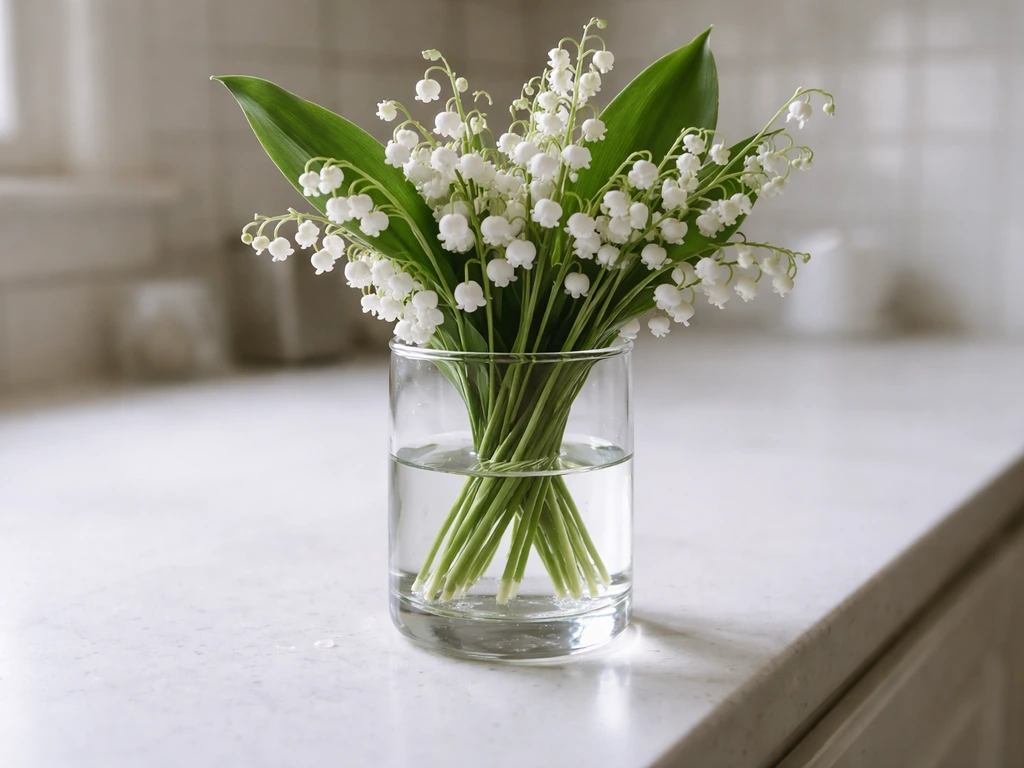
- Trim the stem ends at an angle under running water before placing them in a vase.
- Use a clean vase with just a few inches of cool water, not filled to the brim.
- Change the water every one to two days to slow bacterial growth.
- Keep the vase away from direct sun and heat sources.
- Expect the display to last five to ten days. This is temporary enjoyment, not growing.
- Read the safety section below before handling the water in the vase, especially if you have cats or dogs.
If you have bare rhizomes or pips
- Choose a pot with drainage holes and fill it with a peat-free potting mix blended with extra perlite or grit for drainage.
- Plant rhizomes with the growing tip (the pink or white pip) just barely at or above soil level. Do not bury it deep.
- Water the pot thoroughly after planting, then let it drain completely.
- If forcing indoors, place the pot in your refrigerator or an unheated garage for 7 to 9 weeks before moving it to a warm indoor spot.
- Once actively growing, keep the soil evenly moist. Check it every two to three days and water when the top inch feels just barely dry.
- Place in bright indirect light indoors, or a shaded garden spot outdoors once frost risk has passed.
If you have a newly planted crown in the garden
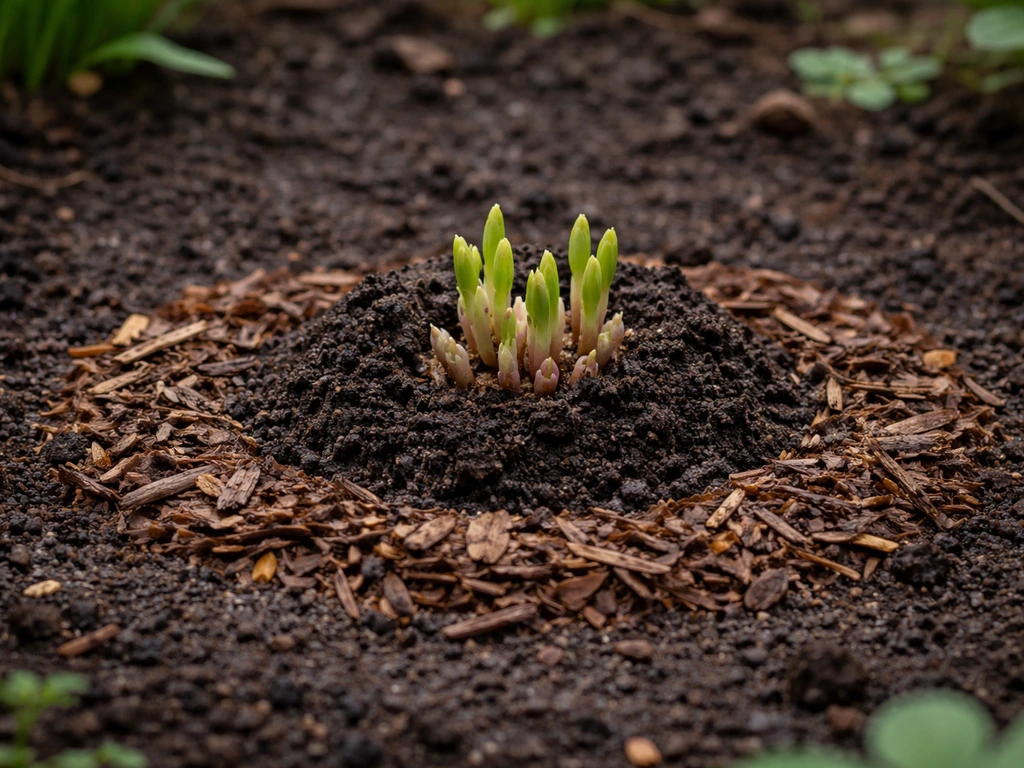
- Water it in well immediately after planting.
- Spread a two to three inch layer of composted leaf material or bark mulch around the base to retain moisture.
- Water deeply once or twice a week if rain doesn't do it for you, but check the soil first. If it still feels damp an inch down, wait.
- Mark the spot because lily of the valley is slow to emerge, especially in its first season.
- Do not add extra water just because you can't see growth yet. Patience and consistent, moderate moisture are the right approach.
Troubleshooting: leaves, roots, and no growth
Yellow or brown leaves
Yellowing leaves on lily of the valley almost always point to one of two problems: too much water or too much sun. Check the soil first. If it's soggy or waterlogged, reduce watering immediately and improve drainage. If the plant is in a pot, tip it out and check the roots. Healthy roots are white or light tan. Mushy, brown, or foul-smelling roots mean rot has already set in, and you need to remove all the damaged parts, let the healthy sections air-dry for an hour, and repot in fresh, well-draining mix. If the soil moisture is fine but leaves are still yellowing, move the plant to deeper shade.
Mushy roots or crown
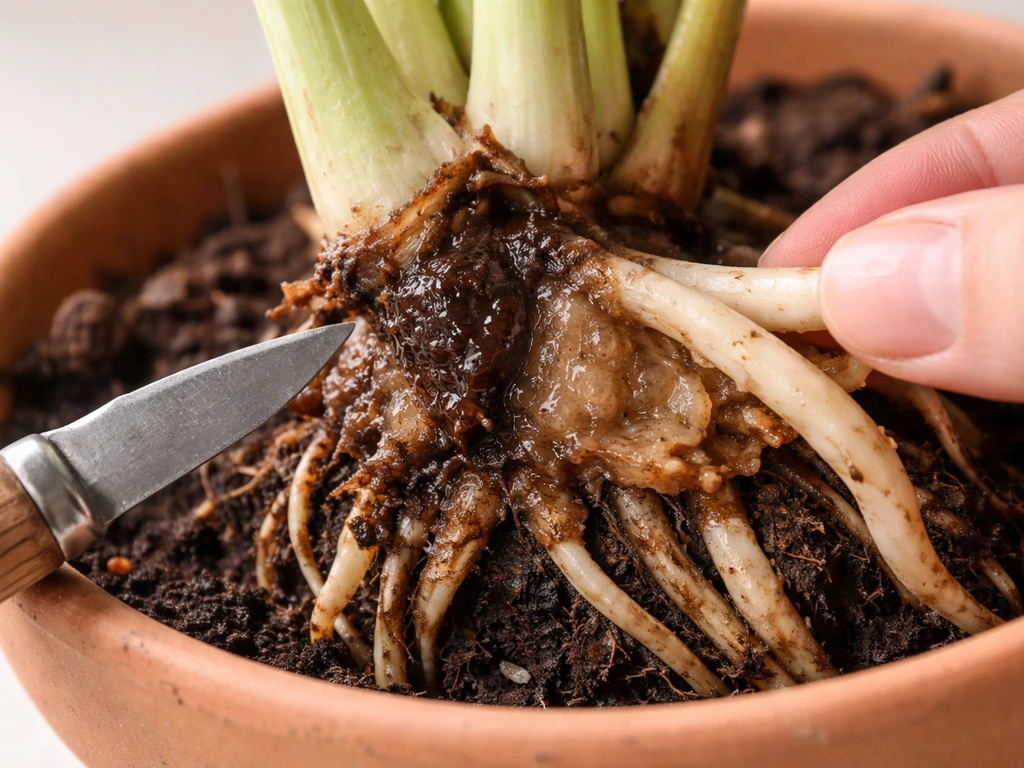
Mushy crowns or rhizomes are root rot, almost always from overwatering or poor drainage. Act quickly. Dig up or unpot the plant, cut away every soft or discolored section with a clean, sharp tool, and treat the cut surfaces with powdered sulfur or cinnamon as a mild antifungal. Replant only in fresh, well-draining soil, and hold back on watering for the first week. If the entire crown is soft, unfortunately the plant is beyond saving.
No new shoots or flowers
If your lily of the valley isn't growing or blooming, the most common culprits are insufficient cold exposure, too much sun, or a crown planted too deep. If you want to plan watering and care around the plant's natural pace, a common question is ACNH how often do lily of the valley grow. Check that the pip is at or just below the soil surface, not buried several inches down. If the plant got minimal cold over winter (common in zones 9 and above), it likely won't flower. For indoor plants that never got a cold period, you'll need to try the chilling process described above before expecting blooms. Finally, lily of the valley can also sulk in its first year in a new location, producing only leaves or nothing visible above ground. Give it a full season before writing it off.
Safety and handling: this plant is seriously toxic
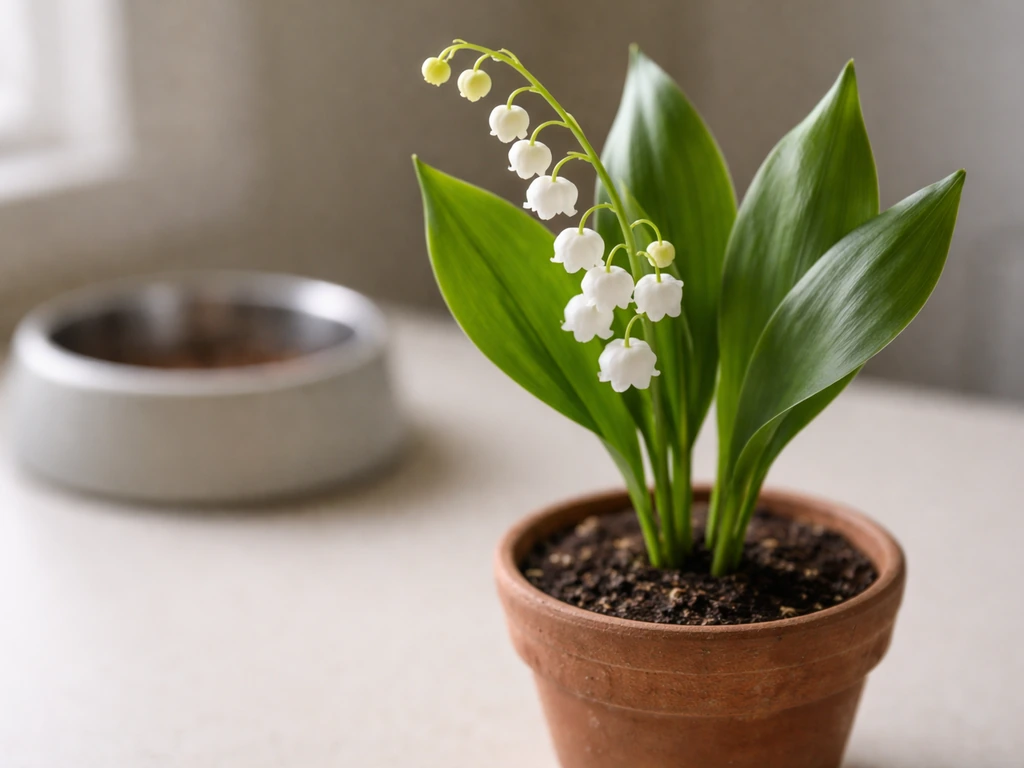
Lily of the valley contains cardiac glycosides, compounds similar to digoxin that cause the heart to beat abnormally. Every part of the plant is toxic, including the flowers, leaves, roots, and berries. The FDA specifically flags that even the water in a vase holding lily of the valley stems is dangerous. This matters practically: wash your hands after handling any part of the plant, don't let children play with the berries (which look appealing), and if you're composting, keep the pile away from areas pets can access.
For pet owners, this is a serious concern. The ASPCA lists Convallaria majalis as toxic to dogs, cats, and horses. Symptoms of ingestion include vomiting, irregular heartbeat, and in severe cases, death. If you suspect your pet has eaten any part of the plant, call the ASPCA Animal Poison Control Center at (888) 426-4435 immediately. Don't wait for symptoms to develop. Because lily of the valley is commonly planted in shaded garden beds where cats like to dig, it's worth thinking carefully about placement if you have free-roaming pets.
When handling rhizomes or dividing established clumps, wearing gloves is a genuinely good idea rather than just a precaution. Repeated skin contact with the sap, especially during propagation in autumn when the RHS recommends division, can cause irritation in sensitive individuals. Keep the plant away from vegetable gardens where you might accidentally introduce contamination.
Your next steps starting today
If you searched this question because you want to grow lily of the valley and you're figuring out how wet is too wet, the practical answer is: aim for soil that never dries completely but drains freely. Check your soil or potting mix today. If water pools or the mix squeezes out water like a soaked sponge, you need to improve drainage before planting or repotting. If you're monitoring an already-planted crown, push your finger an inch into the soil every few days and water only when that inch starts to feel dry rather than damp.
If you're working with cut stems and want to enjoy them in a vase, go ahead, just change the water regularly and keep the vase out of reach of pets. If you're planning to force pips indoors, get them into the refrigerator now for their cold period and count forward 7 to 9 weeks to plan your pot-up date. And if your plant is already showing yellow leaves or mushy roots, treat it today rather than waiting. The faster you address drainage problems, the better the odds of saving the crown. Over the next few weeks, watch for new shoot tips emerging and soil moisture staying in that sweet spot, and you'll be on the right track.
FAQ
If I can’t grow lily of the valley in water, is it still okay to keep cut stems in a vase?
Yes for cut stems, but treat it as a short display. Use a small amount of fresh water, change it every day or two, and keep the stems cool (around 50 to 60°F, out of direct sun) to slow mold and bacterial buildup in the vase water.
Can I put a lily of the valley pot into a bowl or tray of water to keep it humid?
No. A pot-in-water setup behaves like a reservoir, the roots stay oxygen-starved, and rot organisms gain an advantage. If you want “water style” convenience, use drainage holes plus a saucer, and always empty the saucer after watering so no standing water remains under the pot.
How do I tell if my lily of the valley is already rotting from too much moisture?
Check by smell and root feel, not just surface moisture. If you lift the crown (or unpot) and find roots that are brown, mushy, or foul-smelling, the damage has started. In that case you need pruning to remove soft tissue and repotting into fresh, well-draining mix.
What’s the best quick test for how wet the soil is, especially in pots?
Use the “wrung-out sponge” rule. If the potting mix holds shape but isn’t dripping when pressed, it’s close. If water squeezes out or the mix stays saturated, reduce watering and consider mixing in coarse material (like perlite or bark) to open pores for oxygen.
What should I do if my garden spot stays wet after rain?
For outdoor beds, focus on improving drainage before planting. If your site stays boggy after rain, raise the planting area (a slight mound), incorporate compost and leaf mold thoroughly, and avoid planting too low where water collects.
My lily of the valley looks stalled after planting, is that always a problem?
Not usually. Transplanted rhizomes tend to sulk or pause in growth if the crown is disturbed, then they recover once moisture and shade stabilize. Give it a full season, but only if drainage is correct, because poor drainage will worsen even if the plant is just “settling in.”
What does it mean if the leaves are yellow, is it always overwatering?
Yellow leaves with firm, pale roots can be sun stress rather than rot. If soil is not soggy and roots are light tan, move the plant deeper into shade (morning light is fine, afternoon sun usually isn’t). If roots are mushy, then it’s overwatering and you should treat for rot.
Does forcing lily of the valley indoors work any differently regarding water?
Timing can be different from watering. In forced indoor plants, the chilling period supports flowering, but the forcing phase should still be in potting mix, not water. Treat forcing as temperature-managed, then water only to keep the mix evenly moist and draining.
What’s the safest way to handle and replant a crown that has started to rot?
When you cut away rot, let the cleaned sections air-dry briefly (about an hour) so the cuts callus before repotting. Repot immediately into fresh mix and reduce watering for about a week so the crown does not sit in wet conditions while healing.
Where should I plant lily of the valley if I have cats or dogs that dig?
Place it so pets cannot access leaves, flowers, and any berries that drop. Because containers or shaded garden corners invite digging, use physical barriers (mulch plus mesh, or relocate) rather than relying on “hidden” placement.
Next Articles
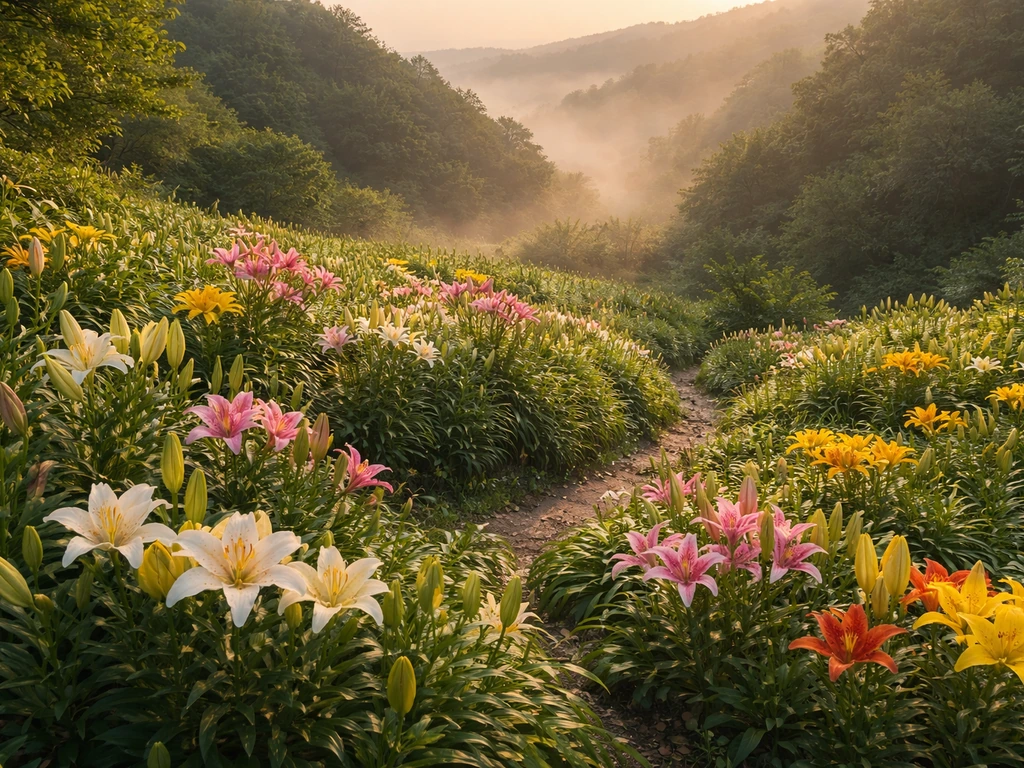
Do Lilies Grow in the Valley? Find the Right Type
Learn which lily types grow in valley microclimates, with planting tips, care checklist, and fixes for winter kill and r

Have You Seen But a White Lily Grow: Sheet Music or Gardening?
Find the right have you seen but a white lily grow sheet music fast or grow true white lilies with care tips.
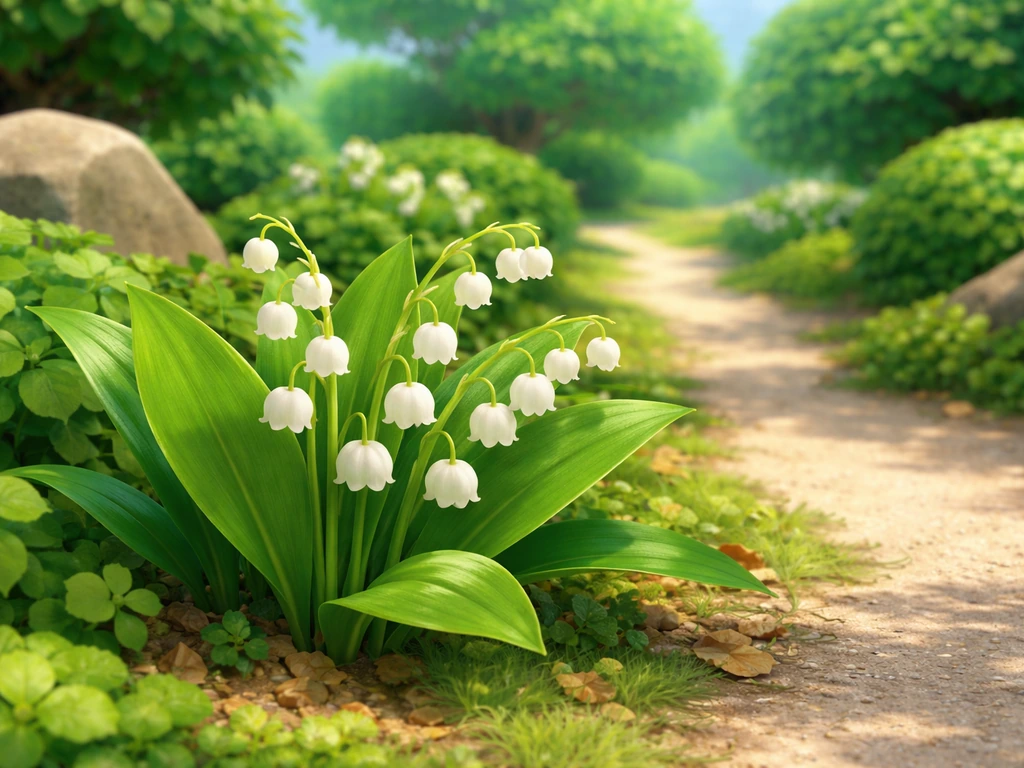
ACNH How Often Do Lily of the Valley Grow
ACNH lily of the valley growth schedule, what controls it, and troubleshooting so you can get blooms reliably.