
If you searched 'have you seen but a white lily grow pdf,' you are almost certainly looking for the text or sheet music of a famous poetic stanza written by Ben Jonson, most often found set to music by composer Robert Johnson. The text “Have you seen but a whyte Lilie grow” is attributed to blank" rel="noopener noreferrer">Ben Jonson and appears in his play The Devil’s an Ass in LiederNet’s sung-text entry. It is not a gardening document. That said, if you landed on a lily-growing site while hunting for it, you are in the right place to figure out both: where to legally find that PDF, and how to actually grow the white lily the poem describes. If you are here just to compare the lyrics with lily symbolism, the poem-versus-plant context can help you interpret the line more accurately lily-growing site.
Have You Seen But a White Lily Grow PDF: Find It and Grow It

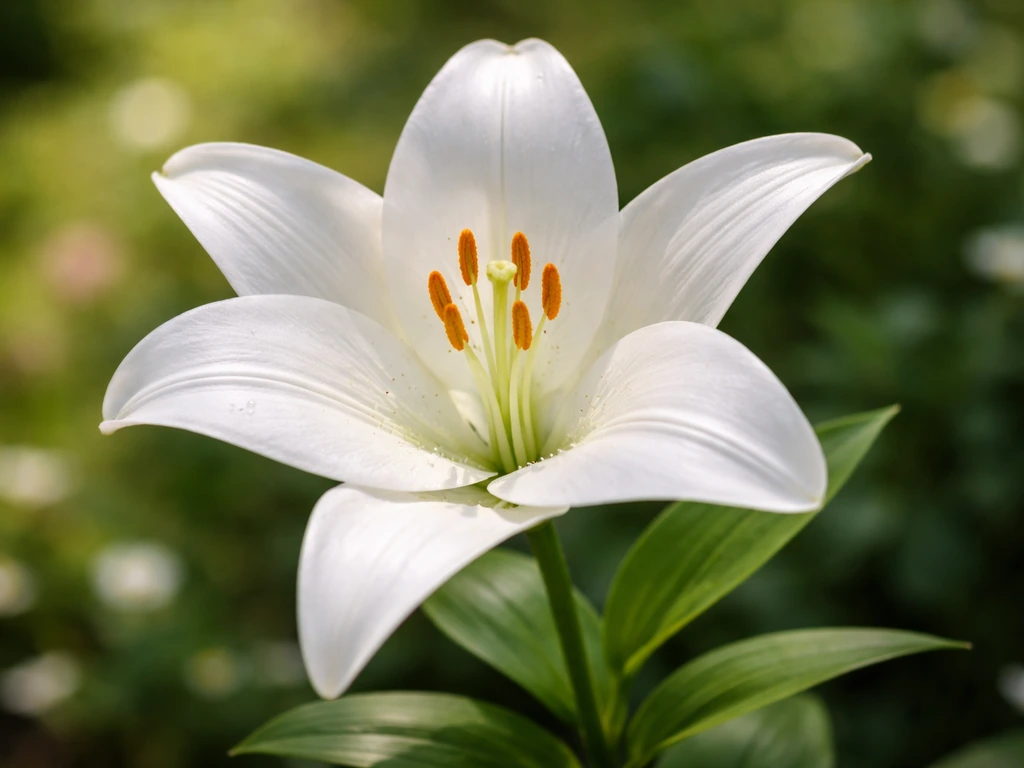
The poem vs. the plant: what the search actually means

The line 'Have you seen but a white lily grow?' comes from Ben Jonson's poetry, specifically a stanza that also appeared in his play The Devil's an Ass. It is one of the most anthologized comparisons of feminine beauty to a white lily, and it has been set to music repeatedly over the centuries. The most well-known musical setting is by Robert Johnson (the Renaissance lutenist, not the blues guitarist), scored for voice and lute. When people search for the PDF, they are usually looking for either the poem text or the sheet music score. If you only need the lyrics, those are in the public domain and freely readable in any number of online poetry archives. If you need the sheet music, the situation gets slightly more complicated depending on whose arrangement you want.
There is also a choral arrangement by Henry Leck (published 1993) that is widely used in school and university choirs. A PDF of that score is hosted on Butler University Digital Commons with a watermark and a personal/educational use notice, so that is a legitimate place to check if you need a legal copy for educational use. Another PDF labeled 'haveyouseenbutawhitelilygrowS. Lutemusic hosts a PDF labeled as the Robert Johnson setting titled “Have you seen but a white lily grow?” (the filename includes “haveyouseenbutawhitelilygrowS.pdf”) blank" rel="noopener noreferrer">Another PDF labeled 'haveyouseenbutawhitelilygrowS.. pdf' circulates via Lutemusic.org and appears to be the Robert Johnson lute-song version. The licensing context of that file is not spelled out on the PDF itself, so check the site's terms before downloading or redistributing it.
How to track down the right PDF version
Because this poem has been set by multiple composers and arranged by multiple editors over 400 years, the most important first step is knowing exactly which version you need. Ask yourself: do I need just the text, or do I need the music notation? And if I need music, is it the Renaissance lute-song setting by Robert Johnson, the choral arrangement by Henry Leck, or something else entirely?
- For the poem text only: search Google or a poetry archive for 'Ben Jonson have you seen but a white lily grow' and you will find it immediately in public-domain anthologies. No PDF required.
- For the Robert Johnson lute-song score: search specifically for 'Have you seen but a white lily grow Robert Johnson PDF' and check Lutemusic.org. Review the hosting site's terms before saving or printing.
- For the Henry Leck choral arrangement (1993): go to Butler University Digital Commons and search the title 'Have You Seen But A White Lily Grow.' The landing page shows a rights notice; read it before downloading.
- To confirm you have the right work: look for attribution to Ben Jonson as lyricist and either Robert Johnson (lute setting) or Henry Leck (choral, 1993 edition) as composer or arranger. If neither name appears, you may have a different setting entirely.
- For other arrangements: IMSLP (the Petrucci Music Library) hosts public-domain scores and is worth checking for older settings. Search by title with quotes for precision.
One thing worth noting: the poem also shows up in discussions of related songs and comparisons of lily symbolism in literature, which is likely why a gardening site like this one sometimes ranks for it. If you want to explore the lyrics and their connection to how lilies are described in poetry, the sibling topic covering the lyrics specifically goes into more detail on the textual content itself. If you also meant the film titled Where the Lilies Grow, you can look it up by matching the movie cast and release details where the lilies grow movie.
Which white lily does the poem actually describe?
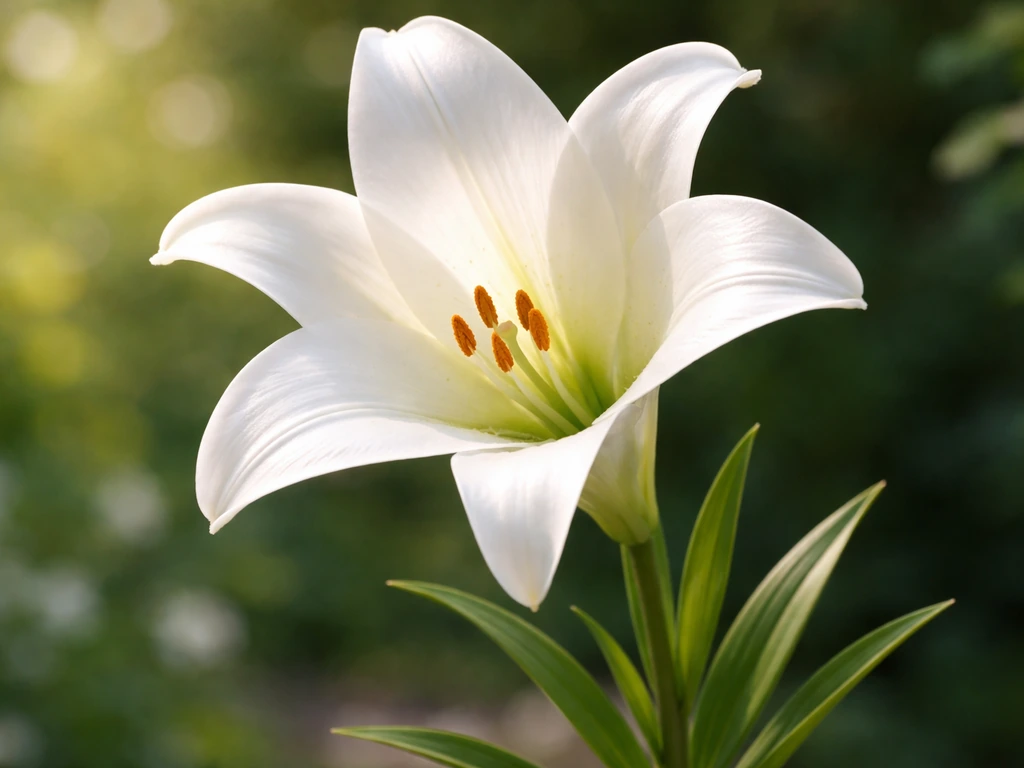
Jonson's 'white lily' is almost certainly a reference to the Madonna lily (Lilium candidum), the tall, pure-white, trumpet-shaped bloom that dominated European gardens and religious iconography during the Renaissance. It is not a peace lily, a calla lily, or a water lily, even though all of those are commonly called 'white lilies' today. If you want to grow something that matches the poem's image, Lilium candidum is your most historically accurate choice. But if you are a home gardener asking 'what white lily should I actually grow?', the answer depends heavily on your conditions. Here is a quick breakdown of the main contenders.
| Lily Type | True Lily? | Bloom Color | Best Setting | Difficulty |
|---|---|---|---|---|
| Madonna lily (Lilium candidum) | Yes | Pure white | Outdoor garden, USDA zones 6–9 | Moderate |
| Asiatic lily (white varieties) | Yes | White, often with spots | Outdoor garden, USDA zones 3–9 | Easy |
| Oriental lily (e.g., Casablanca) | Yes | White, fragrant | Outdoor garden, USDA zones 5–9 | Moderate |
| Calla lily (Zantedeschia) | No | White spathe | Garden or container, zones 8–10 | Easy |
| Peace lily (Spathiphyllum) | No | White spathe | Indoors, tropical | Easy |
| Water lily (Nymphaea) | No | White, floating | Pond or water container | Moderate |
My honest recommendation: if you want the classic 'white lily' look from the poem and you garden outdoors in zones 5–9, go with an Oriental lily like Casablanca. It is fragrant, dramatic, and unmistakably the flower Jonson had in mind. If you are indoors or in a warmer climate, a calla lily or peace lily gives you white blooms with far less fuss. Unlike daylilies, which need open, sunny beds, peace lilies thrive in low-light interiors, making them genuinely beginner-friendly.
Light and temperature by lily type
Getting light wrong is the single fastest way to kill a lily or guarantee it never blooms. Each type has a specific sweet spot, and they are not interchangeable.
True lilies (Asiatic, Oriental, Madonna)
All true lilies want at least 6 hours of direct sun per day, and 8 hours produces the best blooms. They tolerate partial shade but will stretch toward the light, bloom less vigorously, and become floppy. Temperature-wise, Asiatic lilies are the toughest, handling winter temperatures down to USDA zone 3 (around -40°F/-40°C). Oriental lilies are slightly less cold-hardy, reliably perennial in zones 5–9. Madonna lilies are a little different: they actually prefer slightly cooler climates and dislike extreme summer heat, so in zones 9 and above they often struggle.
Calla lilies
Calla lilies (Zantedeschia aethiopica) like bright light but not scorching midday sun. In warm climates (zones 8–10), give them morning sun and afternoon shade. In cooler zones where they are grown as annuals or in containers, full sun is fine because the seasons are shorter and less intense. They prefer temperatures between 60–75°F (15–24°C) and will go dormant if it gets too cold or too dry.
Peace lilies
Peace lilies (Spathiphyllum) are true shade plants. Bright indirect light is ideal, meaning a spot a few feet from a window that does not get direct sun. Direct sun scorches the leaves within days. I learned this the hard way. They are tropical plants, so keep them above 60°F (15°C) at all times, and they really thrive at 65–80°F (18–27°C). They cannot handle frost at all.
Water lilies
Water lilies need full sun, minimum 6 hours per day, to bloom properly. Less than that and you get leaves but no flowers. Hardy water lilies (Nymphaea varieties) survive winter in zones 4–11 if the rhizomes stay below the freeze line in the pond. Tropical water lilies are only perennial in zones 10–11 and must be treated as annuals or overwintered indoors elsewhere.
Soil, drainage, and planting depth
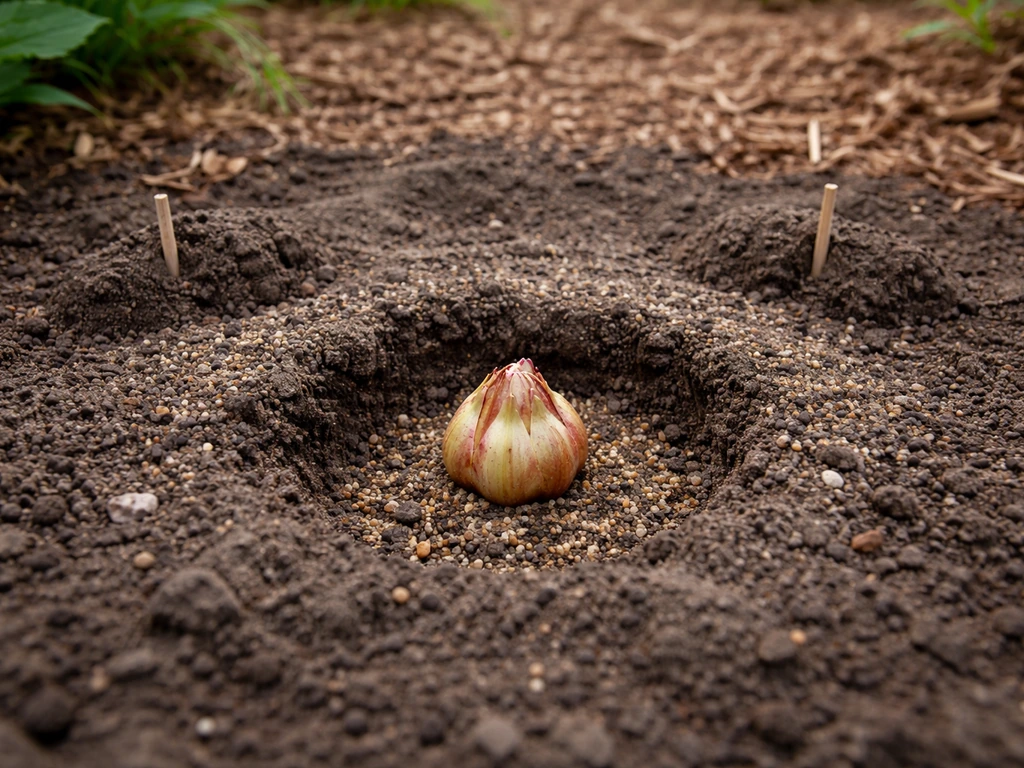
This is where most beginner mistakes happen, because different lily types need almost opposite soil conditions.
True lilies in the garden
True lily bulbs rot fast in waterlogged soil. They need well-draining, loose, slightly acidic soil (pH 6.0–6.5). If your garden beds stay wet after rain, amend with coarse sand or grit and raise the bed a few inches. Plant Asiatic and Oriental lily bulbs at a depth of about 3 times the bulb's diameter, typically 4–6 inches deep. Madonna lilies are the exception: plant them just 1 inch below the soil surface, no deeper, or they will not bloom.
True lilies in containers
Use a container at least 12 inches deep and wide. Fill with a well-draining potting mix, not garden soil. Add perlite at about 20–30% of the mix volume to keep things loose. Ensure the pot has drainage holes, and never let it sit in a saucer of standing water. Container-grown lilies dry out faster than garden plants, so check moisture more frequently.
Calla lilies
Calla lilies tolerate consistently moist soil much better than true lilies. Plant rhizomes about 4 inches deep in rich, moist, well-draining soil. In containers, a standard potting mix works well. They will handle occasional wet feet near pond edges, which makes them popular for bog gardens.
Peace lilies
Peace lilies grow in regular indoor potting mix. They do not need anything special, but the pot must drain freely. They like to be slightly root-bound, so do not rush to repot. A 6-inch pot works fine for a young plant. Go up one pot size only when roots are clearly circling the bottom or pushing out of drainage holes.
Water lilies
Plant water lily rhizomes in heavy loam or a specialized aquatic planting mix in wide, shallow containers (about 12 inches wide, 8 inches deep). Do not use regular potting mix, it floats. Submerge the container so the water depth over the crown is about 6–18 inches depending on the variety. Dwarf varieties prefer shallower water (6–12 inches), while standard varieties do best at 12–18 inches.
Watering and humidity for each lily type
Water requirements vary more between lily types than almost any other care factor. Getting this wrong is the most common reason people lose plants.
- Asiatic and Oriental lilies: water deeply when the top 2 inches of soil are dry. They want evenly moist soil during active growth but must never sit in soggy ground. Cut back watering after blooms fade and almost stop completely once foliage yellows in fall.
- Madonna lilies: similar to other true lilies during growth, but they go dormant in summer after bloom. Do not water much during summer dormancy or the bulbs will rot.
- Calla lilies: keep soil consistently moist during growth and blooming. Near a pond edge or in a slightly boggy spot is fine. Reduce watering significantly during dormancy.
- Peace lilies: water when the top inch of soil feels dry, roughly every 1–2 weeks indoors. They will actually droop dramatically to signal thirst, and they bounce back fast once watered, though repeated wilting stresses them. Humidity matters: aim for 40–60% indoor humidity. Dry air is why I killed three batches before I started misting or using a pebble tray.
- Water lilies: obviously submerged, so water management means maintaining pond or container water levels. Top up as needed to replace evaporation. Change out 10–20% of the water monthly in container ponds to prevent algae buildup.
Fixing common problems: no blooms, yellow leaves, rot, and pests
No blooms
The most common reason true lilies and water lilies fail to bloom is not enough sun. If your plant is in a shaded spot and producing lots of leaves but no flowers, move it. For peace lilies and calla lilies, insufficient light is also a culprit, but overfertilizing with nitrogen is equally common: too much nitrogen pushes leaf growth at the expense of flowers. Switch to a bloom-boosting fertilizer with a higher middle number (phosphorus) if you have been using a balanced or high-nitrogen feed. For true lilies, planting the bulb too shallow (especially Madonna lilies planted too deep) or planting too late in the season can delay or prevent blooming.
Yellow leaves
Natural yellowing at the end of the season is normal and means the bulb is storing energy. Do not cut the foliage until it has completely yellowed and died back on its own. Off-season yellowing usually points to overwatering or root rot in true lilies and calla lilies, or underwatering in peace lilies. For peace lilies specifically, yellow leaves with brown tips usually mean low humidity or fluoride toxicity from tap water. Try switching to filtered or rainwater.
Bulb and root rot
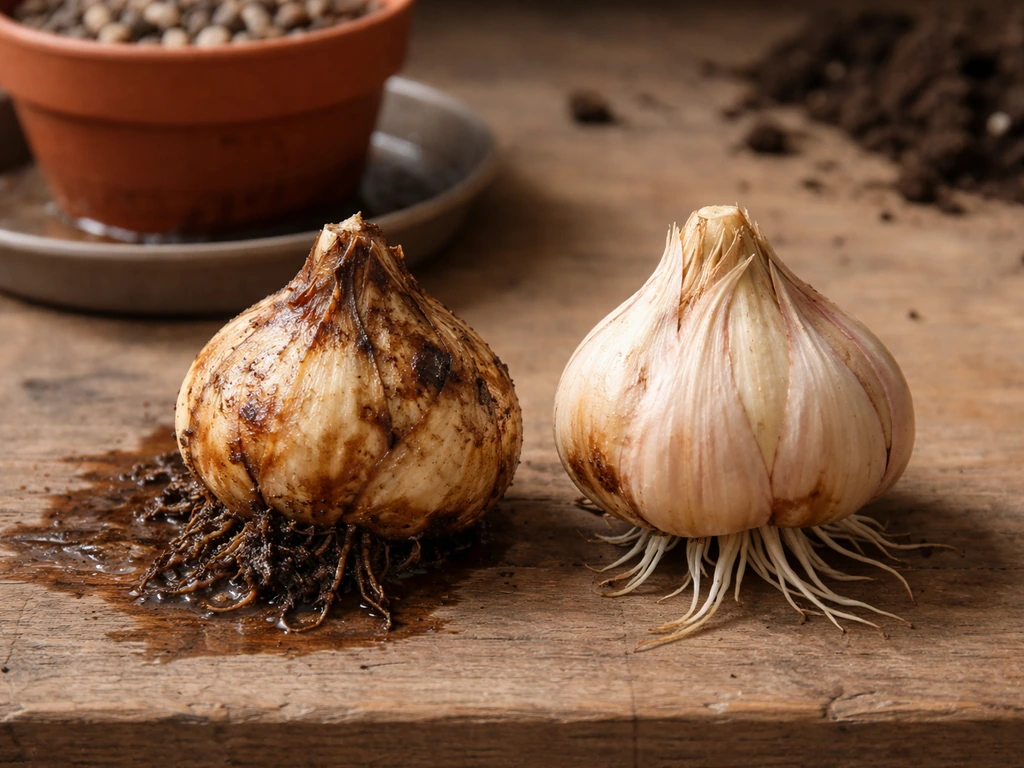
Rot almost always comes down to drainage. If you pull a bulb and find it soft, mushy, or foul-smelling, the soil stayed wet too long. Remove the affected bulb, improve drainage in that spot before replanting, and do not replant in the same hole. For container plants, check that drainage holes are not clogged. Repot in fresh, gritty mix and reduce watering frequency going forward.
Pests and diseases
The lily beetle (Lilioceris lilii) is the most destructive pest for true lilies in North America and Europe. The adults are bright red and easy to spot; the larvae are disguised in their own excrement. Check the undersides of leaves and remove by hand daily during the growing season. Neem oil spray helps manage populations. Aphids are a common nuisance on most lily types and can be knocked off with a strong water spray or treated with insecticidal soap. For peace lilies indoors, watch for spider mites (tiny webs on leaves, especially in dry conditions) and mealybugs (white cottony clusters in leaf joints). Both respond to neem oil or rubbing alcohol applied with a cotton swab. Botrytis (gray mold) shows up as gray fuzzy patches on flowers and stems in wet, cool conditions. Improve airflow, reduce overhead watering, and remove affected plant parts immediately.
Putting it all together
Start by confirming which 'white lily' you are actually trying to grow, because the care instructions diverge significantly between a peace lily on a windowsill, a Madonna lily in a cottage garden, and a water lily in a backyard pond. If you arrived here genuinely chasing Ben Jonson's poem, the Butler University Digital Commons and Lutemusic.org are your two most practical starting points for a legal PDF. If the poem sparked a genuine curiosity about the flower itself, an Oriental lily like Casablanca planted in a sunny, well-draining border in zones 5–9 is the closest living version of what Jonson was writing about. To answer the question in which season lily flowers grow, aim for bloom periods that match your lily type and local climate in which season lily flower grow. It is worth the effort: the fragrance alone makes it one of the most memorable plants you can grow.
FAQ
Is the “have you seen but a white lily grow” PDF I find online always legal to download and share?
Not necessarily. Even if a PDF is labeled for education or is hosted on a library site, redistribution can still be restricted. The safest approach is to download only for personal use, or use the exact host page’s stated permission. If you plan to share the file with a class or in a group chat, look for explicit rights wording, not just a watermark or file name.
If I only need the poem text, which version should I use, the play stanza or an “anthology” version?
For interpretation, you can use either, but check whether the line breaks and punctuation match the source you are comparing. Many online versions normalize spelling and formatting, which can subtly change emphasis for poetry analysis. If accuracy matters, choose a reputable transcription and keep track of which source work it was taken from.
How can I tell whether a “white lily” is a true lily versus a peace lily when following care instructions from the PDF or a random website?
Look for the scientific name or the genus clues. True lilies are in Lilium, while peace lily is Spathiphyllum. Calla lily is Zantedeschia, and water lilies are usually Nymphaea. If the instructions mention bulbs that rot in waterlogged soil and planting depth about 3 times the bulb diameter, it is likely a true lily.
Can I grow an Oriental lily indoors, and if so, what is the minimum setup to get it to bloom?
Yes, but indoor bloom depends heavily on light and container drainage. Plan for a very bright window or supplemental grow light to reach the equivalent of about 6 to 8 hours of direct sun. Use a pot with drainage holes and gritty, well-draining mix, and do not keep a saucer filled with water, or the bulb can rot before it ever blooms.
Why does my lily produce leaves but no flowers, even though I’m watering regularly?
The most common reasons are insufficient light, too much nitrogen fertilizer, planting too deep (especially for Madonna lilies), or planting too late for the bulb to establish. If you have correct sun hours, switch feeding to a fertilizer formulated for flowering (higher phosphorus in the middle number) and confirm the planting depth matches the lily type.
What’s the fastest way to fix root rot symptoms in true lilies?
Stop the cycle of wet soil. Remove the affected bulb if it is soft, mushy, or foul smelling, discard it, and improve drainage where it was planted. If it was in a container, clean out or refresh the mix, check that drainage holes are not blocked, and reduce watering until the soil dries slightly between waterings.
Is it okay to cut lily leaves before they turn yellow?
Avoid it. Yellowing and dieback at the end of the season is how the bulb stores energy for next year’s growth. Cutting green leaves early reduces that energy, so the next bloom may be weaker or absent. Wait until the foliage has fully yellowed and naturally collapses.
If the PDF I found is a score, can I legally perform it or use it for a recital?
Performance rights often differ from reading rights. A school-friendly watermark does not automatically mean you can perform publicly or distribute copies to an entire choir. For anything beyond a personal practice reading, verify the specific rights holder and permission terms for performances and additional copies.
Which lily is the most foolproof option if I’m a beginner and I do not have a bright outdoor spot?
If you cannot provide strong direct light, peace lilies and calla lilies are generally more forgiving, because they tolerate lower light better than true lilies. Peace lilies especially prefer bright indirect light and will scorch in direct sun. True lilies usually need near-full sun to bloom consistently, and they are less forgiving about watering and drainage.
Can I plant lilies deeper to “protect them” from heat or cold?
Deeper planting can backfire. True lilies typically need about 3 times the bulb diameter, but Madonna lilies are the exception, they need to be planted just around 1 inch deep. Forcing any lily deeper than recommended increases the risk of rot and can delay flowering because the bulb struggles to emerge in time.
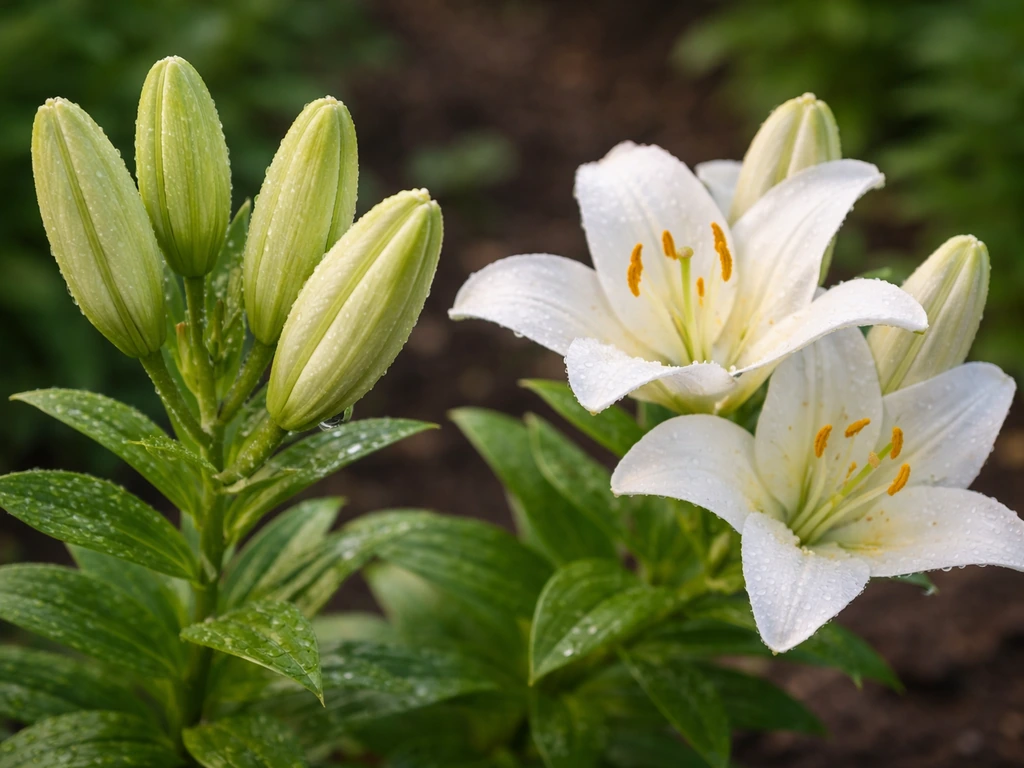
Know when lilies bloom by type, plus planting schedules by frost and how light, temperature, and watering affect floweri
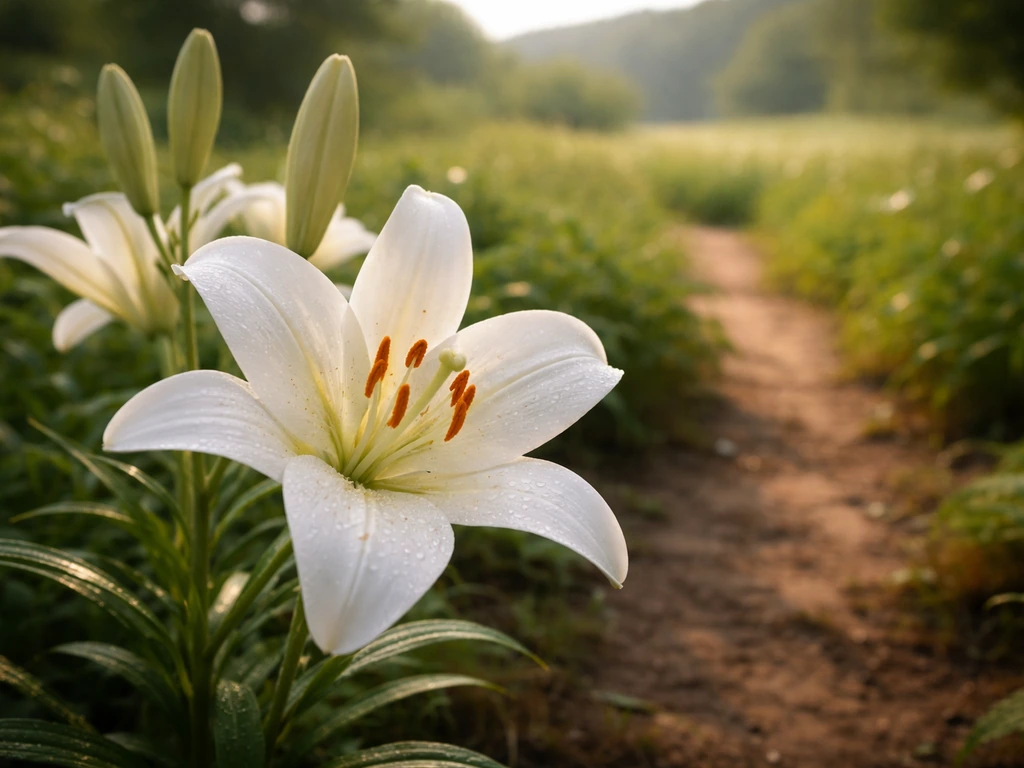
Find filming locations for Where the Lilies Grow, then match the right lily needs: light, soil, drainage and water.
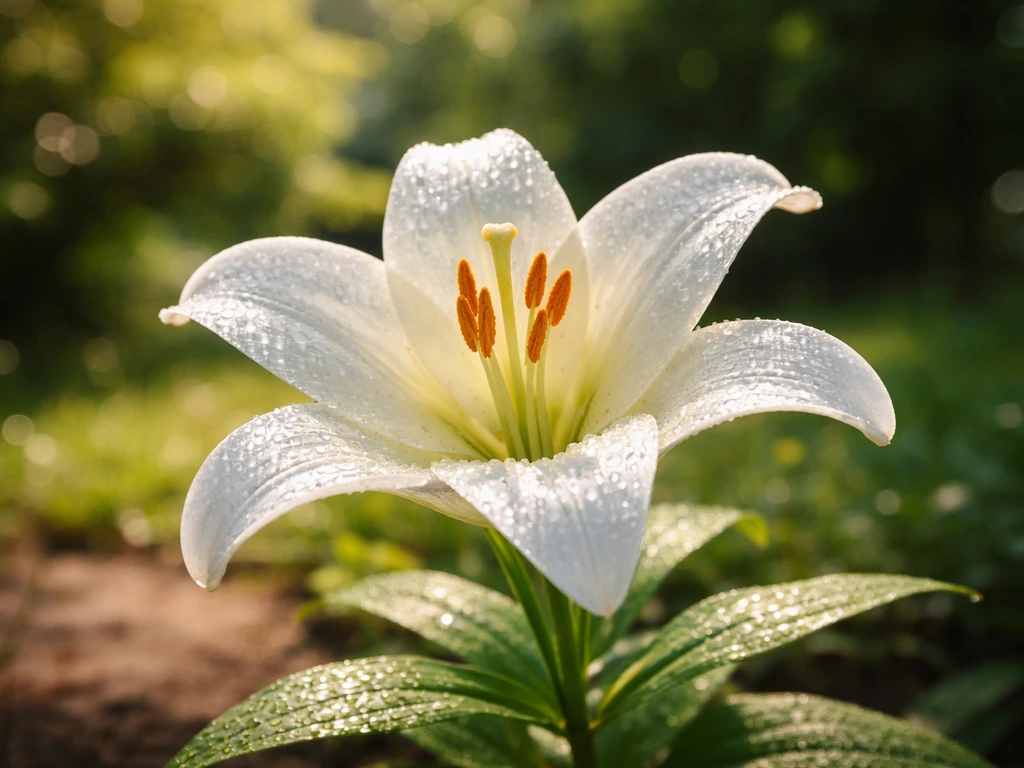
Understand the lyrics meaning of a white lily grow and get step by step tips to grow white lilies successfully.