
Most lilies bloom in summer, but the exact season depends heavily on the type you're growing. Asiatic lilies kick things off in early summer (June into July), trumpet lilies hit their stride in July and August, and Oriental lilies like the popular Stargazer wrap up the season in mid-to-late summer. Calla lilies and daylilies also bloom through summer, while peace lilies can flower almost any time of year indoors, and water lilies bloom from late spring through early fall as long as the water stays warm. Planting time is a separate question: most lily bulbs go in the ground in fall (or early spring), months before you ever see a flower.
In Which Season Lily Flower Grow: Timing Guide for All Types
Marcus Hendricks
1 May 2026
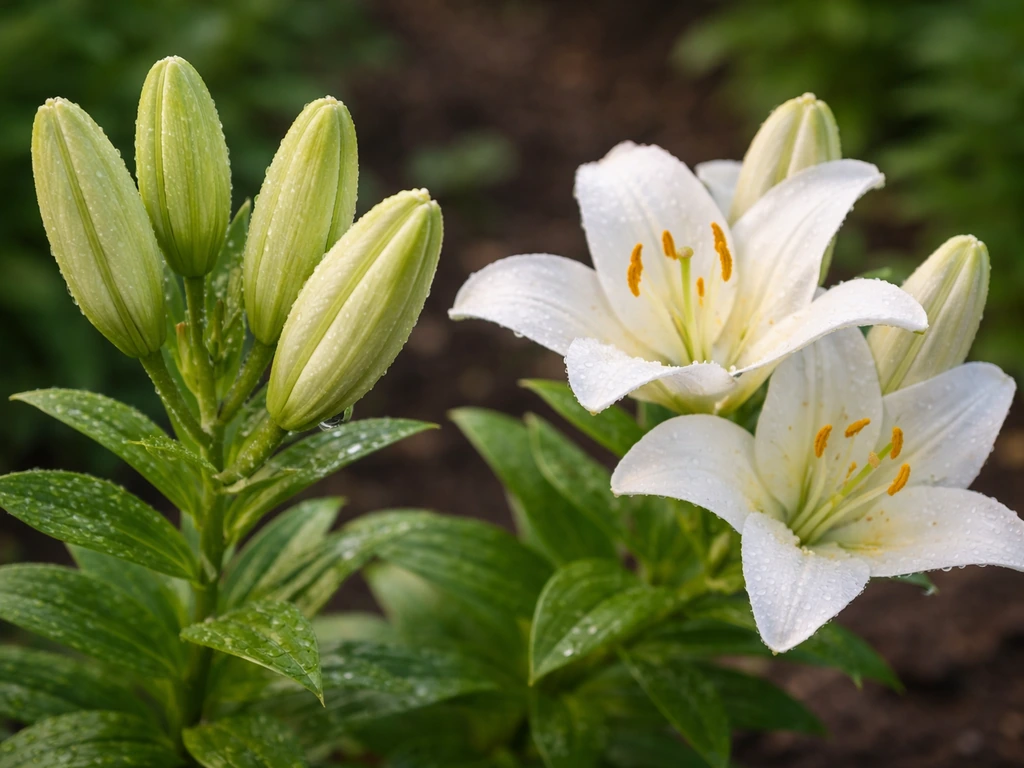
"Season to grow" means three different things, let's sort them out
When gardeners ask what season lilies grow in, they usually mean one of three things: when to plant bulbs or rhizomes, when to start seeds indoors, or when the flowers actually open. These are very different windows, and confusing them is the number one reason people miss blooms or plant at the wrong time. A true lily bulb planted in November won't bloom until the following summer, so if you're expecting flowers in the same season you plant, you'll be disappointed. Think of it in three stages: planting (fall or early spring for most types), establishment (roots develop and stems push up), and blooming (summer, in most cases). This article covers all three, broken down by lily type.
When each lily type actually blooms
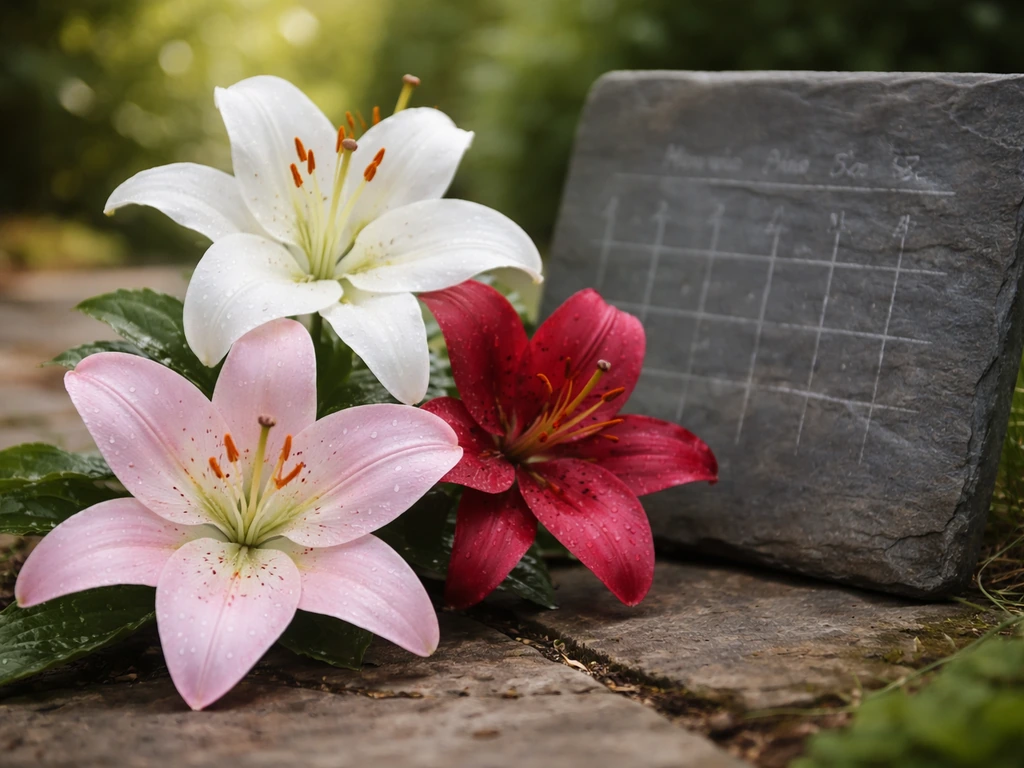
Here's a quick breakdown of blooming seasons across the lily types this site covers. These are bloom windows for plants that are well-established and grown outdoors in temperate climates. Indoor plants, especially peace lilies, behave differently and are noted below.
| Lily Type | Bloom Season | Notes |
|---|---|---|
| Asiatic Lily | Early summer (June–early July) | First true lilies to bloom; wide color range, no fragrance |
| Trumpet Lily | Midsummer (July–August) | Tall, highly fragrant; excellent for back of borders |
| Oriental Lily (incl. Stargazer) | Mid-to-late summer (July–September) | Most fragrant group; blooms after Asiatics and Trumpets |
| Daylily | Early to midsummer (June–August) | Each flower lasts one day; long overall bloom window |
| Calla Lily | Late spring to midsummer (May–July outdoors) | Tender rhizome; can bloom year-round in warm climates |
| Peace Lily | Spring and fall indoors; variable | Houseplant; blooms driven by light and temperature, not season |
| Water Lily | Late spring through early fall (May–September) | Blooms as long as water temps stay above ~70°F |
A few things worth noting here: Asiatic, trumpet, and Oriental lilies are all true lilies (genus Lilium), and they essentially hand off blooming duties across the summer. If you plant all three groups together, you can have continuous lily blooms from June through September. Daylilies (Hemerocallis) are not true lilies at all, but they follow a similar summer arc. Calla lilies (Zantedeschia) are grown from rhizomes rather than bulbs and behave more like tender perennials. Peace lilies (Spathiphyllum) are tropical houseplants whose blooming is governed by light levels rather than outdoor seasons.
When to plant bulbs, rhizomes, and seeds
Planting true lily bulbs outdoors
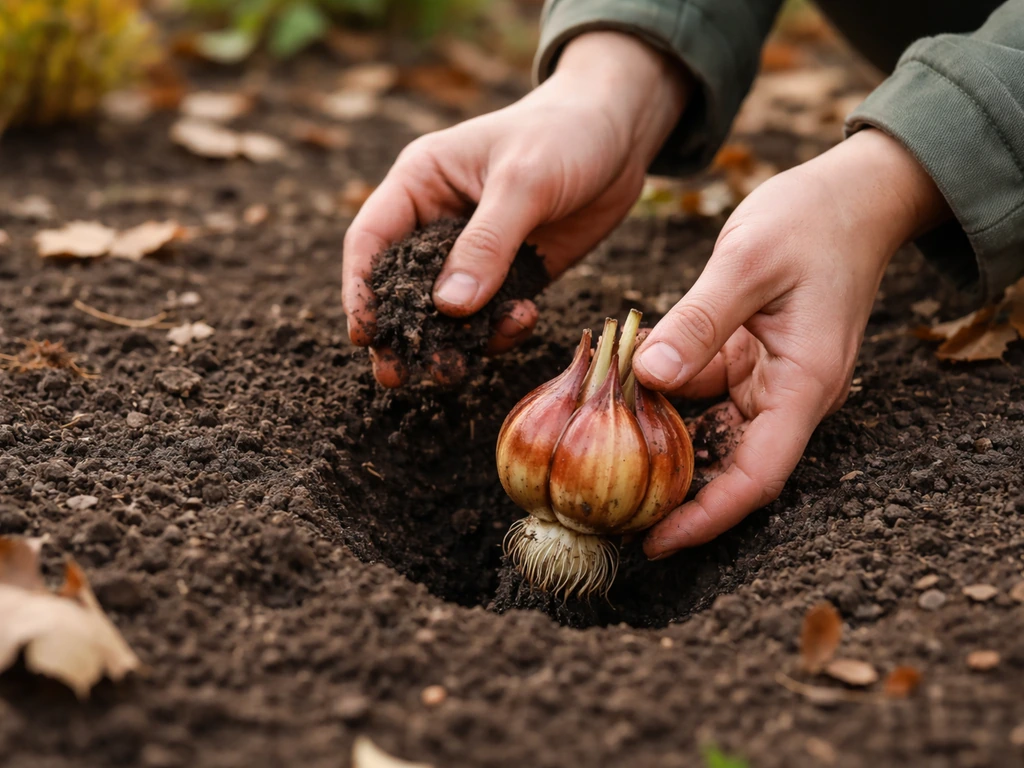
For most true lilies (Asiatic, Oriental, trumpet), fall planting is the standard approach. The goal is to get the bulb in the ground while the soil is still workable but cooling down, so roots can establish before a hard freeze. Late September is a popular target in colder zones, since the bulb needs several weeks of root growth before the ground freezes solid.
In milder climates, you have more flexibility: gardeners in zones 6 and 7 generally do well planting from mid-to-late October through November, while those in zones 8 and 9 can push into late November or even December. If you miss the fall window entirely, early spring planting works too, but fall is preferred because it gives bulbs a longer establishment window. Illinois Extension also notes that [fall is the prime time for planting hardy spring-flowering bulbs](https://extension. illinois.
edu/flowers/planting-bulbs), which helps explain why spring-planted bulbs often take longer to bloom.
There's one exception worth flagging: martagon lilies are typically planted in fall only and resent spring disturbance. Most other true lily types tolerate spring planting reasonably well if fall wasn't possible.
Planting calla lily and daylily rhizomes
Calla lily rhizomes go in the ground in spring, after your last frost date, since they're tender and will rot in cold, wet soil. Plant them about 4 inches deep and expect flowers roughly 8 to 12 weeks later, which lands most gardeners in late spring to midsummer bloom. In zones 8 and above, calla rhizomes can stay in the ground year-round. In colder zones, dig them up after the first frost, dry them out, and store them indoors until spring. Daylily rhizomes are much tougher and can be planted in either spring or fall. Spring planting usually produces blooms that same summer; fall planting blooms the following year.
Starting lilies from seed
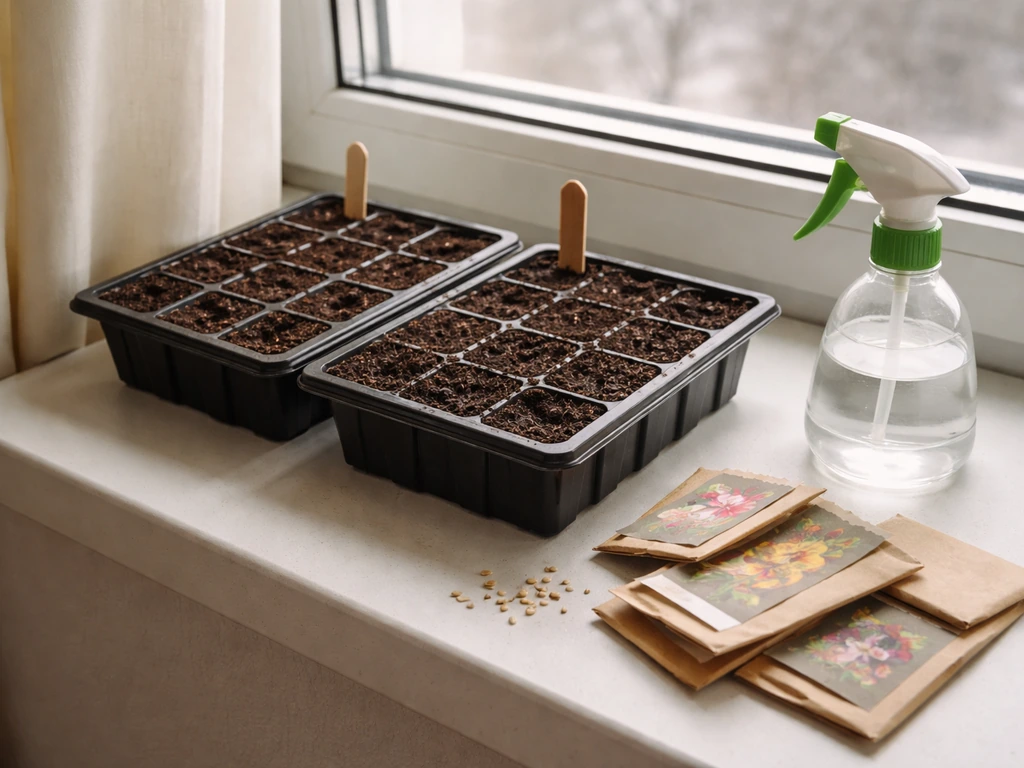
Starting true lilies from seed is a slow project, and most gardeners skip it in favor of bulbs. If you want to try it, start seeds indoors in late winter (January to February) under grow lights. True lily seeds often need a cold stratification period of 4 to 6 weeks before germination, and even then, most seedlings won't bloom until their second or third year. For peace lilies, propagation is almost always done by division rather than seed.
If you’re looking for Lily growing details in another format like a PDF, you can also search for that phrase and download options For peace lilies, propagation is almost always done by division rather than seed. . Water lilies can be grown from seed, but like true lilies, they take time and are far easier to establish from tubers or divisions.
How your climate and USDA zone shift the timing
Your USDA hardiness zone tells you a lot about when to plant and what to expect. The basic logic: the colder your zone, the earlier you need to get bulbs in the ground in fall so roots establish before freeze, but the later your spring bloom will be. Here's a rough guide to how fall planting timing shifts by zone:
| USDA Zone | Fall Planting Window | Expected Summer Bloom |
|---|---|---|
| Zones 3–4 (very cold winters) | Late September to early October | Late June through August |
| Zones 5–6 (moderate cold) | October through early November | June through August |
| Zones 7 (mild cold) | Mid-October through November | June through August |
| Zones 8–9 (mild winters) | Late November through December | May through July |
| Zone 10+ (near-tropical) | Lilies need refrigeration to bloom; plant as annuals | Variable; spring if pre-chilled |
In very warm climates (zones 9 and 10), true lily bulbs need artificial chilling because they require a cold dormancy period to bloom properly. You can refrigerate bulbs for 6 to 8 weeks before planting in late winter. Without that cold period, the plant may push up foliage but skip flowering entirely. This is one of the most common reasons lily growers in Florida or Southern California get frustrated.
Frost timing matters just as much as your zone number. If you're planting spring bulbs (daffodils, tulips) at the same time, use the same fall frost window as your guide for lily bulbs. For spring-planted calla rhizomes, wait until two weeks after your average last frost date before putting them in the ground.
Light, temperature, and water: the conditions that actually control when your lily blooms
Light requirements
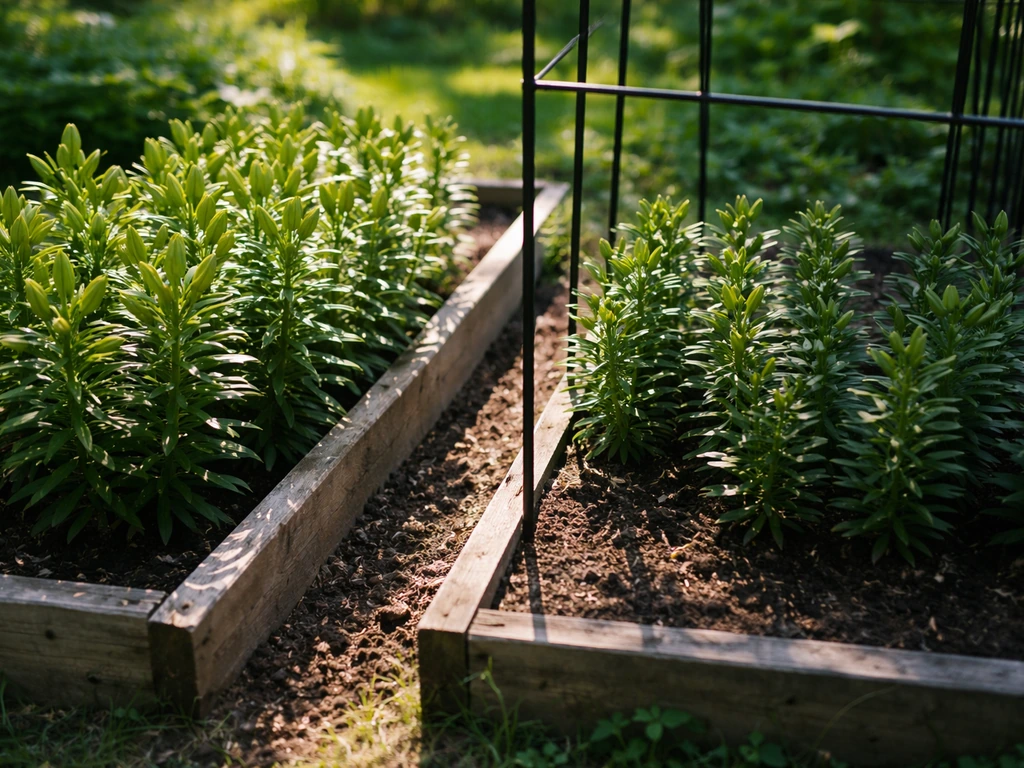
Most true lilies and daylilies prefer full sun, meaning at least 6 hours of direct sun per day. They'll tolerate partial shade (4 to 6 hours) but will bloom later and produce fewer flowers. If your lily is getting less than 4 hours of sun, don't expect much flowering at all. Peace lilies are the exception: they're adapted to low-light indoor conditions and will burn in direct sun. For peace lilies, bright indirect light (near a north or east-facing window) encourages the best bloom cycle. Water lilies need full sun to bloom well, typically 6 or more hours directly on the water surface.
Temperature and cold requirements
True lily bulbs need cold dormancy to bloom. This isn't optional: the cold period triggers the hormonal process that eventually produces flower buds. For outdoor lilies in zones 3 through 7, the ground itself provides this naturally. In warmer zones, you have to simulate it artificially. Trumpet and Oriental lilies tend to need a longer, deeper cold period than Asiatics, which is why they also bloom later in the season. Peace lilies will sometimes rebloom if you move them to a slightly cooler room (around 55 to 65°F) for a few weeks, mimicking the mild seasonal cues they'd experience in their native tropics.
Watering and soil moisture
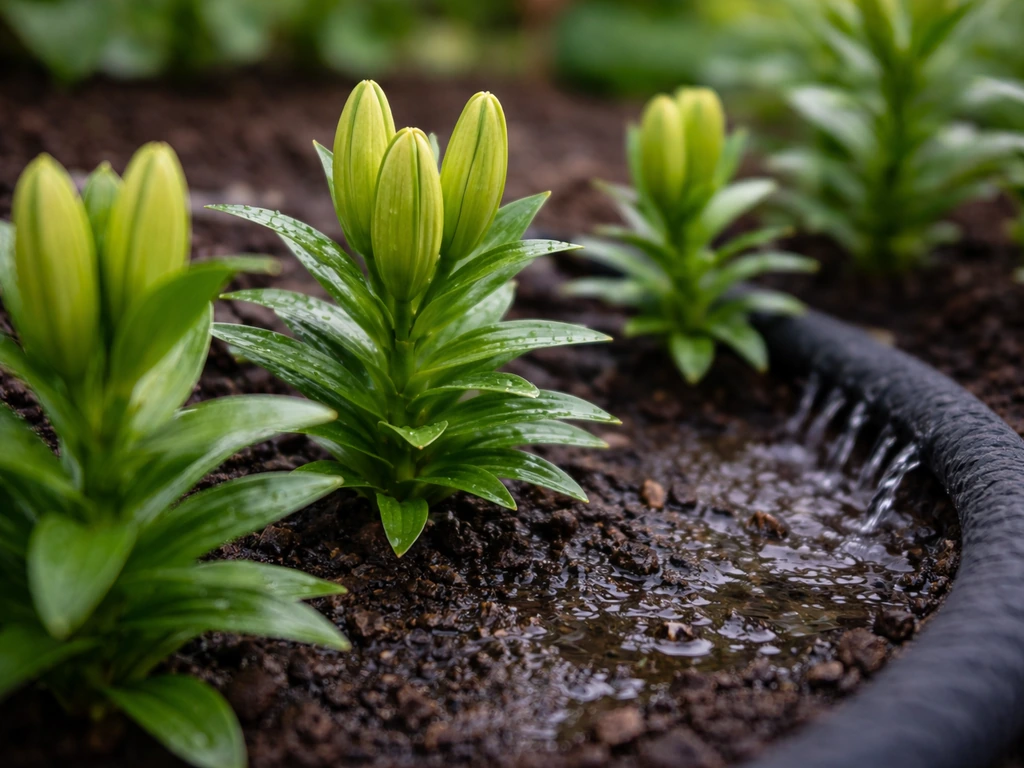
Consistent moisture matters most right when flower buds appear. If the soil is dry at that point, start watering immediately, because drought stress during bud development is a fast way to end up with premature bud drop or no flowers at all. That said, standing water is the enemy of lily bulbs at any stage: they'll rot. Always choose a site with good drainage or amend heavy clay before planting.
A general rule is to water deeply once or twice a week during the growing season rather than shallow daily watering. Mulching the soil surface helps maintain consistent moisture and also buffers soil temperature swings. UMN Extension advises that planting depth and spacing should be adjusted for the specific bulb, tuber, or rhizome to help establish roots before conditions change [Mulching the soil surface helps maintain consistent moisture and also buffers soil temperature swings. ](https://extension.
umn. edu/node/15561). Water lilies obviously need to stay submerged, but the depth matters: most common varieties perform best with 6 to 18 inches of water over the crown of the plant.
How to figure out your lily's growing window right now
Start by identifying which type of lily you actually have. True lilies (Asiatic, Oriental, trumpet) grow from scaly bulbs and produce a single upright stem with flowers clustered at the top. Daylilies grow from fibrous rhizomes and produce multiple stems in a clump. Calla lilies have smooth, arrow-shaped leaves and grow from a fleshy rhizome. Peace lilies are houseplants with glossy, dark green leaves and white spathe flowers. If you're unsure which type you have, the leaf shape and growth habit usually make it clear within a few seconds of looking at a photo.
Once you know your type, look up your average last spring frost date and first fall frost date (both are searchable by zip code). For true lily bulbs, count backward from your expected bloom window: if Oriental lilies bloom in August in your area and you want to plant in fall, aim to get bulbs in the ground by late October in zones 5 and 6, or early November in zone 7.
Troubleshooting: why your lily isn't blooming
- Not enough cold: true lily bulbs skipped their chill period, especially common in zones 8 and warmer. Solution: refrigerate bulbs for 6 to 8 weeks before planting.
- Too much shade: fewer than 4 hours of direct sun will usually prevent flowering in true lilies, daylilies, and calla lilies. Move container plants or trim back overhanging branches.
- Planted too late in spring: bulbs planted after the soil warms significantly may push up leaves but skip flowers that first season. They'll usually bloom the following year.
- Waterlogged soil: bulbs sitting in standing water rot before they can bloom. Check drainage and consider raised planting beds if your soil stays wet.
- Drought stress at bud stage: dry soil when buds are forming causes bud drop. Start watering as soon as you see buds developing.
- Peace lily in too much direct sun or too dark a spot: move it to bright indirect light and reduce watering slightly to encourage a rebloom cycle.
- Daylily overcrowding: clumps that haven't been divided in 4 to 5 years produce fewer flowers. Divide in late summer or early fall after blooming ends.
Your next steps today (May 2026)
If it's early May and you're figuring out what to do right now: most of the continental US is past its last frost date or very close to it, which means this is a great window for planting calla lily rhizomes outdoors and for getting any unplanted true lily bulbs in the ground if you still have them. True lily bulbs stored since fall should go in as soon as possible before the soil warms too much.
Daylily rhizomes can go in now too, and many may even bloom this first season if planted early enough. For peace lilies, now is a natural time to repot or divide if the plant is rootbound, which often triggers fresh blooming. Water lily tubers can go into the pond once water temperatures are consistently above 60°F, which in most of the US happens sometime between April and early June depending on your location.
- Identify your lily type using leaf shape, bulb or rhizome structure, and growth habit.
- Look up your zip code's last frost date and first fall frost date to anchor your planting and bloom calendar.
- Get calla rhizomes and any held-over true lily bulbs in the ground now if you're in zones 5 through 9.
- Check your growing site for drainage and sun hours before planting — fix these first if needed.
- If a lily failed to bloom last year, work through the troubleshooting checklist above before assuming the plant is a lost cause.
- For true lilies already in the ground, watch for bud development in the next few weeks and start supplemental watering if your soil has been dry.
One more thing worth knowing: if you've come across references to a white lily in poetry or song, that's a different kind of question entirely, more cultural than horticultural. This site focuses on the hands-in-the-dirt side of things, but it's a good reminder that "lily" means something different depending on the context. For everything about actually growing them, you're in the right place. If you mean the film where the lilies grow, check out its showtimes and where to watch where the lilies grow movie.
FAQ
If I buy lily bulbs now, what season should I expect flowers in?
Most true lily bulbs still need fall-style establishment time, even if you plant later. If you plant outside the normal fall or early-spring window, you’ll usually get foliage first and flowers the following summer. As a quick check, don’t plan on blooms in the same season unless your bulbs are already well-established in a pot or you’re planting early enough in spring for a short cycle.
Can I force lilies to bloom earlier than summer?
For outdoor true lilies, “forcing” is limited because they require a cold dormancy period. The practical way is to chill bulbs (mainly for warm zones 9 to 10) or start in containers with controlled temperature, then move them outdoors when buds are forming. Even then, a realistic target is usually earlier summer or late spring, not immediate flowering.
Why do my lilies produce lots of leaves but no flowers?
The most common causes are missing cold dormancy (common in warmer zones if bulbs were not artificially chilled) or insufficient sun (less than about 4 hours of direct light). Another frequent issue is dry bud-stage soil, which can abort buds before they open. If you’re sure about cold and sun, check that the bulbs are not sitting in waterlogged soil.
What happens if I plant lilies too late in the fall?
If the soil cools and freezes before roots establish, the plant may survive underground but delay flowering until the next year. A late-fall planting can also lead to weaker stems and smaller flower counts. If you missed the fall window, early spring planting is usually the next best option.
Is it okay to transplant lilies after they start growing?
For most true lilies, late disturbance can reduce blooms because it disrupts developing roots. If spring planting was your only option, avoid moving them once stems are up. Martagon lilies are the exception noted for being especially resentful of spring disturbance, so treat them as fall-only plantings.
How deep should lily bulbs be for reliable summer blooms?
A common mistake is planting too shallow, which can cause poor anchoring and temperature swings. For true lilies, depth guidance should be roughly based on bulb size, but as a baseline many gardeners aim for about 2 to 3 times the bulb’s height, then ensure the soil is loose and well-drained. If you’re unsure, tell me your bulb size and type (Asiatic, Oriental, trumpet) and I can suggest a tighter range.
Do daylilies bloom in the same months as true lilies?
Often, yes, but you shouldn’t assume identical timing. Daylilies usually follow a similar summer arc, yet individual cultivars can shift earlier or later, and clumps may bloom in waves rather than a single fixed window. If you want long coverage, choose cultivars with different peak bloom weeks, not just different “lily” types.
My peace lily won’t bloom. Is it related to seasons?
Peace lilies can flower at almost any time indoors, but light level is the main driver. Too little light can stop blooming entirely, while direct sun can burn leaves. If it’s not blooming, try a slightly cooler room (around 55 to 65°F) for a few weeks and move it closer to a bright, indirect window.
When can I add water lily tubers to my pond?
Water lily tubers should go in only once water temperatures are consistently warm, typically above 60°F. If you plant earlier when the water is still cool, growth can stall and tubers may rot. After planting, watch the crown area for steady new growth rather than expecting immediate floating leaves.
How do I extend the lily flowering season from June through September?
The easiest method is to stagger true lily types that naturally hand off across summer, for example combining Asiatic, trumpet, and Oriental plantings. Keep sun and drainage consistent across the bed, and don’t let soil dry out right when buds start forming. If you plant all at once, you may still get overlap, but cultivar differences can shift the exact weeks.
Next Articles
Where the Lilies Grow Movie Locations and How Lilies Grow
Find filming locations for Where the Lilies Grow, then match the right lily needs: light, soil, drainage and water.
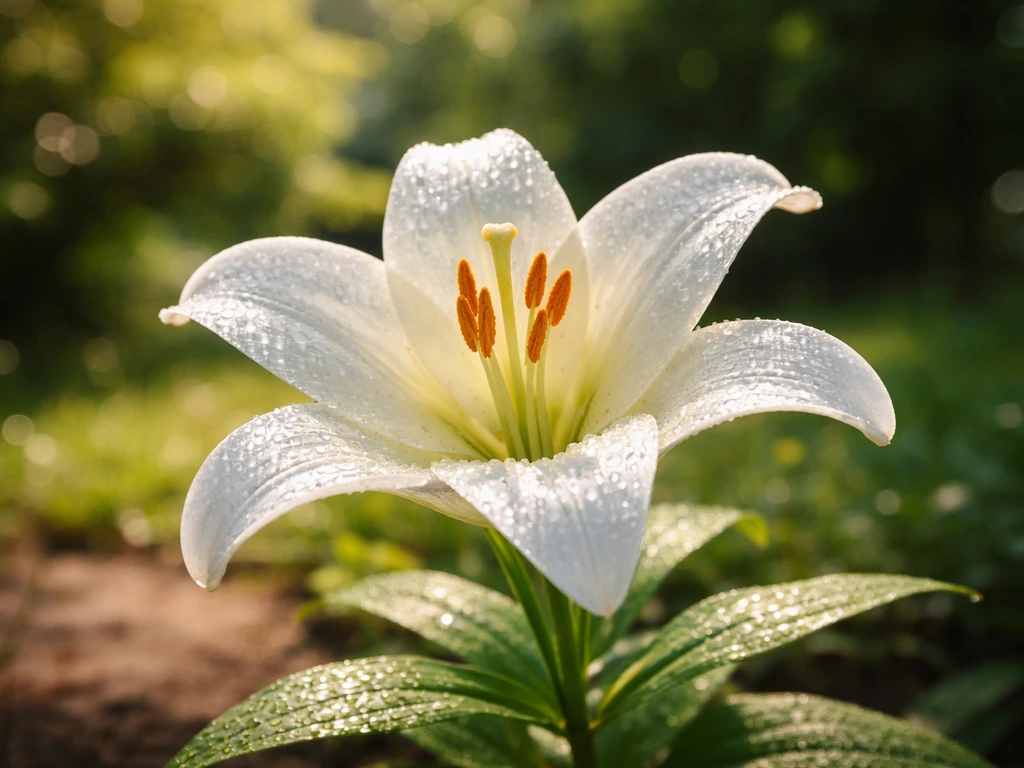
Have You Seen But a White Lily Grow Lyrics Meaning and How to Grow
Understand the lyrics meaning of a white lily grow and get step by step tips to grow white lilies successfully.
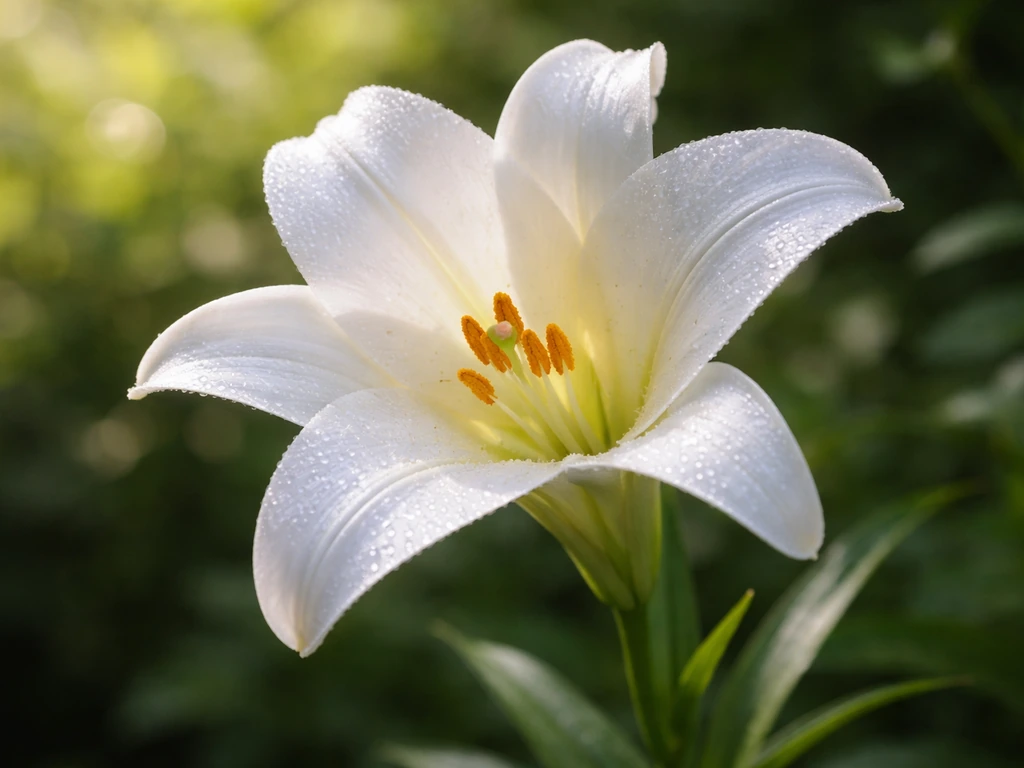
Have You Seen But a White Lily Grow: Care Guide
Find the right white lily variety and grow it well with light, soil, planting, watering, troubleshooting, and care tips