
"Have you seen but a white lily grow" is a lyric from a poem and song by Ben Jonson, written around 1616. It appears in his play The Devil Is an Ass and later in his collection The Underwood. The line opens a stanza full of sensory comparisons, untouched snow, swan's down, a briar's scent, all building to the closing line "So white, so soft, so sweet. " The meaning is about purity and unspoiled beauty, not gardening.
Have You Seen But a White Lily Grow Lyrics Meaning and How to Grow

Marcus Hendricks
24 Apr 2026
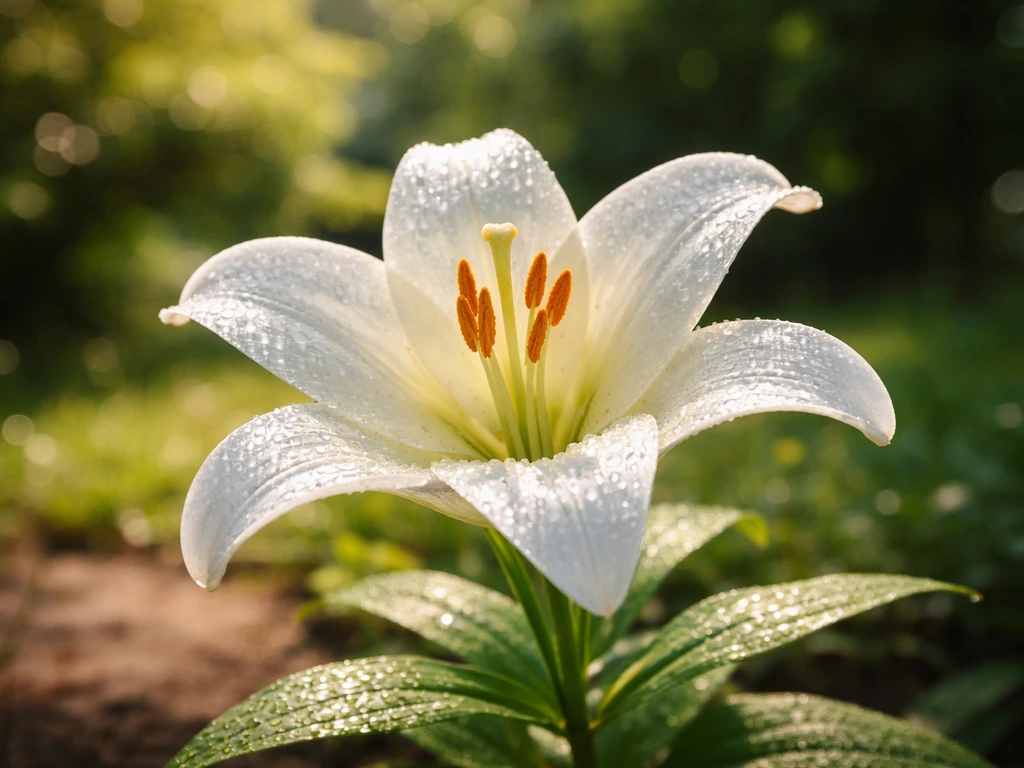
But if the lyric sparked your curiosity about actually growing a white lily, you're in the right place, because that part has a very concrete answer too. If you are wondering about the literary origin of the line as well, you may also want to explore what “have you seen but a white lily grow” refers to.
What "Have You Seen But a White Lily Grow" Actually Refers To

Ben Jonson wrote this lyric in the early 17th century. It first appeared as part of The Devil Is an Ass (first performed 1616) and was later printed in The Underwood, one of Jonson's poetry collections. The music most commonly associated with it is attributed to the composer Robert Johnson, and the piece has been performed and published in various settings over the centuries, including a well-known arrangement by Frederick Delius called "Four Old English Lyrics."
The full stanza goes something like this: "Have you seen but a white lily grow / Before rude hands have touch'd it? / Have you mark'd but the fall of the snow / Before the earth hath smudg'd it?" It continues with more comparisons, beaver wool, a briar, nard, a bee, all pointing toward the same conclusion. The poem is a self-contained lyric meditation, not a plot-driven speech. It works equally well as a standalone poem or as an inserted song within the play.
What the Lyric Actually Means (and Why the White Lily Is the Perfect Opening Image)
The dominant interpretation, and the one most scholars land on, is that the stanza is a catalog of purity and untouched beauty. Each image, the white lily before hands have touched it, the snow before earth has smudged it, represents something in its most perfect, unaltered state. The white lily isn't chosen because Jonson was a gardener. It's chosen because, culturally, the white lily has been a symbol of purity, innocence, and spiritual idealism for centuries. It's the same reason white lilies appear in Renaissance paintings of the Virgin Mary and in funeral traditions across multiple cultures.
The "before rude hands have touch'd it" line is the key interpretive hinge. It implies that human contact, the world's interference, corrupts or diminishes natural perfection. The poem is asking the reader to hold those pristine images in mind, and then the final line "So white, so soft, so sweet" arrives as a summary of everything the comparisons were building toward. Many readers interpret this as a love poem, the beloved is being compared to all these unspoiled things. Others read it as a more abstract meditation on purity and loss. Both readings work, and both rest on the same foundation: the white lily as a symbol of something beautiful before the world gets to it.
The spiritual dimension is worth noting too. White lily imagery carries strong religious connotations in Western literature, purity of soul, resurrection, divine grace. Whether Jonson intended a sacred or secular reading, the accumulated weight of that symbolism is present in the line. If you're researching the poem as part of a literature class or musical study, knowing this context helps enormously.
If you want the PDF version of the poem and context, look for the “have you seen but a white lily grow pdf” discussion and downloads. And if you're curious about the broader poem beyond just this lyric, the full text and PDF versions of the score circulate widely online, something covered more closely in the related topic on the "have you seen but a white lily grow pdf" version.
Which White Lily Are We Actually Talking About in the Garden?
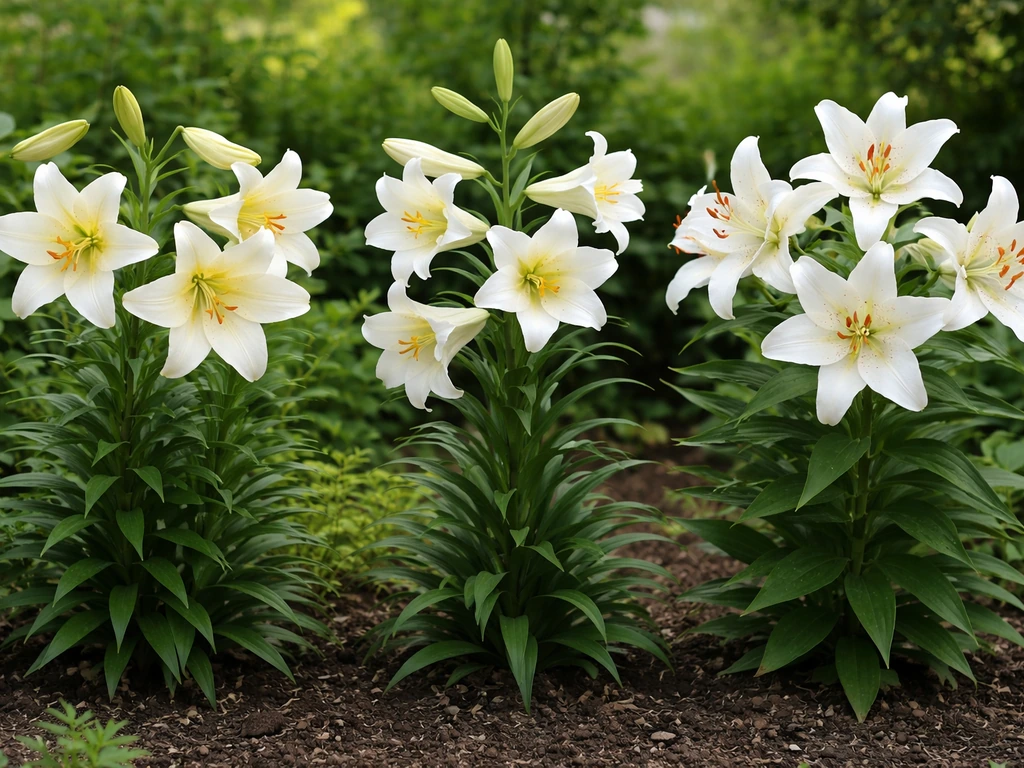
When gardeners hear "white lily," three plants come to mind most immediately: the Madonna lily (Lilium candidum), the Easter lily (Lilium longiflorum), and various white-flowered Oriental or trumpet hybrids. These are genuinely different plants with different requirements, so getting the ID right matters before you dig a hole.
| Type | Botanical Name | Bloom Time | Key Characteristic |
|---|---|---|---|
| Madonna lily | Lilium candidum | Early summer | Shallow-rooted, drier soil tolerance, basal rosette in fall |
| Easter lily | Lilium longiflorum | Spring/early summer | Stem-rooting, often grown as potted plant, zones 5–11 |
| White Oriental hybrids | Various Lilium hybrids | Mid-to-late summer | Stem-rooting, deep fragrance, needs deeper planting |
| White trumpet lilies | Various Lilium hybrids | Mid-summer | Tall, outward-facing blooms, strong scent |
The Madonna lily is the one closest to Jonson's imagery, it has been cultivated in Europe for thousands of years and is among the oldest of the cultivated lilies. Fine Gardening describes it as forming bright green basal rosettes in autumn (which is unusual among lilies) and being more tolerant of drier soil than most. If you want a white lily that looks and feels like the classical, painterly ideal, Lilium candidum is your plant. Easter lilies are more forgiving and widely available at garden centers each spring. White Oriental hybrids give you the biggest flowers and strongest scent but need the most attention to planting depth and drainage.
Light, Soil, and Drainage: Getting the Basics Right
Almost every white lily type wants full sun to partial shade, aim for at least 6 hours of direct sunlight per day. They'll tolerate afternoon shade in hot climates, which can actually extend bloom time and protect white petals from bleaching. What they will not tolerate is waterlogged soil. Wet feet kill lily bulbs faster than almost anything else, so drainage is non-negotiable.
For soil, go with rich, fertile, well-drained conditions with a pH close to neutral (around 6.5 to 7.0). If your soil is heavy clay, amend it generously with compost and grit before planting. White Flower Farm's guidance on Madonna lilies specifically calls for "rich, well-drained soil" with a neutral pH, and that advice transfers pretty well to most white lily types.
Planting depth varies by type, and this is where a lot of beginners go wrong. The RHS breaks it down simply: basal-rooting lilies (like Madonna lily) go in at a depth roughly equal to the height of the bulb. Stem-rooting lilies (like Easter lily and most Oriental/trumpet hybrids) need to go in much deeper, about two to two-and-a-half times the bulb height. A general rule of thumb from the RHS is to have about 15 cm (6 inches) of soil above the bulb for most stem-rooting types. Too shallow, and the bulb dries out and fails. Too deep in heavy soil, and it rots.
- Full sun to partial shade: 6+ hours of direct sun per day is ideal
- Well-drained soil is essential — raised beds or slopes are great, flat clay is not
- Neutral pH around 6.5 to 7.0 suits most white lily varieties
- Basal-rooting types (Madonna lily): plant at a depth equal to bulb height
- Stem-rooting types (Easter lily, Orientals): plant 2 to 2.5 times the bulb height deep
- As a general guide, aim for about 6 inches (15 cm) of soil above the bulb
Watering and Feeding for Actual Blooms
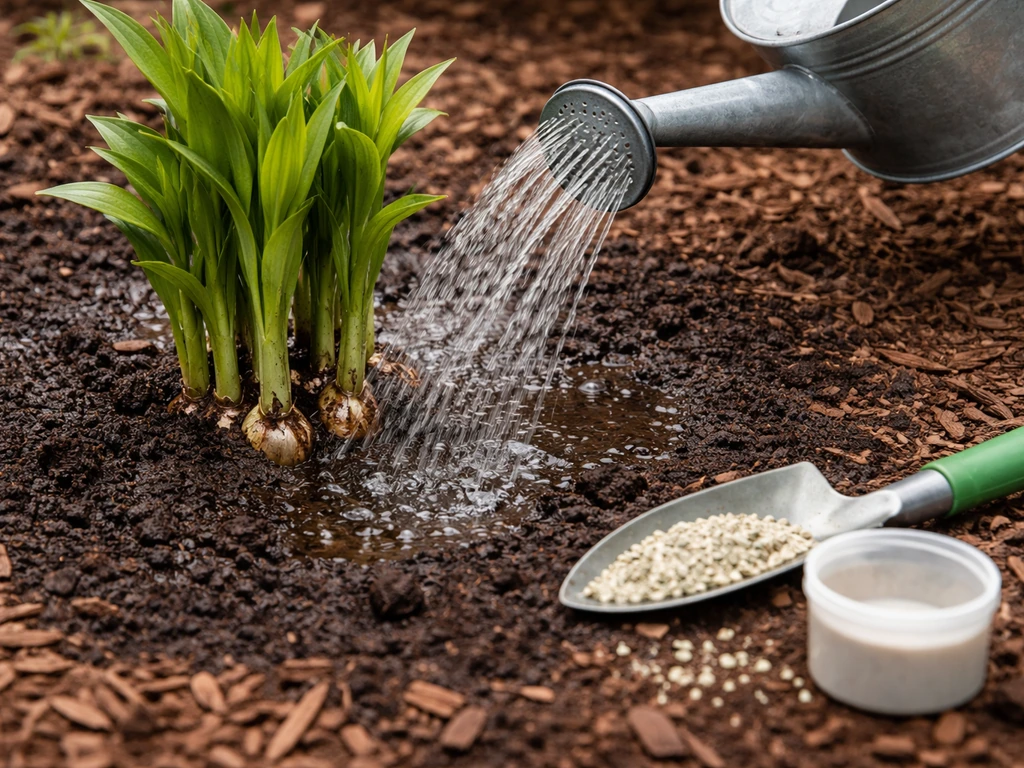
After planting, water thoroughly to settle the bulb and then keep the soil evenly moist but never soggy. "Evenly moist" means you check it regularly and water when the top inch or two of soil dries out, not on a rigid daily schedule, but in response to actual conditions. In hot, dry summers, that might mean watering every 2 to 3 days. In cooler, cloudier weather, once a week may be plenty. The White Flower Farm guidance for Madonna lilies puts it well: water thoroughly after planting and keep moist but not wet.
Fertilizing is where a lot of gardeners underinvest, and then they wonder why their lilies produce small blooms or fail to flower at all. Lilies are heavy feeders. The RHS recommends adding a slow-release or controlled-release fertilizer at planting time, then switching to a liquid feeding program through the growing season. A good approach is to use a balanced general feed early in the season to support leaf and stem development, then switch to a higher-potassium (high-potash) feed in the second half of growth to support flowering. The RHS suggests feeding every two weeks from flowering until the plant begins to die back in autumn. Don't stop feeding the moment you see buds, the plant is still working hard.
Indoor vs. Outdoor Growing and Climate Considerations
Easter lilies are the most common choice for indoor growing because they're sold as potted plants every spring. You can enjoy one indoors in a bright spot (ideally near a south or west-facing window), then transition it to the garden once the risk of frost has passed. Wisconsin Horticulture extension guidance notes that Easter lilies are hardy in zones 5 through 11, and with some winter mulch protection you can push that into zone 4. Plant the pot's bulb in the ground at roughly the same depth it was growing in the container, or slightly deeper.
Madonna lilies are less commonly grown indoors, they need a proper cold period and do best in the ground. Oriental and trumpet white hybrids can be grown in large containers (at least 12 inches deep and wide per bulb), which makes them adaptable for patios and balconies in climates where in-ground growing is tricky. If you're growing in containers, the RHS is emphatic: use a controlled-release fertilizer at planting and feed regularly through the season, because nutrients flush out of pots much faster than in the ground.
For dormancy, if you've grown an Easter lily indoors and want to store the bulb, the University of Missouri Extension guidance applies: after flowering, gradually reduce watering, then store the bulb in a cool, dark location through its dormant period. Don't rush it back into growth. Lilies need their rest the same way you do after a long season.
Why Your White Lily Might Be Failing (and How to Fix It)
I've seen, and caused, most of the common lily failures. They almost always come down to a handful of fixable issues.
Botrytis Blight (Gray Mold)
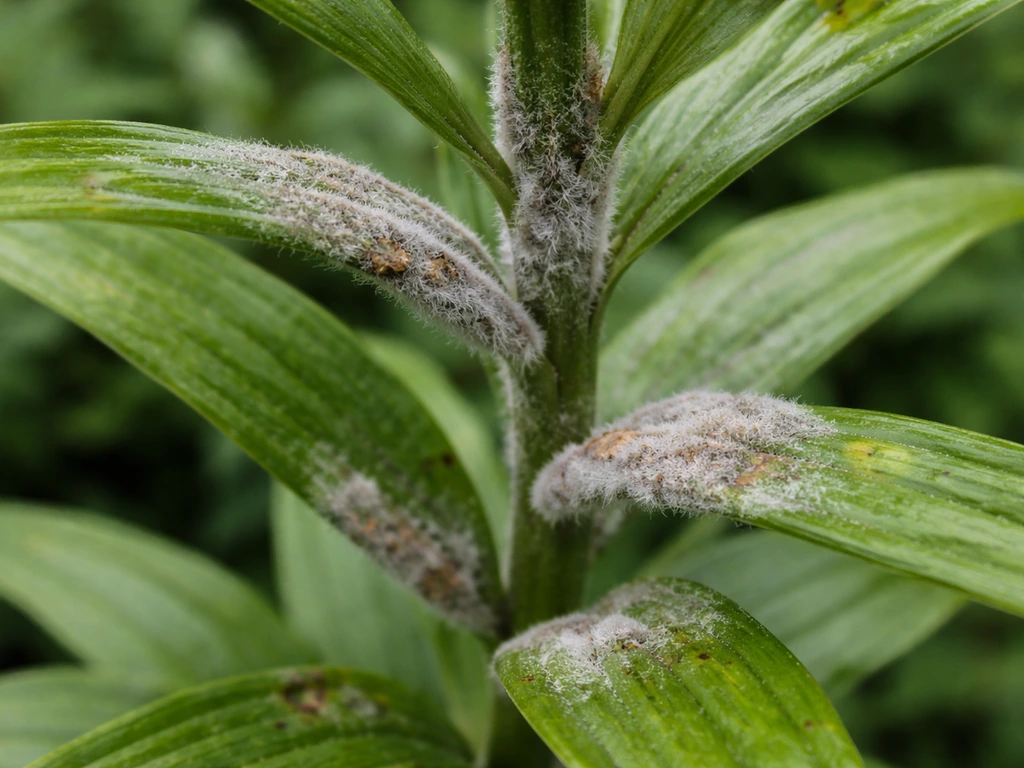
Botrytis is the most common fungal disease in lilies. You'll see gray, fuzzy mold on leaves and stems, or brown spots that spread in wet weather. It thrives in cool, humid, crowded conditions. The fix is mostly cultural: improve airflow by thinning plantings and avoiding overhead watering, remove infected material promptly, and never let dead leaves sit around the base of the plant. University of Maine Cooperative Extension documents it specifically as "Lily Botrytis Blight", it's extremely common, and good sanitation is your best defense.
Bulb Rot
If your lily never emerges at all, or collapses early in the season, bulb rot from waterlogged soil is the most likely culprit. Check your drainage before you plant, not after. If you're gardening on flat ground with heavy soil, raise your beds or plant on a slight slope. There's no saving a rotted bulb, prevention is everything here.
Lily Leaf Beetle
The scarlet lily beetle (and its larvae, which are the real damage-doers) can strip a lily plant in days. Utah State University Extension notes that lily leaf beetle adults and larvae feed on lilies (Lilium spp.) and related Liliaceae, including Easter lily (L. longiflorum) and Oriental or Asiatic lilies. The larvae cover themselves in their own excrement as camouflage, which makes them easy to miss. Check the undersides of leaves regularly from spring onward. Hand-pick beetles and larvae when you spot them. For heavy infestations, integrated pest management approaches, including targeted pesticide applications, are covered in detail by resources like UConn IPM.
Poor or No Flowering
If your lily leafs out beautifully but never blooms, the usual suspects are: not enough sun, too-shallow planting (especially for stem-rooting types), nitrogen-heavy feeding (which pushes leaf growth at the expense of flowers), or a bulb that's been planted in the wrong season and is out of sync with its natural cycle. Switch to a high-potash feed, make sure you have at least 6 hours of sun, and check your planting depth against the type you're growing. Often a simple correction in the next season makes all the difference.
| Problem | Likely Cause | Fix |
|---|---|---|
| Gray mold on leaves/stems | Botrytis blight (fungal) | Improve airflow, remove infected material, avoid overhead watering |
| Bulb never emerges or plant collapses | Bulb rot from poor drainage | Improve drainage before planting; raised beds help |
| Leaves stripped or holey | Lily leaf beetle or larvae | Hand-pick regularly; check leaf undersides; use IPM approach for heavy infestation |
| Lots of leaves, no flowers | Too much nitrogen, too little sun, or wrong planting depth | Switch to high-potash feed, ensure 6+ hours sun, adjust depth for stem-rooting types |
| Pale or bleached petals | Too much direct afternoon sun in hot climates | Provide afternoon shade or move container to a spot with morning sun only |
Whether you came here for the Ben Jonson lyric or for practical growing advice, the white lily rewards a bit of attention. Jonson was right to make it the opening image of a poem about unspoiled beauty, a white lily in full bloom, before anything touches it, is genuinely one of the most striking things a garden can produce.
If you're curious about the broader context of the poem itself, the topic "have you seen but a white lily grow" digs deeper into the literary history, and for those interested in what season to plant and expect blooms, the seasonal growing guide covers timing in detail. That timing depends on the lily type you choose, along with your local climate and planting date what season to plant and expect blooms.
If you meant the movie version of “where the lilies grow,” use this guide to find where it’s set and what to watch for where the lilies grow movie.
FAQ
Is “have you seen but a white lily grow” actually about gardening or planting?
It is primarily a literary meditation on untouched beauty, the key phrase is the “before rude hands have touch’d it” idea. The growing section is separate, if you want the symbolism to stay intact, treat the gardening tips as practical inspiration rather than a literal guide to what Jonson described.
Which white lily should I buy if I want the closest match to the lyric’s “classical” image?
Most gardeners start with the Madonna lily (Lilium candidum) because it is the most culturally aligned with older European “white lily” imagery. If you buy Easter or Oriental hybrids, expect different planting depth, colder-dormancy needs, and often different bloom timing, so check the exact cultivar label.
Can I grow a white lily from a store-bought potted Easter lily?
Yes, but plan for a transition. Keep it in a bright indoor spot while it finishes blooming, then move it outdoors after frost risk passes. Plant at about the same container depth or slightly deeper, and be ready for the first outdoor season to focus on establishment rather than peak blooms.
How do I know whether my lily is stem-rooting or basal-rooting (so I plant at the right depth)?
If you cannot identify it by name, use the type on the label or supplier notes. Stem-rooting lilies (common for Easter and many Oriental or trumpet types) go deeper, basal-rooting (common for Madonna lily) goes shallower. When in doubt, err slightly deeper rather than too shallow, because lilies dislike drying out at the bulb.
What’s the best way to prevent “waterlogged soil,” especially in rainy areas?
Improve drainage before planting, then avoid low spots where water collects. Practical options include raised beds, planting on a slight slope, and adding compost plus grit for structure. After heavy rain, check that the soil is drying by the next day or two, if it stays wet, the site needs more drainage work.
Do white lilies need daily watering in summer heat?
Usually not. Water thoroughly when the top inch or two of soil dries, in very hot stretches that might be every 2 to 3 days, while cooler or cloudier weeks may only need watering once. The common mistake is sticking to a daily schedule, which often keeps bulbs too wet and increases rot risk.
Why did my lily grow leaves but never bloom, even though it got sun?
The most frequent causes are insufficient sun duration, nitrogen-heavy feeding, or incorrect bulb depth for the lily type. Another sneaky issue is feeding too late with the wrong balance, switch to higher-potash feeding in the second half of growth and keep feeding cadence through bud and early flowering.
When should I stop fertilizing, right before blooming?
Do not stop as soon as buds form. Continue feeding through the growing and flowering period, then taper when the plant begins dying back naturally. Stopping too early can reduce flower development for that season’s cycle and leave the bulb undernourished for next year.
My lily has gray fuzzy spots, is it always botrytis?
Gray, fuzzy growth in cool, humid weather strongly suggests botrytis, but the pattern matters. Remove affected leaves promptly, improve airflow by spacing plants, and avoid overhead watering. If you see spread despite sanitation, consider confirming with local extension resources, because other leaf spots can look similar early on.
What should I do if my lily bulb rots after planting?
There is typically no rescue once the bulb has decayed. Focus on prevention next time: verify drainage before you plant, raise beds in heavy soils, and ensure the planting depth matches the lily type. Also avoid covering bulbs with consistently wet mulch right over the crown during rainy periods.
How can I catch scarlet lily beetles before they destroy the plant?
Check undersides of leaves regularly from early spring through peak growth, larvae are easy to miss because they hide under foliage. Hand-picking works for light infestations, for heavier cases use an integrated pest approach, including targeted control methods timed to larval stages.
Can I grow white lilies in containers year-round?
You can grow several types in large pots during the growing season, but year-round overwintering depends on your climate and the lily type. For many gardeners, the safer approach is to keep containers outdoors, ensure excellent drainage, and provide appropriate winter protection or dormant storage if your winters are too harsh or too wet.
If I store a lily bulb after indoor flowering, how do I know the dormancy period is over?
Do not rush it. Once the plant naturally finishes die-back, reduce watering gradually, then store in a cool, dark place. Bring it back into growth only when you are ready to plant under suitable conditions for your area, and look for renewed sprouting rather than forcing early emergence.
Next Articles
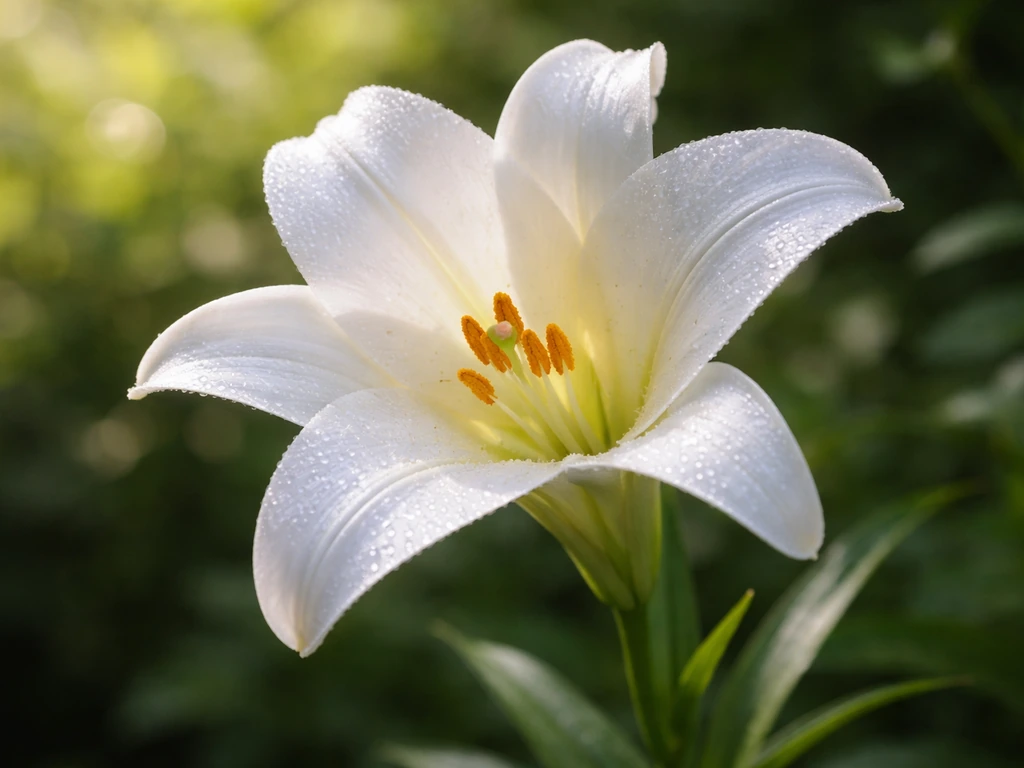
Have You Seen But a White Lily Grow: Care Guide
Find the right white lily variety and grow it well with light, soil, planting, watering, troubleshooting, and care tips
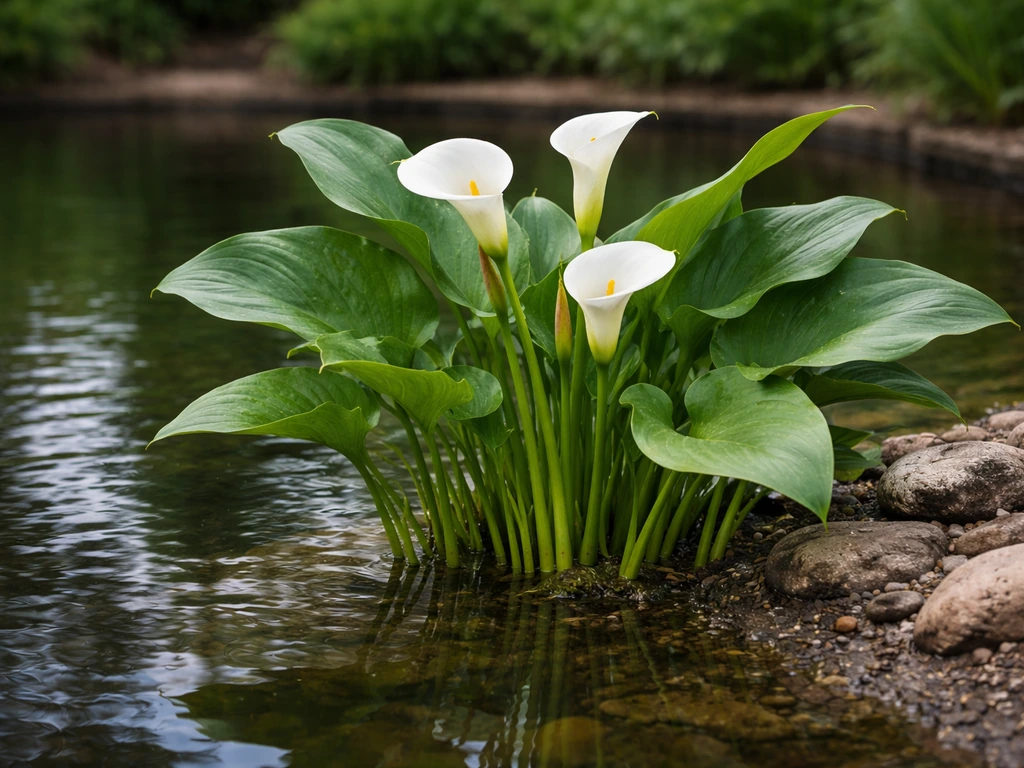
Can Calla Lilies Grow in Ponds? How to Set Up Successfully
Yes, with the right setup: water depth, substrate, anchoring, light, and overwinter care for pond or marginal calla lili
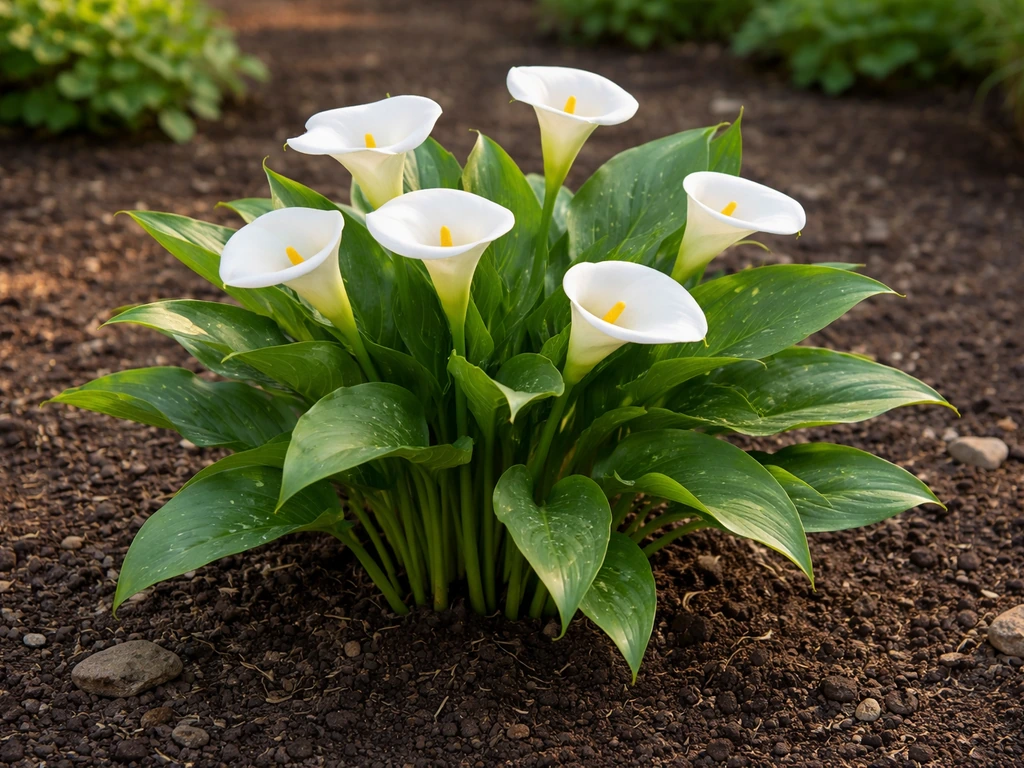
Are Calla Lilies Hard to Grow? Easy Guide for Success
Get a clear answer on are calla lilies hard to grow, plus exact light, temperature, watering, planting, and fixes.