If you searched this phrase because you heard it in a performance or spotted it on a recital program, jump to the last section of this article and I'll point you in the right direction.
If, on the other hand, you're a gardener who typed in the phrase because you want to know how to actually grow a white lily (which is the most common reason people land on a gardening site with this search), then keep reading because this whole guide is for you.
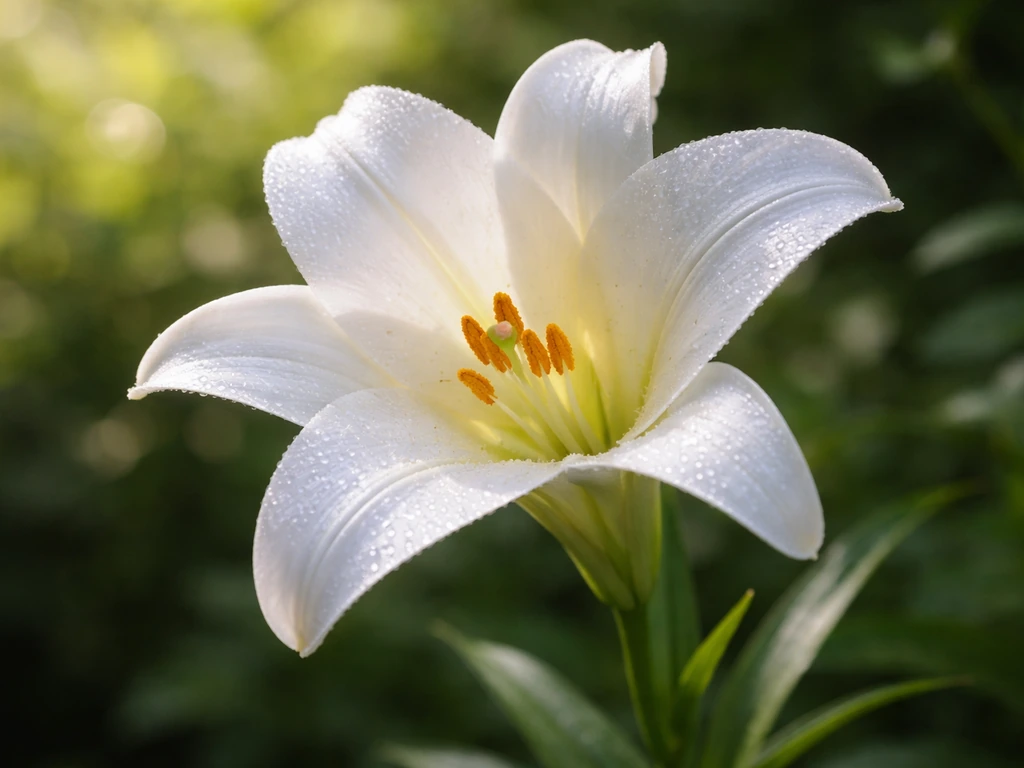
A quick look at the lyrics behind the poem makes the floral imagery obvious: Jonson is describing a living flower, and the lines about snow, swan's down, and lily-white do paint a pretty accurate picture of what a real white lily looks like when it blooms.
Which white lily are you actually dealing with?
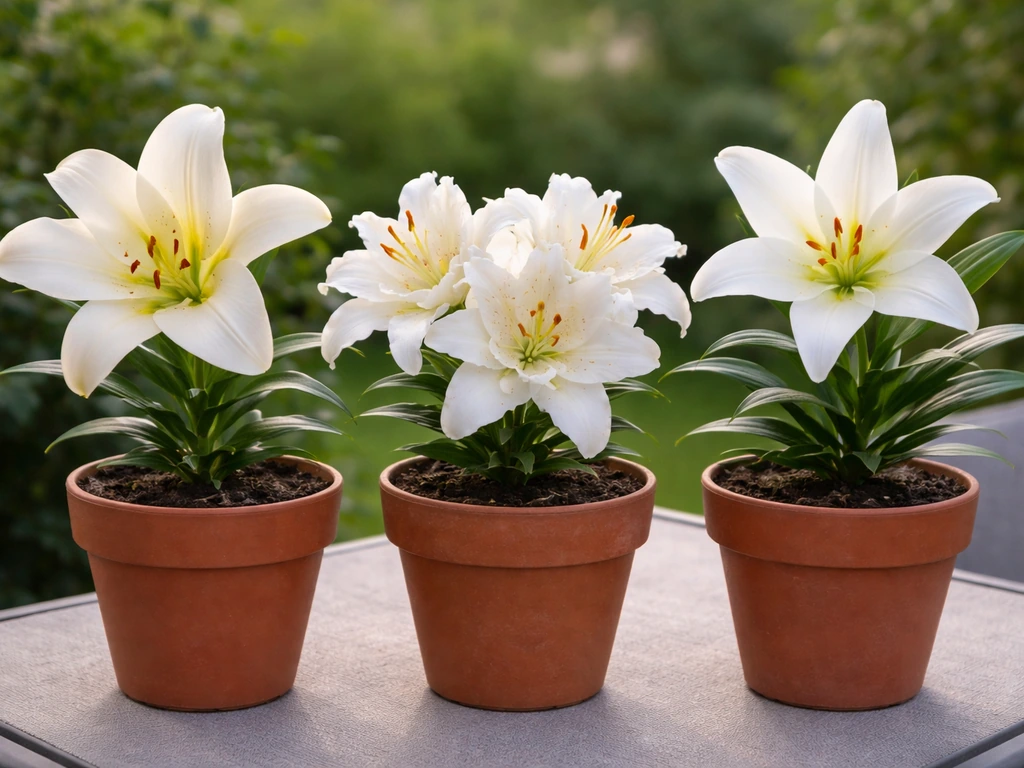
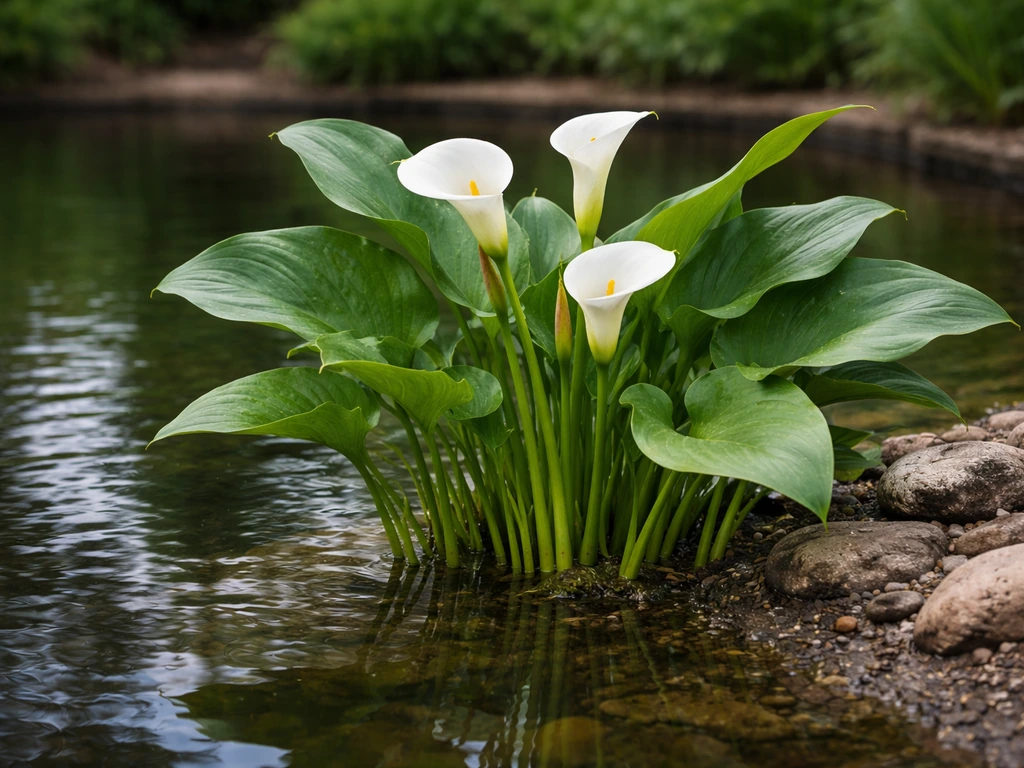
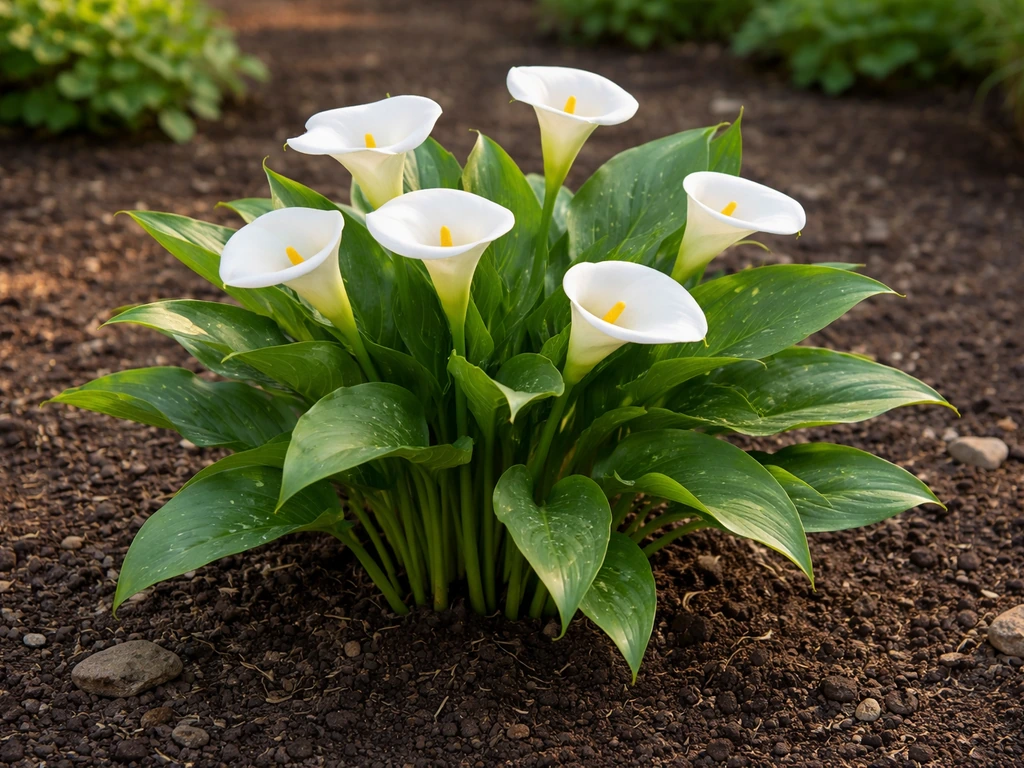
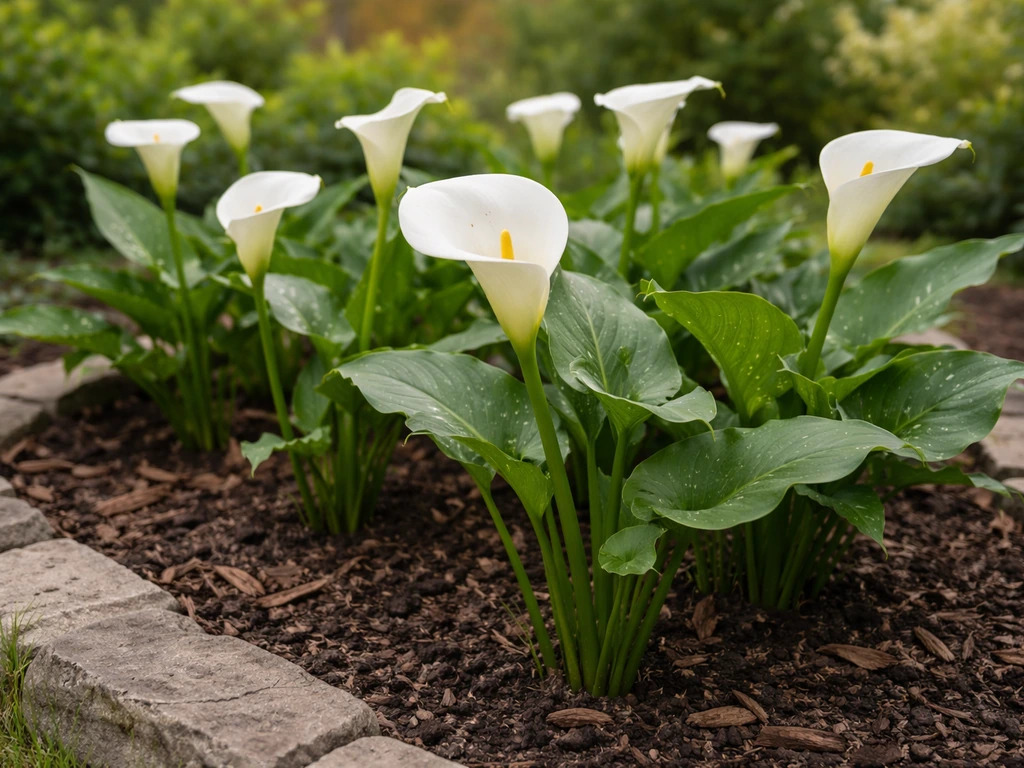
"White lily" is not a precise plant name. It is a description that gets applied to at least four very different species you might encounter at a garden center, in a centerpiece, or in a bulb catalog. Before you can grow it successfully, you need to identify what you have. The most likely candidates are the Easter lily (Lilium longiflorum), white Asiatic lily hybrids, white Oriental lily hybrids, and white trumpet lily hybrids. A lot of people also mistakenly lump in peace lilies and calla lilies under the "white lily" umbrella, but those are different plants entirely with very different growing needs.
Here is how to tell them apart quickly. Easter lilies have large, pure-white trumpet-shaped flowers that point outward or slightly downward, and they smell strongly sweet. Asiatic lily flowers tend to face upward, are typically unscented, and measure about 4 to 6 inches across. Oriental lilies (think Stargazer but in white) face outward or downward and have a heavy fragrance.
Trumpet lilies are tall, elegant, and the flowers are long and narrow before flaring open. If you bought bulbs online and are not sure what arrived, check the label, the seller's listing, or take a photo and reverse-image-search it. Reddit flower ID threads have pointed out repeatedly that many consumers misidentify lilies purely by common name, which leads to frustration when the plant does not behave the way they expected.
| Type | Flower Shape | Fragrance | Height | Bloom Time |
|---|
| Easter Lily (L. longiflorum) | Trumpet, outward-facing | Strong, sweet | 18–36 inches | Late spring to early summer |
| White Asiatic Hybrid | Cup-shaped, upward-facing | None or faint | 24–48 inches | Early summer |
| White Oriental Hybrid | Recurved petals, outward-facing | Very strong | 24–60 inches | Mid to late summer |
| White Trumpet Hybrid | Long trumpet, outward-facing | Moderate to strong | 36–60 inches | Midsummer |
My recommendation: if you received a potted white lily as a gift around Easter, it is almost certainly Lilium longiflorum. If you planted bulbs from a big-box store in spring, it is most likely a white Asiatic hybrid. Both grow well in most home gardens, and the care steps below cover both.
Light and location: where white lilies grow best
Outdoors
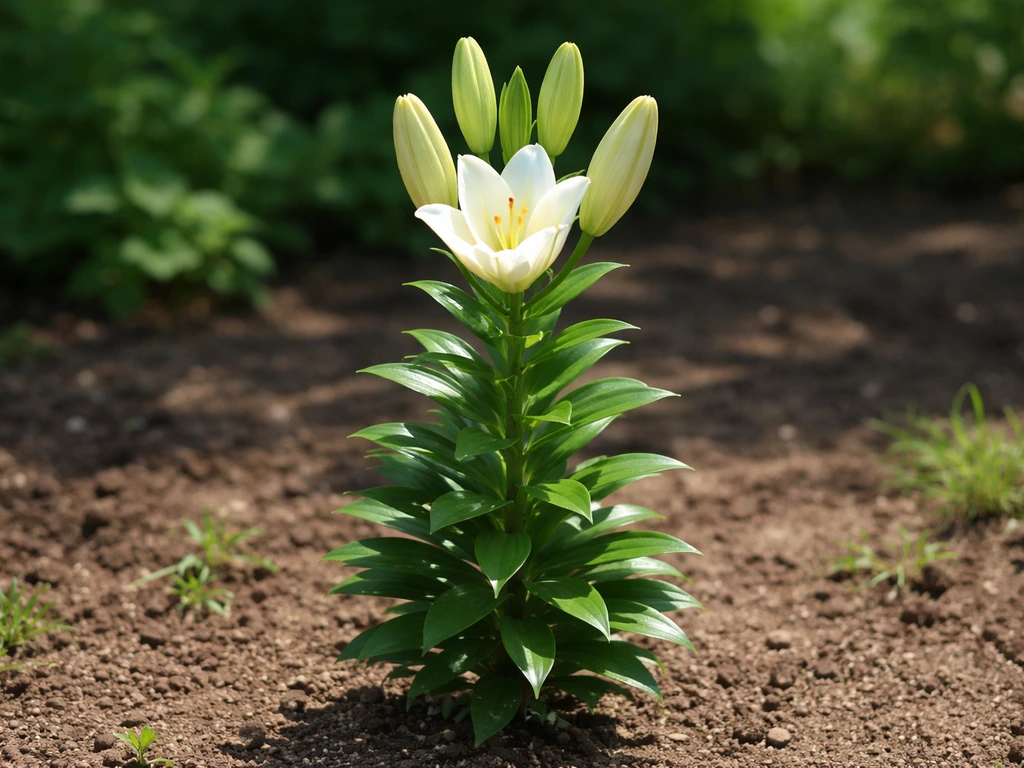
All the common white lily types want full sun outdoors. That means at least 6 hours of direct sunlight per day, and honestly 8 hours is better for Asiatic and trumpet types. Wisconsin Extension specifically calls out full sun for Easter lily outdoors, and that tracks with what I have seen in my own beds: plants I moved to a shadier corner produced thin stems and barely any blooms.
A spot with morning sun and a little afternoon shade is acceptable in very hot climates (USDA zones 8 and 9), but in zones 4 through 7 just go for maximum sun. Lilies also appreciate having their roots in cooler soil, so planting low-growing ground covers or annuals around the base is a legitimate trick, not just a design choice.
Indoors
A gifted Easter lily can live indoors for its bloom cycle if you give it a south- or west-facing window with bright indirect light and keep temperatures between 60 and 68 degrees Fahrenheit. Cooler rooms extend the bloom period noticeably. After it finishes blooming indoors, move it outside once the danger of frost has passed and treat it as a garden plant. White Asiatic and Oriental lilies are not well-suited as long-term houseplants; they really want to be in the ground or in a large outdoor container.
Soil, drainage, and planting specifics
Iowa State Extension is direct about this: lily bulbs rot in poorly drained or wet soils. This is the number one killer I see with beginner lily growers. Most lilies want well-drained, slightly acidic soil (pH around 6.0 to 6.5). If you have heavy clay, amend deeply with compost and coarse sand, or build a raised bed. For containers, use a potting mix formulated for bulbs or blend standard potting mix with 20 to 30 percent perlite.
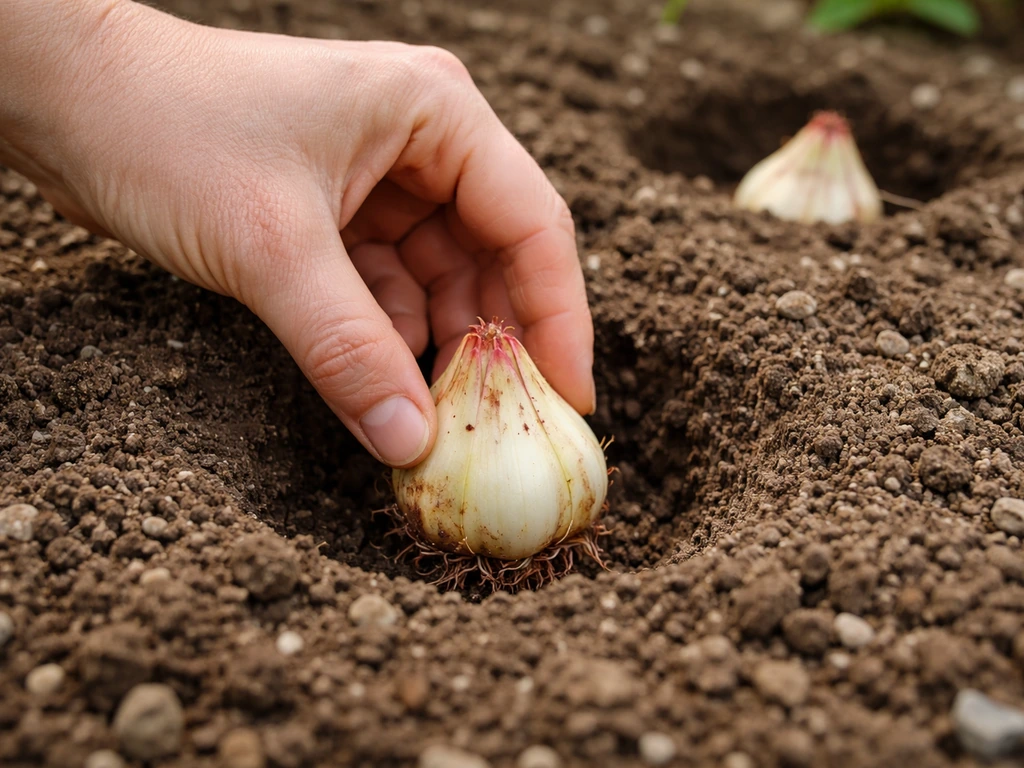
Planting depth varies by type. Illinois Extension recommends planting Asiatic lily bulbs 6 to 8 inches deep, and spacing plants at least 12 inches apart (some sources say up to 18 inches for larger Oriental and trumpet types). Easter lily bulbs go in 6 inches deep. A good rule of thumb is to plant the bulb two to three times its own diameter deep. If you're planting in a container, choose a pot at least 12 inches deep with drainage holes; I have killed more lilies in beautiful but drainhole-free decorative pots than I care to admit.
- Asiatic lilies: 6 to 8 inches deep, 12 to 18 inches apart
- Easter lily (Lilium longiflorum): 6 inches deep, 12 inches apart
- Oriental and trumpet types: 6 to 8 inches deep, 18 inches apart
- Container minimum: 12 inches deep pot with drainage holes
- Soil pH target: 6.0 to 6.5, well-drained
Watering and climate: keeping the roots happy without rotting them
Water consistently but never let the soil stay soggy. During active growth, water deeply once or twice a week depending on your soil type and rainfall. Illinois Extension also recommends that watering soak down to the bulb’s planting depth so the bud, bloom, or early foliage develops properly watering should soak down to the planting depth. In sandy soils you will water more often; in clay soils much less. The key is to check 2 to 3 inches down with your finger before watering again. If it still feels damp, wait.
One thing that trips up a lot of growers is overhead watering. Both Illinois IPM and UC IPM are clear that free moisture on foliage promotes fungal problems like Botrytis (gray mold), which is a real threat on lilies. Water at the base of the plant, ideally in the morning so any splash dries quickly. Drip irrigation or a soaker hose is the cleanest solution. Avoid overhead sprinklers entirely during bloom, and especially avoid evening watering that leaves moisture sitting on the leaves overnight.
On climate: Easter lily is hardy in zones 4 to 8 when planted outdoors after the bloom period. Asiatic lilies are the most cold-hardy of the group, often surviving in zones 3 to 9. Oriental lilies do best in zones 5 to 8. If you are in zone 3 or colder, mulch the bed heavily (4 to 6 inches) after the ground freezes to protect the bulbs. Understanding which season white lilies bloom in is really the first step to timing your planting and protection correctly for your specific zone.
Feeding and bloom care
Lilies are moderate feeders and respond well to a balanced fertilizer during their active growing season. Kansas State Extension recommends applying fertilizer once a month during active growth, keeping it at least 2 inches away from the stem to avoid burn. Iowa State Extension suggests fertilizing Easter lily once or twice a month with a dilute solution. I use a balanced 10-10-10 granular fertilizer in early spring when the shoots emerge, then switch to a low-nitrogen, phosphorus-heavy formula (like 5-10-10) once buds start forming to encourage bloom quality over leafy growth.
After the flowers fade, remove the spent blooms but leave the stem and foliage in place. This is important: the leaves are still photosynthesizing and sending energy back into the bulb for next year's bloom. Kansas State Extension specifically advises removing the flower stalk after the bloom period to prevent energy going toward seed production, but do not cut the whole stem back until it has yellowed naturally in late summer or fall. Cutting it too early is a common mistake that weakens next year's display.
When things go wrong: troubleshooting common problems
No blooms
The most common cause is not enough sun. Move the plant or plan to relocate the bulbs in fall. Second most common: you cut the foliage back too early last season, which starved the bulb. Third: bulbs planted too shallow. Check depth and replant if needed.
Yellowing leaves
Some yellowing at the bottom of the plant late in the season is normal. If you see yellowing in spring or early summer, suspect overwatering or a nitrogen deficiency. Check drainage first. If the soil drains well and yellowing persists, apply a balanced fertilizer and reassess in two weeks.
Botrytis (gray mold) and other fungal issues
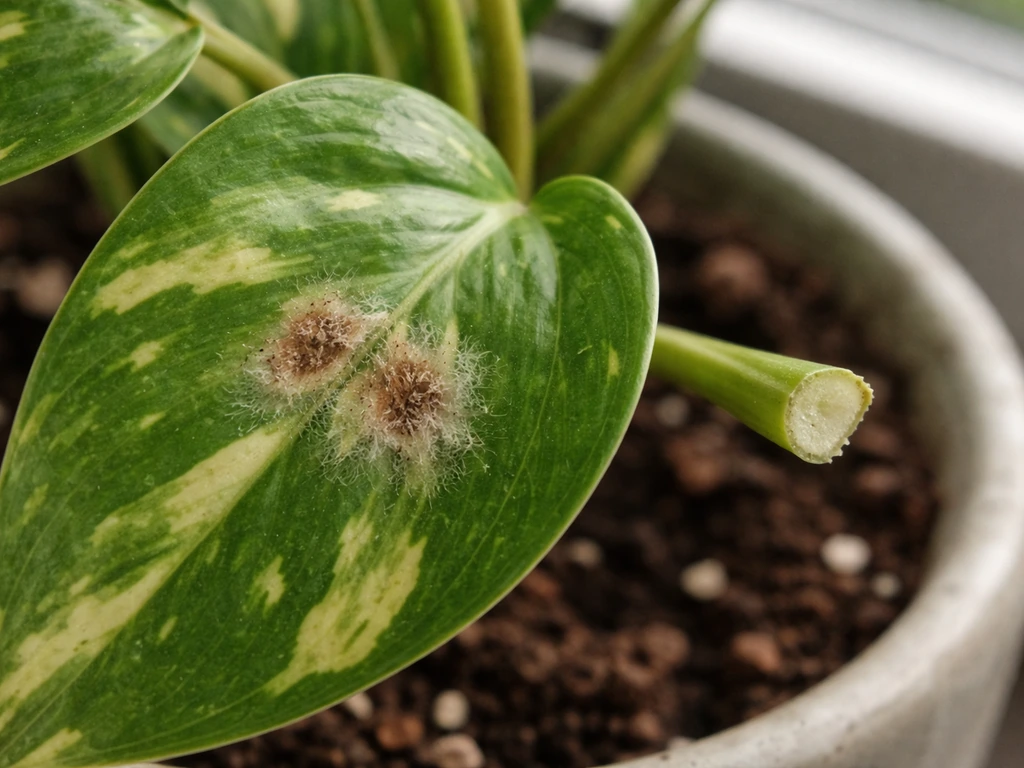
Gray mold appears as brownish water-soaked spots on leaves that develop a fuzzy gray coating in cool, wet weather. Remove affected tissue immediately and stop overhead watering. Illinois IPM guidance is to avoid splashing water on foliage, and UC IPM notes that free moisture on plant parts is what enables Botrytis spores to germinate.
UC IPM also notes that Botrytis (gray mold) risk increases when plants stay continuously wet for long periods, such as 6+ consecutive hours of wetness or very high relative humidity for 6+ hours free moisture on plant parts is what enables Botrytis spores to germinate.
Improve air circulation by thinning plants if they are crowded. In severe cases, a copper-based fungicide applied at the first sign of infection can stop the spread.
Pests
Red lily beetles are bright red beetles (not ladybugs) that devastate lilies and are spreading across the northeastern US and parts of the UK. Hand-pick adults and larvae daily and drop them in soapy water. Aphids cluster on buds and new growth; a strong spray of water knocks them off, or use insecticidal soap. Deer and rabbits love lily shoots; a wire cage or repellent spray applied early in the season is easier than dealing with a decapitated plant later.
Rot and weak stems
Basal rot (mushy bulb base, stem collapse) is almost always a drainage failure. Dig the bulb, cut away any rotted sections with a clean knife, dust with sulfur powder, and replant in better-draining soil or a container with good drainage. If the whole bulb is mush, discard it and amend the bed before planting again.
If you landed here because you are looking for the song rather than growing tips, here is the short version. The phrase "Have you seen but a white lily grow" comes from a Ben Jonson lyric that appeared in his play The Devil Is an Ass (first performed in 1616) and later in his collection The Underwood.
It was set to music in the early 17th century, with a soprano and lute setting attributed to Anonymous appearing in early music programs, and a separate setting attributed to composer Robert Johnson. Later composers also set the text, including Frederick Delius as part of his Four Old English Lyrics. The most accessible version you are likely to have heard in a choral context is probably the arrangement by Henry Leck.
The full score and text in PDF format is worth tracking down if you need the sheet music. For the most detailed text and source notes on Jonson's original lyric, the Cambridge Works of Ben Jonson edition is the authoritative reference.
If you are a vocalist or accompanist looking for performance notes, the piece is typically performed by soprano voice with lute or piano accompaniment, though choral arrangements for mixed voices also exist under names like the Leck arrangement. It has been recorded in multiple formats, including on albums such as the Reliquary of English Song series. And if the film side of things led you here, you might also want to check out the movie that shares this floral theme for a different kind of lily-related rabbit hole.
Back to the garden: whether you are growing a white Easter lily in a pot by your front door or a stand of white Asiatic hybrids in a sunny border, the fundamentals are the same. Give them full sun, well-drained soil, base watering only, monthly fertilizing during active growth, and leave the foliage alone until it dies back naturally. Do those five things consistently and you will have the kind of pure white blooms that Ben Jonson was writing about four centuries ago.