
If you searched 'where the lilies grow movie,' there's no widely known or mainstream film that carries that exact title. The phrase is far more established as a lyric from a folk song, specifically the old ballad 'Over Yonder Where the Lilies Grow' attributed to Geoffrey O'Hara, which has been recorded and re-recorded since the early 20th century. So if you're hunting for a specific film, you may need to dig a little deeper, but if what you're really after is growing lilies in a lush, cinematic setting, this guide will get you there either way.
Where the Lilies Grow Movie Locations and How Lilies Grow
Marcus Hendricks
26 Apr 2026
Movie or song? Let's clear this up first
The phrase 'where the lilies grow' is overwhelmingly associated with traditional music, not film. The song 'Over Yonder Where the Lilies Grow,' written by Geoffrey O'Hara, was recorded on Columbia A2670 and appears in historical discography archives. It also shows up in folk and Irish polka contexts on tune archives.
If you came across a reference to a movie by this name, it may be a short film, a regional or independent production, or possibly a misremembered title from something else. If you meant the poem side of this topic, you can also look for have you seen but a white lily grow pdf as an adjacent option to track the exact text.
To confirm: search the title in quotes on IMDb, then cross-reference on JustWatch to see if it's streaming anywhere. If it doesn't appear there, it likely isn't a major theatrical release.
It's also worth knowing that the sibling phrases 'have you seen but a white lily grow' and its lyrics are a separate, older poem (often attributed to Ben Jonson), and they circle the same poetic territory. These sometimes get tangled up in searches with lily-themed film titles or gardening content. These sometimes get tangled up in searches with lily-themed film titles or gardening content, but have you seen but a white lily grow lyrics can also be the lyric you meant to find. Once you've confirmed which 'where the lilies grow' you mean, the rest of this guide becomes much more useful.
How to track down the actual filming locations
If you do confirm that a specific film by this title exists, here's how I'd approach finding the filming locations. First, check IMDb's Filming Locations tab on the movie's page. Most productions list at least a country or region there. Second, search the film's title plus 'filming location' or 'where was it filmed' in Google. Fan sites and entertainment journalism often document this better than official sources. Third, look at the visual landscape in the film itself: large flat water features with floating lilies suggest warm, still-water regions like the American South or Southeast Asia. Meadow scenes with tall lilies in muted greens typically point to temperate zones in the Pacific Northwest, British Columbia, or the English countryside.
If the film leans into a dreamy, pastoral aesthetic with white lilies reflected in water, the locations are probably somewhere with mild summers, high humidity, and clay-rich soil near natural water bodies. Those conditions narrow it down to places like Louisiana, Georgia, southern England, or New Zealand's South Island, all of which are popular filming destinations for that kind of imagery.
What those landscapes tell you about lily-growing conditions
This is where things get genuinely useful for gardeners. The visual 'lilies in a landscape' look you see in films corresponds to very specific growing conditions. Lilies aren't one plant; they're a family with wildly different needs. A scene with white flowers floating on dark water uses water lilies (Nymphaea), which need still or slow-moving water at least 18 to 24 inches deep and full sun, roughly 6 or more hours per day. A scene with tall, elegant white blooms on dry land near a porch or fence is more likely calla lilies (Zantedeschia) or true lilies (Lilium). And if the setting is indoors or a shaded garden corner, it's almost certainly a peace lily (Spathiphyllum).
| Lily Type | Best USDA Zones | Sun Needed | Water Needs | Soil Type |
|---|---|---|---|---|
| Peace Lily (Spathiphyllum) | Zones 11–12 outdoors; anywhere indoors | Low to medium indirect light | Consistent moisture, no soggy roots | Rich, well-draining potting mix |
| Water Lily (Nymphaea) | Zones 4–11 depending on variety | 6+ hours full sun | Still or slow-moving water, 18–24 inches deep | Heavy clay or aquatic potting soil in submerged containers |
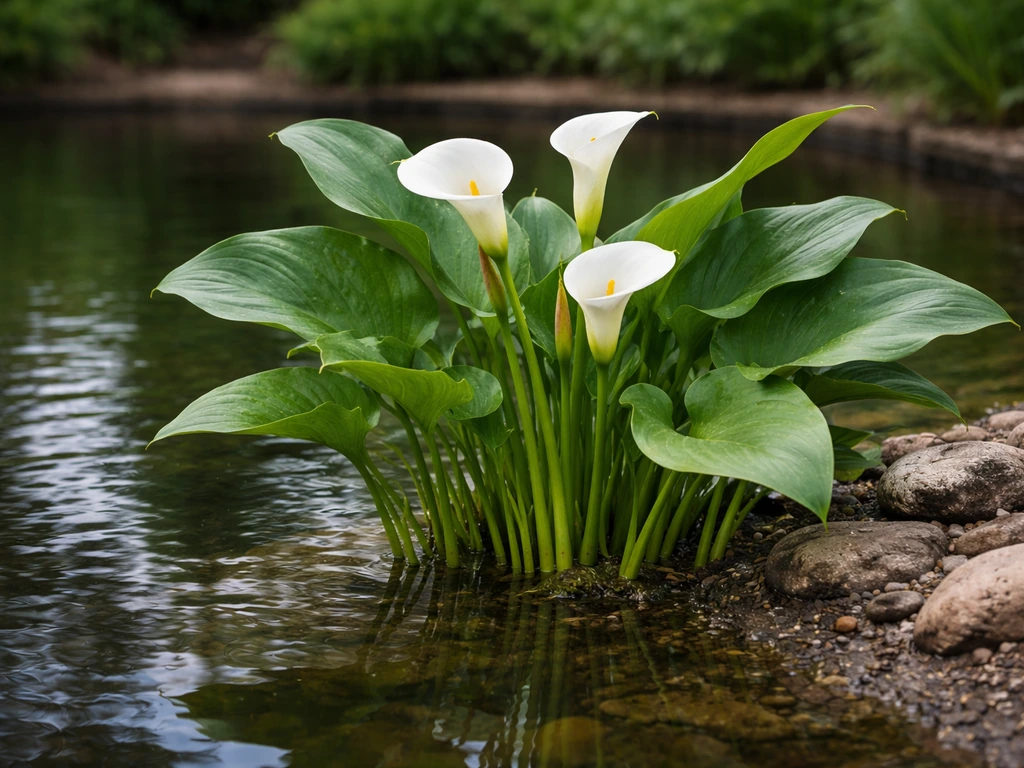
| Calla Lily (Zantedeschia) | Zones 8–10 outdoors; container anywhere | Full sun to partial shade | Moderate, well-drained | Rich, loose, slightly acidic soil |
| Asiatic/True Lily (Lilium) | Zones 3–9 | 6+ hours full sun | Regular watering, never waterlogged | Well-draining, slightly acidic loamy soil |
| Daylily (Hemerocallis) | Zones 3–9 | 6+ hours full sun | Drought-tolerant once established | Adapts to most soils; prefers loam |
Growing each lily type the right way
Peace lilies
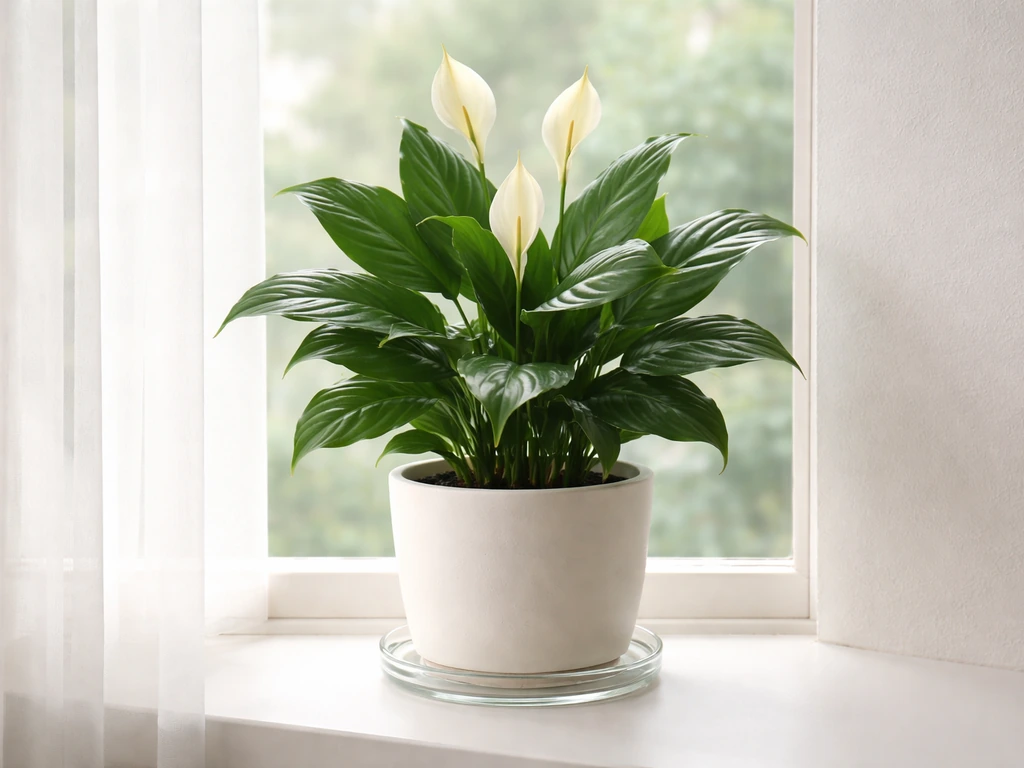
I killed three batches of peace lilies before I understood their humidity needs. They're tropical plants from Central and South America, and they want warm, humid air, indirect light (think bright-but-filtered, like near a north or east window), and consistent moisture without ever sitting in standing water.
Home Depot's Peace Lily care sheet also notes that peace lilies tolerate very low light, but they may yellow when the light is too dim, so adjust light accordingly tolerate very low light, but may yellow.
Pot them in a rich, peat-based mix. Water when the top inch of soil is dry. If the tips turn brown, your air is too dry or you're using tap water with too much fluoride. Switch to filtered water and move the pot away from heating vents.
Water lilies
Water lilies are pond plants. Hardy varieties (Nymphaea odorata and similar) survive in zones 4 through 11 and will overwinter in a pond as long as the rhizomes stay below the freeze line. Tropical varieties need to be brought inside or treated as annuals north of zone 9. Plant them in heavy clay or aquatic soil in a wide, shallow container, then submerge the container so the crown sits 6 to 18 inches below the water surface. They need at least 6 hours of full sun to bloom properly. Shade is the single biggest reason water lilies fail to flower.
Calla lilies
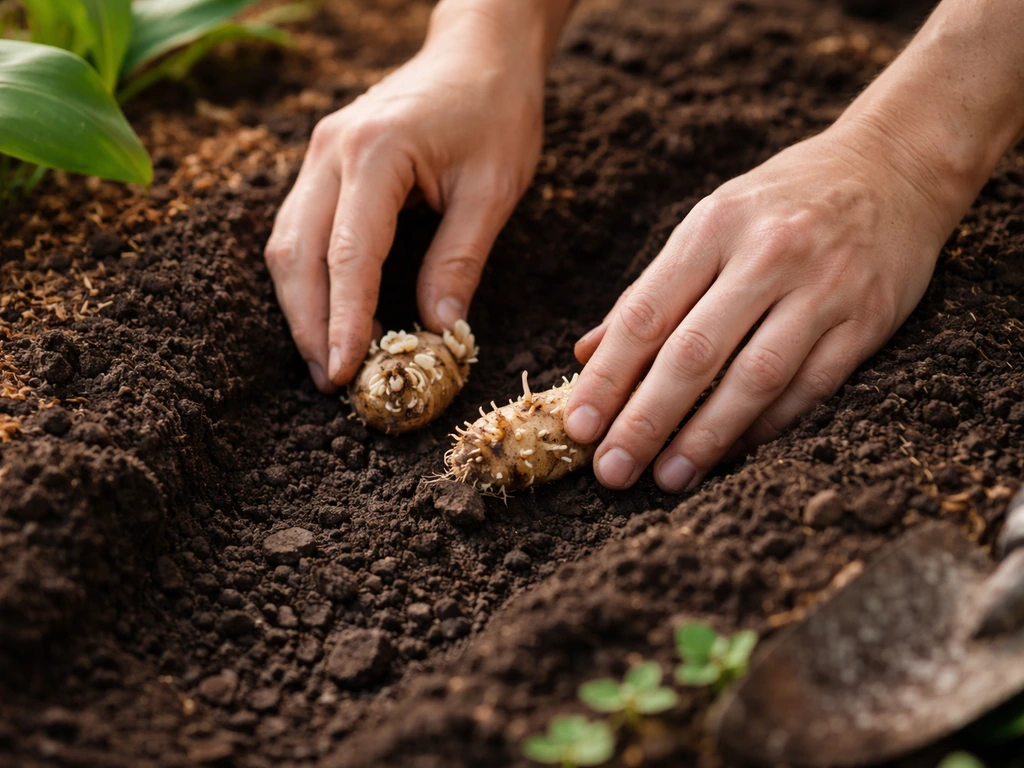
Unlike daylilies, calla lilies need a dormant period to rebloom. Plant rhizomes about 4 inches deep in spring after your last frost, in a spot with morning sun and afternoon shade in hot climates. They prefer rich, slightly acidic soil with good drainage but appreciate consistent watering through the growing season. In zones 8 to 10 you can leave them in the ground year-round. In zones 7 and below, dig them after the first frost, let them dry, and store them in a cool, dry place until spring.
True lilies (Asiatic, Oriental, and species lilies)
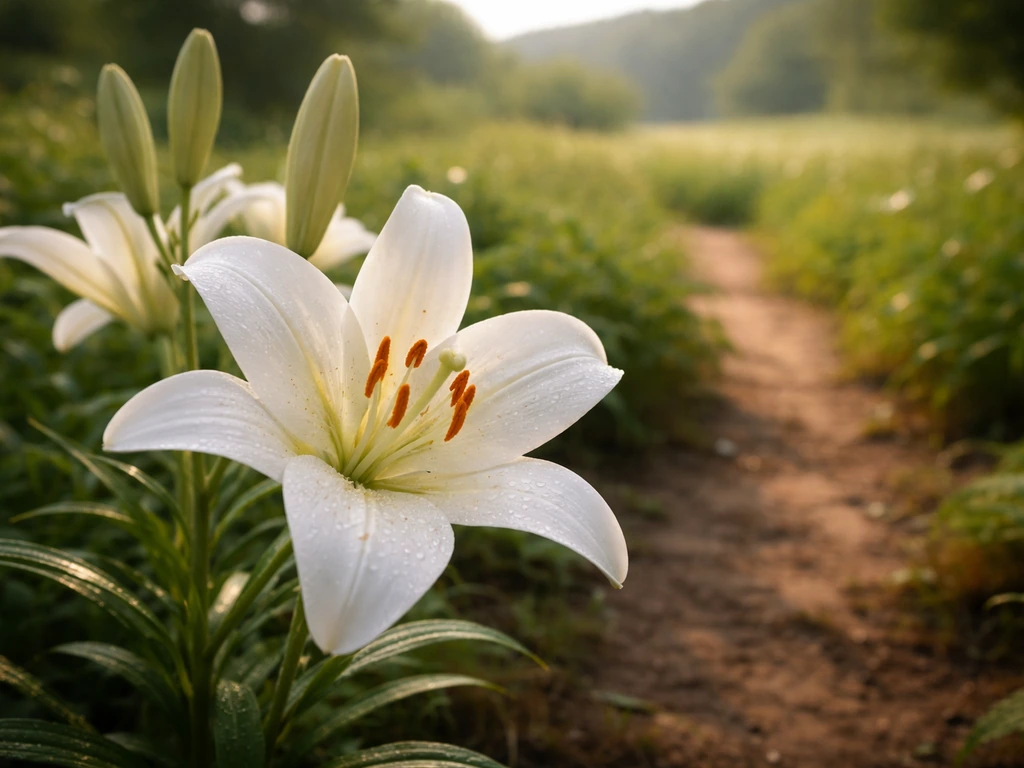
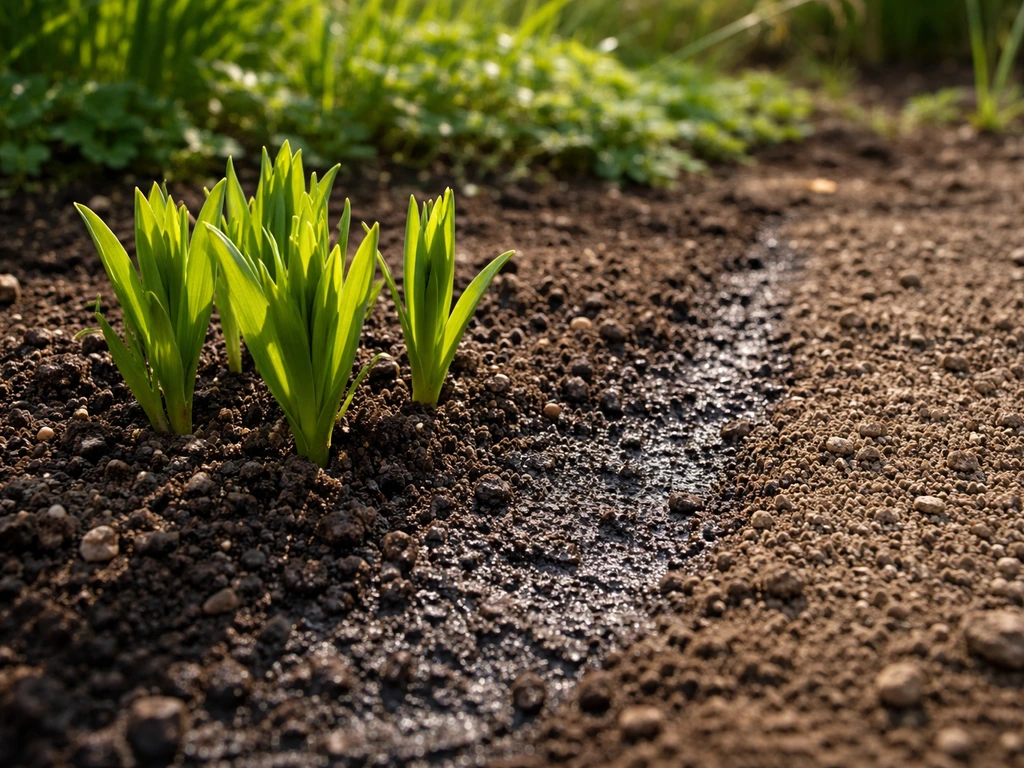
True lilies grow from bulbs and are among the most rewarding plants for a summer garden. Plant bulbs in fall or early spring, pointed end up, about 6 to 8 inches deep in well-draining soil. If you want the best timing, most true lily bulbs are planted in fall or early spring so they can set buds and bloom in the summer in which season lily flower grow.
They want full sun (at least 6 hours) and their roots to stay cool, which is why it helps to mulch around the base or plant low groundcovers nearby. Asiatic lilies bloom earliest and are the most cold-hardy (zones 3 to 9). Oriental lilies bloom later in summer, have a stronger fragrance, and prefer slightly more acidic soil. Both need excellent drainage; waterlogged soil kills bulbs over winter faster than cold does.
How to recreate the movie look at home
That lush, cinematic lily scene is absolutely achievable in a home garden, even on a small scale. The key is layering the right elements. For a water-garden vignette, you don't need a large pond. A half-barrel or a 24-inch glazed ceramic pot works perfectly for one water lily plant and a couple of aquatic companion plants like pickerel weed or dwarf papyrus. Place it where it gets full sun, fill it with aquatic soil, pot the water lily rhizome in a fabric aquatic basket, and submerge it so the crown is about 6 inches below the water surface.
For a meadow or cottage garden scene with tall true lilies, plant Asiatic or Oriental lily bulbs in groups of at least five, spaced 8 to 12 inches apart. Mass planting is what gives that dramatic, full look. Add a backdrop of ornamental grasses or tall ferns to frame them. If you want the dreamy, dappled-shade look more common in film scenes, place calla lilies or peace lilies (in containers) in the mid-ground with taller plants casting partial shade behind them.
Lighting matters enormously for the look, both for the plants and for the visual effect. If you're growing indoors, position peace lilies near a bright window with sheer curtains and add a full-spectrum LED grow light on a timer set for 10 to 12 hours per day if your natural light is weak. Outdoors, morning sun with some afternoon shade creates that soft, glowing quality you see in film scenes, especially in late spring and early summer.
Indoor vs outdoor care depending on your zone and light
Where you live determines which lilies you can grow outside year-round and which ones need to come in. Here's a practical breakdown:
- Zones 3 to 5: Grow Asiatic lilies and hardy water lilies outdoors. Treat calla lilies and tropical water lilies as annuals or dig and store. Peace lilies are strictly indoors.
- Zones 6 to 7: Asiatic and Oriental lilies overwinter in the ground. Calla lilies need digging after first frost unless mulched heavily. Peace lilies stay indoors year-round.
- Zones 8 to 10: Calla lilies and tropical water lilies can stay in the ground. Peace lilies can go outside in sheltered, shaded spots but still prefer indoor life. Most true lily bulbs can stay in the ground with minimal mulch.
- Zones 11 to 12: Peace lilies can grow as outdoor perennials in sheltered shade. Most temperate lily types struggle with the heat and may need extra attention to drainage and irrigation.
For indoor growers in any zone, the main variable is light. Peace lilies tolerate low light better than almost any other flowering plant, but 'tolerate' isn't the same as 'thrive.' For consistent blooms indoors, aim for bright indirect light or supplement with a full-spectrum grow light for 10 hours per day. Calla lilies and Asiatic lilies can be grown in containers indoors but they genuinely need more light than most rooms provide, so a south-facing window or a supplemental grow light is non-negotiable.
When your lilies just won't grow: common problems and fixes
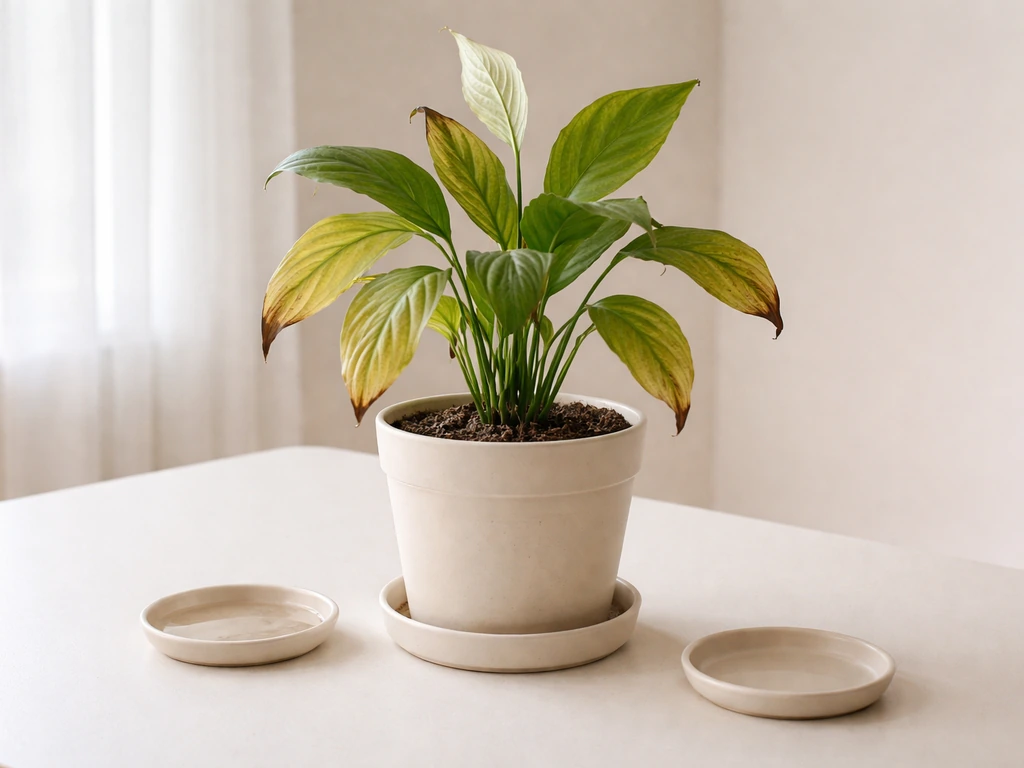
Yellowing leaves
Yellow leaves on a peace lily almost always mean overwatering or roots sitting in soggy soil. Check drainage holes first. If the pot is sitting in a saucer of water, dump it. For true lilies and calla lilies outdoors, yellowing can also signal bulb rot from poorly draining soil. If you suspect rot, dig carefully and check: healthy bulbs are firm, rotted ones are soft and smell bad. If you catch it early, you can cut away the rotted section, dust with sulfur powder, and replant in a better spot.
No blooms
This is the most common complaint I hear. For peace lilies, lack of blooms almost always comes down to not enough light. Move the plant closer to a window or add a grow light. For water lilies, it's almost always shade, either from nearby trees or from the plants themselves if they're overcrowded. Thin the pads and make sure the container is in a spot with unobstructed sun. For true lilies and daylilies, lack of blooms is often caused by planting in too much shade or by nitrogen-heavy fertilizer, which grows lush leaves at the expense of flowers. Switch to a bloom-focused fertilizer (higher middle number in the N-P-K ratio) in spring.
Winter survival failures
True lily bulbs rot over winter most often because of waterlogged soil, not cold temperatures. If you lost bulbs last winter, amend the soil with grit or coarse sand before replanting to improve drainage. For calla lilies in zone 7 or colder, dig the rhizomes after the first frost, let them air-dry for a few days, and store them in barely damp peat moss in a cool (45 to 55 degrees Fahrenheit), dark space until spring. For water lilies in a small container pond, move the whole container to the deepest part of the pond before freeze-up, or bring it into an unheated garage where it won't freeze solid.
Drooping or wilting despite regular watering
Paradoxically, this often means the roots are too wet, not too dry. Root rot cuts off water uptake even when the soil is moist. Check the roots (black, mushy roots = rot), repot into fresh soil if needed, and water less frequently going forward. For outdoor lilies wilting in summer heat, the culprit is more often soil that drains too fast and dries out between waterings. A 2 to 3 inch layer of organic mulch around the base keeps soil moisture stable without causing waterlogging.
Your next steps, starting today
- Confirm whether 'where the lilies grow' refers to a real film by searching the exact title on IMDb. If it doesn't appear, you're likely thinking of the folk song, and you can shift your focus entirely to the growing side of things.
- Decide which lily type fits your actual conditions: peace lily for low-light indoors, water lily for a sunny pond or large container, calla lily for a warm outdoor bed or container, and true lilies for a sunny garden border in zones 3 to 9.
- Check your USDA hardiness zone (search 'USDA zone finder' and enter your zip code) to know which varieties you can overwinter outdoors.
- Test your soil drainage before planting: dig a 12-inch hole, fill it with water, and time how long it takes to drain. If it takes more than 4 hours, amend with grit or raised bed mix.
- For the 'movie look,' plan a grouping of at least 5 to 7 lily plants together rather than single specimens, and add a simple water feature like a glazed container pond to anchor the scene.
- If you're growing indoors, measure your light: hold a white piece of paper near the spot where you want to place the plant. Bright indirect light casts a soft shadow. If there's no shadow at all, add a grow light set for 10 to 12 hours daily.
FAQ
If I want the exact “where the lilies grow” look for my garden, which lily type should I pick?
Yes, but it helps to distinguish “true lilies” (genus Lilium) from “lily lookalikes” like water lilies, calla lilies, and peace lilies. If your goal is the film-like image of white blooms on reflective water, you likely want a water lily (Nymphaea), not a bulb lily, because they need still or slow water and substantial depth under the surface.
Why did my water lilies stop blooming, even though they get sun?
It often comes down to crown depth and winter positioning. For container water lilies, keep the crown about 6 inches below the water surface (not shallower), and in cold weather either sink the container deeper than the freeze line or overwinter it in a space that stays just above freezing so the rhizome does not freeze.
What are the most common reasons water lilies keep growing leaves but won’t flower?
Look for the easiest diagnostic: water lilies need full sun and open water, not shade cast by other plants or nearby trees. If the container or pond is partially shaded for more than a couple hours, you may still see leaves but fewer flowers. Also thin pads if overcrowded, because thicker foliage reduces light reaching the surface.
Can I plant lilies “now” and still get blooms this year?
Yes, and it depends on what “season” you mean. Bulb-based true lilies are typically planted in fall or early spring to bloom in summer, but calla lilies are different, they require warmth and a dormancy cycle. If you plant calla rhizomes too early in cool soil, growth may be weak or delayed.
Why does my peace lily look healthy but never blooms?
Peace lilies can produce flowers indoors, but they only “feel” low-maintenance if light is adequate. Place them in bright indirect light and expect fewer blooms in winter. Also, consistent moisture matters, if the soil repeatedly dries out or stays soggy, you get stressed growth and fewer spathes.
How do I stop true lily bulbs from rotting in winter?
The fastest way to prevent bulb rot is drainage plus watering discipline. Use well-draining soil with added grit or coarse sand, avoid watering on a fixed schedule, and stop irrigation once the ground stays damp for long stretches. Overly wet soil in winter is a bigger driver of rot than cold temperatures.
Do calla lilies need special winter storage, and when should I dig them?
Yes, but don’t treat it as one-size-fits-all. Calla lilies respond best to morning sun and afternoon protection, and in zones colder than about 8 they usually do better when you dig and store them dry-ish (not soaking) after the first frost.
What lighting strategy creates that “dreamy” lily look and also improves blooming?
Yes. If you’re trying to match film-style soft, bright scenes, afternoon shade is often the winning move outdoors, and sheer curtains can mimic dappled light indoors. For indoors, a full-spectrum LED on a timer (10 to 12 hours) can be the difference between leaf-only growth and actual flowers.
Are daylilies and true lilies interchangeable for the same care plan?
That’s a common confusion. Daylilies are not true lilies, and true lilies and daylilies have different cultural needs. Your best next step is to confirm the plant label or bulb tag before choosing fertilizer, because the “more nitrogen makes more leaves” problem applies to some lilies differently depending on species.
My lily leaves are turning yellow, how do I tell overwatering from fertilizer or disease?
If the yellowing is on a peace lily, check for soggy soil or water left in a saucer, and adjust watering to when the top inch dries. If you see yellowing on outdoor bulbs, suspect drainage problems first (bulb rot), then inspect for softness and odor before replanting in amended soil.
Next Articles
Have You Seen But a White Lily Grow Lyrics Meaning and How to Grow
Understand the lyrics meaning of a white lily grow and get step by step tips to grow white lilies successfully.
Have You Seen But a White Lily Grow: Care Guide
Find the right white lily variety and grow it well with light, soil, planting, watering, troubleshooting, and care tips
Can Calla Lilies Grow in Ponds? How to Set Up Successfully
Yes, with the right setup: water depth, substrate, anchoring, light, and overwinter care for pond or marginal calla lili