
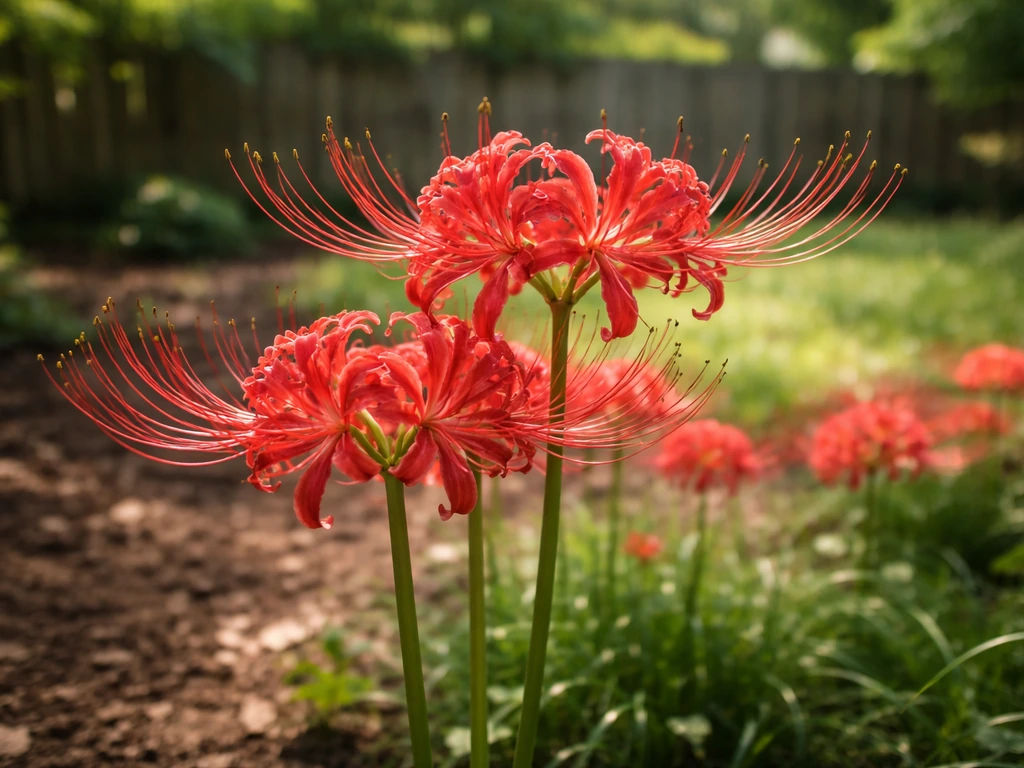
Red spider lilies (Lycoris radiata) grow best across the Southeast and Mid-Atlantic United States, roughly from Florida up through North Carolina, west through Texas, and into parts of the lower Midwest. They've naturalized in states like Georgia, South Carolina, Louisiana, Mississippi, Tennessee, and Kentucky, where you'll spot them blazing coral-red along roadsides and woodland edges in late summer. If you're in USDA Zones 6b through 9a, you've got a solid shot at growing them outdoors, and with a good microclimate, you can push that zone boundary a bit further north. If you are wondering does douma grow blue spider lily in his garden manga, note that nearby zones and plant choice can matter just like they do for Lycoris radiata in USDA Zones 6b through 9a If you're in USDA Zones 6b through 9a.
Where Do Red Spider Lilies Grow in the US? Regions, Zones
What 'red spider lily' and 'spider lily' actually mean at the nursery
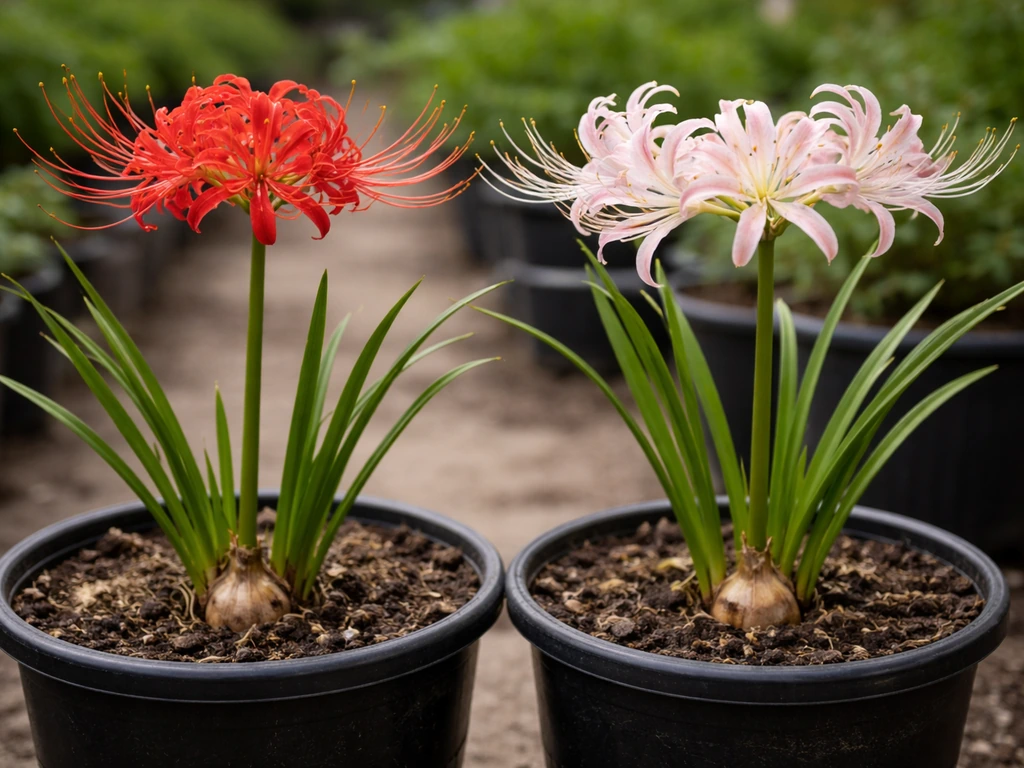
This is where things get confusing fast, so let's sort it out. 'Red spider lily' almost always refers to Lycoris radiata, a bulb originally from China and Japan that has naturalized across the American South. The 'spider' part comes from the long, arching stamens that fan out like spider legs from each bloom. That's your target species.
But flip through any nursery catalog and you'll see 'spider lily' slapped on a handful of different plants. Lycoris squamigera gets sold as 'hurricane lily,' 'magic lily,' or even 'naked lady,' and UF/IFAS Extension lists it as hardy in zones 5b through 9a. There's also Hymenocallis, a completely different genus that UF/IFAS explicitly warns against confusing with Lycoris radiata. They share a common name but grow nothing alike.
When you're buying, double-check the Latin name on the tag. If it doesn't say Lycoris radiata, you might be getting something else entirely. That said, Lycoris squamigera is also worth knowing because it tolerates colder winters and has similar growing needs, so it sometimes comes up as a better fit for gardeners in zones 5 and 6.
Where red spider lilies grow across the US
Lycoris radiata is introduced, not native, to the US. EDDMapS’ distribution page for Lycoris radiata labels the species as “blank" rel="noopener noreferrer">Introduced in the United States” and includes county-level occurrence records. It came over from Asia and has been naturalizing for well over a century. EDDMapS tracks its spread and distribution state by state, and occurrence records from iNaturalist and GBIF confirm where it's actually showing up in the wild and in gardens. GBIF’s species page (blank" rel="noopener noreferrer">Backbone Taxonomy identifier 7920353) can be used to verify the taxon and support that occurrence and distribution data for Lycoris radiata relate to this specific species. Here's a practical regional breakdown.
| Region | States with Documented Presence | Outdoor Viability |
|---|---|---|
| Deep South | Florida, Georgia, Alabama, Mississippi, Louisiana | Excellent — naturalizes freely |
| Mid-Atlantic South | North Carolina, South Carolina, Virginia | Excellent — thrives along roadsides and woodland edges |
| Upper South / Border States | Tennessee, Kentucky, Arkansas | Good — naturalized populations confirmed |
| South-Central | Texas, Oklahoma | Good in most areas, hot summers help |
| Lower Midwest | Missouri, Kansas (southern) | Possible — Missouri Botanical Garden grows it successfully at Zone 6b |
| Pacific Coast | California (coastal and Central Valley areas) | Variable — see California-specific guidance |
| Northeast / Upper Midwest | Limited outdoor success | Challenging — container growing or Lycoris squamigera recommended |
| Pacific Northwest | Minimal records | Generally not suitable outdoors without protection |
The Tennessee-Kentucky Plant Atlas lists Lycoris radiata as non-native and tracks its occurrence data by county, which is a useful tool if you want to check whether there are recorded populations near you. The Southeast is clearly the sweet spot, but the naturalized range keeps creeping northward as gardeners plant and share bulbs.
Climate and hardiness: what zones actually work
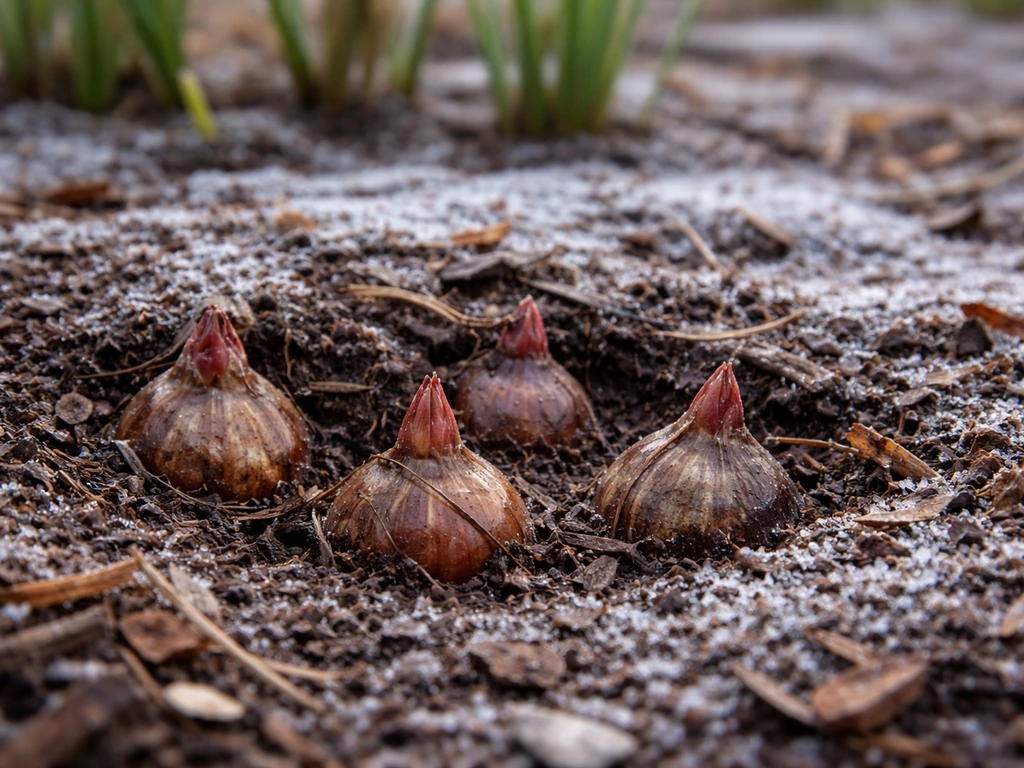
UF/IFAS Extension lists Lycoris radiata as hardy in USDA zones 5b through 9a, and that's a useful working range. But I'd be honest with you: it really performs best in zones 7 through 9. Zone 6 is the gray zone where success depends heavily on your microclimate. Missouri Botanical Garden grows it outdoors at their Zone 6b site, which proves it can be done, but they're careful about placement. Below zone 6a, you're pushing it hard outdoors.
Temperature-wise, the bulbs need a real winter chill to reset their bloom cycle, but they can't handle prolonged hard freezes in the ground. They also need summer heat to flower well. This is why the Southeast is so perfect: hot, humid summers plus relatively mild winters. If you're somewhere with brutally cold winters or cool, foggy summers (parts of the Pacific Northwest, for example), the bloom trigger just doesn't fire consistently.
The seasonal pattern is genuinely unusual compared to most garden bulbs. Flowers shoot up on bare, leafless stalks in late summer or early fall, typically early September through mid-October depending on your latitude and local heat. Fine Gardening notes that blooms fade faster in very hot weather, so cooler fall temps extend the show. After flowering, the strap-like foliage emerges and grows through autumn, winter, and into spring. Then the leaves die back in late spring or early summer, and the bulbs sit dormant and dry through the hottest part of summer before the cycle repeats. That asynchronous timing catches a lot of new gardeners off guard.
Habitats and growing conditions: soil, light, and moisture
In the wild, naturalized red spider lilies turn up in some predictable spots: woodland edges where they get dappled light or morning sun, roadsides and disturbed ground, old homestead gardens, and near streams or low spots with decent moisture. They're not deep-forest plants, but they're not full-blazing-sun plants either, at least not in the hottest climates.
- Light: Full sun to part sun works well. In zones 8 and 9, afternoon shade helps. In zone 6 or 7, more sun encourages better blooming.
- Soil: Surprisingly flexible. UF/IFAS lists tolerance from acidic to alkaline, and they handle clay, sand, silt, and loam. Good drainage is the non-negotiable part.
- Moisture: High drought tolerance once established, but they do benefit from some summer moisture to trigger good blooming (even though they're dormant). Don't let them sit waterlogged.
- Drainage: This is critical. Bulbs rot if water pools around them, especially during summer dormancy.
- Depth: Plant bulbs with the neck just at or slightly above the soil surface. Deep planting reduces flowering.
- Crowding: They actually bloom better when slightly crowded. Don't divide them too often.
One thing worth flagging for households with pets or small children: Lycoris radiata contains lycorine, a toxic alkaloid. NC State Extension notes this in their plant profile. It's not a reason to avoid planting them, but it's worth knowing before you site them in a spot where kids or dogs are constantly digging around.
When and how to spot them locally (and find bulbs)
If you want to see them in the wild or in a neighbor's garden before you buy, late August through mid-October is your window. Missouri Extension notes that scapes usually emerge in early August, so by the first week of September, any established planting in zones 7 through 9 should be in full display. The flowers appear with zero foliage, which makes them hard to miss: a bright coral-red cluster on a naked 18-inch stem, often in a spot that looked completely bare a week earlier. That sudden appearance is why they're sometimes called surprise lilies.
For sourcing bulbs, here are the most reliable approaches. Local independent nurseries in the Southeast will often stock them in late summer, sometimes as actively growing potted plants in bloom. Mail-order bulb suppliers ship in late summer as well, since that's planting season. You can also check iNaturalist observations in your county to see if anyone has documented them nearby, which sometimes leads to gardener networks willing to share offsets. Since Lycoris radiata is a sterile triploid that reproduces by bulb division rather than seed, all propagation happens through offsets, and gardeners with established clumps often have extras to share.
When buying from a nursery, confirm you're getting Lycoris radiata and not Hymenocallis or one of the other Lycoris species sold under similar names. If you are instead searching specifically for whether does douma grow blue spider lily reddit suggests the plant can be grown, double-check the species and Latin name again before you buy Lycoris radiata. If the tag says 'spider lily' with no Latin name, ask. The Pacific Bulb Society recommends separating and replanting bulbs after the foliage dies back in late spring, which is the best time to divide or transplant.
Living outside the ideal range: what to do
If you're in zone 5 or colder, or in a climate with cool summers that won't trigger blooms, you've got a few workable options. You don't have to give up on Lycoris entirely.
Try Lycoris squamigera instead
If you're in the upper Midwest or Northeast and love the Lycoris look, Lycoris squamigera (hurricane lily or magic lily) is the better bet. It handles zones 5b through 9a and tolerates harder winters than L. radiata. The flowers are pink-lavender rather than red, and it blooms in midsummer rather than fall, but it naturalizes more reliably in colder climates. UF/IFAS lists its invasive potential as 'not known to be invasive,' just like L. radiata, so you can plant it responsibly.
Container growing for zone 5 and 6 gardeners
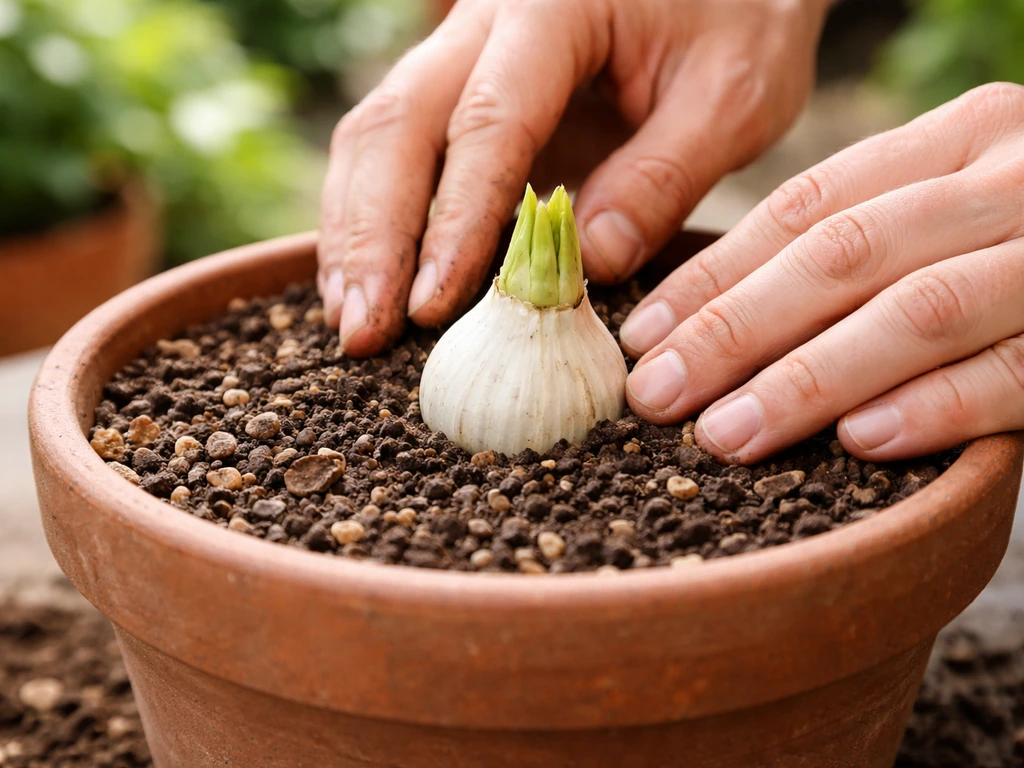
Growing Lycoris radiata in containers is genuinely doable if you understand the seasonal rhythm. Use a well-draining mix, plant with the neck at the surface, and give them full sun during the growing season. The critical trick, as the Pacific Bulb Society explains, is respecting their seasonal staging: cool conditions through fall, winter, and spring while the foliage is active, then warm and relatively dry conditions once the leaves die back in late spring. Don't overwater during summer dormancy. Bring containers into a garage or cool basement over winter if you're in zone 5 or colder. They'll bloom on the same late-summer schedule as outdoor plants, but you control the environment.
Work the microclimate angle
If you're right on the edge in zone 6a or 6b, look for the warmest, most protected spot in your yard: a south-facing wall that absorbs heat, a raised bed with excellent drainage, or a sheltered corner that avoids harsh wind. Missouri Botanical Garden's success at zone 6b shows this approach works. Mulch the bulbs lightly after planting to buffer against hard freezes, but don't pile it so deep that it traps moisture.
For gardeners in California, the conditions vary widely enough by region that it's worth looking into that specific situation more closely, since coastal California behaves very differently from the Central Valley or inland areas when it comes to summer heat and winter chill for Lycoris. In much of coastal California, the winter chill and summer heat balance can be tricky, so choose a sheltered spot and pay close attention to your local microclimate grow spider lilies in California. The same goes for water-based growing questions, since some gardeners ask whether spider lilies can grow in wet or aquatic conditions, which is a different scenario entirely from the well-drained beds where Lycoris radiata thrives.
Your practical next steps
- Check your USDA hardiness zone at the USDA Plant Hardiness Zone Map website using your zip code.
- If you're in zones 7 through 9a, you can plant Lycoris radiata directly in the ground. Find a spot with morning sun, well-drained soil, and enough room for clumps to establish over a few years.
- If you're in zone 6, identify a south-facing, protected microclimate and try a small planting first. Missouri Botanical Garden's zone 6b success is real encouragement here.
- If you're in zone 5 or colder, go with Lycoris squamigera for outdoor planting, or grow L. radiata in containers you can manage through the seasons.
- Source bulbs in late summer (July through August) from local nurseries or mail-order suppliers, and plant promptly since Lycoris bulbs don't store well out of the ground.
- Be patient: newly planted bulbs often skip the first bloom season while they establish. Don't panic if nothing flowers the first fall. The foliage appearing is a good sign.
- Check iNaturalist observations in your county to find local gardeners who may already be growing Lycoris and willing to share offset bulbs.
FAQ
If I’m in USDA Zone 6, will red spider lilies definitely grow and bloom outdoors?
Not really. In the US, Lycoris radiata is most reliably grown outdoors in USDA Zones 7 through 9, where winter chill is enough to reset the bloom cycle but freezes are not severe for long periods. Zone 6 can work only if you place it in a warmer microclimate (for example, a south-facing wall, good drainage, and protection from wind), otherwise blooms can be inconsistent.
Can I grow red spider lilies from seed, or only by bulbs?
Yes, but by division of bulbs, not by seed. Lycoris radiata is a sterile triploid, so gardeners generally expand clumps by separating offsets after the foliage has died back in late spring, then replant promptly so the bulbs can re-establish before warm, dry dormancy.
How do I grow red spider lilies in a container if I do not live in the Southeast?
They can be grown in containers, but the pot must drain well and the seasonal routine matters. Keep the mix barely moist while foliage is actively growing, then reduce watering once leaves yellow and die back in late spring. In colder regions, move the container to an unheated garage or cool basement over winter to keep winter chill without soaking the bulbs.
What’s the fastest way to confirm I bought the right red spider lily species?
Look for the Latin name on the tag, Lycoris radiata. The common name “spider lily” is used for different plants, including Hymenocallis and Lycoris squamigera (often sold as “hurricane lily” or “magic lily”). If the tag does not explicitly say Lycoris radiata, assume you may be buying something else and verify bloom time and flower color before planting.
Do red spider lilies prefer full sun, shade, or something in between?
They are typically considered best planted where morning light or dappled light is available, not deep shade and not full scorching sun all day. In very hot climates, too much afternoon sun can shorten bloom duration, while dense shade can reduce flower scapes. A woodland edge pattern, morning sun with afternoon relief, is a common successful setup.
When is the best time to plant Lycoris radiata bulbs in the US?
Planting timing matters more than most people expect. Bulbs should go in in late summer to match their late-summer bloom cycle. If you plant after the usual late-summer window, you may get foliage growth but delayed or missing bloom the first year.
Are red spider lilies safe to plant if I have pets or small children?
Yes. They contain lycorine, a toxic alkaloid, so avoid putting them in areas where pets and small children routinely dig or chew plants. If you have dogs that rummage in beds, consider raised or fenced planting spots and keep mulch shallow so bulbs are not exposed.
My red spider lily hasn’t grown leaves yet, is it dead or dormant?
If you do not see leaves for a while, that is usually normal. After the late-summer flowers fade, leaves appear and then die back by late spring, leaving bulbs dormant and dry-looking through the hottest part of summer. Many people think the plant failed when it is actually cycling normally.
What causes red spider lilies to stop blooming after a year or two?
If blooms disappear in a place that used to flower, it is often due to one of three issues: insufficient winter chill, winter wet with freezing, or too much summer watering during dormancy. Improve drainage, avoid overwatering after foliage dies back, and consider a more protected spot if you are near the zone boundary.
Where in California are red spider lilies most likely to bloom reliably?
California varies a lot, and the real question is whether your local winter provides enough chill and your summer stays dry enough for dormancy. Coastal areas can behave differently from inland areas, so the best move is to choose a sheltered site with excellent drainage and observe whether your plant reliably produces flower scapes between late August and mid-October.
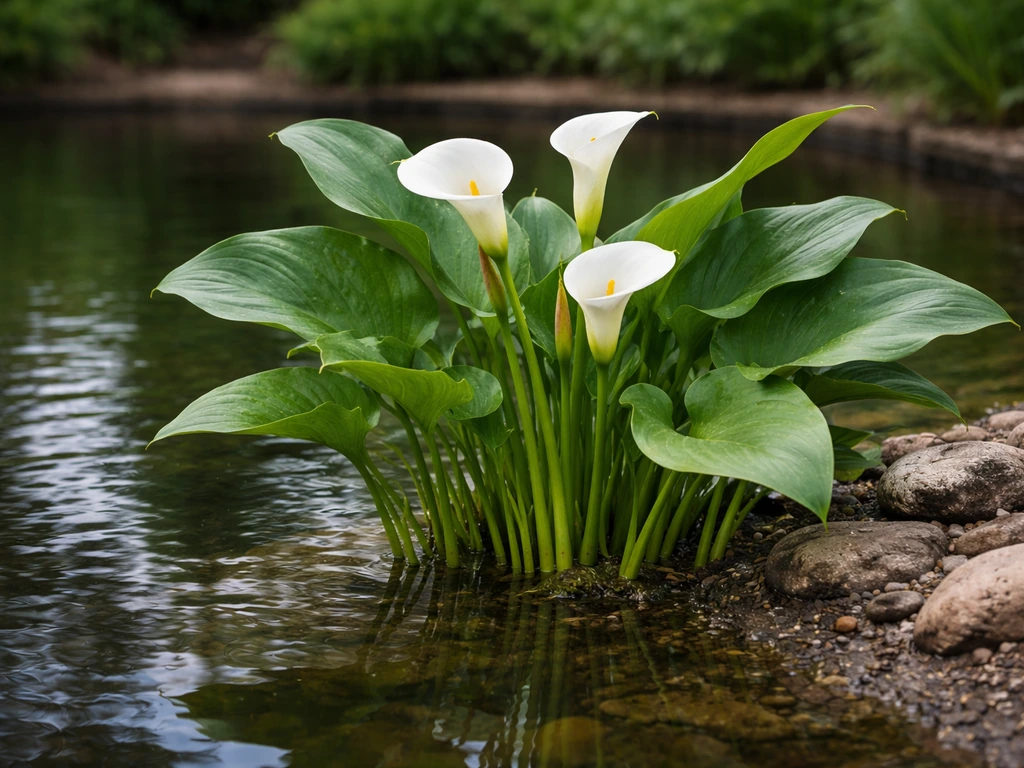
Yes, with the right setup: water depth, substrate, anchoring, light, and overwinter care for pond or marginal calla lili
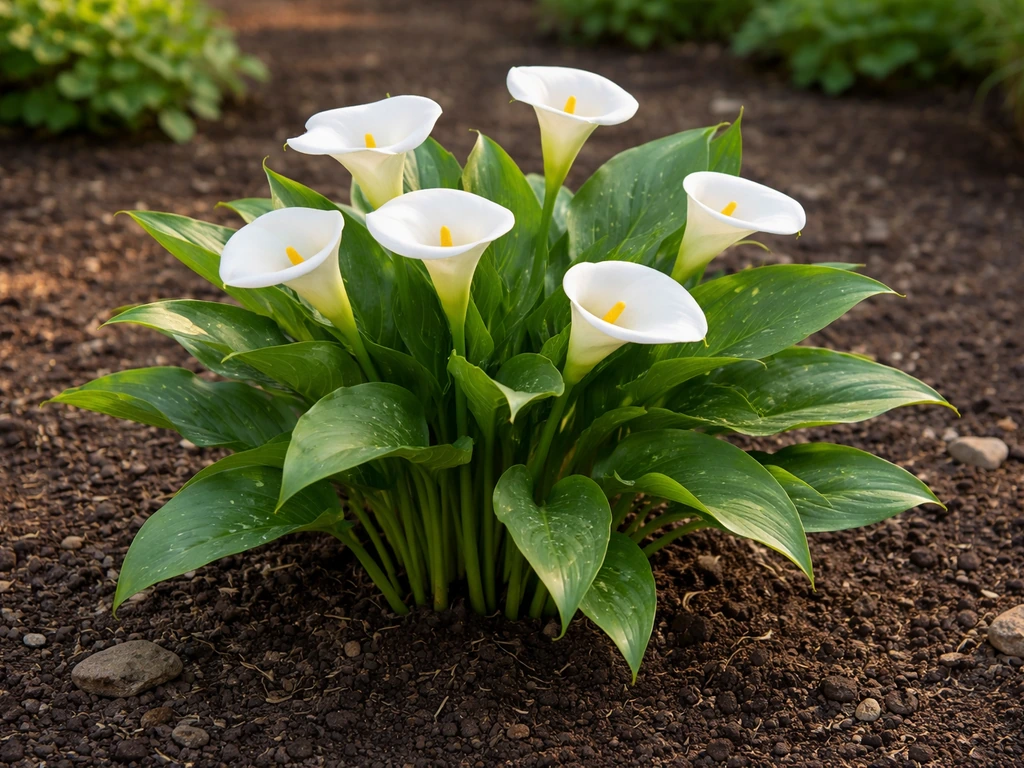
Get a clear answer on are calla lilies hard to grow, plus exact light, temperature, watering, planting, and fixes.
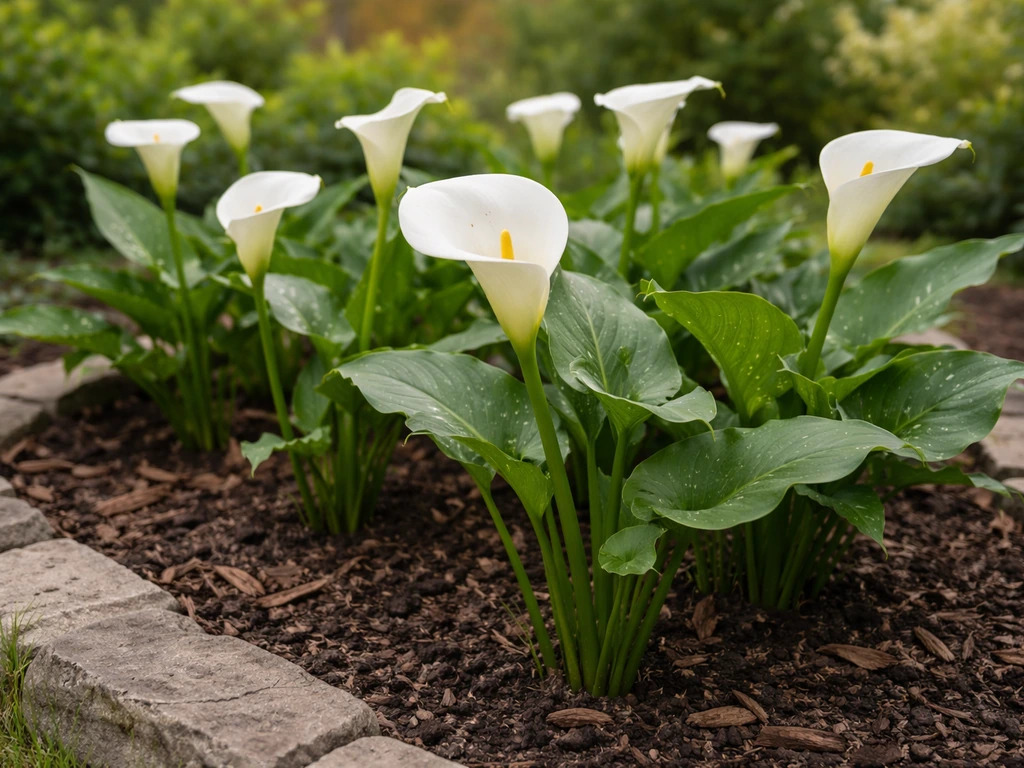
Yes, calla lilies can grow outside. Learn climate, light, soil drainage, planting timing, and fixes for no growth.