
No, the manga does not show Douma growing blue spider lilies in his garden. This is a popular piece of fan speculation, not something confirmed in any chapter or official source. The blue spider lily in Demon Slayer is a mythical, almost unfindable ingredient tied to Muzan's backstory, and no panel or dialogue places it in Douma's garden specifically. If you landed here because you're curious whether that fan claim is real and also want to know how to actually grow a blue spider lily yourself, here's everything you need to know on both fronts.
Does Douma Grow Blue Spider Lily in His Garden? Facts
Marcus Hendricks
29 Apr 2026
Who is Douma and what is the blue spider lily in the manga?
Douma is Upper-Rank Two of the Twelve Kizuki in Demon Slayer: Kimetsu no Yaiba. He's one of the most powerful demons in the series, known for his ice-based Blood Demon Art and his unsettling cheerfulness. He's a significant villain, but his role in the story is combat and cult leadership, not horticulture.
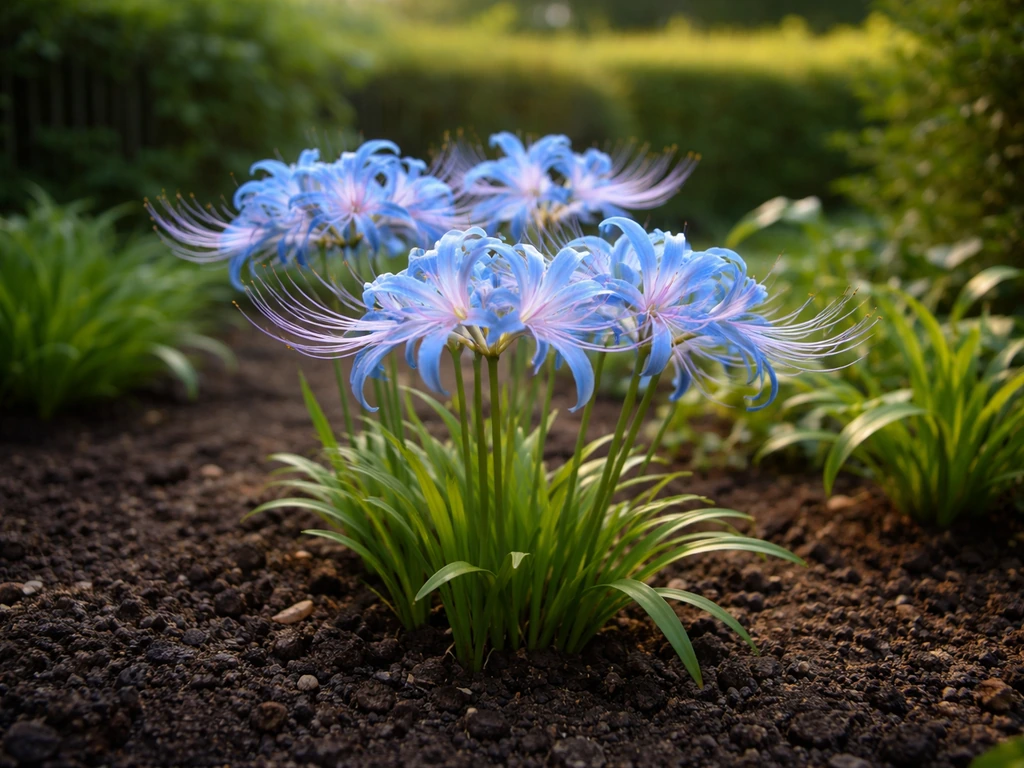
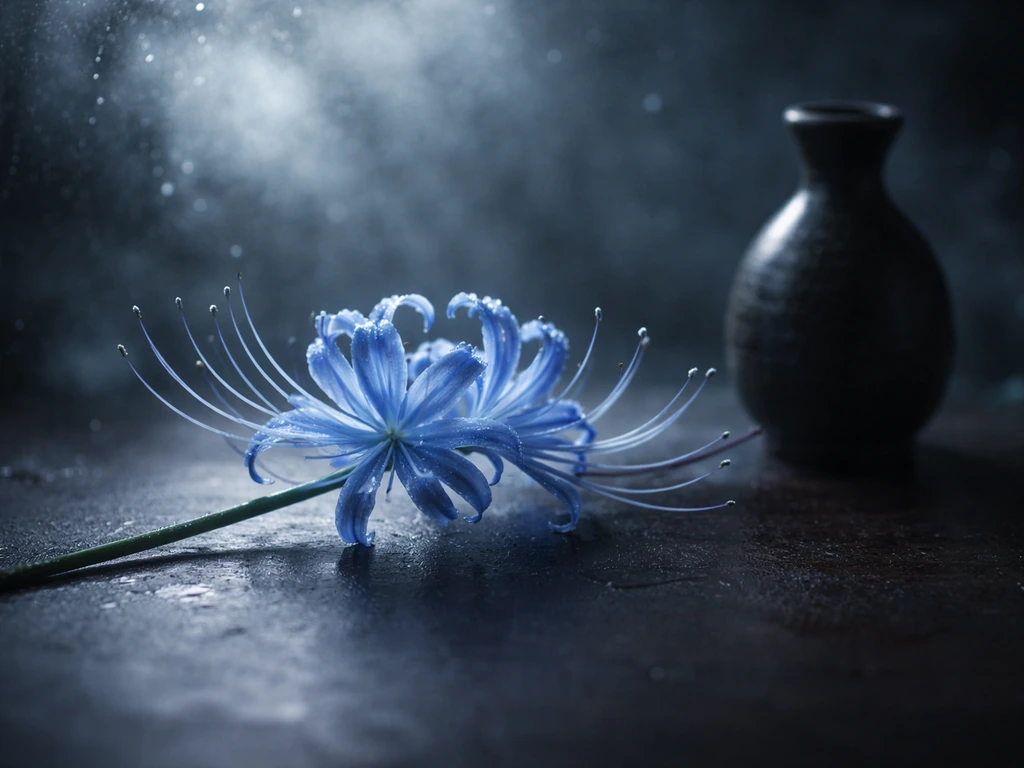
The Blue Spider Lily, known in Japanese as Aoi Higanbana (青い彼岸花), is something else entirely. It's framed in the manga as the extremely rare flower that Muzan Kibutsuji consumed as part of a medical treatment centuries ago, which ultimately caused his transformation into a demon.
Screen Rant also explains that the Blue Spider Lily is presented as a mythical, near-impossible ingredient used in Muzan Kibutsuji’s medical transformation treatment extremely rare flower that Muzan Kibutsuji consumed as part of a medical treatment centuries ago. The flower is so rare that by the time the main story takes place, its very existence is uncertain.
Chapter 67 of the manga actually includes dialogue about demons not having reliable information about whether the Blue Spider Lily even exists anymore. That's how elusive the plant is treated within the story's lore: not as something sitting in someone's garden, but as a near-mythical ingredient everyone is searching for.
Does the manga actually show Douma growing it? Let's look at the evidence
The short answer is no, and the evidence points pretty clearly in that direction. The Blue Spider Lily is connected to Muzan's origin story, not to Douma's character arc. No chapter or official wiki summary places the flower in Douma's possession or garden. Community discussion on Reddit echoes this: when fans have directly asked whether Douma was growing blue spider lilies in his garden, the consensus is that he was not and has not been shown doing so in the manga.
What you'll find if you dig into this online are fanfiction stories and fan theories that imagine Douma cultivating the flower, which makes sense creatively given his character, but those aren't manga canon. It's worth being clear: there's a real difference between a fan-written story on Archive of Our Own and a confirmed manga panel. The former is creative fiction inspired by the source material; the latter is what actually happened in Koyoharu Gotouge's work. Right now, no canon source confirms Douma grows or keeps blue spider lilies anywhere.
What plant do gardeners actually mean by 'blue spider lily'?
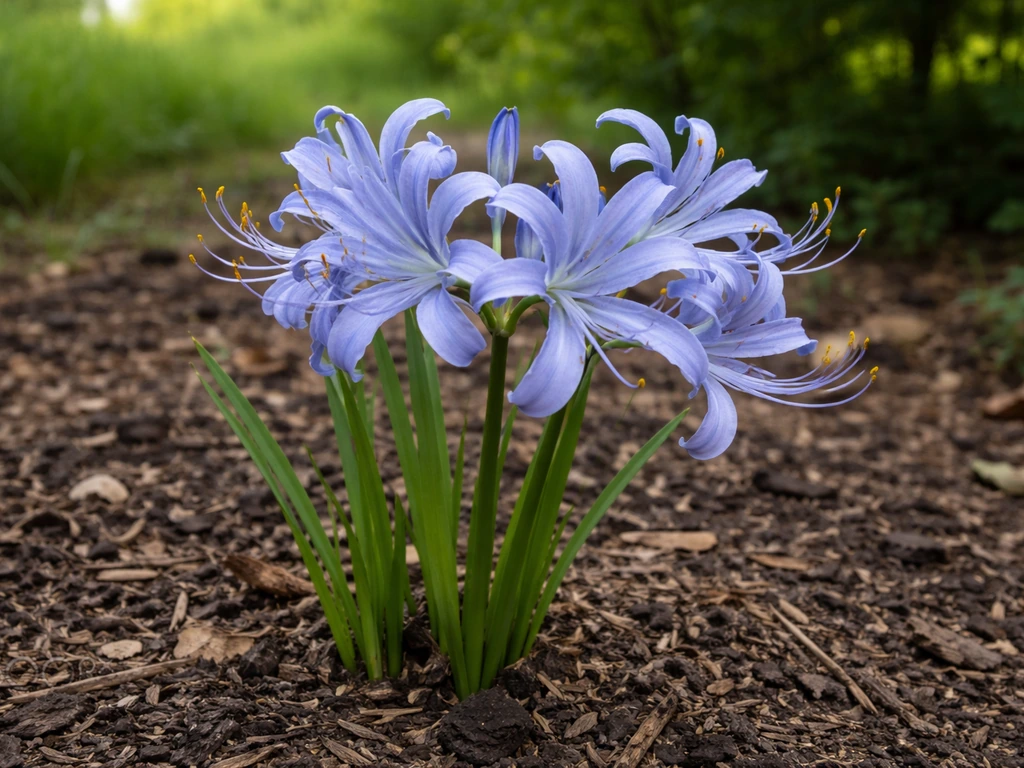
Here's where it gets interesting for gardeners. The blue spider lily in Demon Slayer is fictional, but there is a real plant that gets marketed under that name, and it's genuinely beautiful. When you see 'blue spider lily' at a nursery or bulb catalog, they're almost always talking about Lycoris sprengeri, commonly sold as 'Electric Blue Spider Lily.' It produces pale pink flowers with electric blue petal tips, which explains the name, though 'blue' is a bit of an overstatement. It's more of a blue-tinged pink than a true blue flower.
This is important because the 'spider lily' common name covers multiple completely different plants. The blank" rel="noopener noreferrer">UF/IFAS extension service points out that 'spider lily' is used for both Hymenocallis (white-flowered, always white, very different care needs) and Lycoris radiata (the red spider lily). If you're after the blue version closest to what the Demon Slayer aesthetic suggests, Lycoris sprengeri is your plant. If you're growing near water or in a tropical climate, Hymenocallis species come up often in that context too, with their own distinct requirements. The sibling topic about whether spider lilies can grow in water is worth checking if Hymenocallis is more relevant to your setup.
| Plant | Common Name | Flower Color | Type |
|---|---|---|---|
| Lycoris sprengeri | Electric Blue Spider Lily | Pink with blue-tipped petals | Bulb, deciduous |
| Lycoris radiata | Red Spider Lily | Bright red | Bulb, deciduous |
| Hymenocallis latifolia | Spider Lily | White only | Bulb, evergreen in tropics |
| Hymenocallis liriosme | Native Spider Lily | White | Bulb, prefers wet areas |
Light requirements and where to put it
For Lycoris sprengeri (the Electric Blue Spider Lily), full sun to partial shade is the standard recommendation across multiple reputable bulb retailers. In practice, that means at least four to six hours of direct sun daily, with some afternoon shade being perfectly fine and even helpful in hotter climates. Unlike daylilies that are almost aggressively sun-tolerant, Lycoris can get scorched if it's baking in full afternoon sun in a zone 8 or 9 summer without some relief.
For Hymenocallis spider lilies, the situation is similar but slightly more shade-tolerant. Houston Audubon's native plant guidance notes that Hymenocallis liriosme grows in full or part shade but blooms better in full sun. So more sun equals more flowers, but these plants aren't going to sulk in partial shade the way some other bulbs do.
Outdoors is strongly preferred for both types. These are garden plants that need seasonal cues, natural light cycles, and room to naturalize. You can grow Lycoris sprengeri in a container if needed, but it really does best when planted in the ground where it can establish a proper root system and go through its natural dormancy cycle without being disturbed.
Soil, water, and drainage: getting the foundation right
Both Lycoris and Hymenocallis spider lilies have one non-negotiable requirement: well-drained soil. Bulbs sitting in waterlogged ground will rot, full stop. I've lost bulbs to this exact problem and it's frustrating because the damage happens underground where you can't see it until the plant fails to emerge. If your garden soil is heavy clay, amend it generously with coarse sand or perlite before planting, or build a raised bed.
For Hymenocallis specifically, the UF/IFAS Master Gardener notes describe the genus as drought-tolerant but preferring moist areas, and commercial growing guides confirm they do best in well-drained soil. That combination, moist but draining, is the sweet spot. Think of it as consistently damp without ever sitting in puddles. Sandy loam or loamy soil with good organic content works well for both Hymenocallis littoralis and the Lycoris types.
Watering during the growing season should be regular enough to keep soil evenly moist. During dormancy (when Lycoris foliage has died back), back off significantly. Overwatering a dormant Lycoris bulb is one of the most common mistakes beginners make, and it's almost always fatal to the bulb. Let the soil dry out more between waterings once the leaves yellow and die back naturally.
Climate suitability and seasonal care
Lycoris sprengeri is cold-hardy down to at least USDA Zone 6, which makes it one of the more adaptable spider lily options for North American gardeners. If you're in zones 6 through 9, you're in good shape to grow it outdoors year-round with minimal fuss. In Zone 5 or colder, you'd need to mulch heavily in autumn or dig the bulbs up before hard frost.
Hymenocallis latifolia sits at the other end of the spectrum, hardy only in USDA Zones 10 and 11. That limits it to South Florida, Hawaii, and similar tropical or near-tropical climates. If you're in California's warmer coastal zones, the sibling article about growing spider lilies in California goes deeper on regional suitability.
If you’re wondering whether it can handle your region, this guide to growing spider lilies in California covers the local climate and care needs California’s warmer coastal zones. If you're in the Southeast and wondering where red spider lilies naturally thrive, the guide on where red spider lilies grow in the US covers that territory well.
If you're specifically trying to grow red spider lilies, the climate guide to where red spider lilies grow in the US will help you narrow down the best regions.
Seasonally, Lycoris sprengeri has an unusual growth habit worth knowing: the foliage emerges in late winter to spring, then dies back completely in summer before the flowers shoot up on leafless stalks in late summer or early fall. This confuses a lot of first-time growers who assume the plant is dead when the leaves disappear. Don't dig up the bulbs. Leave them alone, reduce watering, and wait. The flowers will come.
Planting, propagation, and fixing common problems
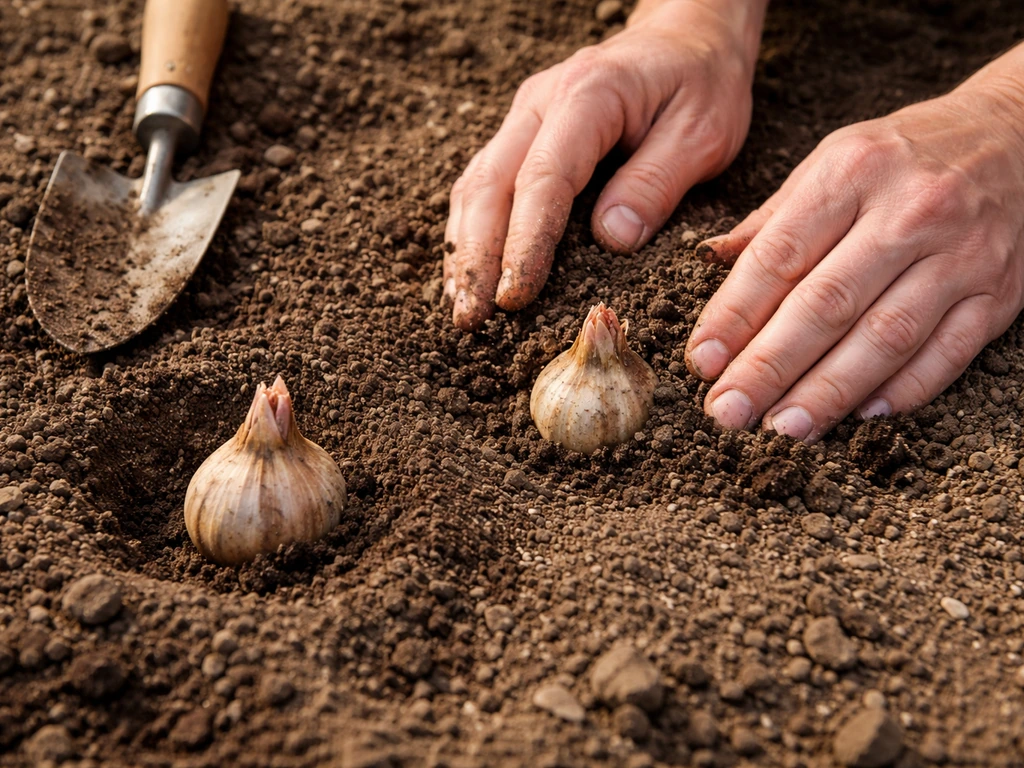
How to plant
For Lycoris sprengeri, plant bulbs shallowly with the top of the bulb close to the soil surface, typically about two to three inches deep. Spacing of six to eight inches between bulbs gives them room to naturalize and form clumps over time without crowding. Plant in late summer to early fall, before the fall flowering season if possible, so the bulb can settle in.
- Choose a spot with well-drained soil and at least four hours of sun daily.
- Amend heavy clay soil with coarse sand or perlite before planting.
- Plant bulbs shallowly, with the top of the bulb just below the soil surface.
- Space bulbs six to eight inches apart.
- Water in gently after planting, then ease off until active growth appears.
- Apply a light layer of mulch to regulate soil temperature, keeping it away from the bulb neck.
Propagation
Spider lilies propagate naturally by producing offsets, small bulblets that form alongside the parent bulb. The best time to divide and replant these is when the foliage has died back completely. Dig up the clump carefully, separate the offsets, and replant at the same shallow depth. Don't divide too frequently; Lycoris in particular actually tends to bloom better when slightly crowded and undisturbed. Every three to four years is usually enough.
Troubleshooting common problems
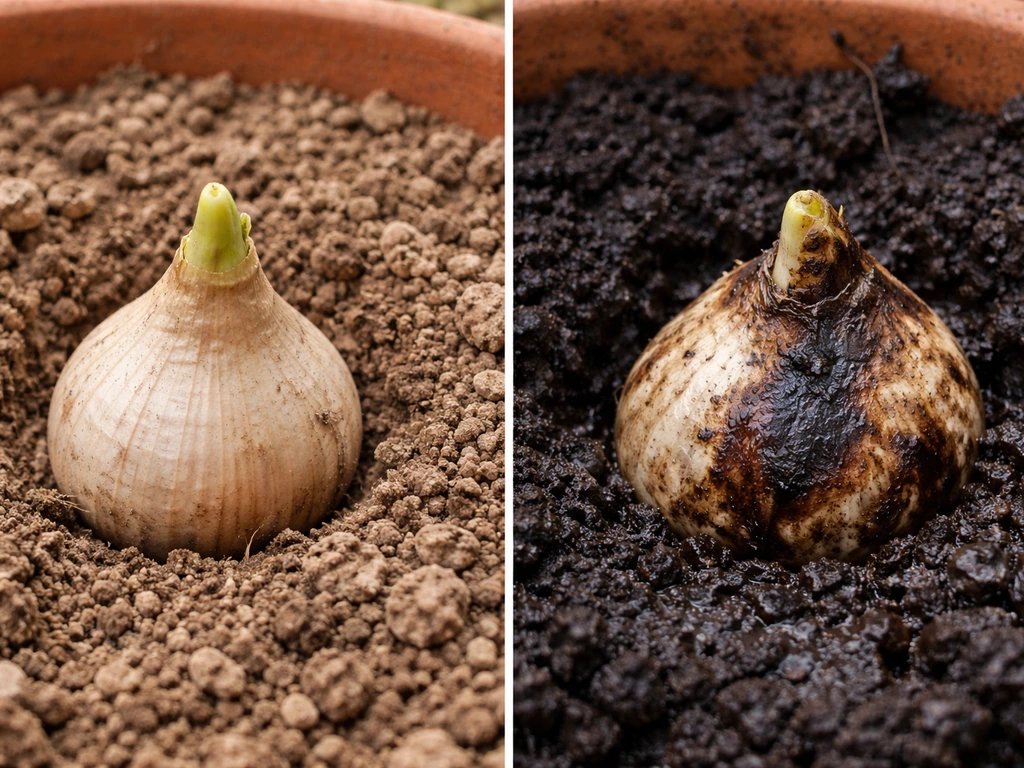
- No flowers appearing: The most common cause is planting depth that's too deep, or dividing/moving bulbs too often. Leave Lycoris undisturbed for at least two to three years after planting.
- Bulb rot: Almost always a drainage issue. Improve soil drainage before replanting. Never let bulbs sit in standing water.
- Leaves dying back in summer: This is normal for Lycoris sprengeri. Do not remove the foliage until it has died back completely on its own, as the leaves are feeding the bulb for next year's bloom.
- No foliage emerging in spring: Could be frost damage to the bulb if you're in Zone 5 or colder without adequate mulching, or a rotted bulb from overwatering during dormancy.
- Slugs and snails: These are the most common pest problems for spider lily foliage. Iron phosphate-based slug bait applied around the base of plants at first emergence works well.
- Toxicity note: Lycoris and Hymenocallis bulbs are toxic if ingested. Wear gloves when handling bulbs and wash hands thoroughly. Keep away from pets and children.
Growing a real blue spider lily is genuinely rewarding once you get the drainage and dormancy cycle figured out. The Electric Blue Spider Lily (Lycoris sprengeri) is the closest real-world match to what the Demon Slayer name evokes, and it's more garden-friendly than many people expect, especially if you're in zones 6 through 9. Whether or not Douma ever grew one in a fictional garden, you absolutely can grow one in your real one. If you're still wondering what fans say on Reddit, discussions about this claim tend to conclude that there is no manga evidence of Douma growing it Douma ever grew one.
FAQ
Is there any manga scene where Douma is shown with a blue spider lily (Aoi Higanbana) in his garden?
No. The manga does not depict Douma planting, tending, or even mentioning blue spider lilies. If you want to check for yourself, scan for panels showing Douma’s residence areas, dialogue during downtime, and any “garden” or “flowers” context, you will not find Aoi Higanbana or any equivalent plant description attached to him.
When nurseries sell “blue spider lily,” which real plant are they usually referring to?
The name “blue spider lily” in listings often refers to Lycoris sprengeri (“Electric Blue Spider Lily”), not Aoi Higanbana. If the label says Lycoris, it’s usually the closest match to the Demon Slayer vibe, whereas other “spider lily” products could be Hymenocallis (different flowers and care).
Why do different gardening guides give conflicting instructions for “spider lilies”?
“Spider lily” is a common name shared by multiple genera, and that’s why care can look inconsistent online. Lycoris sprengeri and Hymenocallis species both have a “dormant or die-back” pattern at different times, but their bloom timing and temperature limits differ a lot, so matching the genus name on the tag matters more than the color description.
My “electric blue spider lily” lost its leaves, is it dying or going dormant?
Dormancy is a normal part of Lycoris sprengeri’s life cycle. The foliage can disappear completely in summer before flowers appear later, so the plant may look dead temporarily. The fix is to stop digging, reduce watering during dormancy, and be patient through the leaf-free period.
How should I water a blue spider lily when it goes dormant?
Overwatering during dormancy is one of the fastest ways to lose Lycoris bulbs. Once leaves yellow and die back, let the soil dry more between waterings rather than keeping it constantly moist, and only resume regular moisture when you see new growth starting again.
Can I grow Lycoris sprengeri in a container instead of planting in the ground?
Yes, but only if you can replicate good drainage and seasonal cues. In-ground planting is easier because the bulb naturally experiences seasonal temperature and moisture swings. In containers, use a pot with drainage holes, a very fast-draining mix, and keep the watering conservative during dormancy.
What planting depth is best for electric blue spider lily bulbs?
For Lycoris sprengeri, bulbs generally need to be shallow (top close to the soil surface, roughly a few inches deep). Planting too deep is a common reason for weak or absent flowering, especially in heavier soils, where the bulb stays wet longer.
Will I get a true blue flower, or is “blue” mostly marketing?
If you’re trying to buy something “true blue” in color, temper expectations. Lycoris sprengeri is often described as blue-tinged or pale with blue-tipped petals, not a saturated blue like some flowers. Checking photos of the actual seller’s stock and confirming it’s sprengeri helps avoid surprises.
How do I know whether it will survive my winter in my USDA zone?
Lycoris sprengeri is generally hardy around USDA Zone 6, while Hymenocallis varieties are often much less cold-tolerant (some are only reliable in Zones 10 to 11). Before buying, confirm which genus and species you have, then match it to your winter low temperatures.
When is the best time to divide or transplant blue spider lily bulbs?
You typically should not divide Lycoris too often. It often blooms better when slightly crowded, and frequent disturbance interrupts the cycle. A practical approach is to wait until foliage has died back completely, then divide every few years when clumps become crowded.
Next Articles
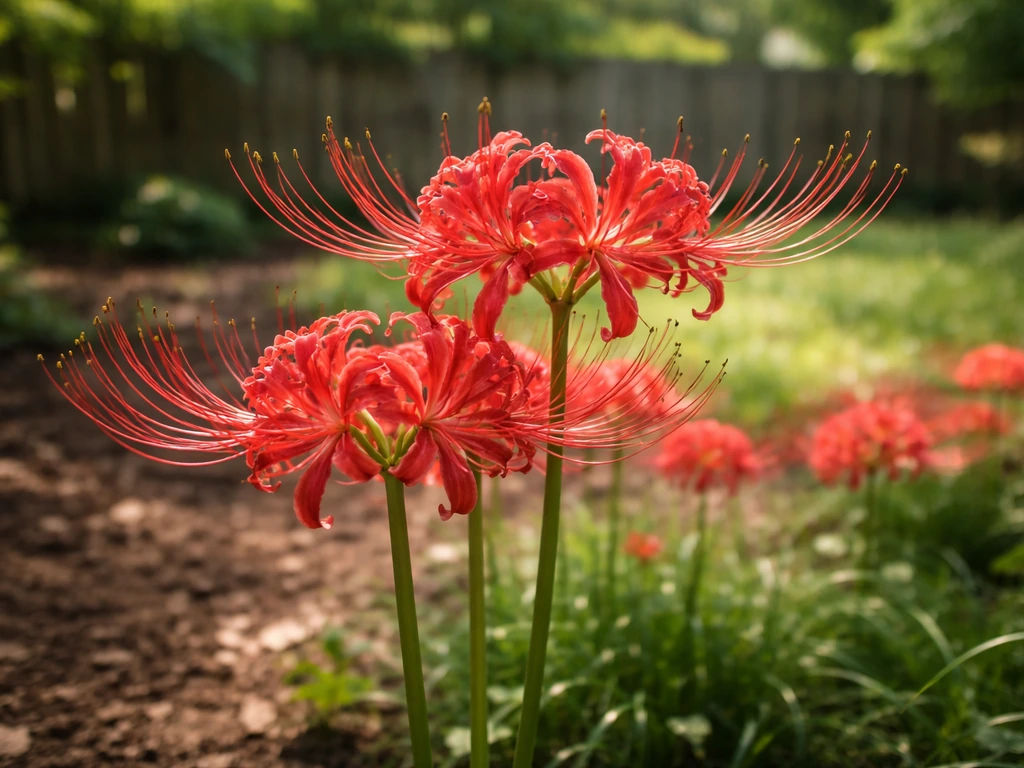
Where Do Red Spider Lilies Grow in the US? Regions, Zones
Find where red spider lilies grow in the US by region and zones, plus climate needs and how to spot or grow them.
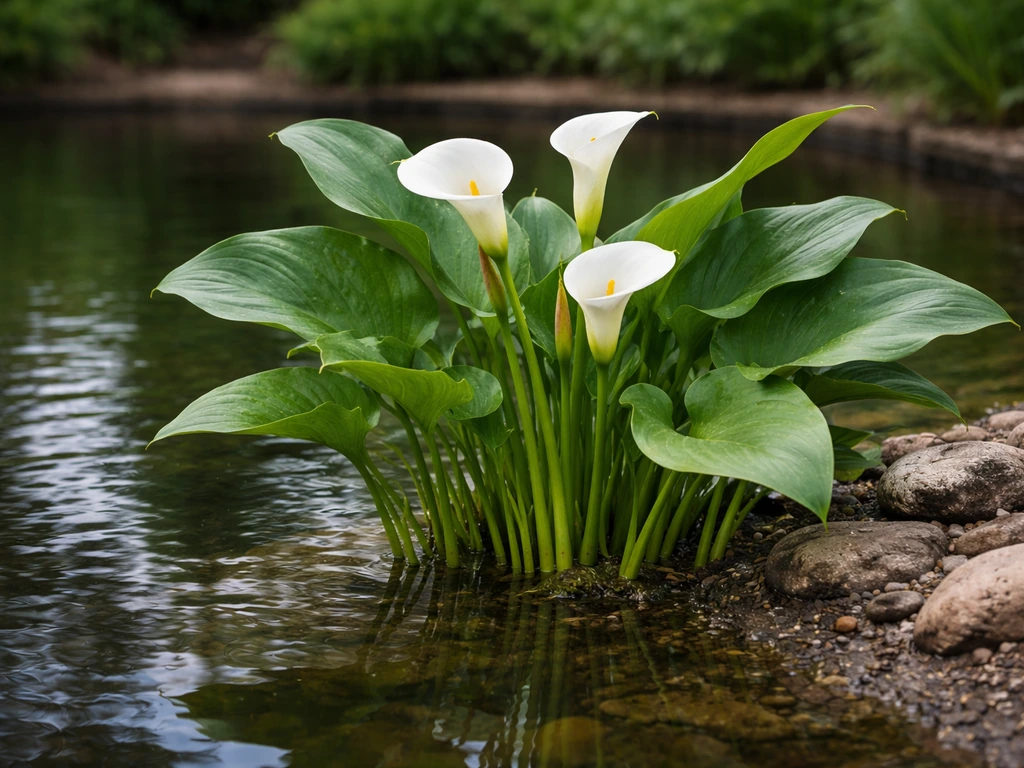
Can Calla Lilies Grow in Ponds? How to Set Up Successfully
Yes, with the right setup: water depth, substrate, anchoring, light, and overwinter care for pond or marginal calla lili
Are Calla Lilies Hard to Grow? Easy Guide for Success
Get a clear answer on are calla lilies hard to grow, plus exact light, temperature, watering, planting, and fixes.