
Yes, you can absolutely grow spider lilies in California, and in many parts of the state they thrive with almost zero fuss once established. The most commonly grown species, Lycoris radiata (the red spider lily), does very well across coastal and inland California gardens in USDA Zones 7 through 10. The trickier species, like Lycoris squamigera (surprise lily), also work but need a bit more attention to summer watering. The main thing you need to get right is matching their unusual seasonal cycle to California's dry summers, because wet bulbs during dormancy are the number one way gardeners lose them. In Douma’s garden manga, the blue spider lily is treated as a special choice that still follows the same core care rules: reliable drainage and matching dormancy to dry summers does douma grow blue spider lily in his garden manga.
Can You Grow Spider Lilies in California? Care Guide
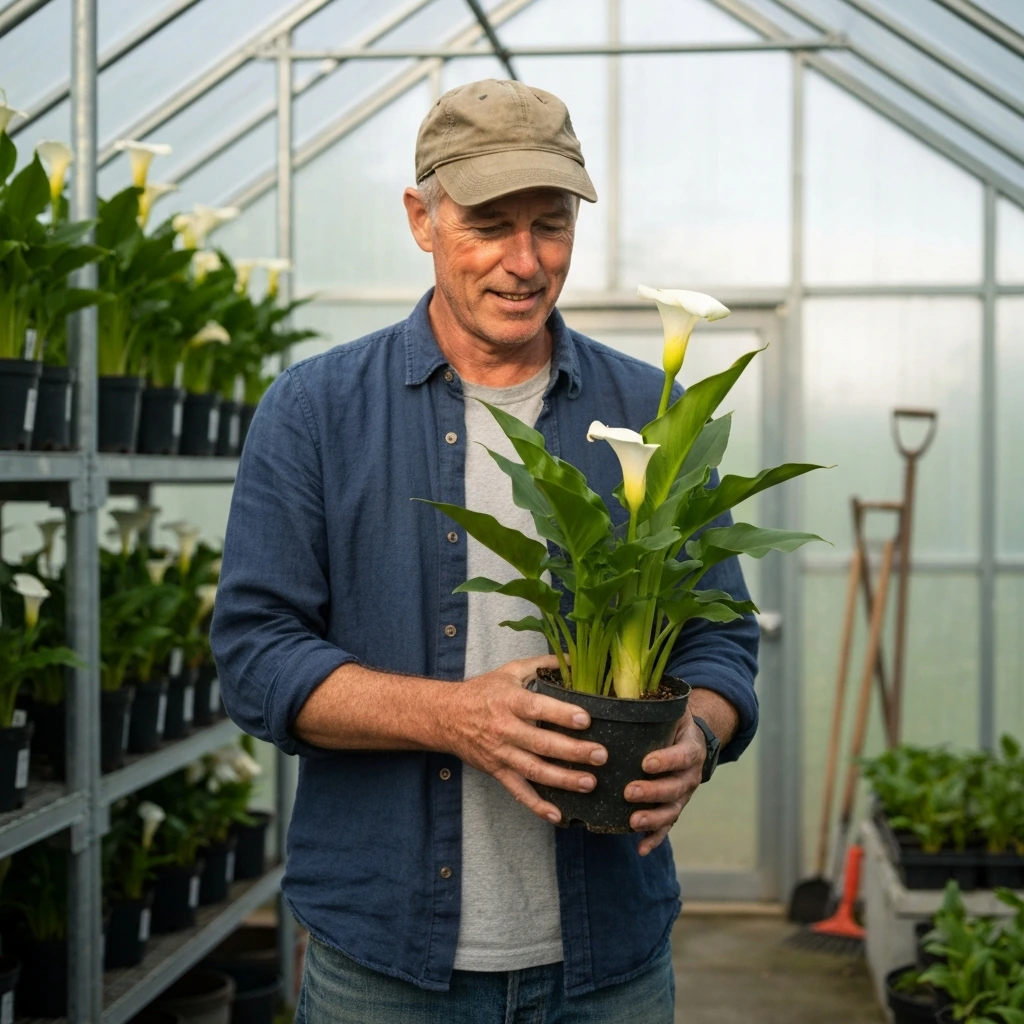
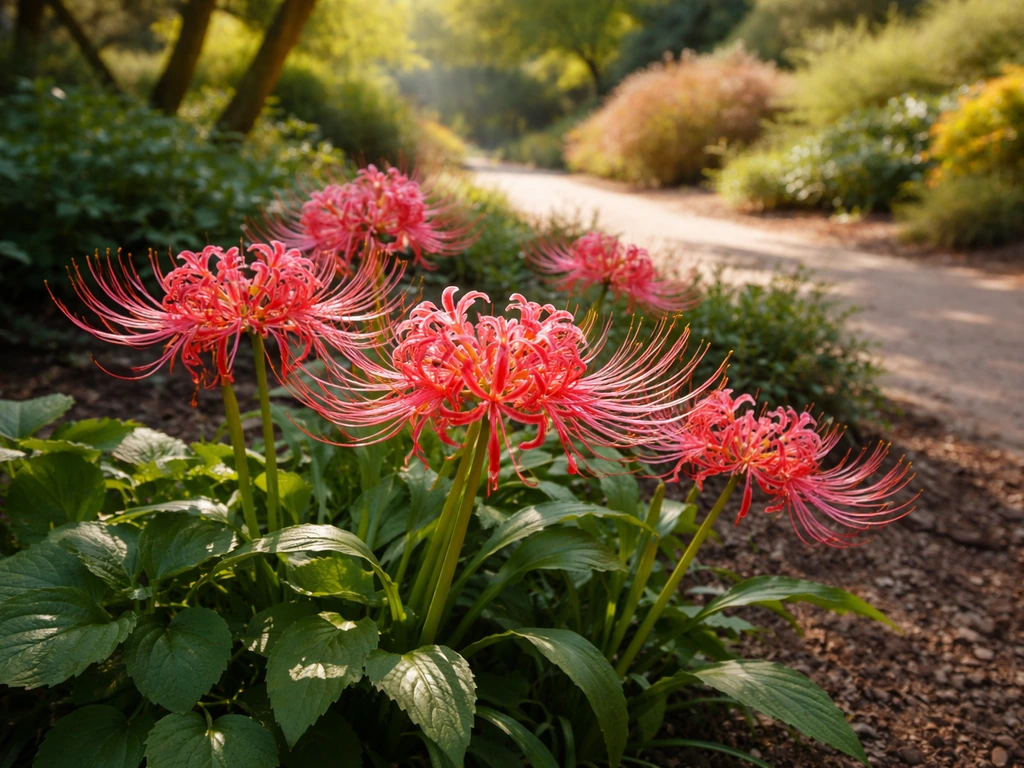
Spider lilies are not true lilies (and that matters for growing them)
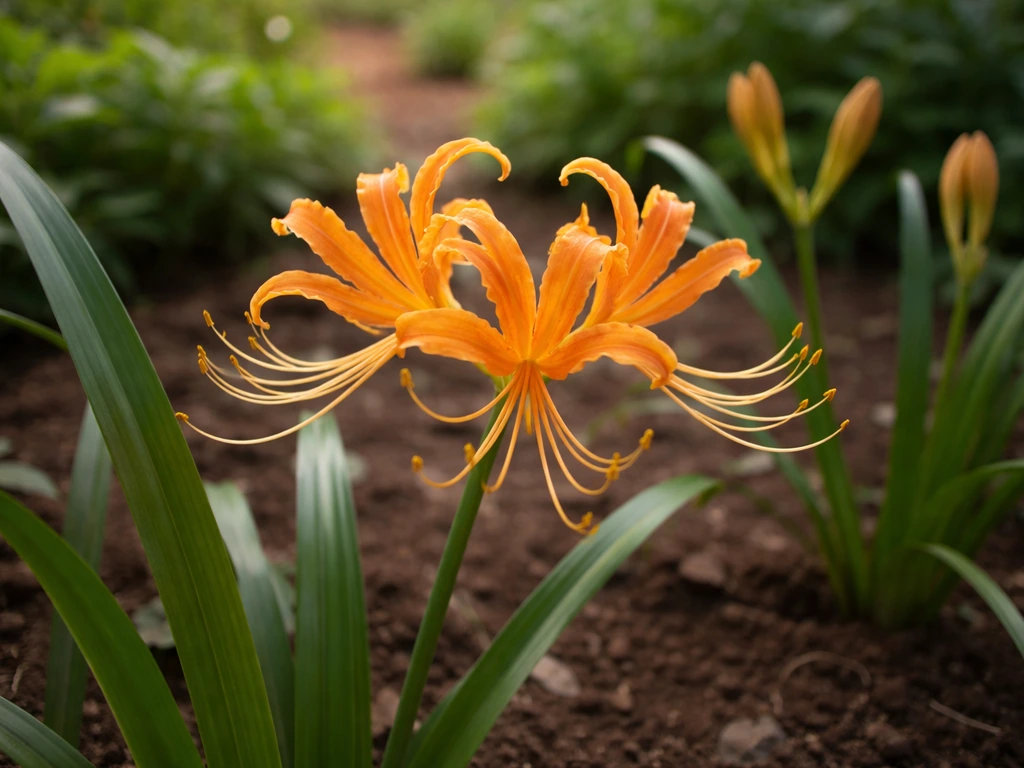
Before we get into the how-to, it helps to know what you're actually dealing with. Spider lilies (Lycoris species) are in the amaryllis family (Amaryllidaceae), not the true lily family (Liliaceae). That puts them in a completely different growing category from Asiatic lilies, daylilies, or calla lilies. The most striking difference: with Lycoris, the leaves and flowers never appear at the same time. Leaves come up in fall, grow through winter and spring, then die back completely by early summer. Then, weeks after the foliage has vanished, tall bare flower stalks shoot up seemingly out of nowhere in late summer or early fall. That's why common names like 'surprise lily,' 'resurrection lily,' and 'naked lady' all get applied to this genus. If you're used to growing Asiatic or Easter lilies where blooms and leaves coexist, this is going to look very strange the first time it happens, but it's completely normal.
Which spider lily types to try in California
There are several Lycoris species worth considering, and they don't all behave identically. Here's a quick breakdown of what works where in California.
| Species | Common Name | Hardiness Zones | Best for California | Bloom Season |
|---|---|---|---|---|
| Lycoris radiata | Red spider lily | 7–10 | Coastal and inland California, mild frost areas | Late summer to early fall |
| Lycoris squamigera | Surprise lily / Naked lady | 5–10 | Most of California including cooler inland valleys | Mid to late summer |
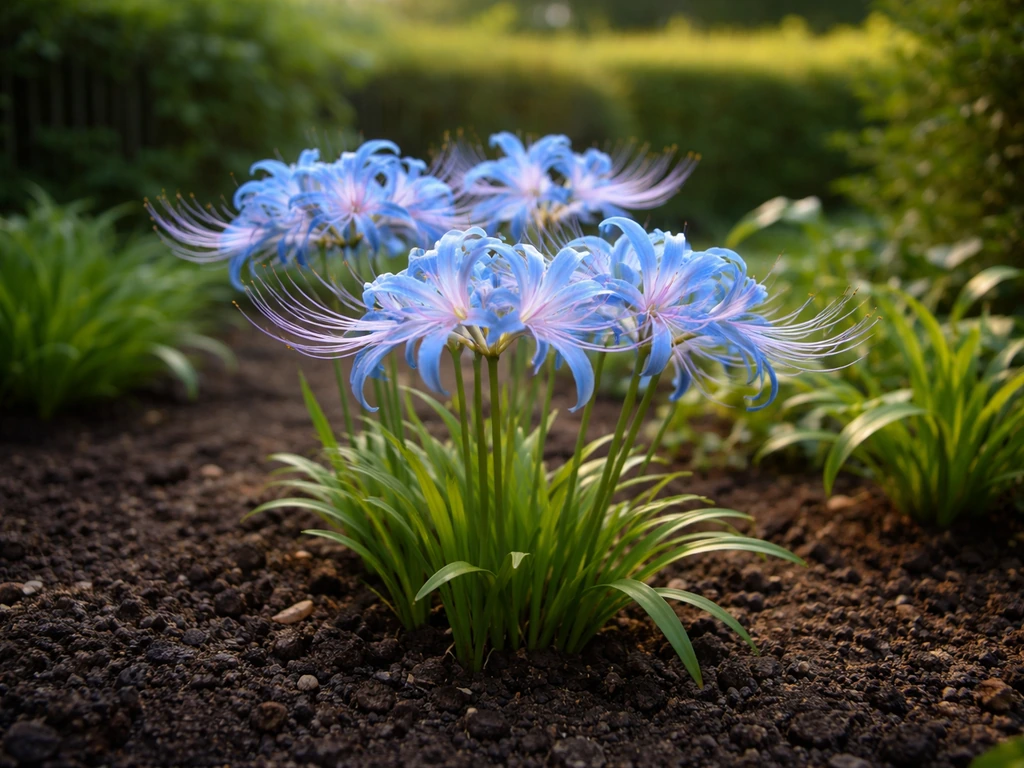
| Lycoris sprengeri | Electric blue spider lily | 6–10 | Milder California coastal zones | Late summer |
| Lycoris aurea | Golden spider lily | 8–10 | Southern California and Bay Area | Late summer to fall |
Lycoris radiata is the one most California gardeners start with, and for good reason. It's forgiving, reliable, and puts on a genuinely spectacular show of crimson flowers with long, spidery stamens. Lycoris squamigera is actually the hardiest of the bunch, handling USDA zones 5 through 10, which makes it a great option if you're in a cooler inland area like the Sacramento Valley or higher-elevation foothill zones. If you're in inland Southern California or the desert edges of the state, L. aurea can handle the heat but really needs excellent drainage. In coastal areas with mild, frost-free winters, you have the widest selection. Gardeners in high-altitude parts of California (above 3,000 feet) will struggle more, especially with L. radiata, since hard winters can reduce or eliminate the following year's flowering.
Light, soil, and drainage: getting the foundation right
Spider lilies are not picky about sun, but they do have strong opinions about drainage. For light, most Lycoris species perform best in partial shade to full sun, so a spot that gets 4 to 6 hours of direct sun is ideal. In hot inland California areas like the Central Valley, some afternoon shade actually helps protect the flowers when they emerge in late summer. On the coast, full sun is usually fine year-round. Avoid deep shade under dense tree canopies, where plants will produce leaves but refuse to bloom.
Drainage is non-negotiable. Lycoris bulbs sitting in wet soil during their summer dormancy will rot, plain and simple. The Pacific Bulb Society puts it bluntly: watering a Mediterranean-climate bulb during summer dormancy will usually cause rot. California's naturally dry summers are actually a gift for growing these plants, but you need to make sure your soil drains freely. Sandy loam or loamy soil with a little clay is ideal. Heavy clay soils that hold water through summer are your biggest enemy. If your garden soil is predominantly clay, either amend it aggressively with coarse sand and compost before planting, or grow spider lilies in raised beds or containers where you control the drainage entirely.
Watering and dormancy: the cycle you have to respect
This is the part that trips up most California gardeners, because our irrigation habits don't naturally match what Lycoris needs. Here's the annual water cycle you're working with.
- Fall through spring (active leaf growth): Water regularly when rainfall doesn't do the job. Leaves are actively photosynthesizing and building energy in the bulb, so consistent moisture during this period matters.
- Late spring (leaves yellowing and dying back): Start tapering off water as foliage fades. This is the transition into dormancy.
- Summer dormancy (leaves fully gone): Stop supplemental watering almost entirely. This is critical. California's dry summer climate is naturally perfect for this phase, but if your spider lilies are on the same irrigation zone as thirsty plants, you'll need to reroute them or give them their own zone.
- Late summer to early fall (bloom time): You can give a single deep watering around August to help trigger flowering in dry years, but don't keep the soil wet. After flowers emerge, they go from bud to full bloom in roughly 4 to 5 days, so enjoy them quickly.
- After blooming: Resume gentle, regular watering as new foliage starts to push up.
One thing worth noting: Lycoris is actually more tolerant of wet summers than some of its amaryllis relatives, so if you do get some summer rain or occasional irrigation drift, it's not an automatic death sentence. But chronic wet conditions during dormancy are a real problem. If you're growing them in a lawn or a heavily irrigated mixed border, containers become a much smarter option so you can control moisture independently.
How to plant spider lily bulbs in California
Timing
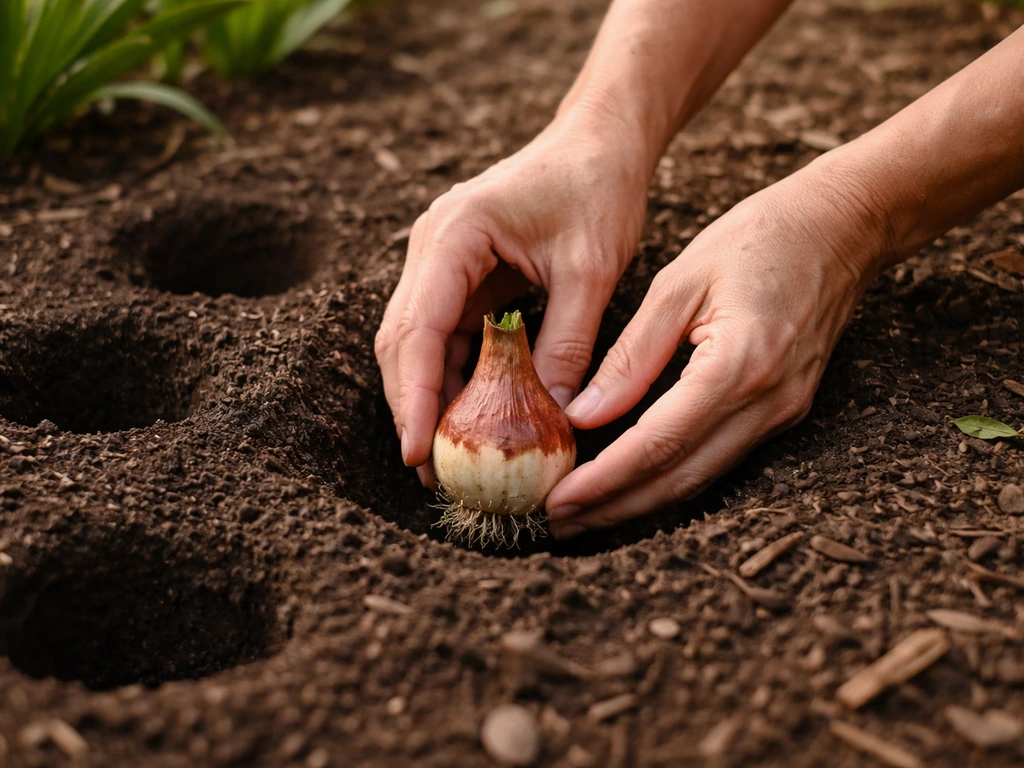
Plant spider lily bulbs in late summer to early fall, which in California means roughly August through October depending on your region. For L. radiata, planting in late August gives bulbs time to establish roots before they're ready to push up flower stalks. If you're planting L. squamigera, fall planting (September to October) works well since it blooms earlier in summer anyway and needs root establishment going into winter. The general rule is to plant before the soil cools significantly, which in most California gardens means getting bulbs in before November.
Depth and spacing
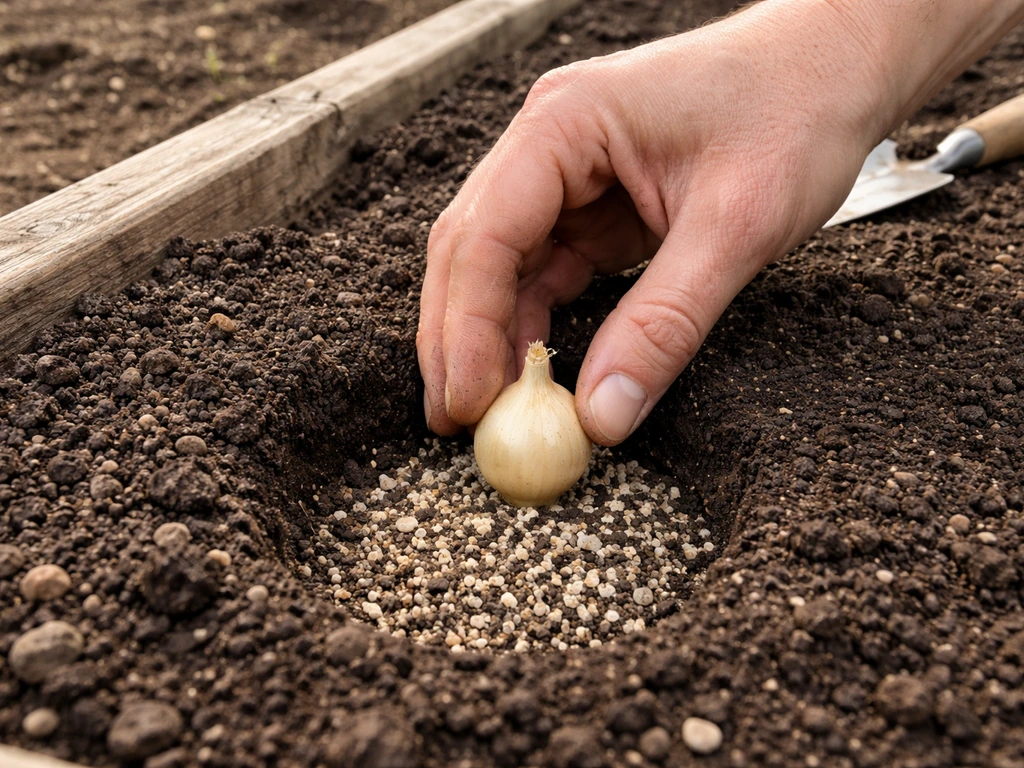
blank" rel="noopener noreferrer">Planting depth guidance for Lycoris varies depending on who you ask, and it does matter. A depth of roughly blank" rel="noopener noreferrer">2 to 3 inches below the soil surface (measured to the top of the bulb, not the base) is commonly recommended for L. radiata in mild-climate gardens. Some sources suggest up to 8 inches for heavier soils, but in California's mild winters, shallower planting typically works well and you're less likely to get blooming failures from planting too deep. It's also worth knowing that it's normal for the necks of Lycoris bulbs to poke slightly above the soil surface, especially in established clumps. Don't bury them deeper just because they look exposed. Space bulbs about 6 inches apart. They'll eventually form clumps, and you can divide them when flowering starts to decline.
Containers vs. in-ground planting
In-ground planting works great if your soil drains well and you can control summer irrigation. Containers are the smarter choice if you have clay soil, an overactive irrigation system, or you want to move plants around the garden. Use a well-draining potting mix and a container with good drainage holes. Terracotta pots are excellent because they help wick away excess moisture. In containers, move pots to a sheltered, dry spot during summer dormancy to prevent accidental overwatering, then bring them back out when you want to enjoy the fall bloom.
Care through the year: after blooms and propagation
After spider lilies finish blooming (which happens fast, those flowers are usually done within a week), the stalks will die back on their own. Cut them off at the base once they've yellowed. Then, within a few weeks, you'll see strap-like leaves emerging from the soil. Leave these alone through the entire fall, winter, and spring. Those leaves are doing all the work of recharging the bulb for next year's flowers. The most common mistake after the bloom season is cutting back the foliage too early because it looks messy. If you remove the leaves before they naturally die back in late spring, you'll likely get no flowers the following year.
For propagation, spider lilies multiply by producing offsets around the parent bulb. Over several years, a single bulb forms a crowded clump, and when you notice flowering starting to thin out, that's your signal to divide. The best time to divide is early summer, after the foliage has died back and the plants are dormant. Dig up the clump, gently separate the offsets, and replant them right away. Keep the roots slightly damp during the process and don't leave bulbs sitting out in the air for long. Divided plants may skip a bloom season as they re-establish, so don't panic if you divide and then see no flowers the following fall.
Common problems in California gardens and how to fix them
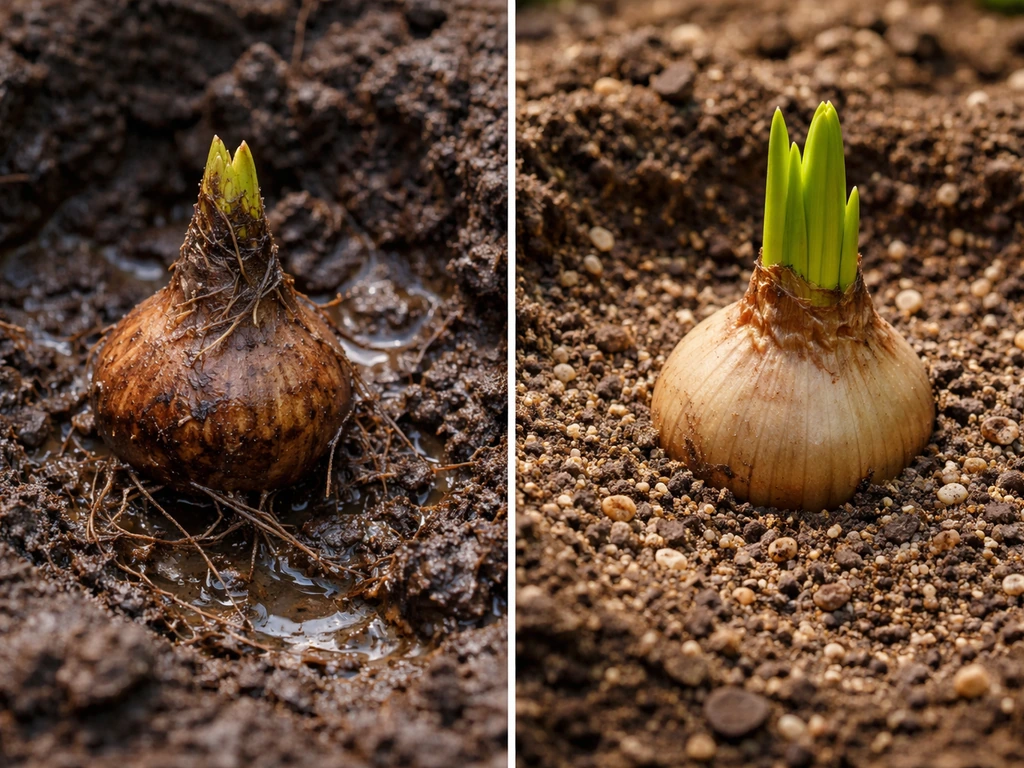
Most spider lily failures in California come down to a handful of predictable problems. Here's what to watch for and what to do about it.
- Bulbs rotting: Almost always caused by waterlogged soil during summer dormancy. Fix it by improving drainage before replanting, switching to containers, or pulling spider lilies off shared irrigation zones.
- Leaves appear but no flowers: This is the most frustrating one. Causes include planting too deep (try shallower next time, just 2 to 3 inches), insufficient dry rest during summer, too much shade, or bulbs divided too recently. Crowded, undisturbed clumps often bloom better than freshly planted bulbs.
- No leaves and no flowers at all: Usually a sign of bulb rot from the previous season, or bulbs planted too late in fall when soil was already cold. In very cold inland California winters, a hard freeze can also damage L. radiata bulbs enough to suppress the following year's bloom.
- Flowers emerge then collapse quickly: Normal if temperatures spike during bloom time. Spider lily flowers are delicate and don't last long even in ideal conditions (4 to 5 days is typical). There's no fix here, just enjoy them while they're happening.
- Pests: Spider lilies are largely deer resistant and most insects leave them alone, which is one of their real advantages over true lilies. Narcissus bulb flies can occasionally attack Lycoris bulbs. If you notice soft, mushy bulbs with larvae inside, remove and destroy affected bulbs and avoid replanting in the same spot for a season.
- Fungal disease: Wet conditions that cause rot can also bring fungal problems like botrytis (gray mold) on the foliage in cool, humid coastal areas. Improve air circulation and avoid overhead watering during leaf-growth season.
Is California right for spider lilies? A quick self-check
Most California gardeners are in a great position to grow spider lilies successfully, but your specific microclimate matters. Use this checklist to figure out where you stand before you buy bulbs.
- Check your USDA zone: Zones 7 to 10 cover most of California and are ideal for L. radiata and L. squamigera. If you're in zone 6 (high-elevation foothill areas), stick with L. squamigera, which is the hardiest species.
- Assess your drainage: Dig a hole about a foot deep and fill it with water. If it drains in an hour or less, you're in good shape. If it's still holding water after several hours, plan to amend the soil heavily or use containers.
- Map your irrigation zones: If your spider lily planting area is on a zone that runs through summer, either move the plants or set up a separate, manually controlled zone. Summer watering is the primary rot risk in California.
- Pick a spot with at least 4 hours of sun: Partial shade works, full shade does not. For hot inland areas, some afternoon protection is a bonus.
- Plan for the foliage season: Leaves will be visible from fall through late spring. If this spot looks messy with scraggly strap leaves in winter, pick a different location or interplant with something that fills the gap.
- Be patient about first-year blooms: Newly planted bulbs sometimes skip the first bloom season as they settle in. That's normal. Don't dig them up assuming they've failed.
Spider lilies are genuinely one of the more rewarding bulbs for California gardens precisely because the state's dry summers align so naturally with the plant's need for a dry dormancy. Many gardeners also ask on Reddit whether blue spider lily varieties are available and how well they grow in California blue spider lily on Reddit. The surprise of bare flower stalks appearing in late summer when nothing else seems to be happening in the garden is genuinely dramatic, and once a clump gets established and starts multiplying, you'll have flowers for decades with very little work. If you're curious about growing spider lilies in water or wondering where red spider lilies grow naturally across the US, those are worth exploring as context for understanding just how adaptable this plant really is. In general, spider lilies are best kept in well-draining soil, but a few growers experiment with controlled water setups growing spider lilies in water.
FAQ
Can you grow spider lilies in California if your garden gets summer irrigation or occasional summer rain?
Yes, but only if you can guarantee a truly dry dormancy. If your sprinkler system runs in summer, either stop watering that area after spring foliage dies back, or move plants to containers where you can keep them dry until flower stalks appear. Even small amounts of frequent irrigation during dormancy increase rot risk, especially in heavier soils.
What should I do if my California soil is heavy clay and holds water in summer?
For California beds with clay or compacted soil, raised beds are often the easiest in-ground fix. Aim for a planting area that drains quickly (water should soak in rather than puddle within a few hours). If you cannot reliably improve drainage, containers are safer because you control the mix and can keep containers sheltered and dry in summer.
Why do my spider lilies come back but don’t bloom in some California winters?
They can be hardy, but extreme cold is a common reason for poor flowering. In areas with hard winters, some clumps will survive but may skip blooms the next season, especially Lycoris radiata. If you are in a cold microclimate, consider species that tolerate colder zones better (such as Lycoris squamigera) and mulch lightly only after dormancy starts, not right when new roots are forming.
My spider lilies look dead in late spring, should I water or dig them up?
Usually no. Spider lilies naturally go through a dormancy phase when the leaves are gone, and that bare period can look like the plant died. Wait until late summer or early fall for flower stalks, and do not water heavily just because you see no foliage. If you want to check health, gently feel for firmness of the bulb near the soil surface in early spring.
Do spider lilies handle frost and winter wet conditions in coastal or inland California?
Snow or freezing rain can be stressful, and wind can dry the surface layer, but the bigger issue is freezing wet soil. If you have occasional winter wetness, keep soil drainage excellent and avoid adding extra summer moisture. In very exposed sites, a sheltered spot that still gets sun helps reduce stress during the leaf-growing season.
What’s the right planting depth in California, and what happens if I planted too deep?
Too-deep planting is a frequent cause of weak or missing blooms. A practical approach is to plant so the bulb top sits about 2 to 3 inches below the soil surface in mild California climates. If you previously planted deeper and flowering is fading, you may be able to gently loosen and replant at the correct depth when bulbs divide in early summer.
How long do spider lilies take to bloom after dividing in California?
Most gardeners should expect a bloom delay after division. If flowering thins, divide in early summer after foliage dies back, replant immediately, and keep roots slightly damp. It is normal for divided bulbs to skip one bloom season while they re-establish.
Do deer, gophers, or other animals eat spider lilies in California?
Birds and deer usually are less interested than many flowering plants because the foliage and bulbs are not as palatable as typical garden targets. The more common animal issue is digging by rodents in search of bulbs or insects. If you have persistent digging, consider protecting with a coarse wire mesh barrier in the planting zone, especially in raised beds.
Can I grow spider lilies in containers in California, and how do I manage watering during dormancy?
Yes, but you need strict moisture control. Use a well-draining mix, a pot with drainage holes, and terracotta if possible. During summer dormancy, move the pot under cover or into a drier sheltered spot and only water if the mix fully dries out, and then only lightly to avoid keeping the bulb wet.
How do I choose the best spider lily species for my specific part of California?
You can plant multiple clumps in different microclimates, and it often helps you hedge against weather swings. Use the same drainage rules, but adjust sun based on location: afternoon shade in hot inland areas and full sun in many coastal areas. If you are unsure which species fits best, start with Lycoris radiata for typical zones 7 to 10, and try Lycoris squamigera if you are more inland or cooler.
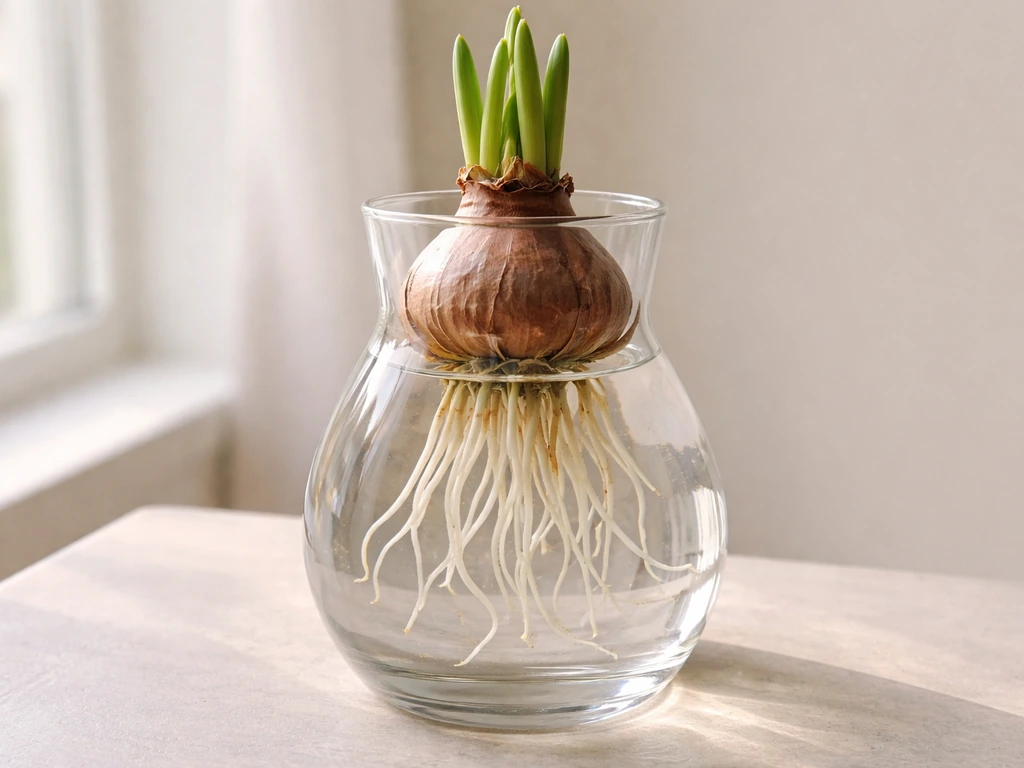
Yes, spider lily can grow in water if roots get oxygen. Learn safe setup, light, water changes, and troubleshooting rot.
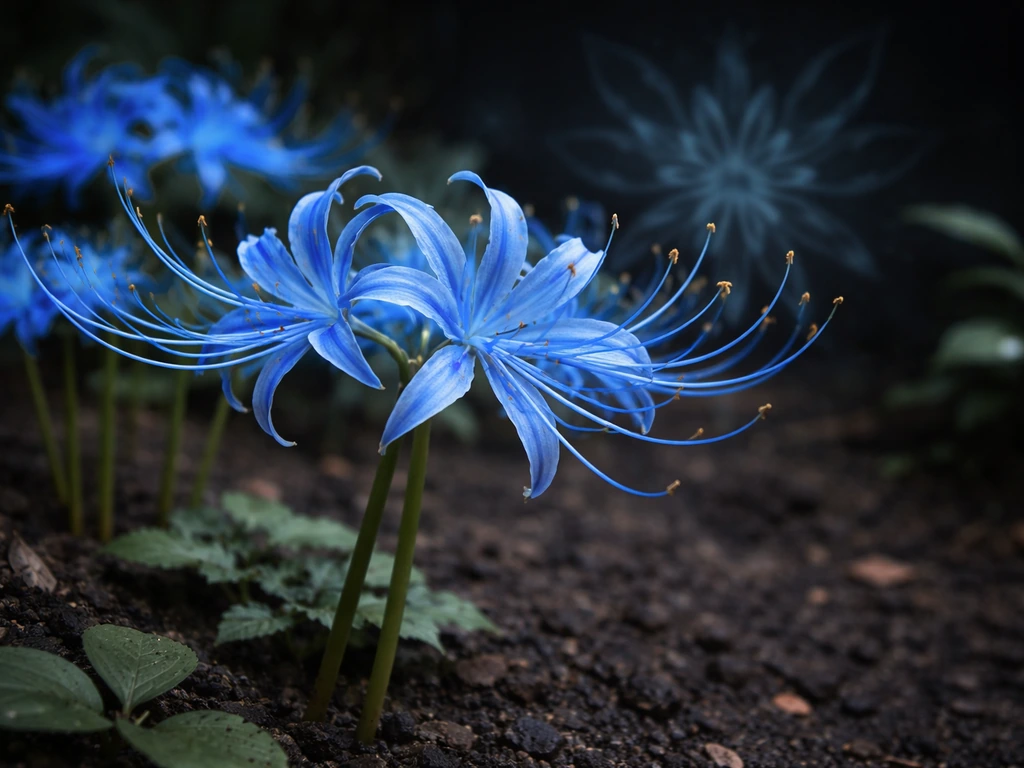
Find out if Douma can grow blue spider lily, and get exact care tips to verify and troubleshoot.
Checks manga canon on Douma and blue spider lily, then gives real spider lily growing care tips