
Spider lily (almost always Lycoris radiata or Lycoris squamigera when home gardeners ask this question) can tolerate having its roots sit in shallow, well-oxygenated water for short periods, but it cannot live long-term with its bulb fully submerged. Lycoris bulbs are highly rot-prone. Keep the roots just at or barely below the waterline, give the bulb itself plenty of air, change the water every few days, and you can absolutely use a water-based setup to root spider lily or display it in bloom. Try to drown the bulb in standing water and you will lose it, usually within two to three weeks.
Can Spider Lily Grow in Water? How to Try It Safely
Marcus Hendricks
21 May 2026
Which spider lily you have and why it matters
The name 'spider lily' gets pinned to at least three different plants, and the water tolerance varies between them. Lycoris radiata (red spider lily) and Lycoris squamigera (magic lily, sometimes called pink spider lily) are the ones most people in the US are growing.
Both come from bulbs, both hate waterlogged soil, and both are the focus of this guide. Hymenocallis species are also called spider lily in some parts of the country and are far more water-tolerant since they naturally grow along stream banks. North Carolina Cooperative Extension notes that many Hymenocallis species naturally grow in wet areas such as marshes, streambanks, and seashores [naturally grow along stream banks](https://plants. ces.
ncsu. edu/plants/hymenocallis/). If you have a Hymenocallis, you have a lot more flexibility with water. When you are not sure which one you have, check the flower: Lycoris blooms appear before or without leaves on a bare stalk in late summer or fall, while Hymenocallis has strap-like leaves present alongside white flowers.
For the purposes of this article, assume we are talking about Lycoris unless you are certain otherwise. If you want the location side of the answer too, red spider lilies do best in the warmer parts of the US where their natural seasonality matches local weather where do red spider lilies grow in the US.
Within Lycoris, bulb age and freshness matter a lot. A freshly dug, firm bulb with intact roots handles a water setup far better than a shriveled bulb that has been sitting in a bag at a garden center for weeks. Old or soft bulbs rot almost immediately when introduced to any standing water. If you are buying specifically to try a water display, squeeze the bulb before you buy it. It should feel firm and solid, like a small onion, with no soft spots.
Water setup options: what works and what kills the bulb
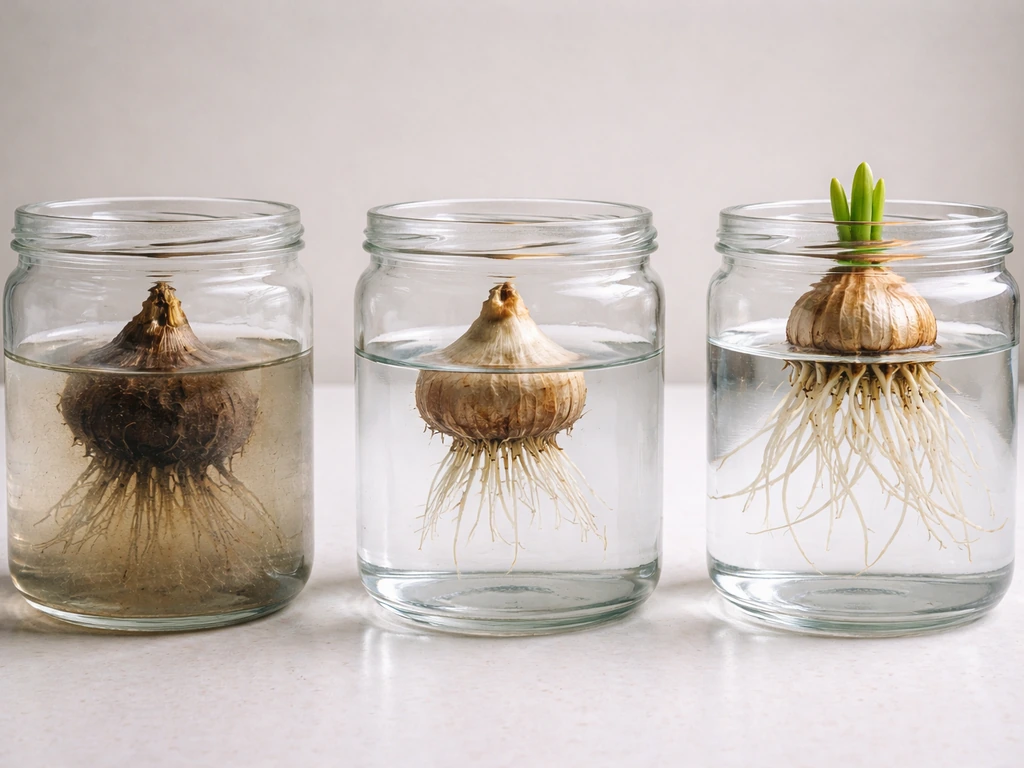
There are three main approaches gardeners use when trying to grow spider lily in water, and they are not equally safe for the plant. Here is how they compare:
| Setup | How it works | Rot risk | Verdict |
|---|---|---|---|
| Fully submerged bulb | Bulb placed entirely under water in a vase or bowl | Very high | Avoid — bulbs rot within weeks |
| Roots-wet, bulb above water | Bulb sits on a narrow-necked vase or mesh platform; roots hang into water but bulb stays dry | Low to moderate | Best option for Lycoris; works well with fresh bulbs |
| Airy medium (perlite, LECA) | Bulb nested in perlite or clay pebbles with a water reservoir below; roots wick moisture upward | Low | Good option; mimics fast-draining soil and allows oxygenation |
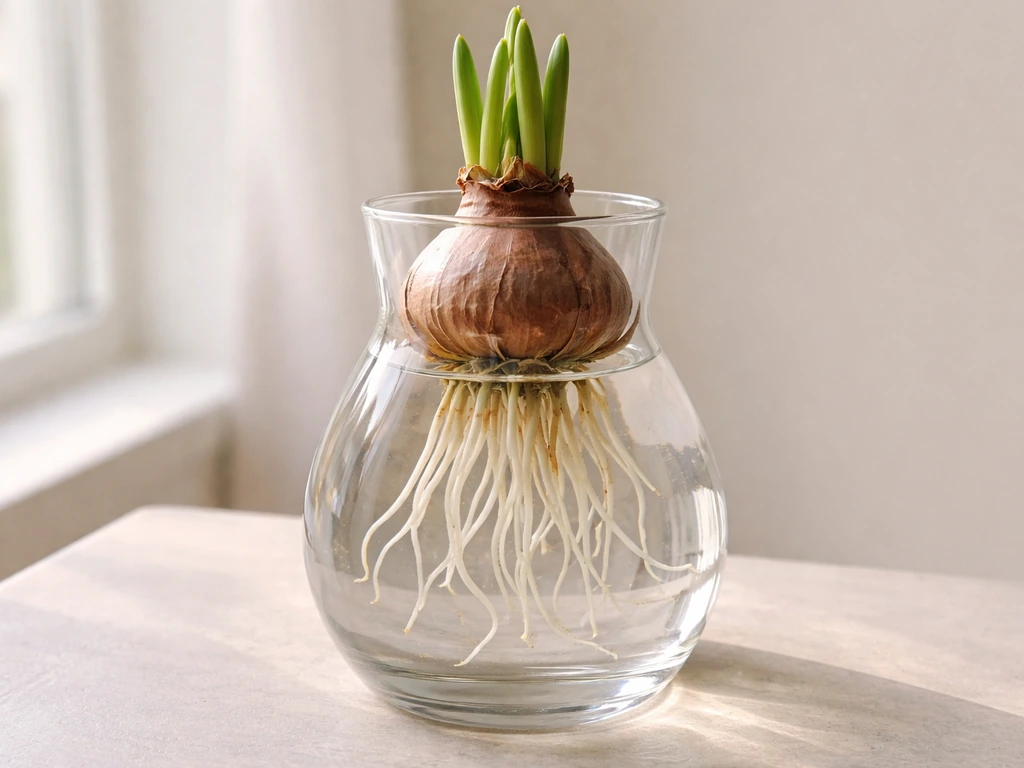
The roots-wet method is the most popular because it requires no special medium and looks great in a clear vase. Pick a vase with a neck narrow enough that the bulb rests on top without dropping in, or use a bulb vase designed exactly for this purpose. Roots should dangle 1 to 2 inches into the water. The airy medium method is more forgiving because the perlite or LECA never holds as much moisture as plain water does, giving the roots oxygen even when the reservoir is full.
Essential conditions to get right
Light
Lycoris in a water setup needs bright indirect light for at least 4 to 6 hours a day. Direct afternoon sun through a window will overheat the water and speed up bacterial growth, which leads to rot. A bright north- or east-facing windowsill, or a spot a few feet back from a south-facing window, works well. Outdoors, partial shade is ideal.
Temperature
Keep the setup between 60 and 75 degrees Fahrenheit. Water that gets warmer than 80 degrees loses oxygen rapidly and becomes a breeding ground for fungus and bacteria. If you are doing this indoors in summer without air conditioning, move the vase to the coolest room in the house.
Water quality and change frequency
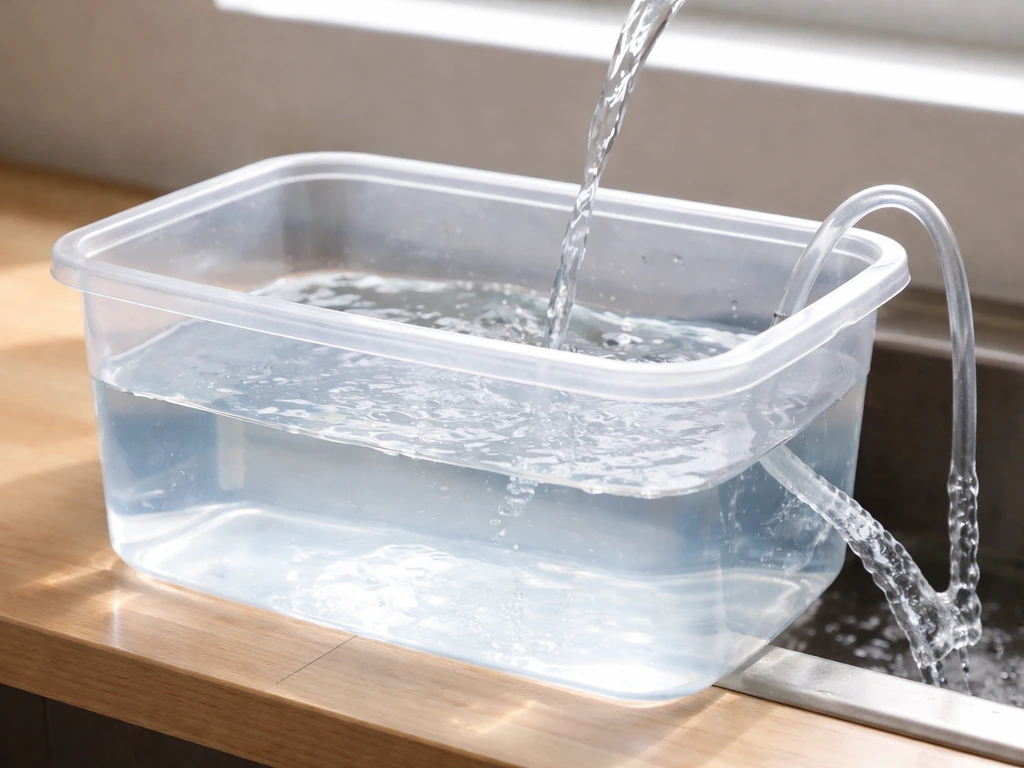
Use room-temperature tap water that has sat out for at least 24 hours (to off-gas chlorine), or use filtered water. Change the water every 3 to 5 days without exception. Stale water goes anoxic quickly, which is the fastest route to bulb rot. Every time you change the water, rinse the vase and any visible roots gently with clean water. Do not use distilled water long-term; it lacks the trace minerals that support healthy root development.
Oxygenation
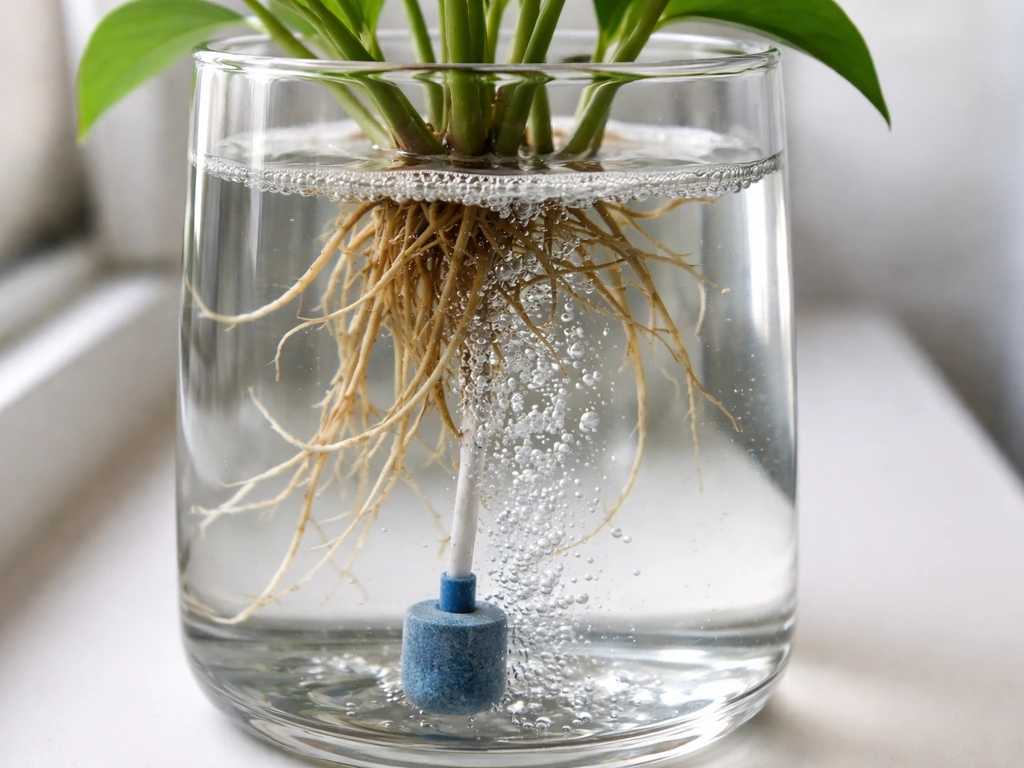
Roots need oxygen just as much as leaves do. In a plain water vase, the water change routine is your primary tool for oxygenation. If you want to go further, adding a few small aquarium air stones connected to a micro pump will keep dissolved oxygen levels higher and dramatically reduce rot risk. This is especially useful if room temperatures run warm.
Container choice
Clear glass vases let you monitor root health and water color without disturbing the plant, which is genuinely useful. Dark-colored containers reduce algae growth in the water. Avoid wide, shallow bowls for the roots-wet method because the bulb will have no support and will likely tip and fall in. If you are using the airy medium method, choose a container with some depth (at least 6 inches) so roots can extend downward into the reservoir.
Try it today: a step-by-step method and care routine
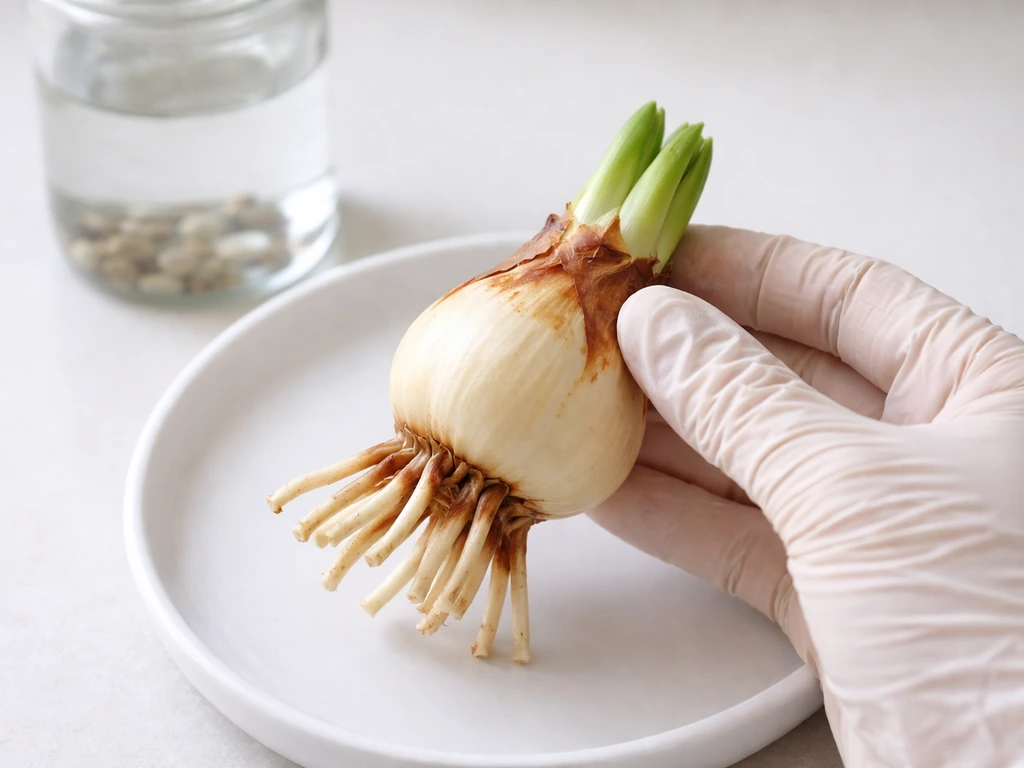
- Start with a firm, fresh Lycoris bulb. Reject any that feel soft, smell musty, or have visible mold.
- Inspect the roots. If any are brown and mushy, trim them off cleanly with sterile scissors. Leave healthy white or tan roots intact.
- Choose your vase: a narrow-necked bulb vase for the roots-wet method, or a 6-inch or deeper container filled with rinsed perlite or LECA for the airy medium method.
- For the roots-wet method: fill the vase so water reaches just the bottom 1 to 2 inches of the roots. The base of the bulb should be at least half an inch above the waterline.
- For the airy medium method: add enough water to the reservoir so it sits 1 inch below the bottom of the medium layer. The perlite or LECA will wick moisture upward to the roots.
- Place the setup in bright indirect light at room temperature. Avoid direct sun on the water.
- Check the water every 2 to 3 days. If it looks cloudy or smells off at all, change it immediately. Otherwise change it on a 3 to 5 day schedule.
- Watch for root growth within 2 to 4 weeks on a fresh bulb. Leaf emergence follows after roots are established.
- Do not fertilize for the first 4 to 6 weeks. Once you see active leaf growth, you can add a half-strength balanced liquid fertilizer (such as 10-10-10 diluted to 50 percent) to the water once a month.
Troubleshooting: rot, fungus, yellow leaves, and no growth
Bulb or root rot (mushy texture, foul smell)
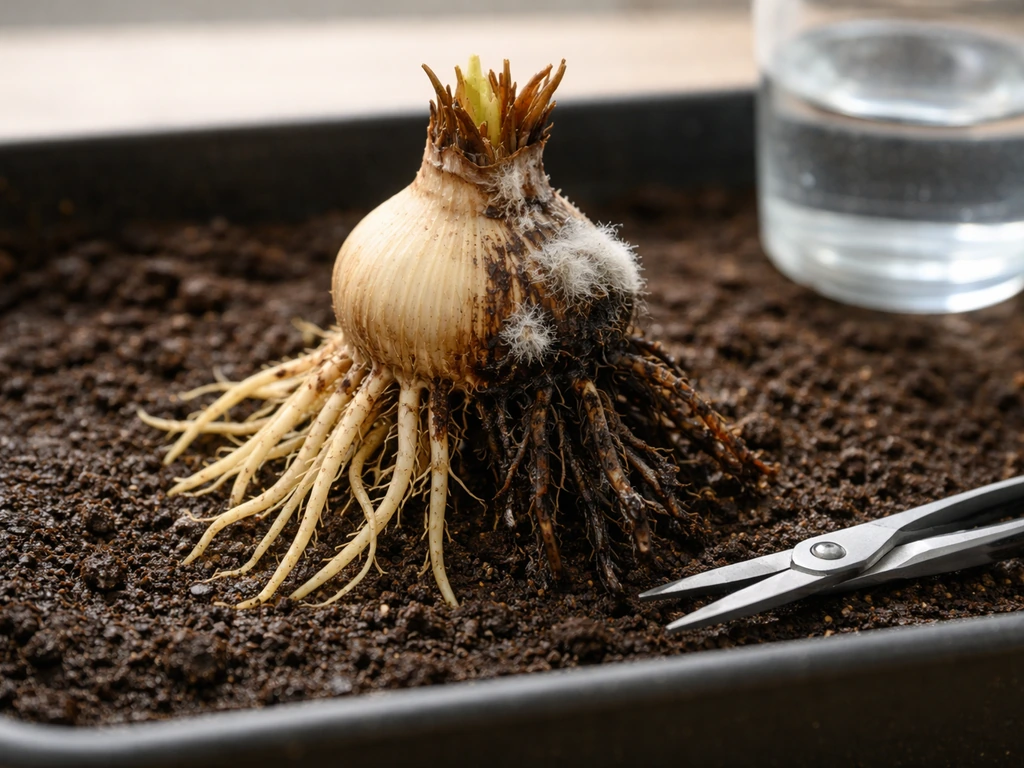
This is the most common failure with Lycoris in water, and it almost always comes down to either the bulb sitting in water or the water not being changed often enough. If you catch it early, remove the bulb, cut away all soft or discolored tissue with sterile scissors, let the cut surfaces air-dry for 24 hours, and restart in fresh water. If more than a third of the bulb is soft, the plant is unlikely to recover.
The North Carolina Extension gardening program specifically flags overwatering and waterlogged conditions as the main cause of root rot in Lycoris radiata, and that applies here whether you are growing in soil or water. North Carolina Extension’s Lycoris radiata plant notes emphasize avoiding waterlogged conditions to prevent bulb and root rot [avoid waterlogged conditions to prevent bulb and root rot](https://plants. ces. ncsu.
edu/plants/lycoris-radiata/).
Fuzzy white or gray mold on the bulb
Fungal growth on the bulb usually means the humidity around the bulb is too high or the bulb is sitting too close to the waterline. Raise the bulb so there is more clearance above the water, improve air circulation around the vase (a small fan nearby on low setting helps), and wipe the affected area gently with a cloth dampened in a very dilute hydrogen peroxide solution (1 part 3-percent hydrogen peroxide to 10 parts water). Then change the water.
Yellow leaves
Some yellowing of the oldest leaves is normal as the plant pushes energy into new growth. Widespread yellowing across all leaves, though, usually means one of three things: too little light, water temperature that is too high, or root damage from rot. Check your light situation first since it is the easiest fix. Move the vase closer to a window or add a grow light. If roots look healthy and light is adequate, check water temperature with a simple aquarium thermometer.
No sprouting after 4 to 6 weeks
Lycoris bulbs have a natural dormancy cycle. If your bulb was recently dug and is in its dormant phase, it may simply not be ready to sprout yet regardless of the setup. Try moving it to a slightly warmer spot (around 70 to 75 degrees F) and make sure it is getting light. If after 8 weeks there is still no root or shoot development and the bulb still feels firm, it is likely deeply dormant and will do better planted in soil where it can complete its natural cycle.
Stunted or very slow growth
Stunted growth after initial sprouting is often a nutrition issue. Plain water has no nutrients. Add a half-strength liquid fertilizer monthly once leaves are actively growing. Also double-check that roots are not sitting in oxygen-depleted water; if the water smells even faintly stagnant, increase your change frequency to every 2 days.
Transitioning spider lily between water and soil
If your water setup is not working or you want to move the plant outside for the season, transitioning from water to soil is straightforward but needs to be done gradually. Water-grown roots are used to constant moisture and low mechanical resistance. Planting them directly into dry garden soil can shock the root system. If you are asking a question like “does Douma grow blue spider lily in his garden” for manga lore, the key takeaway is that species and growing conditions matter, not just the color name does douma grow blue spider lily in his garden manga.
- Prepare a pot with a well-draining mix: two parts potting soil to one part perlite works well for Lycoris.
- Water the soil mix thoroughly before planting so the roots do not hit dry medium.
- Plant the bulb at the same depth it was in the water setup, with the top of the bulb just at or slightly above the soil surface.
- For the first week, keep the soil consistently moist (but not soggy) to ease the transition. Then gradually allow the top inch of soil to dry out between waterings.
- Place the pot in a spot with 4 to 6 hours of bright indirect light to start, then move to its permanent location after two weeks.
Going the other direction, from soil to water, works best in late summer just as the plant is entering its active growth phase. Lift the bulb, gently shake off as much soil as possible, rinse the roots with clean water, inspect for rot, and set up as described in the step-by-step method above. Do not try this during dormancy since the bulb has no metabolic activity to power root adaptation.
When to switch back to soil permanently: if you have tried a water setup for two to three months and the plant is still struggling, soil is almost always the right call for Lycoris. These plants evolved in seasonally dry climates and genuinely prefer well-draining ground over standing water. Water setups are a great short-term display option, especially during the dramatic bare-stalk bloom phase that Lycoris is famous for, but long-term health is better supported in fast-draining soil.
If you are curious about how regional conditions affect spider lily growing overall, regional climate plays a big role in which setups succeed, and that is worth thinking through alongside your water experiment. If you are asking can you grow spider lilies in california, the key will be matching your local seasonality and providing water conditions that avoid rot, which is why the right water setup matters.
If you are wondering whether Douma grows blue spider lily based on what people say on Reddit, you can treat those reports as unverified and focus on the plant's real care needs does douma grow blue spider lily reddit.
FAQ
Can I fully submerge a spider lily bulb in water for faster growth?
Yes, but only as a temporary rooting step. Use the waterline guidance (bulb kept above water) and treat it like the roots-wet method, not a full submersion setup. If you see the bulb developing a translucent or mushy area, stop immediately and switch to a fresh water restart after air-drying the cut surfaces.
Is it okay to use straight tap water in the vase?
Don’t use plain tap water straight from the faucet, even if it looks clear. Chlorine and metals can stress roots, so let water sit 24 hours or use filtered water, then keep a strict 3 to 5 day change schedule (shorter if your room runs warm or the water smells).
What should I do if the water starts smelling bad or looks slimy?
It can, especially in warmer rooms or bright windows. If you notice a slippery film on roots or a sour, stagnant smell, that’s a sign the water has lost oxygen. Increase water changes to every 2 days, reduce light intensity, and consider adding an air stone to raise dissolved oxygen.
Does a shallow vase work as well as a deeper container for spider lily in water?
Prefer it. DEEPER containers with the airy-medium (perlite or LECA) method give roots access to oxygen at the bottom of the reservoir. With a shallow container, roots can sit in lower-oxygen water and rot faster, even if the water is being changed on schedule.
Why does my spider lily get roots but then stays small in water?
If it’s Lycoris (the common spider lily sold in the US), nutrients are usually the limiting factor after initial sprouting because plain water has none. Start half-strength liquid fertilizer only once leaves are actively growing, and avoid feeding while the bulb is still only rooting.
Can I use distilled water to prevent algae and rot?
No, routine distilled water is usually a bad idea long-term. Distilled water lacks minerals that support healthy root development, so if you use it at all, blend it with non-distilled water or plan to switch to filtered or conditioned tap water for the ongoing reservoir.
How do I switch a spider lily from water to soil without shocking it?
Yes, but timing matters. Move the plant gradually by first keeping it in bright conditions with the bulb still supported above water, then shift to soil during active growth (late summer is often easiest). Avoid transitioning during dormancy, when the bulb has little metabolic activity to adjust.
What’s the “point of no return” for bulb rot in a water setup?
Do a quick root check: healthy roots look firm and intact, rot shows as soft or discolored areas. If more than about one-third of the bulb is soft, recovery is unlikely. If rot is limited, remove the soft tissue with sterile scissors, air-dry 24 hours, and restart in fresh water with extra bulb clearance.
Does this advice apply to Hymenocallis spider lily too?
Hymenocallis can handle wetter conditions, but you still should not aim for full-time submersion. If you’re uncertain which “spider lily” you bought, verify by leaves and bloom pattern, then use the more flexible approach only for Hymenocallis, keeping the bulb aerated in either case.
My bulb hasn’t sprouted after several weeks. Should I keep waiting or restart?
Probably not. If after about 8 weeks there is no root or shoot change and the bulb still feels firm, it is likely dormant or deeply dormant. Try slightly warmer conditions (around 70 to 75 F) plus bright light, but if no change follows, soil is usually the better long-term solution.
Next Articles
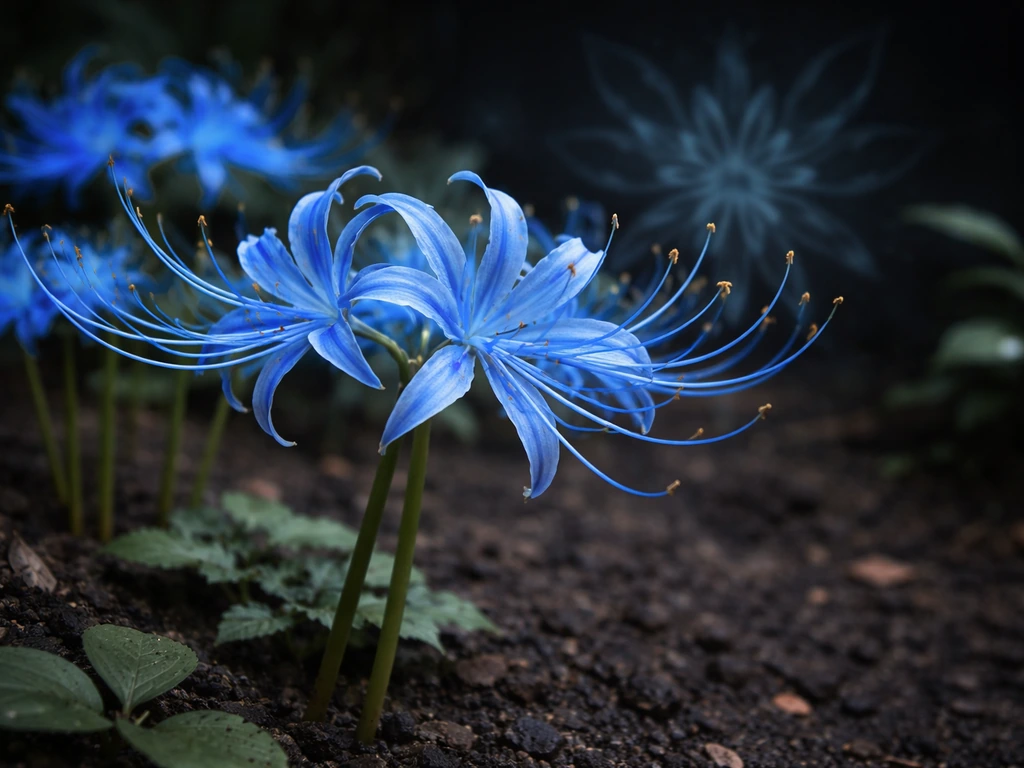
Does Douma Grow Blue Spider Lily? Reddit Answer and Care Tips
Find out if Douma can grow blue spider lily, and get exact care tips to verify and troubleshoot.
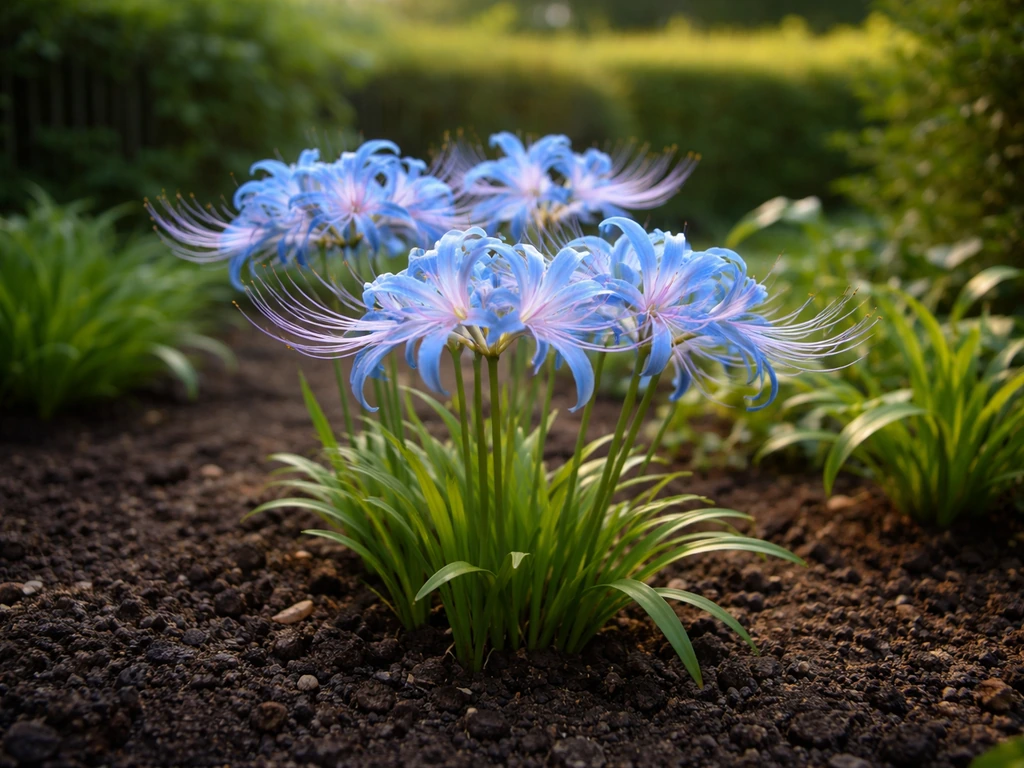
Does Douma Grow Blue Spider Lily in His Garden? Facts
Checks manga canon on Douma and blue spider lily, then gives real spider lily growing care tips
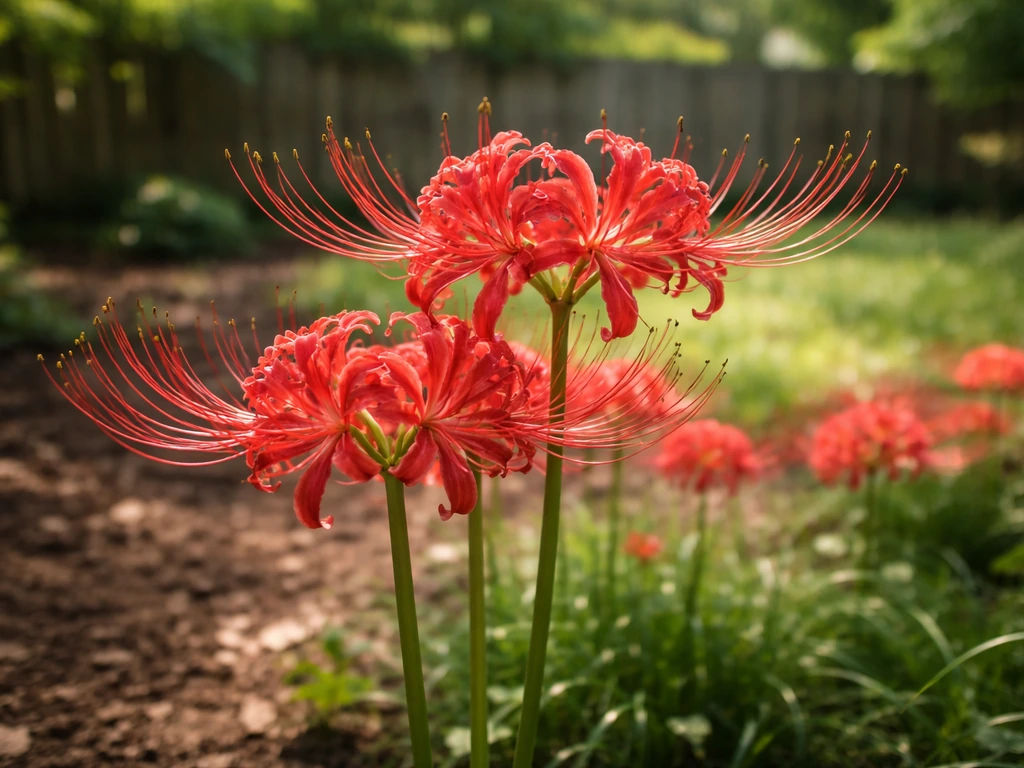
Where Do Red Spider Lilies Grow in the US? Regions, Zones
Find where red spider lilies grow in the US by region and zones, plus climate needs and how to spot or grow them.