
If you searched 'does Douma grow blue spider lily' and landed here expecting gardening advice, here's what you need to know right away: Douma is a character from the anime/manga Demon Slayer, and the blue spider lily in that story is a fictional flower that does not exist in the real world. There is no cultivar, bulb, or nursery plant called 'Douma' that grows a blue spider lily. That said, there IS a real plant commonly marketed as the 'Electric Blue Spider Lily,' and it's worth every bit of the hype. That plant is Lycoris sprengeri, and this guide will show you exactly how to grow it successfully at home.
Does Douma Grow Blue Spider Lily? Reddit Answer and Care Tips
Marcus Hendricks
13 May 2026
What 'Douma' and 'blue spider lily' actually are
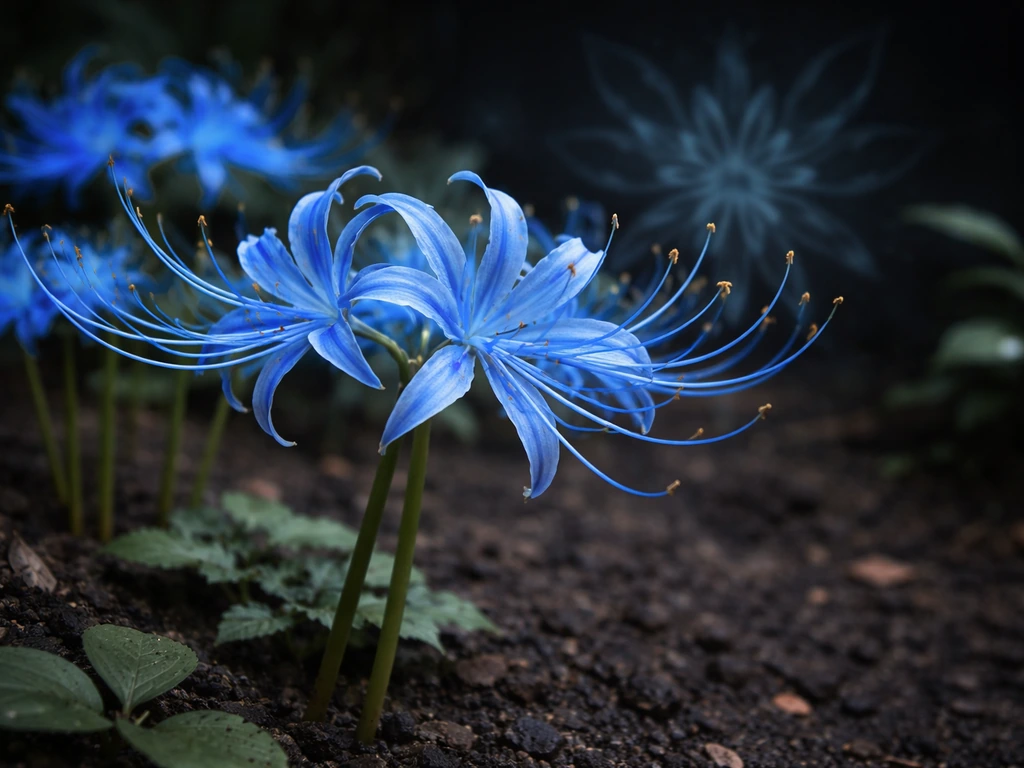
Douma (also spelled Doma) is an Upper Moon demon in Demon Slayer: Kimetsu no Yaiba. In the fandom, there's a popular theory that he grows or cultivates the blue spider lily, which is the key MacGuffin in the story. Reddit threads in communities like r/KimetsuNoYaiba go back and forth on this theory constantly, with most commenters concluding it's either trolling or wishful plot speculation. The blue spider lily depicted in Demon Slayer doesn't match any real flower's morphology, and multiple Reddit users have pointed out that it was intentionally designed as a fantasy plant that never existed in nature.
The real-world plant that comes closest to the blue spider lily idea is Lycoris sprengeri, sometimes sold as the 'Electric Blue Spider Lily' or 'Electric Blue Surprise Lily.' It's a genuine bulb you can buy from reputable nurseries like Holland Bulb Farms and Van Zyverden. The flowers are striking: spider-like petals with pink and blue-tipped stamens that create a genuinely electric look. It's not the pure blue of the anime, but it's the closest thing nature has produced, and it's a spectacular garden plant in its own right.
Can the Douma–blue spider lily pairing work? Realistic expectations
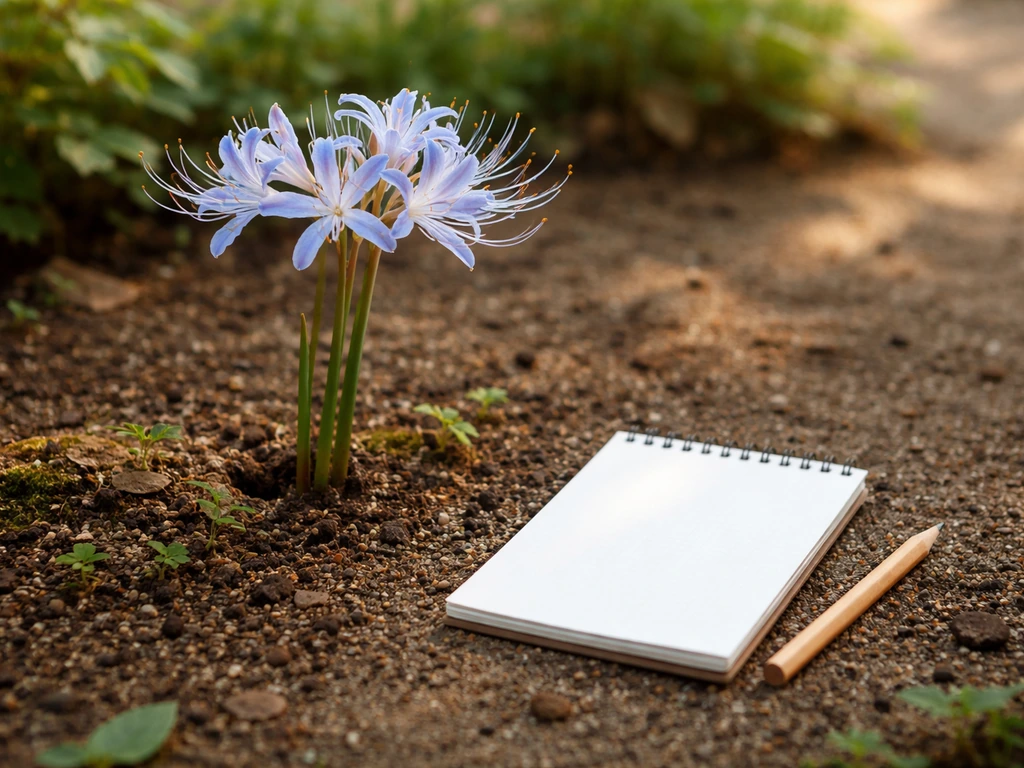
Since there's no plant called 'Douma' in horticulture, there's no pairing to evaluate from a cultivar standpoint. What I can tell you is whether Lycoris sprengeri will grow in your garden, and the honest answer is: probably yes, if you're in the right zone and you don't repeat the mistakes most beginners make. If you're asking specifically about California, focus on good drainage and protecting the bulbs from staying wet during summer dormancy Lycoris sprengeri will grow in your garden. This plant is blank" rel="noopener noreferrer">winter hardy to USDA Zones 6 through 10 according to the Missouri Botanical Garden, which covers a huge portion of the US. If you want to narrow it down by your exact location, Lycoris sprengeri is hardy in USDA Zones 6 through 10 across much of the US. If you're outside that range, container growing is your best option.
The bigger challenge isn't climate, it's expectations. Lycoris sprengeri has a quirky life cycle where the flower stalks emerge from bare ground in late summer with zero foliage around them, and then leaves appear later in fall and die back in spring. Most new growers panic and think nothing is happening, or they accidentally damage the bulbs during summer dormancy by digging where they planted them. If you can commit to patience and resist disturbing the planting area, this plant is genuinely easy.
Light and temperature requirements
Lycoris sprengeri wants full sun to partial shade. In practice, that means at least 6 hours of direct sun per day for the best flowering, though it tolerates light shade reasonably well. The Chicago Botanic Garden's plant finder lists it as a full sun to light shade performer. In hotter climates, a bit of afternoon shade actually helps the blooms last longer without browning.
Temperature-wise, the plant handles winters down to Zone 6 (roughly -10°F) without mulching in most cases, though a light layer of straw or leaves doesn't hurt in borderline zones. Summers are actually a dormancy period for this plant, so heat is not really a concern for the bulb itself. It's the soil moisture during summer dormancy that matters more than temperature. The bulb wants to be warm and dry while it's sleeping underground.
Water, soil, and drainage: ground vs. pot
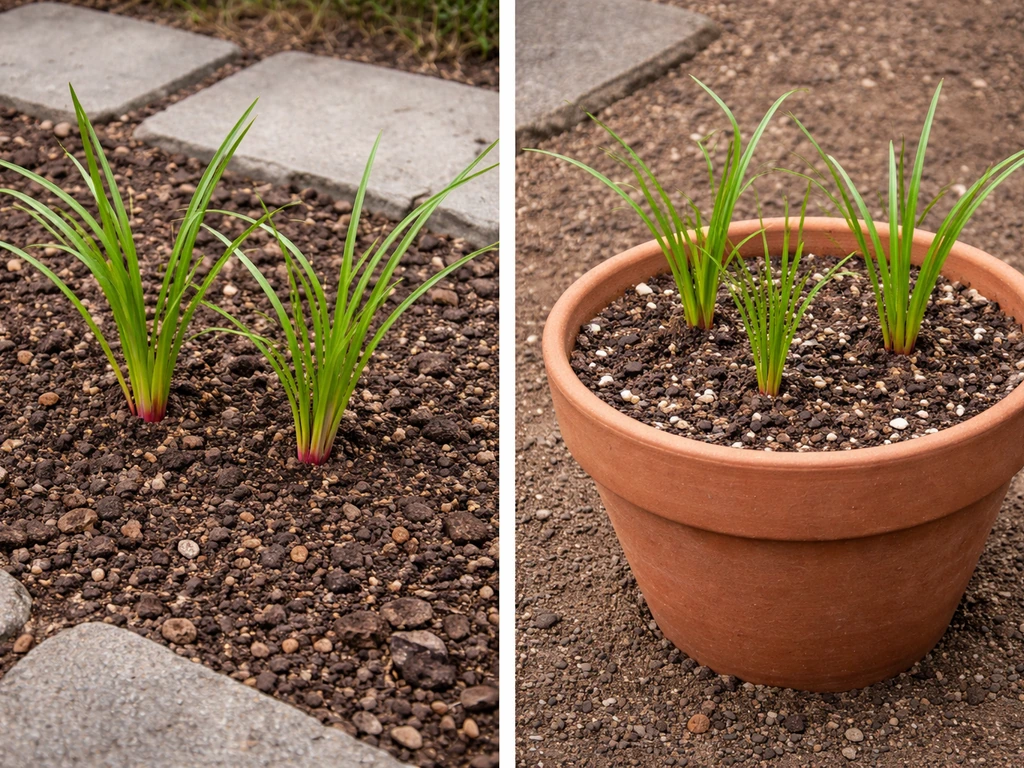
Soil drainage is the single most important factor for Lycoris sprengeri. Some spider lily varieties are grown hydroponically, but for Lycoris sprengeri the key is still keeping the bulb dry during summer dormancy rather than letting it sit in water spider lily grow in water. The Chicago Botanic Garden is explicit about this: rich, well-drained soil is non-negotiable. Bulbs sitting in wet soil during summer dormancy will rot. If your garden has clay-heavy soil that holds water, amend it heavily with coarse sand and compost, or just grow in containers where you control drainage completely.
Growing in the ground
Choose a spot that naturally stays on the drier side in summer, such as under a roof overhang or in a raised bed. Water regularly during the foliage period in fall and winter, but once leaves die back in spring, pull back on irrigation significantly. A University of California Master Gardener newsletter specifically recommends a sunny site that stays dry during summer dormancy, which is exactly right.
Growing in a pot
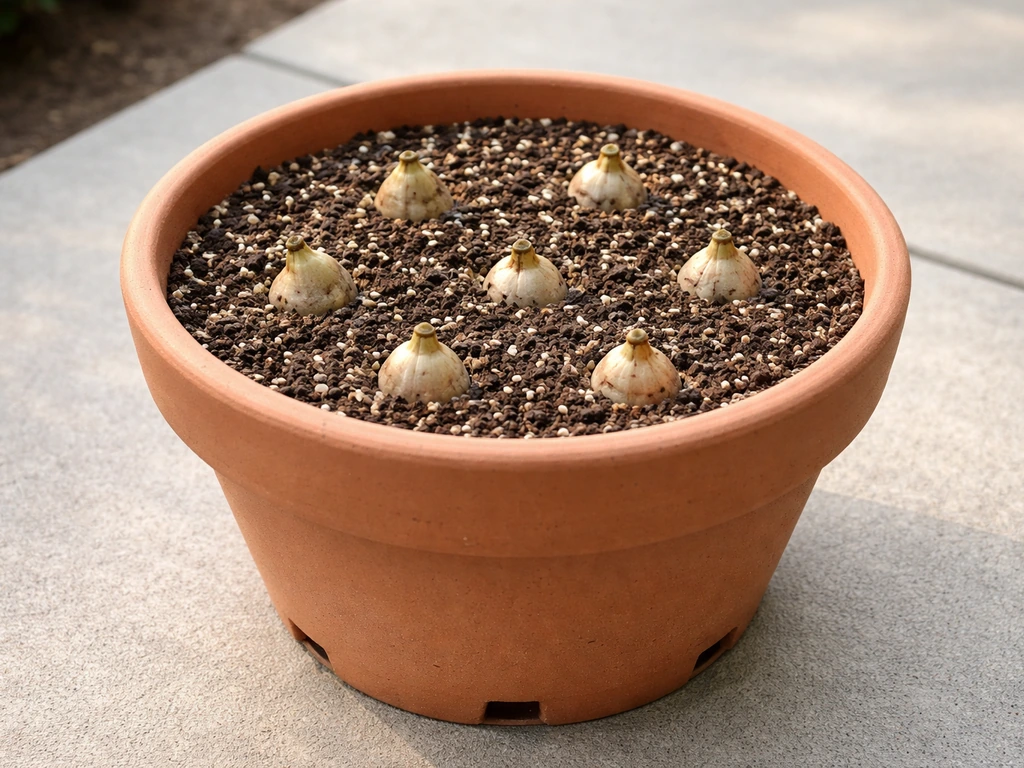
Container growing works well for colder zones or gardeners who want more control. Use a fast-draining potting mix with extra perlite or grit mixed in. Make sure the pot has at least one large drainage hole. Van Zyverden recommends planting the bulb at a depth of three times the width of the bulb when growing in containers. Water well after planting, then let the soil dry significantly between waterings during the dormant summer period. You can move the pot to a dry, sheltered spot during summer dormancy to prevent accidental overwatering from rain.
Planting timing, depth, and the weird dormancy cycle
Plant Lycoris sprengeri bulbs in fall. This is when the bulbs are typically available from nurseries and when the plant naturally begins its active growth phase coming into cooler weather. Holland Bulb Farms gives a clear depth guideline for ground planting: bury the bulb so roughly the top quarter inch of the bulb is at or just above the soil level. This shallow planting is intentional and different from many other bulbs you might be used to. Don't plant it like a tulip bulb several inches deep.
Here's the life cycle you need to understand to avoid unnecessary panic. After you plant in fall, foliage appears and grows through winter and into spring. Then the leaves die back completely in late spring. The ground looks empty all summer, and you might think the bulb died or nothing is happening. Scientific research confirms this summer dormancy is a fixed biological period, not a sign of failure. HortScience notes that Lycoris dormancy and phenology are tied to developmental stages, which can help explain failures when dormancy timing is misunderstood. In late summer to early fall, leafless flower stalks shoot up seemingly out of nowhere and bloom. After blooming, foliage re-emerges. If you dig up the bed in July looking for signs of life, you'll damage the bulb right before it was about to flower.
| Season | What You See | What You Do |
|---|---|---|
| Fall (planting time) | Plant bulb, foliage begins to emerge | Plant at correct depth, water in well |
| Winter | Active green foliage | Water regularly, fertilize lightly |
| Spring | Foliage yellows and dies back | Reduce watering, do not disturb |
| Summer | Bare ground, nothing visible | Keep soil dry, do NOT dig |
| Late summer / early fall | Leafless flower stalk appears and blooms | Enjoy the show, water lightly |
| Fall (repeat) | New foliage re-emerges after bloom | Resume regular watering cycle |
Why it won't grow: common Reddit-style mistakes
A huge number of frustrated gardeners online make the same handful of mistakes with Lycoris. Here are the ones that come up over and over, and how to fix them.
- Digging during summer dormancy: The ground looks bare in summer and people assume the bulb is dead or never established. They dig, they find a bulb that looks okay, and they replant it somewhere else. This resets the clock and often prevents blooming that year. Mark your planting spots clearly and leave them alone from spring through late summer.
- Overwatering in summer: Wet soil during dormancy is the fastest way to rot the bulb. Lycoris wants dry conditions when it's not actively growing. If you're getting a lot of summer rain, raised beds or containers are a better choice.
- Planting too deep: Unlike daffodils or tulips, Lycoris sprengeri wants to be planted shallow, with just the top of the bulb at or near the soil surface. Too deep and flowering is inconsistent or absent entirely.
- Expecting blue flowers: If you bought bulbs marketed as 'Electric Blue Spider Lily' expecting solid blue blooms, you may be disappointed. The blue is in the tips of the stamens and a faint blue-pink flush on petals. It's beautiful but subtle. The Demon Slayer version is a fantasy design.
- Moving the bulbs too often: Lycoris sprengeri, like its red cousin (Lycoris radiata), blooms most reliably when left undisturbed for multiple years. First-year plants often don't bloom at all. Give them two to three seasons before judging.
- Confusing it with other spider lilies: The red spider lily (Lycoris radiata) is far more common in gardens and has different care timing. Make sure you know which species you have by checking labels, packaging, or bulb shape before following any specific care guide.
How to verify the plant you actually have
Before assuming your plant is Lycoris sprengeri, check the label or receipt if you still have it. Bulbs sold as 'Electric Blue Spider Lily' or 'Electric Blue Surprise Lily' are Lycoris sprengeri. If you inherited bulbs from someone else or bought them at a plant swap without labeling, look at the bulb itself: Lycoris bulbs are medium-sized, teardrop-shaped, brownish papery-skinned bulbs that look similar to daffodil bulbs but slightly smaller. The Pacific Bulb Society notes that the blue coloration in sprengeri can vary noticeably between individual plants and even in different photos, so color alone isn't a reliable ID tool.
If you're seeing foliage that looks like wide, strap-like leaves and you're in a warm climate with year-round moisture, you might actually have a Crinum lily, which is sometimes called spider lily in casual usage. The care for Crinum is quite different, and it doesn't have the same dormancy behavior. If you're curious about spider lily varieties that do better in water, or whether your climate in California supports these plants, those are related questions worth exploring separately.
Your checklist and next steps for today
If you're ready to actually grow the blue spider lily (Lycoris sprengeri) at home, here's what to do right now depending on where you are in the calendar. Today is May 2026, which means you're in the transition between foliage die-back and summer dormancy in most of the US. This is actually a useful moment: if you already have bulbs in the ground, this is the time to stop watering and leave them alone. If you don't have any yet, start planning for a fall planting.
- Confirm your USDA hardiness zone. Zones 6 through 10 are suitable for in-ground planting. Zones 4 and 5 can work with containers brought indoors for winter.
- If you already have bulbs in the ground: mark the spot clearly with a stake or label so you don't accidentally disturb them this summer. Stop supplemental watering now.
- If you're buying bulbs: place an order with a reputable bulb nursery for fall delivery. Look for 'Lycoris sprengeri' or 'Electric Blue Spider Lily' specifically.
- Choose your planting site now: pick a spot with at least 6 hours of sun and naturally good drainage. If drainage is questionable, plan to amend with coarse sand or build a small raised bed.
- If growing in a container: select a pot at least 10 inches wide with drainage holes, and prepare a fast-draining mix of potting soil plus 30 percent perlite.
- Set a calendar reminder for late August: this is when flower stalks typically emerge. You want to be watching and not accidentally disturb the soil right before the big show.
- Commit to leaving the bulbs undisturbed for at least two to three seasons. First-year plants rarely bloom. Don't give up before year two.
The bottom line: Douma from Demon Slayer doesn't actually grow blue spider lilies because neither Douma nor the blue spider lily in that story are real. But Lycoris sprengeri is real, it's available, and it's genuinely worth growing. The main things standing between most gardeners and success are planting depth, summer dormancy patience, and drainage. Nail those three things and you'll have one of the most unexpectedly dramatic late-summer blooms in your garden.
FAQ
If I search “Douma” and find a bulb online, how do I know it is actually the Electric Blue Spider Lily?
You probably can, but you need the real plant name on your purchase. Many sellers use “Electric Blue Spider Lily” for Lycoris sprengeri. If the listing says “Douma” or shows the exact Demon Slayer flower, treat it as a novelty item, not a living bulb cultivar.
Does Lycoris sprengeri grow in California, and what are the most common failure causes there?
In California, the biggest risk is not winter cold, it is summer wetness (especially clay soils and sprinklers). Choose a spot that stays dry once leaves die back, stop irrigation in late spring, and consider a raised bed or container if your yard holds water after rain.
Should I keep watering after the leaves die back, during the empty summer months?
No, do not water on a schedule during summer dormancy. The plant wants warm, dry conditions underground after the leaves die in late spring. If you keep the soil consistently moist during that empty-looking period, rot becomes the main issue.
If I live outside the recommended zones, can I grow it in a container year-round?
Yes, in colder areas it is often the safest choice, but you must still mimic the summer dormancy conditions. Use a fast-draining mix, keep the pot somewhere sheltered and dry in summer, and only water enough during the active growth months to keep the soil from drying out completely.
What happens if I dig up the bed early to “check” the bulbs, and can I recover from it?
If you accidentally dug too early in July, you may delay or reduce blooming next year. The best fix is to leave the bulbs undisturbed now, stop watering as foliage finishes dying back, and focus on preventing wet soil during dormancy. Replanting the same year is usually not helpful.
My bulbs look less blue than photos online. Does that mean I got the wrong plant?
That can happen because Lycoris sprengeri color varies. The “blue” effect is often influenced by lighting and the individual plant, so don’t judge identity by petal or stamen color alone. If the bulb looks like a small teardrop-shaped brown, papery bulb, and the label says Lycoris sprengeri, it is likely correct.
How can I tell Lycoris sprengeri apart from other plants sold as spider lily, like Crinum?
Often it is a different “spider lily” species, commonly Crinum. Crinum typically does not follow the same late-summer leafless flower stalk pattern and it generally behaves differently with dormancy. Check whether your plant goes fully dormant with a months-long foliage-free period.
Why do some bulbs fail, even when I planted in fall, and what depth should I use?
Plant depth is important because Lycoris bulbs are shallow compared with many spring bulbs. A practical rule is to aim for about the top quarter inch of the bulb at or slightly above soil level, then avoid disturbing the bed during dormancy.
Next Articles
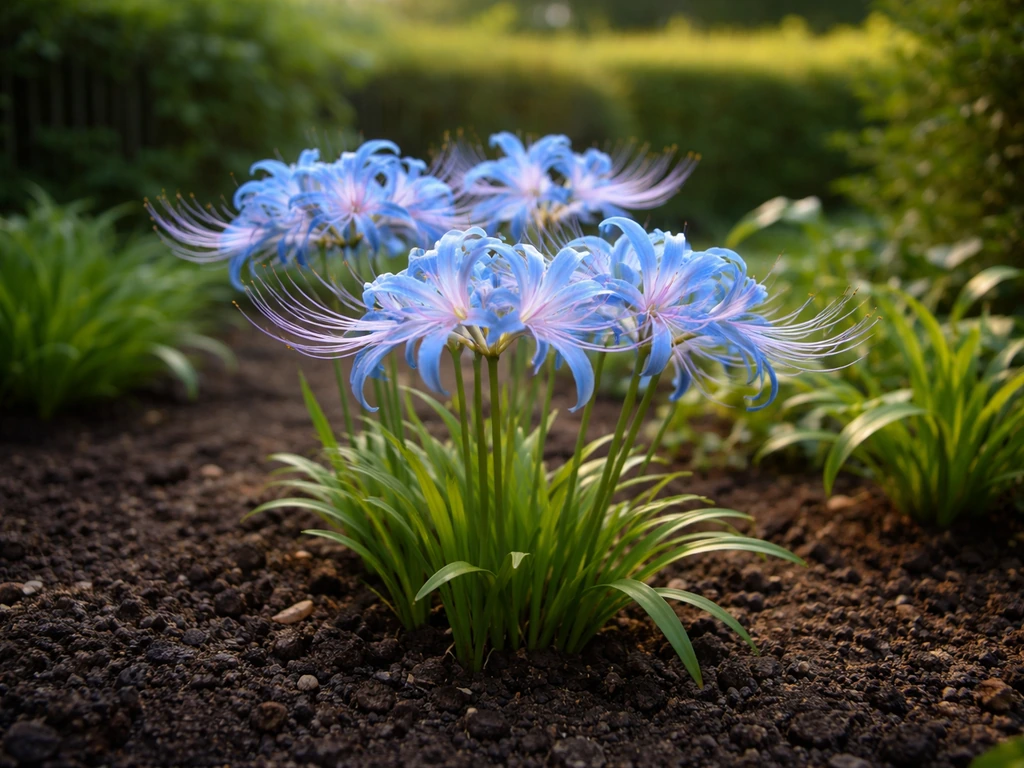
Does Douma Grow Blue Spider Lily in His Garden? Facts
Checks manga canon on Douma and blue spider lily, then gives real spider lily growing care tips
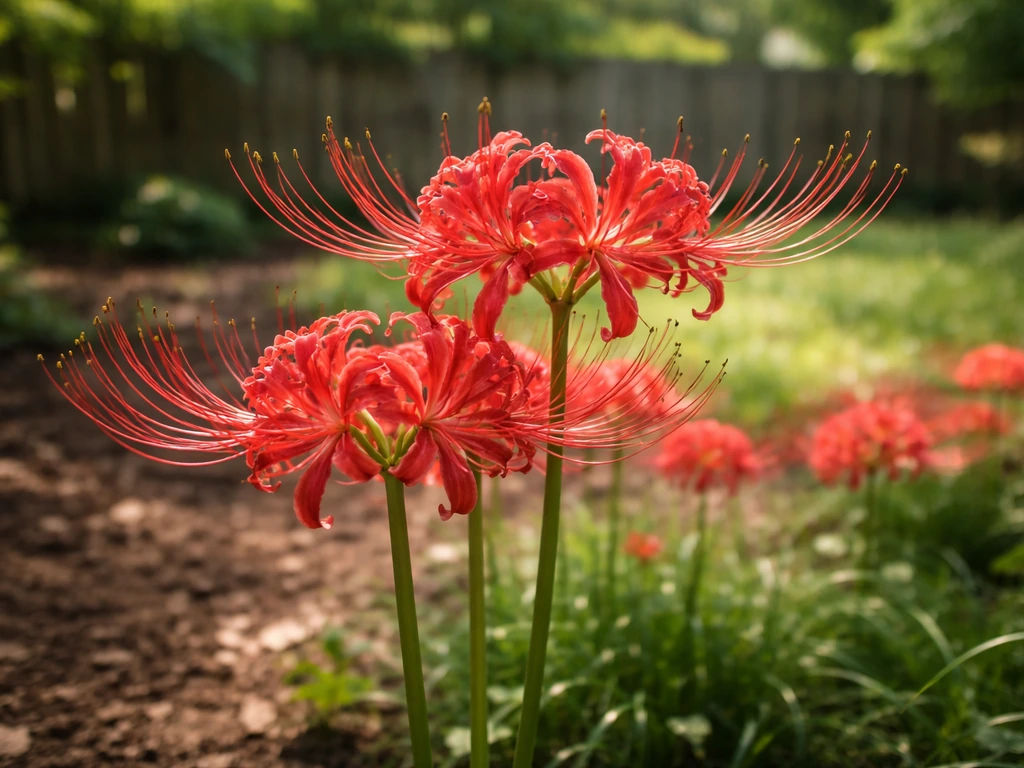
Where Do Red Spider Lilies Grow in the US? Regions, Zones
Find where red spider lilies grow in the US by region and zones, plus climate needs and how to spot or grow them.
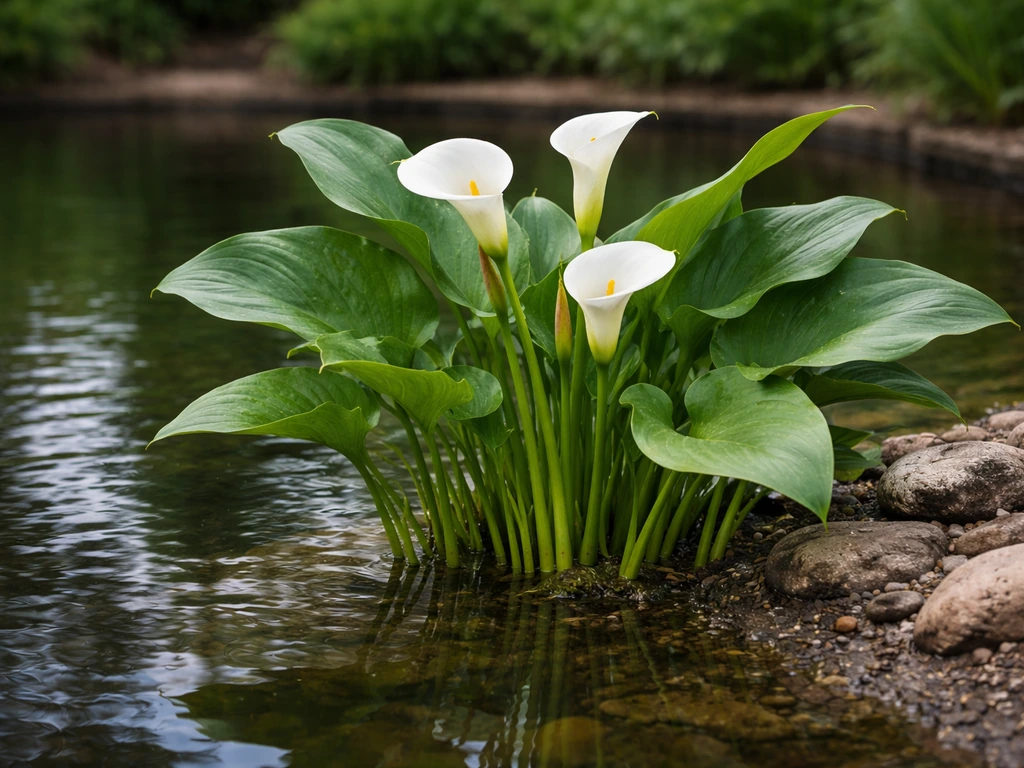
Can Calla Lilies Grow in Ponds? How to Set Up Successfully
Yes, with the right setup: water depth, substrate, anchoring, light, and overwinter care for pond or marginal calla lili