
Water lilies are freshwater plants, and true saltwater will kill them. That said, a narrow window exists where certain species can survive very low salinity, what ecologists call 'slightly brackish' conditions, but we're talking about carefully managed, near-fresh water, not anything close to seawater or coastal saltwater. In general, sustained exposure to brackish water will generally lead to stress and eventual death, though tolerance varies by species. If your water source is legitimately salty, you'll need a different plant. If it's just mildly brackish or you're dealing with incidental salt exposure, there may be a workable path forward, and this guide walks you through exactly how to assess and handle it.
Can Water Lilies Grow in Saltwater? Species and Setup Guide
Marcus Hendricks
17 May 2026
Saltwater vs. freshwater: what water lilies actually need
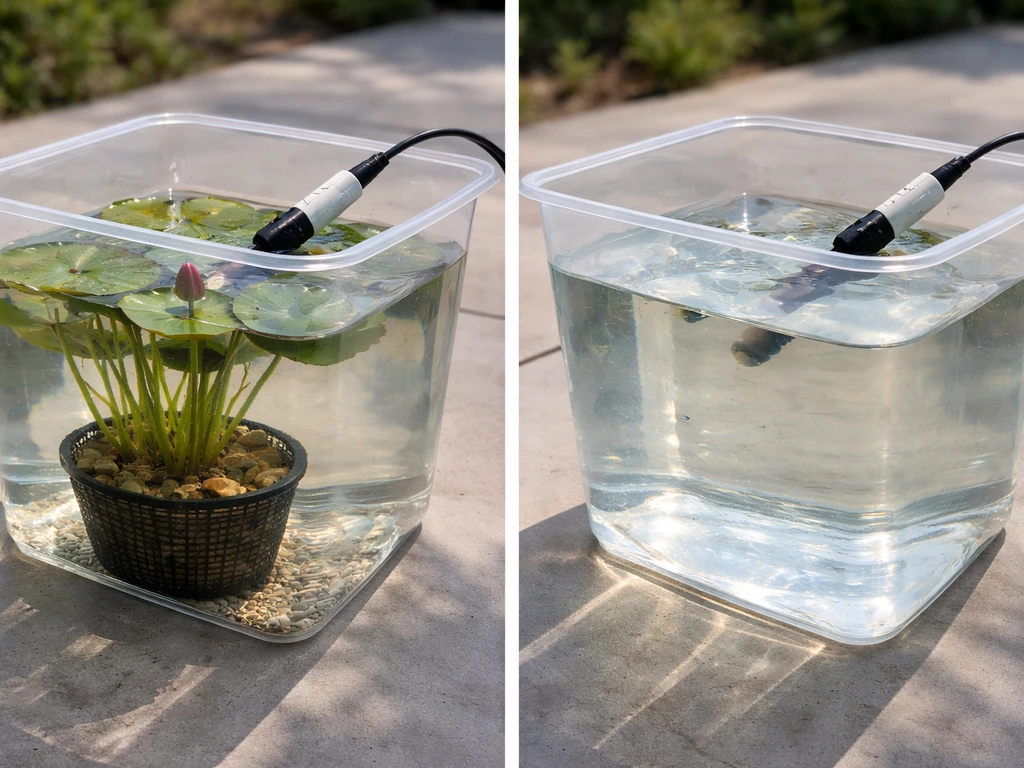
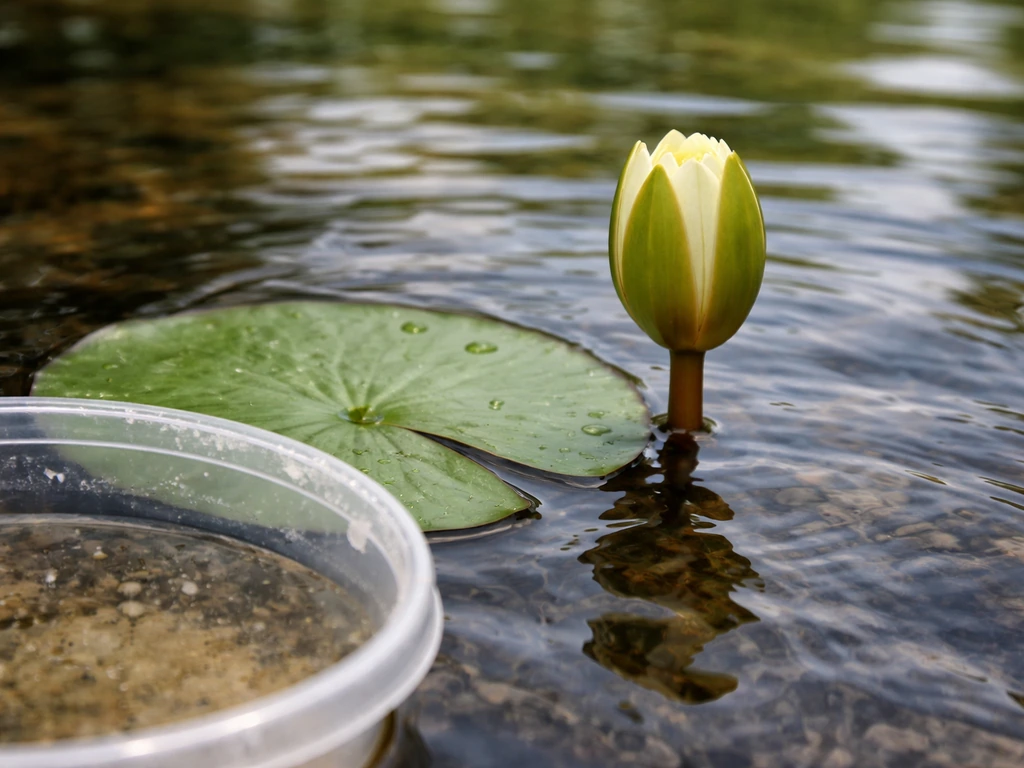
Here's the honest answer: no water lily species thrives in saltwater. Nymphaea, the genus that includes all the water lilies home gardeners grow, evolved in freshwater ponds, lakes, and slow-moving rivers. Their roots, rhizomes, and leaf systems are built around absorbing fresh water. When sodium chloride concentrations climb too high, osmotic stress sets in, meaning the plant can no longer pull water into its cells efficiently, and it essentially starts to dehydrate from the inside out, even while sitting in water.
The distinction that matters most for gardeners is the difference between true saltwater, brackish water, and slightly brackish water. True saltwater (like the ocean) sits around 35,000 ppm (parts per million) salinity, or roughly 35 g/L. Brackish water typically ranges from about 500 to 30,000 ppm. 'Slightly brackish' is usually considered under 1,000 ppm, or an electrical conductivity (EC) of around 1.5 mS/cm or less. Water lilies, if any can handle anything at all, are only in that last category, and even then, only barely and with caveats.
Which water lilies can handle low-salinity or brackish conditions
If you're dealing with slightly brackish water and want to push the limits, one species stands out as the most realistic candidate: Nymphaea odorata, the American white water lily. USGS habitat data places it in 'fresh to slightly brackish' ponds, lakes, and sluggish streams, making it arguably the most salt-adjacent of the common water lilies. It naturally colonizes organic substrates like clay, peat, and loam in low-energy water bodies, which is exactly the kind of environment where slight salinity fluctuations can occur near coastal margins.
But here's the catch: even N. odorata has real limits. The Florida Native Plant Society explicitly lists it as 'not salt tolerant of inundation by salty or brackish water,' which contradicts the USGS habitat description and reflects just how site-dependent and cultivar-dependent salt tolerance really is. The practical takeaway is that N.
odorata might survive occasional, incidental exposure to very low salinity, but it should not be treated as a brackish water plant. Controlled research on Nymphaea 'Colorado' (a popular hybrid cultivar) found visible stress symptoms at just 50 mM NaCl, which is roughly 2,900 ppm, a level well within what many people would call 'mildly brackish. Controlled research on Nymphaea 'Colorado' found [visible stress symptoms at just 50 mM NaCl](https://www. mdpi.
com/1422-0067/24/6/5605), with severity increasing at higher concentrations. ' Symptoms worsened progressively at 100, 150, and 200 mM. That's not a lot of tolerance before things start going wrong.
| Species / Cultivar | Salt Tolerance Level | Notes |
|---|---|---|
| Nymphaea odorata (American white water lily) | Slightly brackish (under ~500 ppm) | Most field-documented tolerance; still officially listed as not salt tolerant by some sources |
| Nymphaea 'Colorado' (hybrid) | Very low; stress at ~2,900 ppm (50 mM NaCl) | Lab data shows physiological stress begins quickly |
| Tropical water lilies (various Nymphaea hybrids) | Freshwater only | No meaningful salt tolerance; among the most sensitive |
| Hardy water lilies (most garden Nymphaea) | Freshwater only | Standard garden varieties should not be exposed to any meaningful salinity |
The bottom line on species selection: if you have a salinity problem, N. odorata gives you the most realistic shot, but only at the very low end of the salinity scale. For anything above slightly brackish, no water lily variety is a viable choice.
Test your water before you plant anything
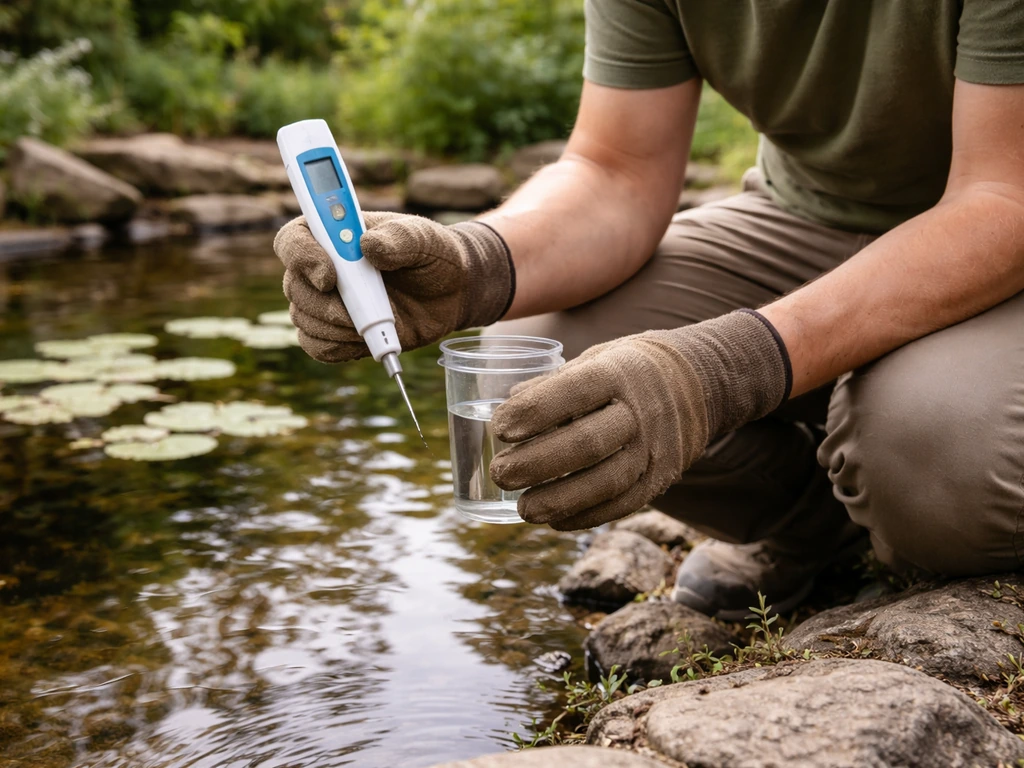
Don't guess at your water's salinity. I've seen gardeners assume their pond water was 'mostly fresh' because it wasn't visibly salty, and then lose every plant in it. Testing takes five minutes and saves you a lot of heartbreak.
What to measure and how
The two most useful measurements for lily growers are electrical conductivity (EC) and total dissolved solids (TDS). EC is expressed in millisiemens per centimeter (mS/cm) and gives you a fast, accurate read on how much dissolved salt and mineral content is in the water. TDS is expressed in ppm and is closely related. A basic EC/TDS pen meter costs around $10 to $20 online and is worth having on hand for any water garden.
- Buy a digital EC/TDS pen meter (look for one that measures both EC in mS/cm and TDS in ppm).
- Collect a water sample from your pond, container, or water source. Take it from the middle depth, not the surface or bottom, for the most representative reading.
- Rinse the meter probe with distilled water, then submerge it in your sample for 30 seconds.
- Read the EC value. Pure freshwater is typically under 0.5 mS/cm. Water safe for most water lilies should stay under 1.0 mS/cm (roughly 500–700 ppm TDS). Slightly brackish starts around 1.5 mS/cm (about 750–1,000 ppm).
- If you're near a coastal area or have had salt-based fertilizers or road runoff near your pond, also test after rain events, since salinity can shift significantly.
- For a second opinion, a basic aquarium salinity refractometer (under $15) can confirm readings, though EC meters are more accurate at low salinity levels relevant to freshwater plants.
If your EC reads consistently above 1.5 mS/cm, even N. odorata is unlikely to do well long-term. At or below 0.8 to 1.0 mS/cm, you're in territory where careful management might work. Keep records of your readings across different weather conditions and seasons before committing to planting.
Setting up your pond or container for low-salinity conditions
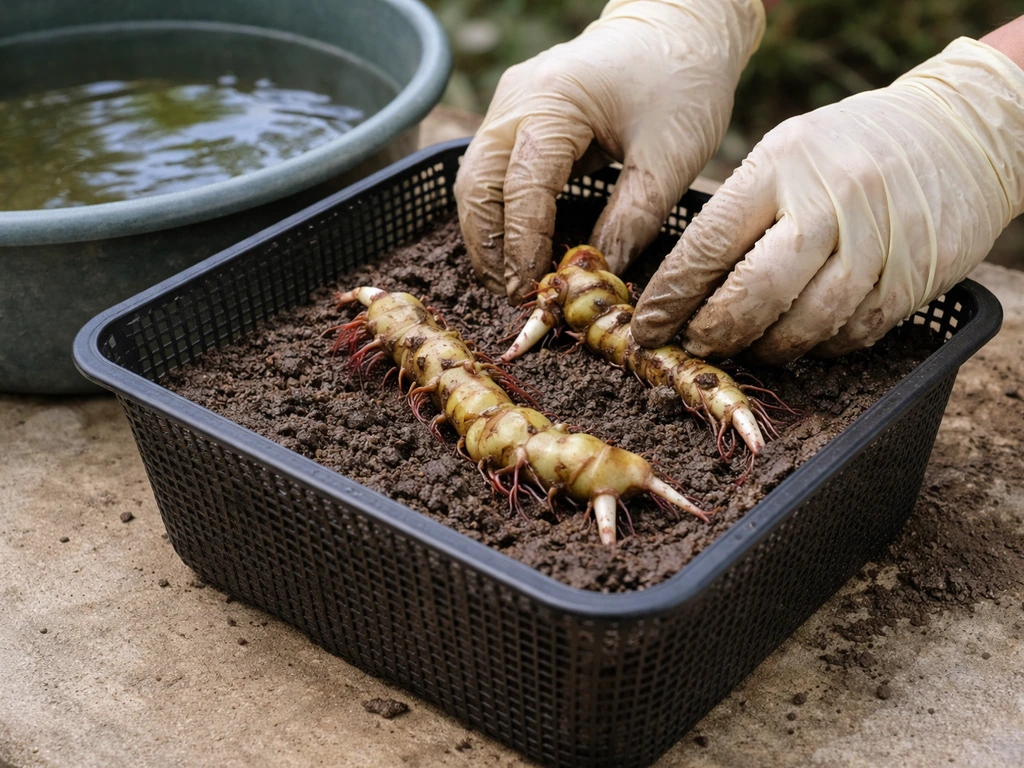
Whether you're working with a backyard pond or a container water garden, the setup principles for managing low-level salinity are the same: give the plant the best possible growing environment to offset the stress it's already under. Think of it as reducing every other variable you can control.
Substrate and soil
Water lilies need a heavy, nutrient-rich substrate to anchor their rhizomes. Use a planting container (a mesh aquatic basket works well) filled with heavy clay loam or a purpose-made aquatic planting mix. Avoid regular potting soil, which floats and clouds the water, and avoid anything with added perlite or vermiculite. Peat-based mixes are okay in small amounts and actually mirror the kind of organic substrates N. odorata naturally grows in. Top-dress with a thin layer of coarse gravel or pea gravel to keep soil in place and limit sediment disturbance. Fertilizer tablets specifically formulated for aquatic plants can be pushed into the substrate at planting time and every 3 to 4 weeks during the growing season.
Water depth
Most hardy water lilies do well with the crown (the growing point) sitting 12 to 18 inches below the water surface. Tropical varieties can handle shallower placement, around 6 to 12 inches deep. In a salinity-stressed situation, slightly deeper placement can help buffer the plant from surface-level salinity fluctuations, since evaporation concentrates salts at the surface over time. Don't go deeper than 24 inches, though, as lilies need light to reach their leaves.
Filtration and water management
In a container or small pond with any salinity concern, regular partial water changes are your most powerful tool. Replacing 20 to 25 percent of the water with confirmed low-salinity fresh water every one to two weeks dilutes accumulated salts and prevents concentration creep from evaporation. A basic submersible pump with a sponge pre-filter helps maintain circulation and oxygenation without disturbing the substrate.
Avoid aggressive biological filtration systems designed for fish tanks in very small containers, as they can alter water chemistry in ways that interact poorly with already-stressed plants. For ponds, a slow-drip freshwater top-off system connected to a rain barrel or municipal supply (let tap water sit out for 24 hours to off-gas chlorine) is a practical way to keep salinity from creeping up between rain events.
Buffering salt stress
There's no magic additive that neutralizes salt for water lilies. What you can do is make sure the rest of the water chemistry is as favorable as possible. Aim for a pH between 6.5 and 7.5, which is the sweet spot for nutrient availability in water lilies. Check pH with a basic test kit or digital pH pen, and adjust with small amounts of baking soda (raises pH) or a proprietary pH-down product if needed. Good water quality means less compounding stress on top of whatever salinity burden already exists.
Planting and care when salinity is a factor
Light requirements
Water lilies need at least 6 hours of direct sunlight per day to bloom well, and closer to 8 hours is better for vigorous growth. This doesn't change in a saltwater-adjacent situation, but stressed plants in lower light will struggle even more. If your growing spot gets less than 5 hours of direct sun, skip the whole experiment and focus on more shade-tolerant aquatics instead. Full sun is non-negotiable for giving a salinity-stressed lily the energy reserves it needs to cope.
Temperature and climate
N. odorata is a hardy water lily, suitable for USDA zones 3 through 11, which makes it widely adaptable. It goes dormant in winter in colder climates and returns from the rhizome in spring. Tropical water lilies (zones 9 to 12, or treated as annuals elsewhere) are far more sensitive to any stress and are poor candidates for even slightly saline conditions.
If you're in a coastal climate where salinity exposure is a real factor, you're likely in zones 8 through 11, which works fine for N. odorata year-round. Water temperatures between 65°F and 85°F (18°C to 30°C) produce the best growth. In summer heat above 90°F, ensure adequate water depth and consider partial shade cloth if plants show signs of combined heat and salt stress.
Acclimation when transitioning plants
If you're moving an established water lily from a purely freshwater setup into slightly brackish conditions, acclimate gradually. Don't dump the plant directly into higher-salinity water. Over two to three weeks, slowly increase the EC of the holding container by small increments (add 0.1 to 0.15 mS/cm per step), observing the plant for stress signs before each increase. This gives the root system time to adjust its osmotic balance. Start with a healthy, actively growing plant, not a dormant or recently divided one.
Spacing and density
In a pond setting, give N. odorata at least 3 to 6 feet of surface space per plant. Crowding stressed plants increases competition for nutrients and reduces air circulation over the leaves. In container situations, one plant per container (at least 12 inches wide, 8 inches deep) is the rule. Giving plants more room than you think they need is especially important under stress conditions.
Signs of trouble and how to fix them
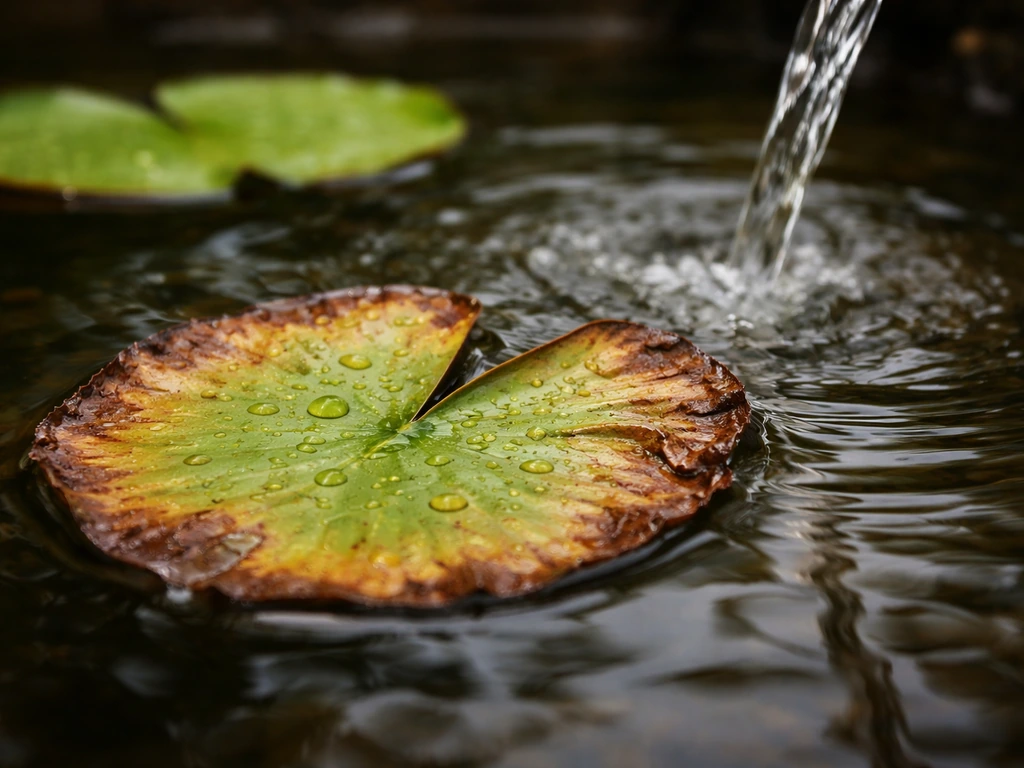
Salt stress in water lilies shows up in predictable ways, and catching symptoms early gives you a real chance to course-correct. Here's what to look for and what to do about it.
| Symptom | Likely Cause | What to Do |
|---|---|---|
| Leaf edges turning brown or crispy (leaf burn) | Salt accumulation causing osmotic stress or direct foliar damage from spray | Immediately perform a 25–30% water change with fresh water; test EC and reduce to under 0.8 mS/cm |
| Stunted or no new leaf growth | Salt inhibiting root nutrient uptake or root cell damage | Check EC and pH; reduce salinity; ensure minimum 6–8 hours of direct sun |
| Yellowing leaves (chlorosis) | Nutrient lockout caused by salt interfering with ion absorption | Test and adjust pH to 6.5–7.5; add aquatic fertilizer tablet; dilute salinity |
| Leaves stay small or don't open fully | Chronic low-level stress; energy deficit from salt burden | Gradual freshwater dilution over 1–2 weeks; consider moving plant to fresher water source |
| Root rot or mushy rhizome | Combined salt stress and anaerobic conditions; or fungal/bacterial infection on stressed tissue | Remove plant; trim damaged roots; repot in fresh substrate in fresh water; treat with aquatic plant-safe fungicide if available |
| Plant fails to emerge from dormancy in spring | Rhizome damage from salt exposure over winter | Inspect rhizome; if firm and healthy, replant in fresh water; if mushy, plant is likely lost |
The fastest intervention for almost every salt-stress symptom is a significant water change with verified low-salinity water. Don't try to diagnose more exotic problems before ruling out salinity. Test your water first, every time.
What to grow instead if your water is too salty
If your water consistently reads above 1.5 mS/cm, or if you're working with genuinely brackish or saline conditions, water lilies are not the right plant for you, and that's okay. There are genuinely good options that fill a similar visual and ecological role.
- Spartina species (cordgrass): Native to brackish and salt marshes across North America, cordgrass is tough, architectural, and thrives in conditions that kill most aquatics. It's more of an emergent grass than a flowering pond plant, but it's excellent for stabilizing pond margins in coastal gardens.
- Salicornia (glasswort / sea pickle): A striking succulent-like plant that thrives in saline soils and shallow saltwater edges. Not a lily alternative visually, but useful for true saltwater margins.
- Iris pseudacorus (yellow flag iris): Tolerates mildly brackish water far better than water lilies and provides a bold, upright presence in pond margins. Hardy and vigorous in zones 4 to 9.
- Pontederia cordata (pickerelweed): Better brackish tolerance than most flowering aquatics, with attractive purple flower spikes. Works well in slightly elevated-salinity ponds in zones 3 to 10.
- Thalia dealbata (powdery thalia): A tall, dramatic aquatic plant with some tolerance for brackish conditions and excellent heat tolerance in zones 6 to 11.
- Lotus (Nelumbo species): Often compared to water lilies visually, lotus has somewhat more resilience to marginal water quality, though it is still a freshwater plant. Worth trying if salinity is mild and intermittent rather than sustained.
If you're working in a container and want the floating-leaf aesthetic of a water lily without the salinity sensitivity, consider moving to a purely freshwater container setup with a reliable water source. The question of whether to grow water lilies in a pot or a traditional pond comes down to how much control you can maintain over water quality, and a container actually gives you the most control.
If you want the look in a small space, you can usually grow water lilies in a pot, but only if you keep the water salinity very low whether to grow water lilies in a pot. Similarly, if you're exploring whether water lilies can grow in just water without soil, or in unconventional setups like fountains, those setups each have their own requirements and tradeoffs that go beyond salinity alone.
If you are wondering about fountains specifically, keep in mind that a fountain still needs low, stable salinity and the right container setup. To help answer can you grow lilies in water, keep your salinity at the low end of the scale and choose a setup designed for low-salt conditions.
To decide if that kind of setup will work, you still need to consider nutrient supply and water chemistry, not just whether the water is freshwater water lilies can grow in just water.
The short path forward is this: test your water today, compare your EC reading to the thresholds above, and make your plant selection based on actual data rather than hope. If the numbers work, N. odorata in a carefully managed freshwater-to-slightly-brackish setup is your best bet. If the numbers don't work, the salt-tolerant aquatics above will serve you far better and save you the frustration of watching water lilies slowly decline.
FAQ
How can I test saltwater or brackish water correctly for a water lily setup?
Measure both electrical conductivity (EC, mS/cm) and total dissolved solids (TDS, ppm), then recheck at least twice (for example, morning and afternoon, or before and after a sunny day). Evaporation can concentrate salts at the surface, so if you only test once, you may miss the worst-case salinity the lily actually experiences.
If my water looks clear and not salty, is it safe to assume it is freshwater?
No, appearance is unreliable. Many low to slightly brackish systems look clean until salt accumulation builds up over days or during dry weather. Use a pen meter and compare readings across weather, especially after evaporation-heavy weeks.
Can I “soak” or rinse a water lily in fresh water to remove salt stress before planting?
You can rinse roots briefly, but you cannot reverse internal osmotic damage once the plant has been exposed to high salt. The more effective approach is to plant into low EC immediately and then manage with verified dilution water changes, keeping the new water chemistry stable.
What salt source is most likely to ruin a lily, road runoff, seawater, or water conditioner residue?
Any sodium source can contribute, but the fastest issues often come from chronic, low-level sodium additions, such as road salt runoff, highly mineralized municipal supply, or some water softener discharges. If you suspect a specific source, test the pond or tap water and also test runoff or any top-off water before it enters the system.
Will adding gypsum, aquarium salt, or Epsom salt help a water lily in salty water?
Most additives will not help, and some make it worse. Water lilies fail mainly due to osmotic stress from dissolved salts and sodium. If you want to change chemistry, adjust with targeted tests, for example pH within about 6.5 to 7.5, rather than adding salts or minerals blindly.
How fast can salt accumulate in a small container pond?
In small volumes, salt can build up quickly because evaporation concentrates dissolved solids. If you are seeing higher EC readings within a few days, increase the frequency of partial water changes (for example, every 1 week instead of every 2) while you establish a stable baseline.
Do water lily leaves burn first, or does the root system fail first under salinity stress?
Roots and rhizomes are usually affected first because osmotic stress interferes with how the plant takes up water and nutrients. Early signs can be slowed growth and fewer new leaves, later followed by yellowing and leaf damage. Treat slow decline as a salinity or water-quality signal, not as a nutrition-only problem.
What water change percentage is most effective if I catch a salinity problem late?
A single change can help, but repeated dilution is what prevents recurrence. For containers, consider 20 to 25 percent with verified low-salinity water, then re-test EC 24 to 48 hours later to confirm the concentration dropped rather than rebounding from ongoing sources.
Does fertilizer use make salt problems worse for water lilies?
It can, depending on the fertilizer and how it changes total dissolved solids. Aquatic fertilizer tablets are generally less likely to spike EC abruptly than frequent liquid dosing, but you should still test EC after fertilizing and avoid overfeeding during periods when EC is already near your tolerance limit.
Can I use rainwater to manage salinity for a slightly brackish setup?
Often yes, as rainwater is usually very low in dissolved solids, but it can still carry dust or contaminants. Test EC/TDS of the collected water, then use it for top-off only if readings are consistently lower than your pond’s water.
If I have to choose between lowering EC and adjusting pH, which should come first?
Lowering EC is usually the priority because high salinity causes osmotic dehydration that pH adjustments cannot fix. After EC is brought into the low end of the range, then tune pH toward roughly 6.5 to 7.5 to support nutrient availability and reduce compounding stress.
Is Nymphaea odorata always the best choice for “salty-adjacent” climates?
It is the best candidate among common water lilies, but cultivar and local conditions still matter. Use EC data as your decision tool, and do not assume “native” automatically means tolerant of inundation by brackish water, especially if your readings are drifting above about 1.5 mS/cm.
What if my EC fluctuates, sometimes below 1.0 mS/cm and sometimes above 1.5 mS/cm?
Fluctuations are harder on lilies than steady conditions. If the water is sometimes above your practical limit, focus on making the system stable, for example larger water volume, more consistent top-off, and scheduled water changes, before you commit to long-term planting.
Next Articles
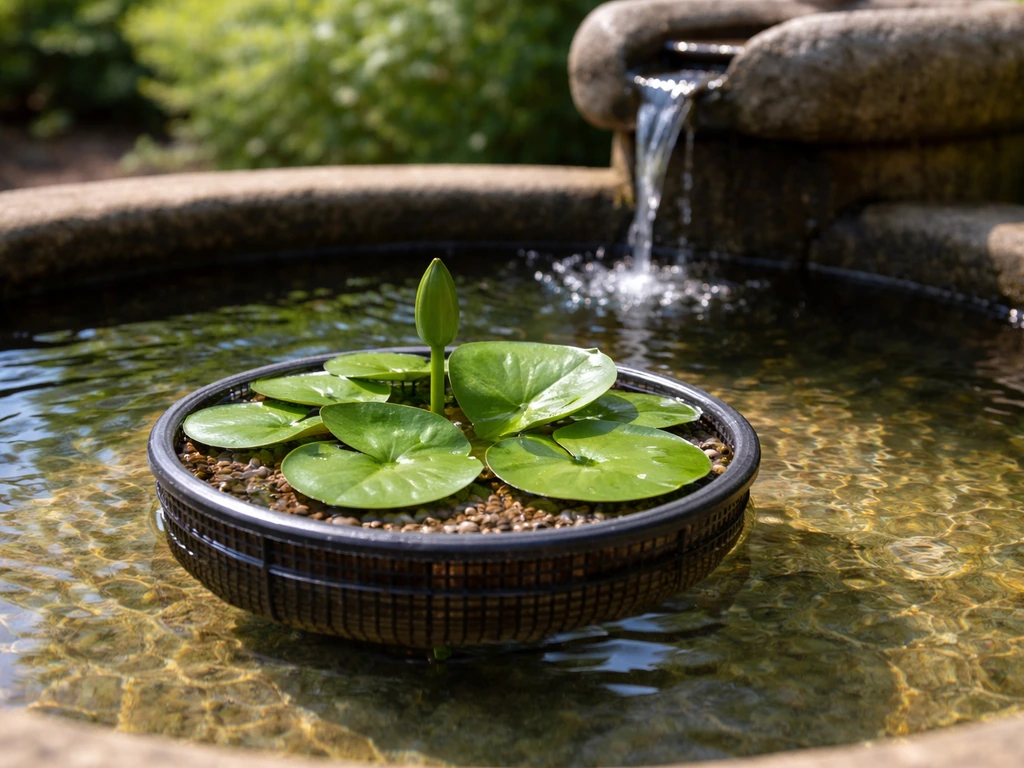
Can You Grow Water Lilies in a Fountain? How-To Guide
Grow water lilies in a fountain: water depth, sunlight, flow effects, hardy vs tropical choices, and troubleshooting.
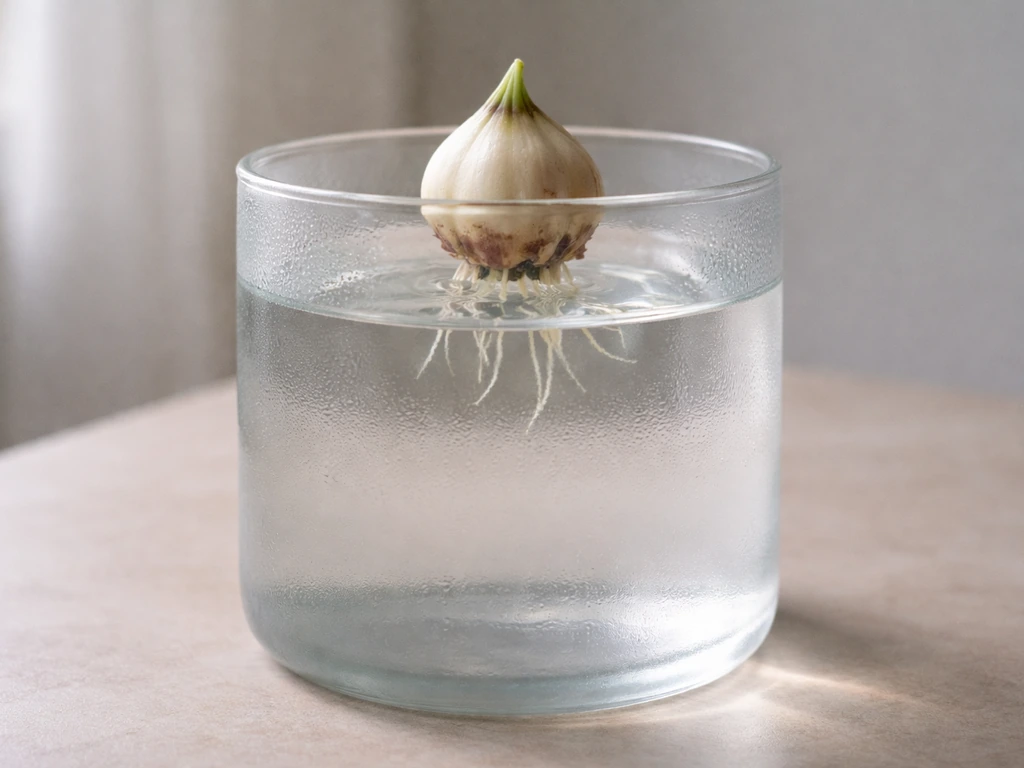
Can You Grow Lilies in Water? Steps, Types, and Troubleshooting
Learn if true lilies, peace lilies, or water lilies can grow in water, plus setup steps and fixes for rot, algae, and st
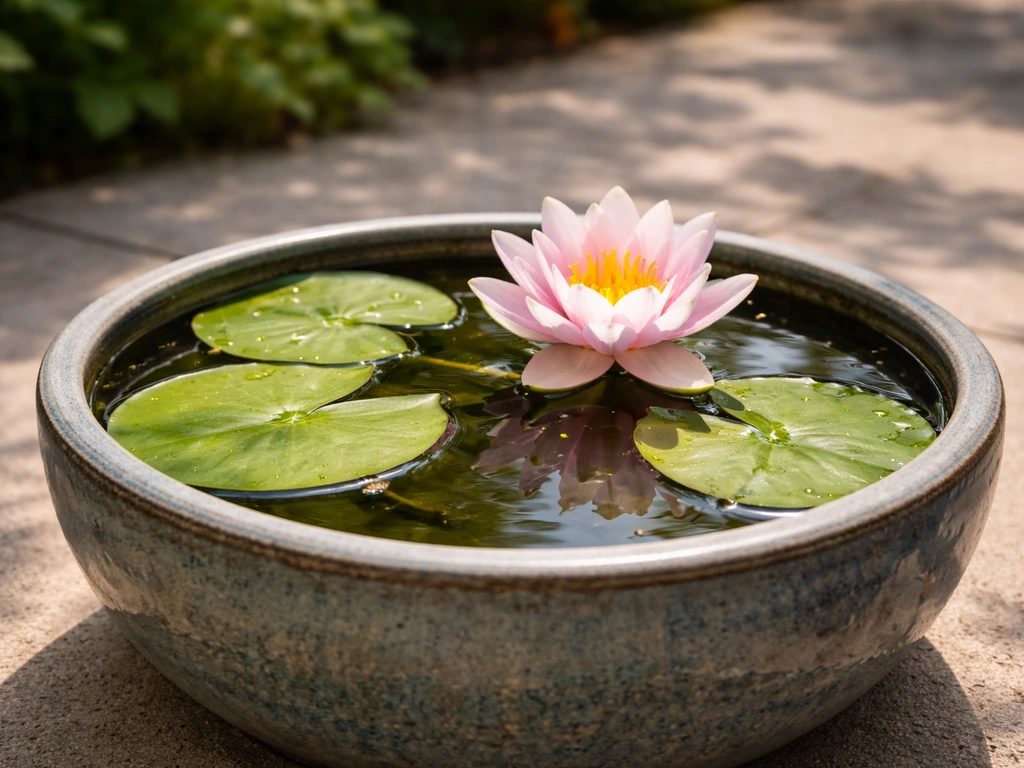
Can You Grow Water Lilies in a Pot? How to Do It
Learn how to grow water lilies in a pot or bowl, with step-by-step container setup, depth, soil, light, and care for blo