
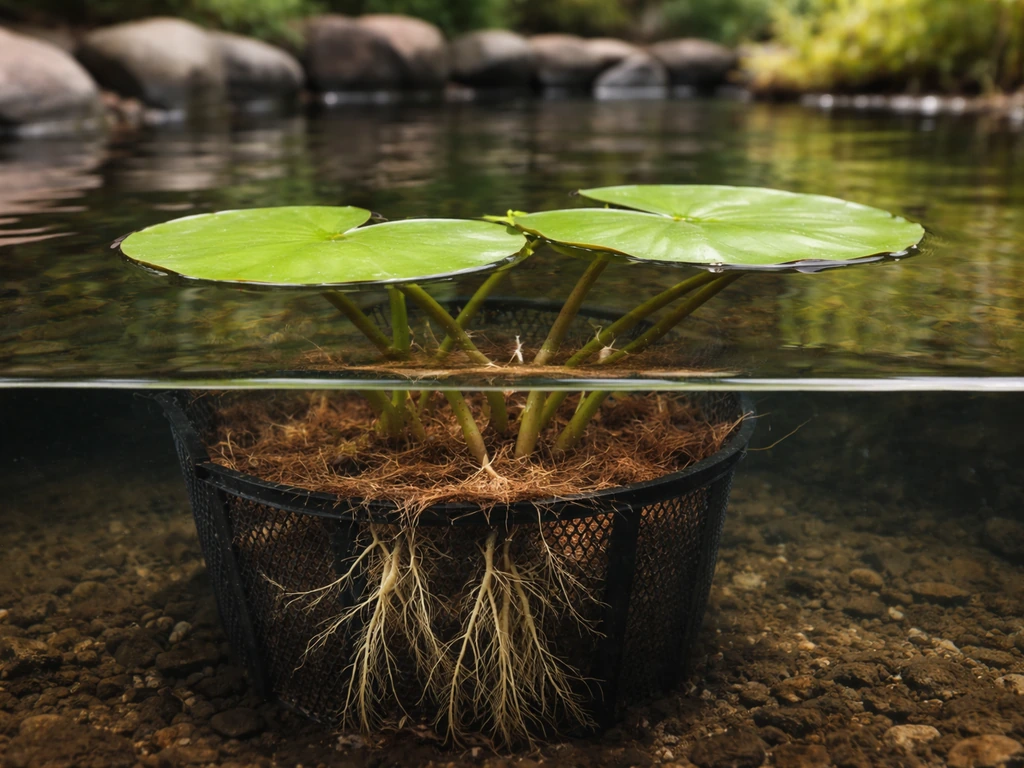
Yes, water lilies can grow in water, but "just water" with no growing medium underneath them is not a setup they'll thrive in long-term. The short answer is this: water lilies need their roots anchored in soil (usually inside a submerged container), with the crown sitting just above that soil line and water covering the whole thing to the right depth. What they do not need is dry land. But roots dangling freely in open water with nothing to anchor into? That's a temporary situation at best, and a rotting mess at worst.
Can Water Lilies Grow in Just Water? How to Set Up
Marcus Hendricks
17 Apr 2026
Can water lilies grow with roots in only water
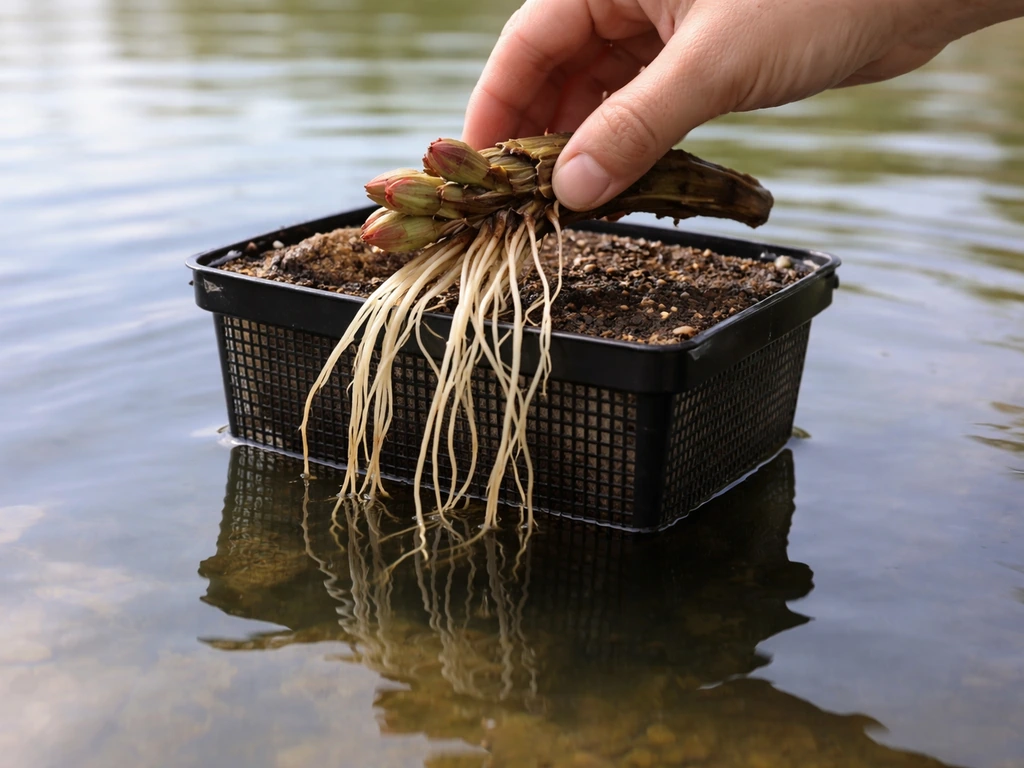
This is the question I get asked most often, usually from someone who just bought a bare-root lily online and isn't sure what to do with it. Here's the deal: water lilies are aquatic plants, but they're rooted aquatic plants. Their rhizomes and roots need something to grip. In the wild, that's pond mud or a silty lake bottom. In a home setup, it's a container of aquatic soil submerged in your pond or tub.
If you drop a bare-root lily into a bucket of water with nothing else, it will survive for a short time (maybe days), but it won't establish, won't bloom, and will start to decline fast. The roots need anchorage to take up nutrients, the rhizome needs support to stay oriented correctly, and the crown needs to be positioned just above the soil surface to avoid rotting.
Missouri Botanical Garden is explicit about this: the crown should be left exposed above the soil, not buried, not floating free. That crown positioning is everything. Get it wrong and you'll deal with crown rot, which Triangle Gardener describes as a common death pathway where the tuber rots, the crown follows, and the whole plant is gone.
So what does "just water" actually mean for a successful setup? It means the plant lives in water, not in a traditional garden bed. It does not mean the plant is suspended in bare water with no rooting medium. The soil goes in the container, the container goes in the water, and the water covers the crown by several inches. That's the system. If you're wondering whether growing lilies in water more broadly works the same way across lily types, the answer is no: water lilies are uniquely adapted to submerged container growing, while most other lily types need entirely different conditions.
Deep vs shallow water: ideal depth guidance
Depth matters more than most beginners realize, and getting it wrong is one of the most common reasons a water lily sulks without blooming. The right depth depends on the variety, the growth stage, and whether you're dealing with a hardy or tropical cultivar.
For newly planted lilies, start shallower. A crown sitting about 6 to 10 inches below the water surface is a reasonable starting point for most home setups. Missouri Botanical Garden recommends at least 6 inches of water above the crown, with 8 to 10 inches being a common sweet spot. University of Missouri Extension goes a bit deeper, suggesting the crown sit about 10 to 12 inches below the surface once the pot is submerged. Both are workable, and the difference mostly comes down to your specific variety and the size of your pond or container.
As the plant matures and the season progresses, you can lower the container to greater depths. LilyBlooms recommends placing large to medium hardy water lilies at 18 to 30 inches of depth, with room to go deeper as the plant grows. For tropical varieties, the range is typically shallower: around 6 to 18 inches. Chicago Botanic Garden is honest that depth needs vary by cultivar, so always check the specific guidance for whatever variety you're growing rather than assuming one depth works for all.
| Lily Type | Starting Depth (Crown Below Surface) | Mature Depth Range | Notes |
|---|---|---|---|
| Hardy water lily (small) | 6–10 inches | 12–24 inches | Start shallow, lower as plant establishes |
| Hardy water lily (large/medium) | 6–10 inches | 18–30 inches | Can go deeper at full size |
| Tropical water lily | 6–10 inches | 6–18 inches | Prefers warmer, shallower water; needs temps at least 70°F |
| General rule (all) | At least 6 inches | Variety-dependent | Crown always exposed above soil; pot submerged |
One quick tip: if your lily keeps producing leaves but won't bloom, try lowering the container by 3 to 4 inches. If leaves are yellowing and weak, the plant may be too deep for the amount of light penetrating the water. Adjust in small increments and give the plant two weeks to respond before changing anything else.
Moving water: can water lilies grow in current or flow
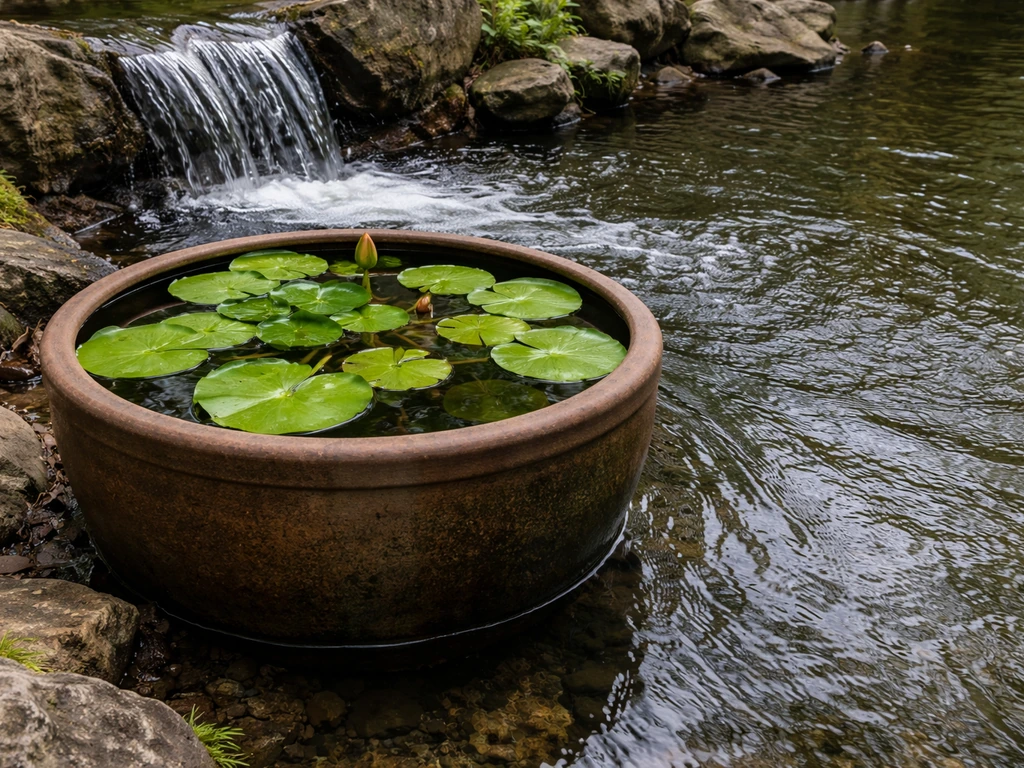
If you have a fountain, a waterfall, or any kind of water feature that creates flow or splash, I'll be direct: water lilies are a bad match for those conditions. Merebrook Pond Plants puts it plainly, stating that water lilies do not perform well in moving water. Master Gardeners of British Columbia back this up, noting that lilies need calm water away from pumps, fountains, and any form of turbulence. Missouri Botanical Garden specifically advises keeping them out of the spray and splash zones of waterfalls and fountains.
That said, "moving water" covers a wide range of situations. A gentle, slow-moving stream with very little surface disturbance is very different from an active fountain shooting water into the air. Mild flow, especially if it doesn't disturb the surface directly above the plant, may be manageable. Strong current, constant splash, or wave action? Those will reliably cause problems. If you're curious whether a fountain setup could ever work, the reality is tough, and you can read more about growing water lilies in a fountain before committing to that kind of setup.
Why moving water is such a problem for water lilies
There are three specific mechanisms at work here, and understanding them helps you figure out whether your moving-water situation is fixable or not.
First, anchorage. Water lilies anchor themselves through their rhizomes in a rooting medium. Even in a properly potted setup, current and wave action can physically shift or tip the container, which disturbs the rhizome's orientation and sets back establishment. An unpotted lily in moving water has essentially no chance of staying properly anchored.
Second, the crown. That exposed crown sitting just above the soil surface is vulnerable. Constant turbulence or splash can erode the soil away from it, or worse, bury it under shifting sediment if you're in a natural water setting. Either way, the crown ends up in a position it wasn't designed for, and rot follows quickly.
Third, leaf and petiole damage. Water lily leaves (lily pads) float on the surface and are connected to the rhizome by long, flexible petioles (stems). These petioles are not designed to resist lateral force. Constant splashing from fountains or water features can physically damage emerging leaf tissue, and The Plantaide notes that turbulence can cause petiole breakage and loss of secure leaf attachment. Research on floating leaf blades in Nymphaea backs this up, showing that wave action can disconnect leaves from their petioles entirely and scatter leaf material, directly reducing the plant's ability to photosynthesize and grow. A water lily that can't maintain its leaf canopy cannot feed itself and will decline.
How to set up a home water-lily container in water
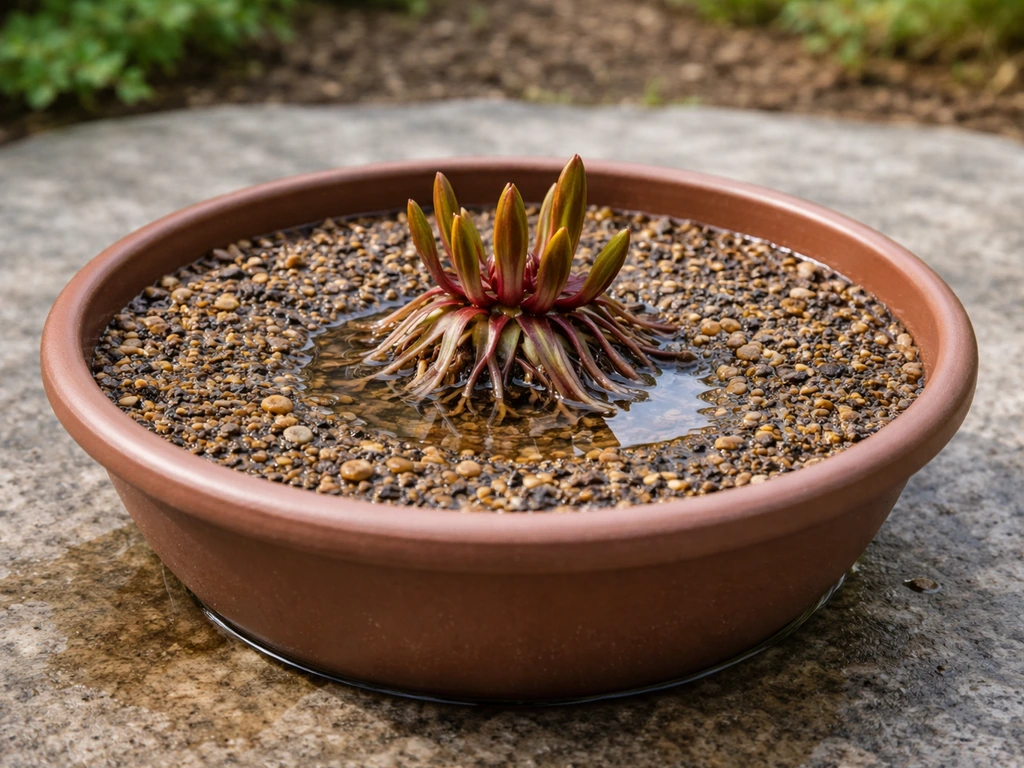
This is where it gets practical. Whether you're working with a backyard pond, a large barrel, or a repurposed stock tank, the container-in-water method is the standard approach for home growers, and it works reliably when done right.
- Choose a wide, shallow container. A wide clay pot or a fabric aquatic planting basket works well. Width matters more than depth because water lily rhizomes spread horizontally. Aim for at least 12 to 18 inches across for a mature plant.
- Use aquatic planting soil, not regular potting mix. Regular potting mix floats and clouds the water. Heavy aquatic soil or a mix of garden soil and clay holds down and stays in place. The pH should be neutral to slightly alkaline, around 7 to 8.
- Plant the rhizome at an angle, with the growing tip pointing toward the center of the pot and projecting about 3/4 of an inch above the soil surface. The crown must remain exposed, not buried.
- Add fertilizer tablets into the soil at planting time. A common guideline is 1 tablet per gallon of soil volume. This nutrient reservoir is critical because the plant is isolated in a container and can't draw on the broader pond ecosystem.
- Cover the soil surface with a thin layer of pea gravel or coarse sand to keep the soil from washing away once submerged. Leave the crown and growing tip uncovered.
- Lower the container into your pond or tub so the crown sits 6 to 10 inches below the surface to start. Use bricks or pot risers to get the height right. As the plant grows and sends leaves to the surface, you can gradually lower it.
- Position the container in full sun, at least 6 hours of direct sunlight per day, in the calmest part of your water feature.
If you're working with a smaller space, a large pot or tub garden is a completely valid option. You don't need a full pond. Growing water lilies in a pot follows the same planting principles, just scaled down, and it's a great way to test your setup before investing in a larger pond.
One thing worth knowing: if you receive a bare-root lily and can't pot it immediately, keep it temporarily in shade with damp paper towels or newspaper wrapped around the roots. This is strictly a short-term holding situation, not a growing strategy. Get it into soil media as soon as you can.
Troubleshooting and next steps based on your setup
Let's walk through the most common situations and what to do in each one.
If your lily is in a still pond or container and struggling
Check depth first. If leaves are pale or the plant seems weak, it may be too deep for enough light to reach the crown. Raise the container. If the crown looks soft, discolored, or mushy, that's crown rot, and you need to act fast: remove the plant, trim away any soft or dead rhizome tissue down to firm, healthy material, and repot in fresh aquatic soil. Crown rot is usually caused by the crown being buried or by consistently poor water conditions. Fungal infections can compound the problem, so inspect roots carefully and discard anything that smells off.
If the plant looks fine but won't bloom, check sun exposure (needs 6 or more hours of direct sun daily), fertilizer (add tablets if you haven't since planting), and depth (try lowering slightly for mature plants). Tropical varieties also need stable warm water of at least 70°F, so if you're growing a tropical in a cold region without a heater, blooming will be inconsistent or absent.
If your lily is near a fountain or water feature
Your first move is to relocate the container to the calmest part of your pond, as far from any pumps, fountains, or waterfall splash as possible. Even moving the pot 3 or 4 feet can make a meaningful difference if it gets the plant out of the direct turbulence zone. If relocation isn't possible, consider building a simple baffle (a flat rock or a small dividing wall) between the water feature and the lily's container to reduce wave action reaching the pot.
If you truly cannot provide calm water and the lily keeps failing, it's worth considering alternatives. Some aquatic plants thrive without soil and handle surface disturbance far better than water lilies. Missouri Botanical Garden notes that several common water-garden plants don't require soil at all, making them better candidates for active water features. It's not a failure to switch species; it's just matching the right plant to your actual conditions.
Signs to watch for in the first few weeks
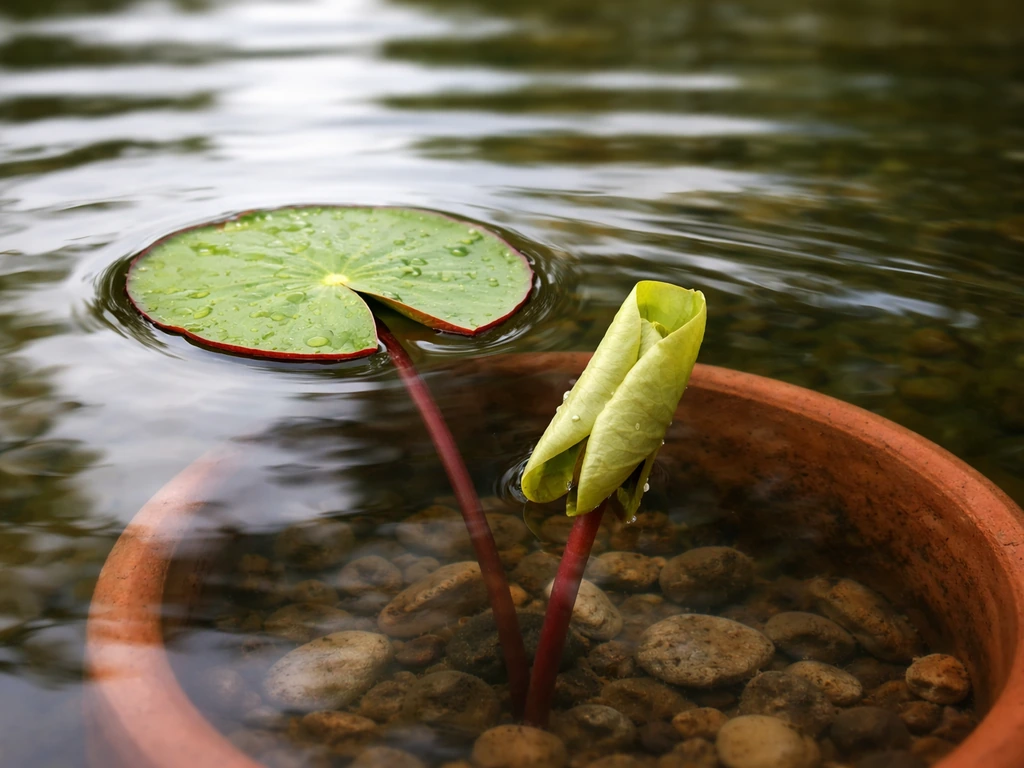
A successfully establishing water lily will push its first floating leaf to the surface within two to four weeks of being potted and submerged, assuming warm temperatures and good sun. That first leaf is your signal that the rhizome has taken hold. If you see no leaves after a month, check that the crown hasn't rotted and that the pot is at the right depth.
- New floating leaves appearing: good sign, plant is establishing
- Leaves with torn or ragged edges at the water surface: likely turbulence damage, move the container to calmer water
- Yellow or pale leaves: check depth and sun exposure, may be too deep or too shaded
- Soft, discolored, or foul-smelling crown or rhizome: crown rot, repot immediately with healthy tissue only
- Leaves present but no flowers after a full growing season: check fertilizer, sun hours, and water temperature
When to switch to a different plant entirely
If your setup has constant flow or turbulence you can't redirect, if your water is brackish or coastal (water lilies are freshwater plants, and water lilies in saltwater is essentially a non-starter), or if you simply can't provide still, nutrient-rich water in a container, it's worth switching to a more forgiving aquatic species. Lotus, pickerelweed, water iris, or floating plants like water hyacinth handle a wider range of conditions and are easier to establish in imperfect setups. There's no shame in working with what you've actually got.
FAQ
If water lilies cannot grow in just water, can I use anything besides pond soil as the rooting medium?
Yes. Water lilies need an aquatic rooting medium they can grip, so use a purpose-made aquatic planting mix or heavy aquatic substrate. Avoid regular potting soil and anything that breaks down into fine particles, since it can cloud the water and increase rot risk around the crown.
Can I suspend the lily in a mesh basket with no soil, then add fertilizer tabs?
In most cases, no. Fertilizer tabs help only if nutrients can be taken up through roots that have anchorage. Without a submerged rooting medium, the rhizome cannot establish, and you are likely to get stalling or decline even if nutrients are present in the water.
How long can a bare-root water lily stay out of the pot before I plant it?
Treat it as short-term only. Keep it in shade with damp wrapping (paper towels or newspaper) and get it into aquatic soil as soon as possible. The longer it sits unpotted, the more likely you will see weak regrowth and delayed first leaf.
My lily has leaves but they look small and spaced out, is that always a depth problem?
Not always. Depth is a common cause, but also check for insufficient direct sun (aim for at least 6 hours), and whether the container is large enough for the plant’s current size. Crowded rhizomes often produce weak, sparse foliage until they are divided and replanted.
What’s the best way to confirm the crown is positioned correctly?
Use the crown line as your reference. The crown should sit just above the rooting medium, with several inches of water over it, not buried in soil and not floating freely. If you can see the crown clearly above the soil surface and the water depth matches the variety guidance, the orientation is usually correct.
Can I move the container deeper or shallower every few days to “find the perfect depth”?
Limit how often you change it. Adjust in small steps (about 3 to 4 inches) and give the plant around two weeks to respond. Frequent repositioning stresses the rhizome and can delay blooming even when the final depth is correct.
Why did my lily start rotting around the crown even though I wasn’t burying it?
Crown rot usually comes from the crown being kept wet in the wrong position, consistently poor conditions, or lingering dead tissue that invites infection. If you see soft or mushy crown areas, remove the plant, trim back to firm healthy rhizome, repot in fresh aquatic soil, and inspect roots for any off smell.
If my pond is slightly brackish, can I still grow water lilies?
Usually not reliably. Water lilies are freshwater plants, and brackish or coastal water can prevent good establishment over time. If you cannot switch water, consider a different aquatic species that tolerates higher salinity rather than forcing the lily to cope.
How can I tell if my moving-water situation is too much for the lily?
Watch for repeated leaf loss, damaged new growth, or the container shifting enough that the rhizome orientation changes. Even when a fountain is “gentle,” if you see the plant repeatedly getting knocked around or soil eroding from the crown area, it is likely beyond what water lilies can handle.
Can water lilies bloom the first year I plant them?
Often they can, but many setups bloom inconsistently if the plant is under-established. A practical sign is the first floating leaf appearing within a couple of weeks after potting. If you only get leaves and no buds later, revisit sun, fertilizer, and depth together rather than changing just one factor.
Do tropical water lilies and hardy water lilies need different care beyond water depth?
Yes. Tropical types are much more sensitive to cold, and they need stable warm water (around 70°F or higher) for consistent flowering. If temperatures drop, you may see leaf growth but little or no blooming even when depth and sun are correct.
What fertilizer approach should I use after planting in a submerged container?
Use root-zone fertilizer tablets placed according to label directions, and do not rely on “water column” fertilizing to replace proper planting. If you skip fertilizing since planting, blooming may lag, even with good light and correct depth.
Next Articles
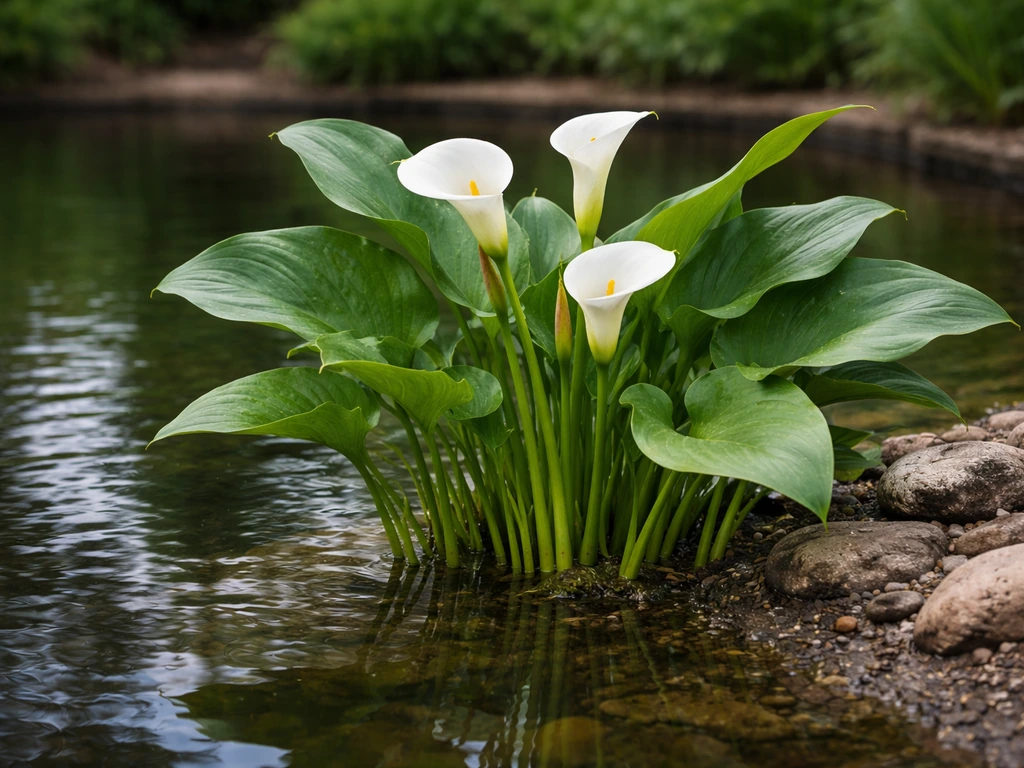
Can Calla Lilies Grow in Ponds? How to Set Up Successfully
Yes, with the right setup: water depth, substrate, anchoring, light, and overwinter care for pond or marginal calla lili
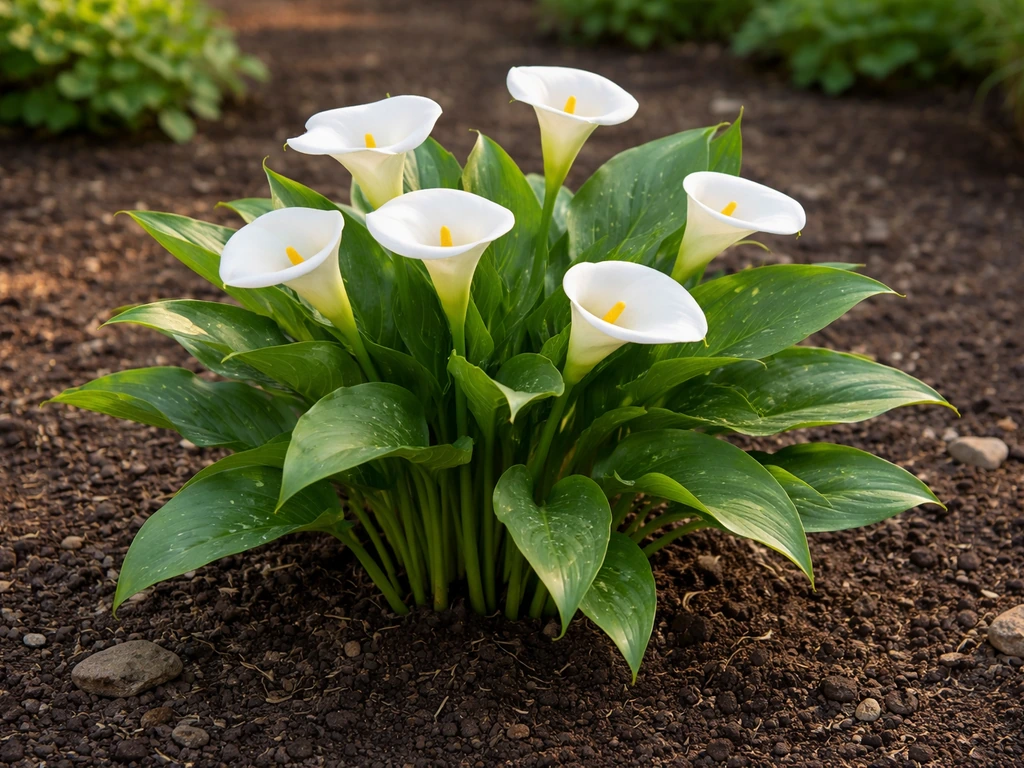
Are Calla Lilies Hard to Grow? Easy Guide for Success
Get a clear answer on are calla lilies hard to grow, plus exact light, temperature, watering, planting, and fixes.
Can Calla Lily Grow Outside? Outdoor Care by Climate
Yes, calla lilies can grow outside. Learn climate, light, soil drainage, planting timing, and fixes for no growth.