
Yes, you can grow some lilies in water, but the answer depends heavily on which "lily" you're talking about. True water lilies (Nymphaea) are born for it and live their entire lives rooted in underwater pots with water above their crowns. Peace lilies and calla lilies can thrive with roots submerged or in water culture setups. But classic garden bulbs like Asiatic lilies and daylilies will rot if you keep their roots sitting in water long-term. Getting this distinction right upfront saves you a lot of dead plants.
Can You Grow Lilies in Water? Steps, Types, and Troubleshooting
Marcus Hendricks
26 Apr 2026
Growing lily bulbs in water vs. true aquatic lilies: what you're actually dealing with
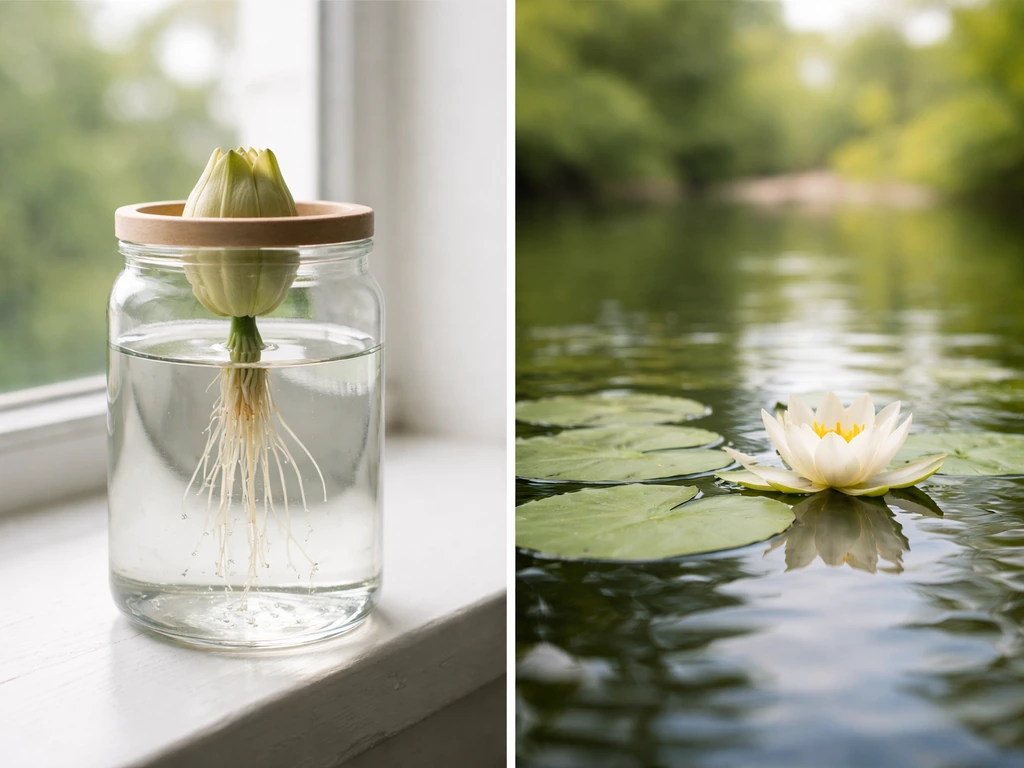
When people search for "lilies in water," they usually mean one of two very different things. The first is water culture, where you suspend a bulb, tuber, or rhizome in or just above water to encourage rooting before moving it to soil. Think of the vases of hyacinth or amaryllis you've seen on a windowsill. The second is actual aquatic lily growing, where the plant lives permanently in a pond, container water garden, or fountain. These are completely different setups, and confusing them is the number one reason people end up frustrated.
True water lilies (Nymphaea and related genera) are floating-leaved plants whose rhizomes stay rooted in soil underwater while their long petioles push leaves up to the surface. They are not hydroponics experiments. They need soil in a submerged pot, with water covering the crown. That's an aquatic system, not a vase of water. On the other side, Asiatic lilies and daylilies are fully terrestrial. Daylilies aren't even true lilies botanically. They belong to the genus Hemerocallis, not Lilium. Treating either of these like a water plant will kill them.
Which lily types actually work in water (and which ones don't)
Let me break this down by type so you don't have to guess.
| Lily Type | Scientific Name | Can It Live in Water? | Best Water Setup |
|---|---|---|---|
| Water lily | Nymphaea spp. | Yes, permanently | Submerged pot in pond or container, 6–12 inches of water over crown |
| Peace lily | Spathiphyllum spp. | Yes, roots submerged | Vase or container with roots in water, crown and leaves above water |
| Calla lily | Zantedeschia spp. | Yes, tolerates wet roots | Shallow water culture or boggy conditions, not fully submerged |
| Asiatic / Oriental lily | Lilium spp. | Short-term only | Water start to sprout roots, then must move to soil |
| Daylily | Hemerocallis spp. | No | Needs soil; will rot with roots in standing water long-term |
| Lotus | Nelumbo spp. | Yes, permanently | Similar to water lily; submerged pot setup |
Peace lilies are probably the most forgiving of all of these in water culture. I've kept them in glass vases for over a year with nothing but water and a bit of liquid fertilizer, and they stayed healthy and even flowered. Calla lilies naturally grow in marshy ground near streams and ponds, so wet roots are fine, but you don't want the tuber fully submerged for months on end or it will eventually rot. Asiatic and Oriental lilies from bulbs can be started in water to encourage root development, but think of that as a temporary nursery stage, not a permanent home.
How to set up water culture for lily bulbs, tubers, and rhizomes
What you need before you start
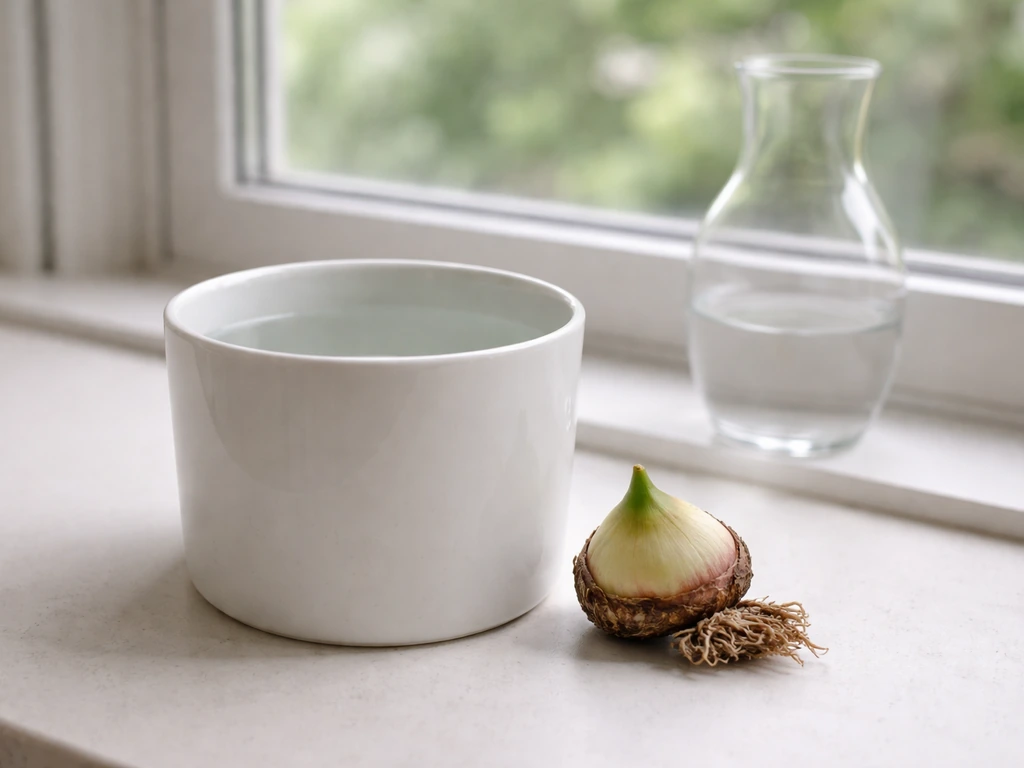
- A clean glass vase, mason jar, or opaque container (opaque is better for preventing algae)
- Room-temperature, filtered or settled tap water (let chlorinated tap water sit uncovered for 24 hours before using)
- A lily bulb, tuber, or rhizome in good condition with no soft spots or visible mold
- Toothpicks or a bulb vase with a built-in neck to suspend the bulb (for the suspension method)
- Liquid fertilizer formulated for hydroponic or water growing (optional but helpful after roots appear)
Step-by-step for rooting a bulb or tuber in water
- Inspect your bulb or tuber. Firm and dry with no soft, mushy, or discolored sections. Trim any obviously dead roots with clean scissors.
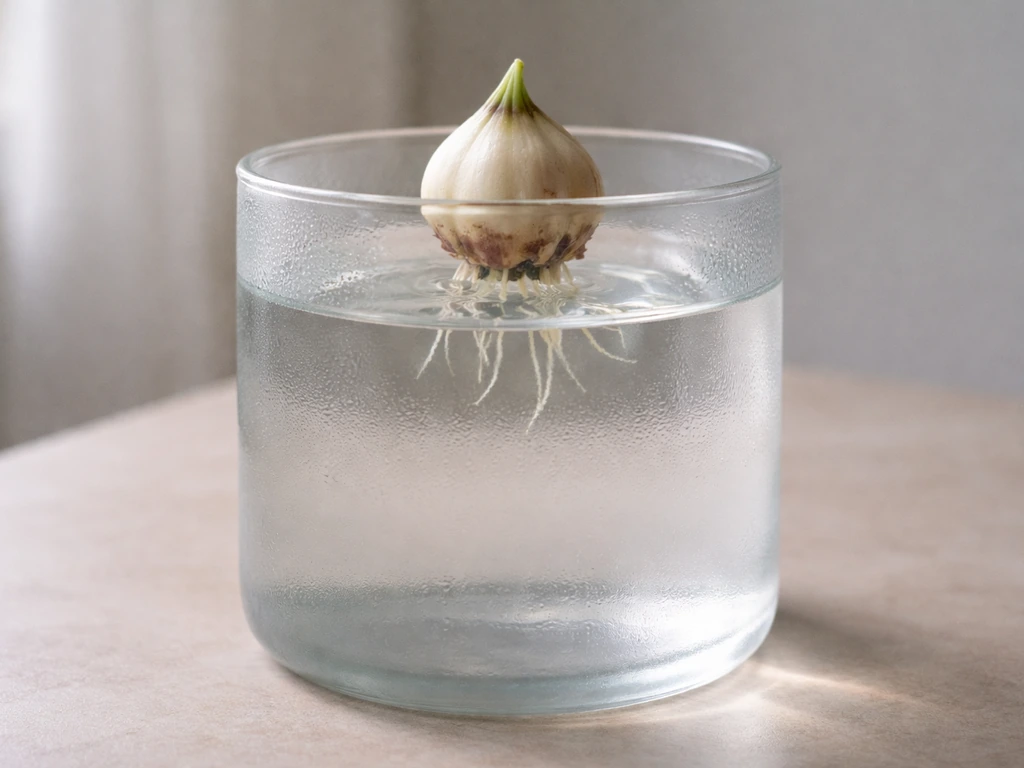
- Fill your container with room-temperature water. If using a regular jar, use toothpicks to suspend the bulb so the base just touches or sits about half an inch above the water line. The basal plate (the flat bottom where roots emerge) should face down, toward the water.
- Place the setup in a bright spot with indirect light. Avoid direct sun at this stage, which can overheat the water and encourage rot.
- Check water level every 2–3 days and top off as needed. Change the water completely every 1–2 weeks to prevent bacterial buildup.
- Wait for roots to appear. For most Lilium bulbs this takes 2–4 weeks. Peace lily roots in water appear faster, often within 1–2 weeks.
- Once roots are 2–3 inches long and the plant is showing green growth, you can either continue in water culture (for peace lilies and callas) or pot up into soil (for Asiatic and Oriental lilies).
- If continuing in water, add a few drops of liquid fertilizer formulated for hydroponics or aquatic plants every 2–4 weeks. Standard soil fertilizer can burn roots in a water system.
Setting up a permanent water container for true water lilies
True water lilies need a completely different approach. You're not suspending a bulb in a vase. You're planting a rhizome into a container of heavy clay or aquatic potting mix, then submerging that entire pot in water. MU Extension also advises planting waterlilies in heavy soil in submerged pots and positioning the crown about 10, 12 inches below the water’s surface once submerged submerging that entire pot in water. The Missouri Botanical Garden recommends at least 6 inches of water above the crown, with 8–10 inches being a solid target for most hardy varieties. Use a wide, shallow pot (think dish or tub, not a deep bucket) and avoid potting mixes that float or contain a lot of perlite. Cover the soil surface with a layer of pea gravel to keep the mix from clouding the water. If you're growing water lilies in a container water garden rather than an in-ground pond, this same setup applies.
Water, oxygen, and light: getting the conditions right
Water quality matters more than most people expect. Stagnant, warm, nutrient-rich water is a recipe for algae blooms and bacterial rot. For bulb water culture indoors, fresh water every one to two weeks is the minimum. The water temperature should stay between 60 and 75 degrees Fahrenheit. Anything below 55°F and root development stalls. Above 80°F and you're inviting rot and fungal growth.
Oxygen is a real concern in still water. Roots need dissolved oxygen, and a sealed container of standing water will deplete it over time. For indoor water culture setups, a small aquarium air pump with an air stone costs around 10 to 15 dollars and makes a measurable difference in root health. For outdoor container water gardens with water lilies, surface agitation from a small fountain or waterfall keeps oxygen levels healthy, though water lilies actually prefer calmer water than lotus does.
Light requirements vary a lot by species. Peace lilies do well in bright indirect light and can handle a north-facing window, needing around 2–4 hours of indirect light per day. Water lilies are sun-hungry plants that need a minimum of 6 hours of direct sunlight daily to bloom reliably. If your outdoor container water garden sits in a shady spot, your water lily will grow leaves but likely won't flower. Asiatic lily bulbs being started in water before transplanting don't need intense light yet, just bright indirect light while rooting.
Troubleshooting the most common problems
Yellowing leaves
Yellow leaves on a peace lily in water are usually a sign of nutrient deficiency. Plain water has no nutrients. Once roots are established (roughly 3–4 weeks in), start adding a diluted liquid fertilizer every 2–4 weeks. If the yellowing is happening faster and the leaves look mushy or translucent at the base, you've got rot, and the cause is almost always stagnant water or a damaged bulb you didn't catch at the start.
Rot and mold
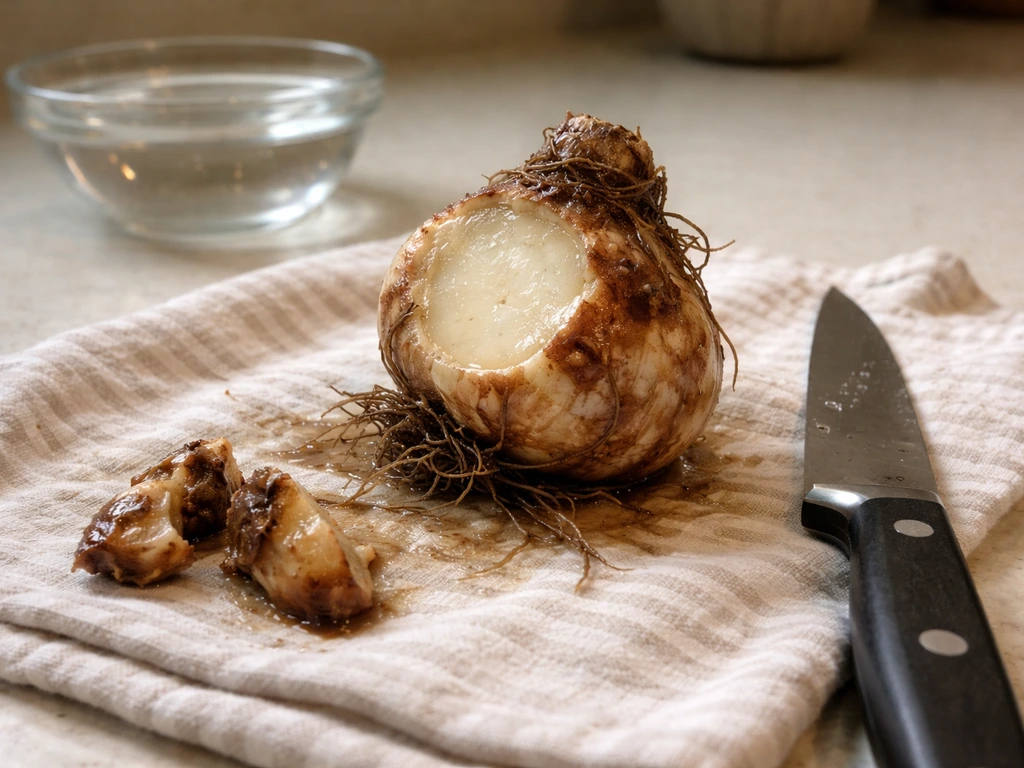
Soft, brown, slimy sections on a bulb or tuber in water need immediate action. Pull the bulb out, cut away every soft section with a clean blade, and let the cut surface dry in the air for a couple of hours before returning it to fresh water. If more than half the bulb is affected, it's unlikely to recover. Mold on the container walls or waterline is easier: scrub it with a diluted bleach solution (1 part bleach to 10 parts water), rinse thoroughly, and refill with fresh water.
Algae growth
Green algae in your container is a sign of too much light hitting the water directly, especially in clear glass containers. Switch to an opaque vase or wrap the outside of your clear container with dark paper or fabric. In outdoor water gardens, some algae is normal and even healthy, but if it's taking over, check that you have adequate surface coverage from lily pads (water lilies prefer 50–70% surface coverage) and consider adding a few snails or fish if the container is large enough.
No root growth after several weeks
If you've had a bulb suspended in water for 4–6 weeks with no visible root development, a few things could be wrong. The water might be too cold (below 60°F). The basal plate might not actually be making contact with or close proximity to the water. Or the bulb might simply be a low-quality or old specimen that won't sprout. Try moving it to a warmer spot and double-check that the base is correctly oriented. If nothing happens after 8 weeks, that bulb is done.
Pests
Water culture setups are mostly pest-free for indoor plants because you're removing the soil where most pests live. That said, peace lilies in water can still get spider mites or mealybugs on their leaves. Wipe leaves with a damp cloth and treat with insecticidal soap spray if you spot infestations. For outdoor water lilies, aphids and water lily beetles are the main pests. A strong blast of water from a hose knocks aphids off leaves into the water where fish will eat them. Serious beetle infestations may need a targeted aquatic-safe insecticide.
When and how to move your lily from water to soil
For Asiatic and Oriental lily bulbs that you started in water, the window for moving to soil is when roots are 2–3 inches long and you can see the first tip of a green shoot emerging from the nose of the bulb. That's usually 3–6 weeks after starting. Don't wait much longer than that. The longer a terrestrial lily bulb sits in water past that point, the harder the transition becomes and the more likely you are to see stunted growth.
To move, prepare a pot with well-draining potting mix. Plant the bulb at a depth roughly 2–3 times its diameter. Water it in well and keep the soil consistently moist but not waterlogged for the first two weeks while it adjusts. Don't fertilize immediately. Give it about three weeks in soil before introducing any fertilizer so the tender new roots aren't burned.
If you're moving a calla lily or peace lily from a water vase to soil, the process is gentler because these plants are more adaptable. Plant into a peat-free potting mix, water well, and keep it in the same light conditions it had in water for the first week or two. Gradual acclimation matters more than speed here.
For outdoor timing, the general rule is to move or plant out after your last frost date. In USDA zones 5–6, that's typically mid to late May. In zones 7–9, late March to April works. Don't rush outdoor placement. A late frost hitting a lily that was just transitioned from a warm indoor water setup is a quick way to lose the whole plant.
Mistakes that kill lilies in water (and how to avoid them)
- Using cold tap water straight from the faucet: water below 55°F shocks roots and stalls growth. Always use room-temperature water and let chlorinated tap water off-gas for 24 hours first.
- Letting the bulb sit fully submerged: for Asiatic, Oriental, and calla lily bulbs, the body of the bulb should never be underwater. Only the roots or basal plate should be near or touching the water.
- Never changing the water: stagnant water depletes oxygen, builds up bacteria, and leads to rot. Change it every 1–2 weeks.
- Putting the wrong plant type in water: trying to grow Asiatic lily bulbs or daylily crowns long-term in water is a losing battle. Know your plant before you set up your system.
- Using full-strength fertilizer in water culture: nutrient concentration that works in soil is far too high for water culture. Always use a diluted hydroponic formula.
- Skipping aeration: a small air pump or even moving the water slightly every day makes a real difference in root health for indoor water culture setups.
- Ignoring water temperature: water above 80°F (common in outdoor containers in summer) creates conditions where rot and algae thrive. Use shade cloth or partial shading for outdoor setups in hot climates.
Your next steps starting today
If you want to try water culture with a peace lily, pick up a glass or opaque vase and a bottle of diluted liquid hydroponic fertilizer. Get a healthy plant, rinse all the soil off the roots, and set it up with room-temperature water covering just the roots. You'll likely see healthy growth within two weeks with minimal effort. It's genuinely one of the easiest water-culture setups you can do.
If you're after water lilies in a container pond or small water feature, the setup is more involved but very doable. You need a wide, shallow container (at least 15–20 gallons for a dwarf variety), aquatic potting mix, a water lily rhizome from a reputable nursery, and a spot that gets at least 6 hours of direct sun. Plant the rhizome into the pot, submerge it so there's 6–10 inches of water over the crown, and watch it grow. Questions about whether water lilies can grow in a simple pot setup, or whether a fountain's moving water is suitable, are worth exploring separately since the water movement and container size factors change the equation noticeably. If you are wondering whether can water lilies grow in saltwater, start by matching the plant’s salt tolerance with the salinity level of your water garden. A moving fountain changes the oxygen and water-depth details, so it helps to confirm whether water lilies can thrive in that setup can you grow water lilies in a fountain. If you’re wondering whether can you grow water lilies in a pot without a traditional pond, you’ll just want to match the right container size, potting mix, and water depth. Water lilies can grow in just water too, but they need the right setup for their rhizomes and enough depth above the crown.
For Asiatic lily bulbs, use the water-start method only as a rooting technique before planting into soil. Set up your vase in late winter or 6–8 weeks before your last frost date, give it time to root, and then transplant. You'll often get stronger, earlier growth than direct bulb planting, and you get to watch the root development happen in real time, which is genuinely satisfying.
Check your setup every 2–3 days for the first month. Look at the water color (clear is good, cloudy or greenish means change it), the roots (white and firm is healthy, brown and mushy means trouble), and the leaves (upright and green means it's working). If something looks off, act early. Problems in water culture escalate faster than in soil because there's less of a buffer. Catch rot or stalled growth in week two and you can usually recover. Wait until week six and you're usually starting over.
FAQ
Can you grow “water lilies” in a regular glass vase just like cut flowers?
Only if you mean a true aquatic water lily rhizome setup. A typical vase with a little water usually leaves the crown too exposed or too shallow, which prevents proper rooting. Use an aquatic potting mix in a heavy container submerged so the crown sits under several inches of water, then provide enough sun for blooming.
Do lilies grown in water need fertilizer, and how do I avoid burning them?
Water-culture bulbs and peace lilies usually need nutrients later, not immediately. Start by refreshing water and waiting about 3 to 4 weeks after roots establish, then add a diluted liquid fertilizer every 2 to 4 weeks. For terrestrial lily bulbs being rooted only temporarily, stop fertilizing during the rooting phase and switch to soil before adding stronger feeding.
How can I tell if the problem is rot or just weak roots?
Check the texture and color. Healthy roots are light-colored and firm, while rot shows brown, mushy tissue, often with a translucent or “wet” look at the base. If leaves are yellow but not soft, it is more often nutrient-related than rot, especially in peace lilies kept in plain water.
What water temperature is best for lilies in water year-round?
Aim for roughly 60 to 75°F for indoor water culture. If it drops below about 55°F, roots often stall, and if it stays above about 80°F, rot and fungal issues become more likely. In winter, keep the vase away from cold windowsills and in summer avoid direct heat sources.
Is it better to use distilled water or tap water for lilies in water?
Use what you can maintain consistently and keep fresh. Tap water is fine if it does not contain extreme treatment levels, but hard water can contribute to buildup that worsens algae and clarity. If water stays cloudy or slimy, switch to fresh water more often, and consider using filtered or low-mineral water to reduce deposits.
How often should I change the water for peace lilies or bulb rooting in vases?
A good minimum is every 1 to 2 weeks for indoor water culture. If the water starts smelling, turning cloudy quickly, or growing algae within days, shorten the interval and check light exposure and temperature. Also, do not “top off” endlessly, empty and refill so nutrient and bacteria levels reset.
Will water movement from a fountain prevent problems, or can it hurt lilies?
Moderate movement can help keep oxygen levels healthier, but heavy turbulence can stress some setups, and lilies may not like constantly churning conditions. For container ponds, a gentle waterfall or surface agitation is usually best, and lily pads help provide calmer zones where the plant prefers to grow.
Can I grow lilies in water outdoors in a small bucket?
It is possible but container size is the biggest constraint. Small buckets often overheat, get oxygen-poor, or change temperature fast, which increases rot risk. For water lilies, plan for a wide, shallow container and enough water depth over the crown, and choose a location with at least 6 hours of direct sun.
How long can you keep Asiatic or Oriental lily bulbs in water before transplanting?
Do it when roots are about 2 to 3 inches long and you can see the first green shoot tip emerging. That is typically around 3 to 6 weeks depending on conditions. Waiting longer makes the transition to soil harder and increases the chance of stunted growth.
What should I do if my water lily grows leaves but never blooms?
The most common cause is insufficient sun. Even if leaves expand in shade, flowering usually requires at least 6 hours of direct sunlight daily. Also check that water depth above the crown is in range, since too shallow can weaken the rhizome and too deep can reduce energy available for blooms.
Can lilies in water get pests, and how do I treat them safely?
Yes. Peace lilies can still get spider mites or mealybugs on foliage. For small outbreaks, wipe leaves and use insecticidal soap, applied carefully to avoid soaking the root zone excessively. For outdoor water lilies, avoid treatments that are not aquatic-safe, and address aphids with targeted rinses when appropriate.
What’s the fastest way to recover a lily that is failing in a water setup?
Act early based on symptoms. If there is visible rot on a bulb, cut away soft sections with a clean blade, air-dry the cut briefly, then restart in fresh water. If roots are stalled but not mushy, adjust temperature first and verify the basal plate is near or contacting water, then wait another 1 to 2 weeks before giving up.
Next Articles
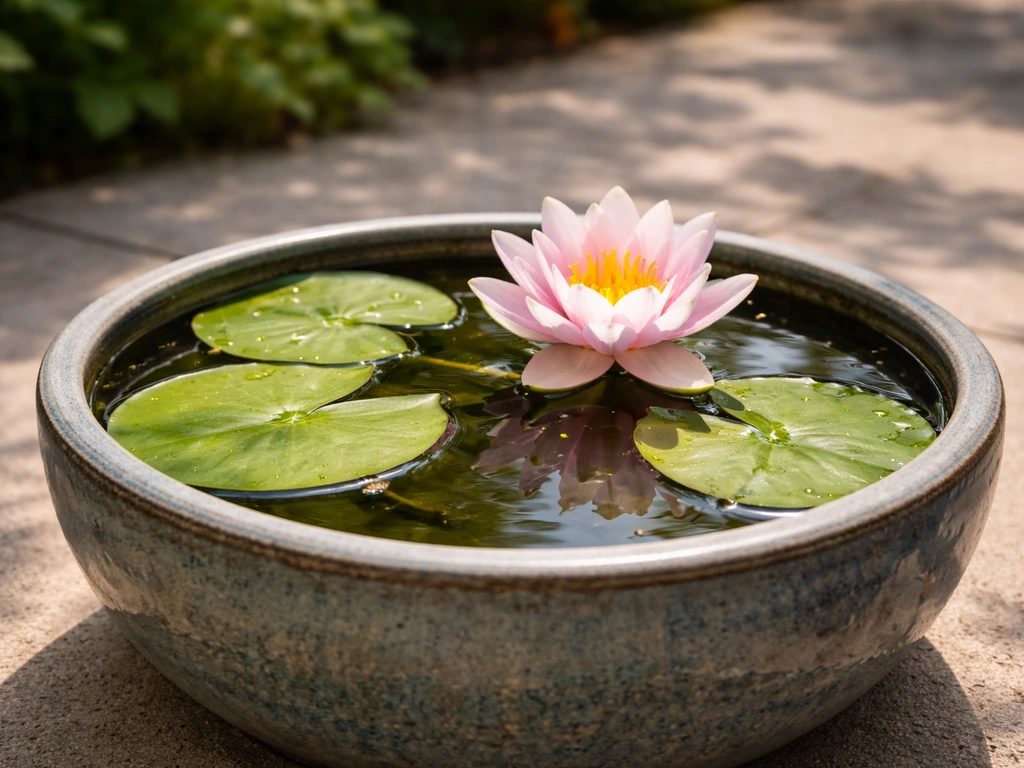
Can You Grow Water Lilies in a Pot? How to Do It
Learn how to grow water lilies in a pot or bowl, with step-by-step container setup, depth, soil, light, and care for blo
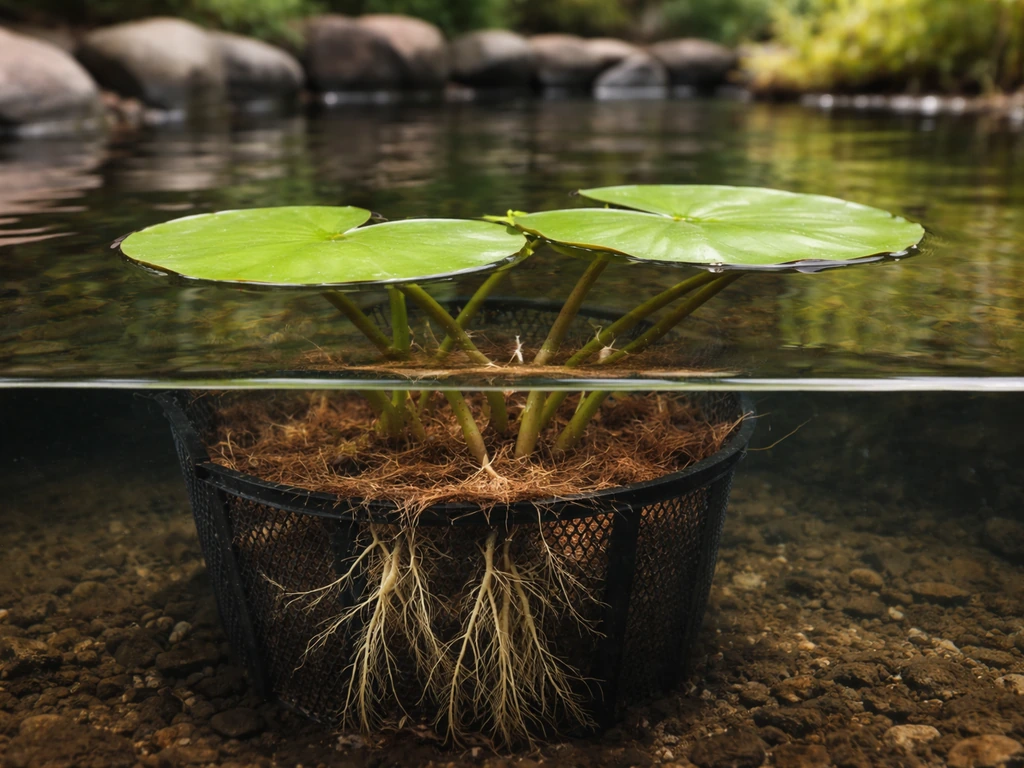
Can Water Lilies Grow in Just Water? How to Set Up
Learn if water lilies can grow in just water, why they fail in moving water, and how to set depth and placement.
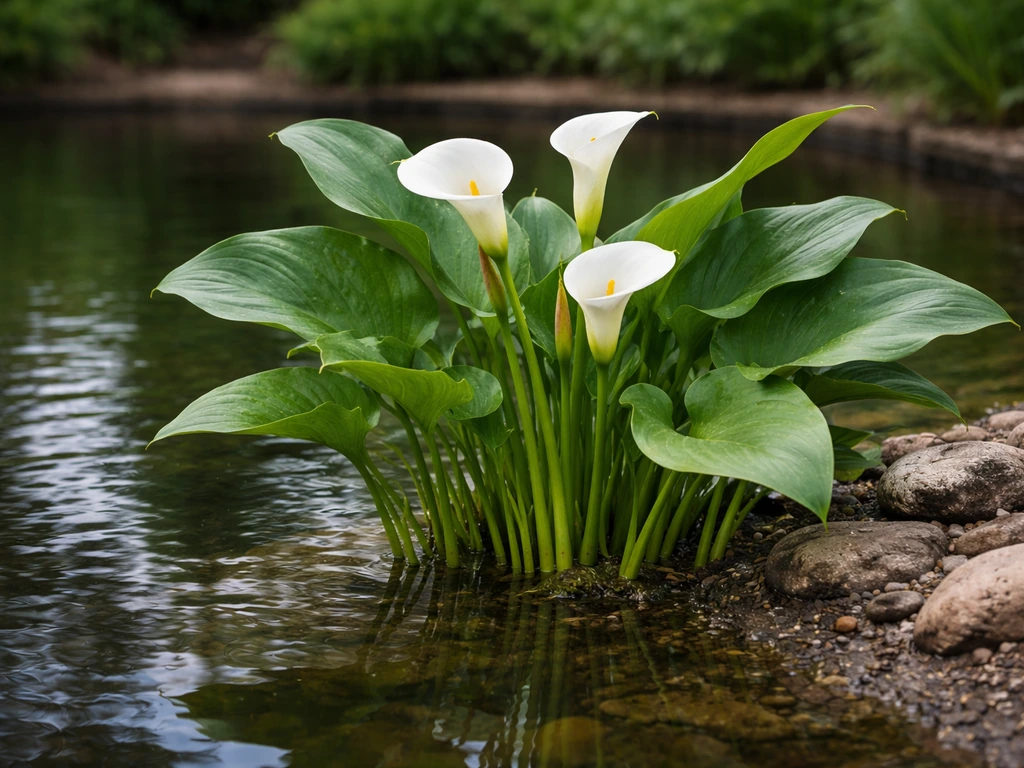
Can Calla Lilies Grow in Ponds? How to Set Up Successfully
Yes, with the right setup: water depth, substrate, anchoring, light, and overwinter care for pond or marginal calla lili