
Yes, you can grow water lilies in a fountain, but only if the fountain is set up the right way. The biggest deal-breaker is water movement: water lilies need calm, still water to root and bloom reliably, so a fountain that shoots jets or creates heavy surface splash will stress or kill them. If your fountain is more of a decorative basin or a low-flow feature with minimal surface turbulence, you have a real shot at success. Get the flow under control, give them 6 or more hours of direct sun, plant them at the right depth in a container, and the right variety will reward you with blooms all season.
Can You Grow Water Lilies in a Fountain? How-To Guide
Marcus Hendricks
27 Apr 2026
Is a fountain actually suitable for water lilies?
Most ornamental fountains are not set up with water lilies in mind, and that's worth being honest about before you go buy plants. If you are wondering whether you can grow lilies in water, this same fountain approach works best when you can keep the water calm and provide enough sun can you grow lilies in water. Water lilies evolved for still ponds and lakes. Their floating leaves act like solar panels, and anything that keeps flipping, soaking, or splashing those pads will damage them and shut down photosynthesis. Constantly moving water also prevents the plant from anchoring its roots properly and can keep the water temperature too cool and unstable for good growth.
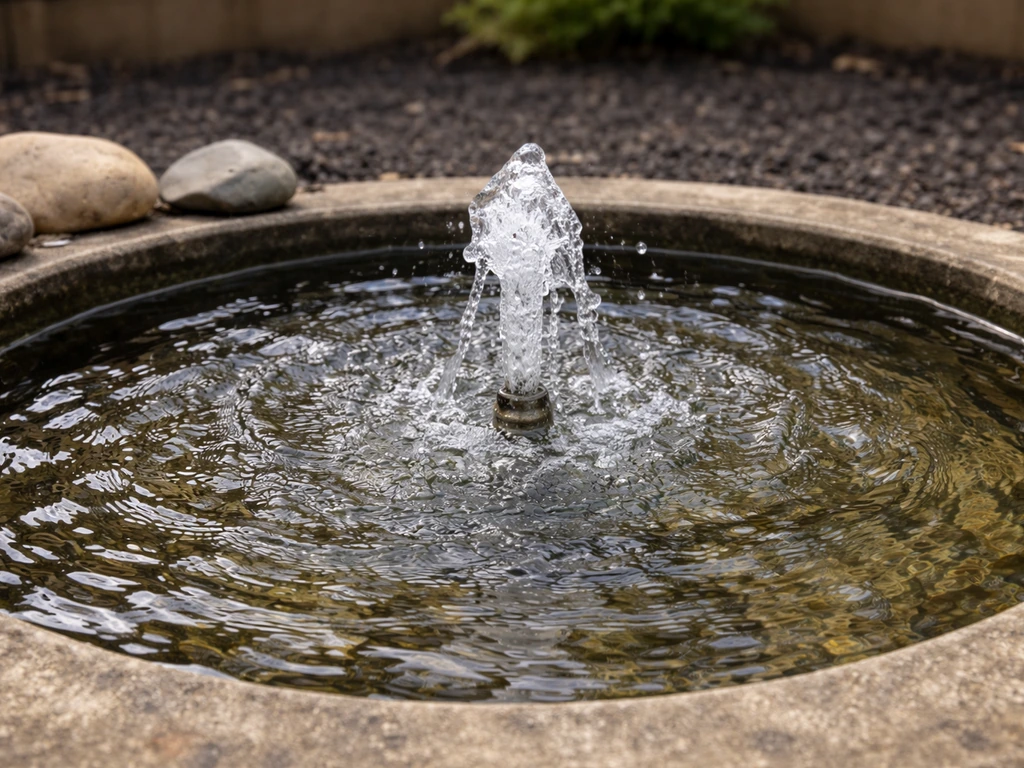
That said, 'fountain' covers a wide range of setups. A recirculating tiered fountain that sends sheets of water cascading down stone? That's a hard no for water lilies. A wide decorative basin with a small bubbler or a low central spout that barely breaks the surface? That can work if you position the lily away from the direct splash zone. The practical test is simple: put your hand flat on the water surface where you plan to place the plant. If your hand gets repeatedly splashed or the surface is constantly rippling and broken up, that spot will not work.
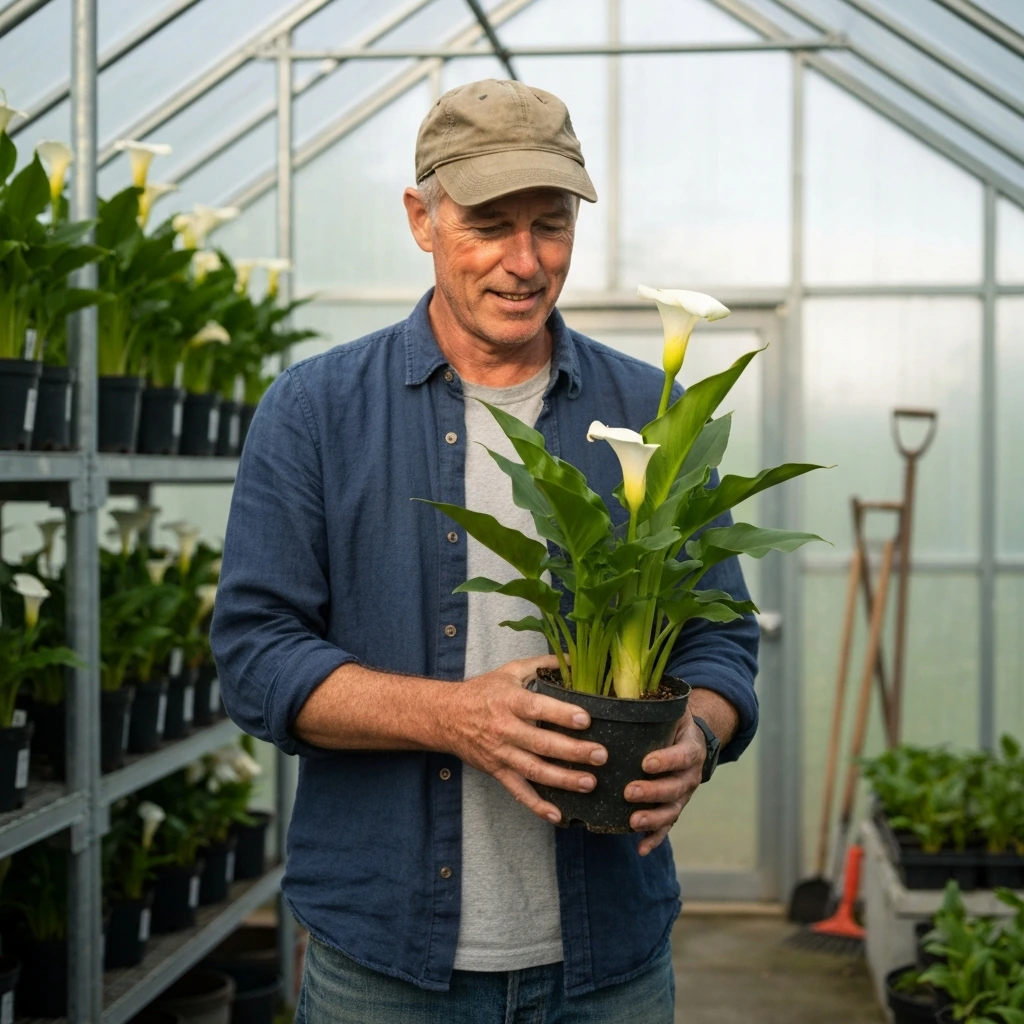
It's also worth clarifying what a water lily actually is, because beginners sometimes confuse the name. Water lilies (Nymphaea species) are true aquatic plants that grow rooted in submerged soil with leaves floating on the surface. They are completely different from peace lilies, calla lilies, Asiatic lilies, and daylilies, which are all terrestrial or semi-terrestrial plants that would drown in a fountain basin. If you're looking at a lily type that doesn't have floating pads and isn't rooted in water, this guide isn't for that plant.
Picking the right water lily for your fountain
Choosing the right variety is arguably the most important decision you'll make. Get this wrong and even a perfect setup won't produce blooms.
Hardy vs. tropical: which one fits your situation?
Hardy water lilies (Nymphaea varieties that survive frost) are the practical first choice for most home gardeners. They tolerate a wider range of water temperatures, go dormant in winter rather than dying, and are generally more forgiving of less-than-perfect conditions. If you're in USDA zones 4 through 10, a hardy variety like 'Attraction' (which is also a relatively compact grower) can live in a fountain basin year-round with proper winter care. Tropical water lilies are showier, often fragrant, and some bloom at night, but they need water temperatures consistently above 70°F (21°C) to thrive. If your fountain is outdoors in a climate with cool nights or short summers, tropicals will sulk or die.
For a fountain specifically, the other key factor is size. A standard large-growing water lily will quickly overwhelm a modest basin, crowding itself out and blocking any aesthetic you were going for. Dwarf or miniature varieties, sometimes labeled 'pygmy' or 'small,' are designed for containers and small ponds and are ideal for fountain setups. Look for varieties described as suitable for tubs or container ponds, with spread ratings under 3 to 4 feet.
| Type | Cold Hardiness | Best for Fountain Size | Bloom Style | Notes |
|---|---|---|---|---|
| Hardy water lily | Zones 4–10 | Small to medium basins | Daytime, range of colors | Most beginner-friendly; goes dormant in winter |
| Tropical water lily (day-blooming) | Zone 10+ or treated as annual | Medium basins only | Daytime, vivid colors | Needs water temp above 70°F consistently |
| Tropical water lily (night-blooming) | Zone 10+ or treated as annual | Medium basins only | Nighttime, large blooms | Same temperature needs; dramatic but demanding |
| Dwarf/pygmy water lily | Varies by cultivar | Small basins and tubs | Daytime, smaller flowers | Best choice for tight fountain spaces |
Sunlight, temperature, and where to put your fountain
Water lilies are sun lovers, full stop. To get reliable blooms, you want at least 6 hours of direct sunlight per day hitting the water surface. Some hardy varieties like 'Attraction' will still produce some flowers with as few as 4 hours of direct sun, but you'll get noticeably fewer blooms and the plant will be less vigorous. If your fountain is on a shaded patio or under a tree canopy for most of the day, water lilies are going to disappoint you.
Water temperature matters just as much as air temperature. Hardy lilies start actively growing when the water warms to around 50 to 60°F and bloom best between 70 and 85°F. Tropical varieties won't start growing well until water temperatures are consistently above 70°F. A fountain basin, especially a shallow one, can heat up quickly in summer sun, which is usually fine, but can also cool overnight more rapidly than a larger pond. In most temperate climates (zones 6 through 9), hardy lilies in a fountain basin will be fine outdoors from late spring through fall.
Location also affects splash exposure. Place the fountain in an open spot away from trees not just for sunlight but to reduce falling debris, which decomposes in the basin and degrades water quality. Overhead branches also create shade patches that move through the day, reducing effective sun hours.
Getting the planting depth and container setup right
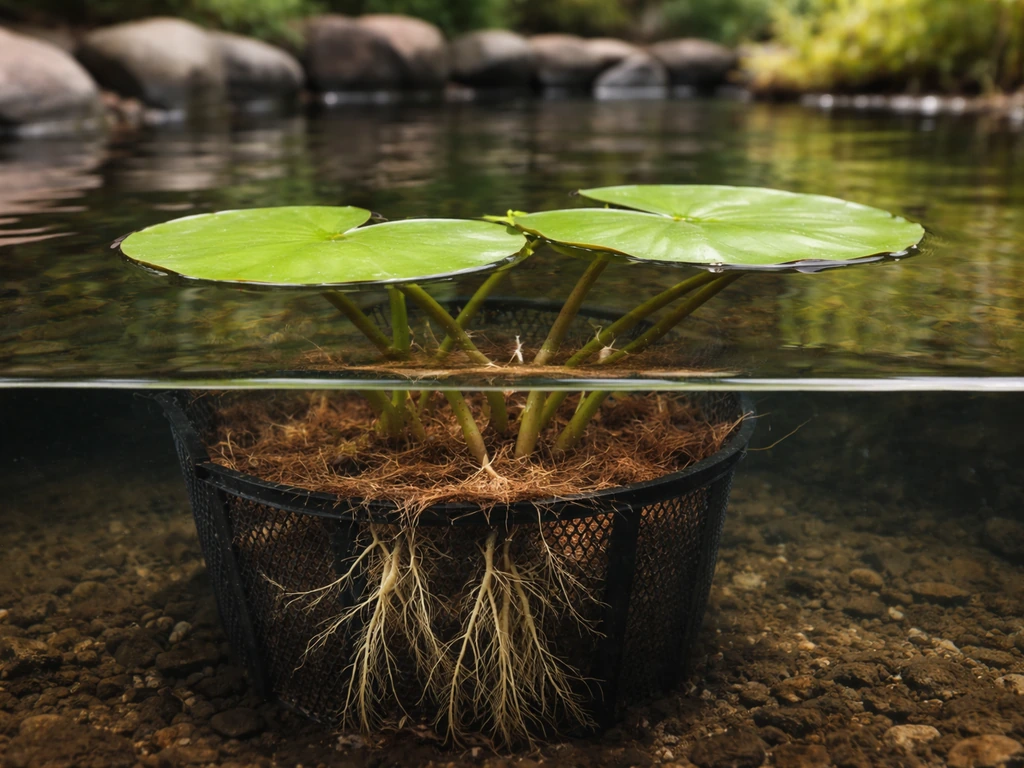
This is where a lot of people go wrong, and it's frustrating because the fix is simple once you know it. Water lilies need their crown (the growing point where leaves emerge) positioned so the water above it is at least 6 inches deep, with 8 to 10 inches being the sweet spot for most varieties. The RHS also advises planting water lilies in a basket so the crown is covered with about 15 to 25 cm of water, with young leaves floating on the surface planting water lilies in a basket so the crown is covered with about 15–25 cm of water. Too shallow and the plant barely grows. Too deep early in the season and the young growth struggles to reach the surface. The good news is you can control this with a container setup.
Using a planting basket or container
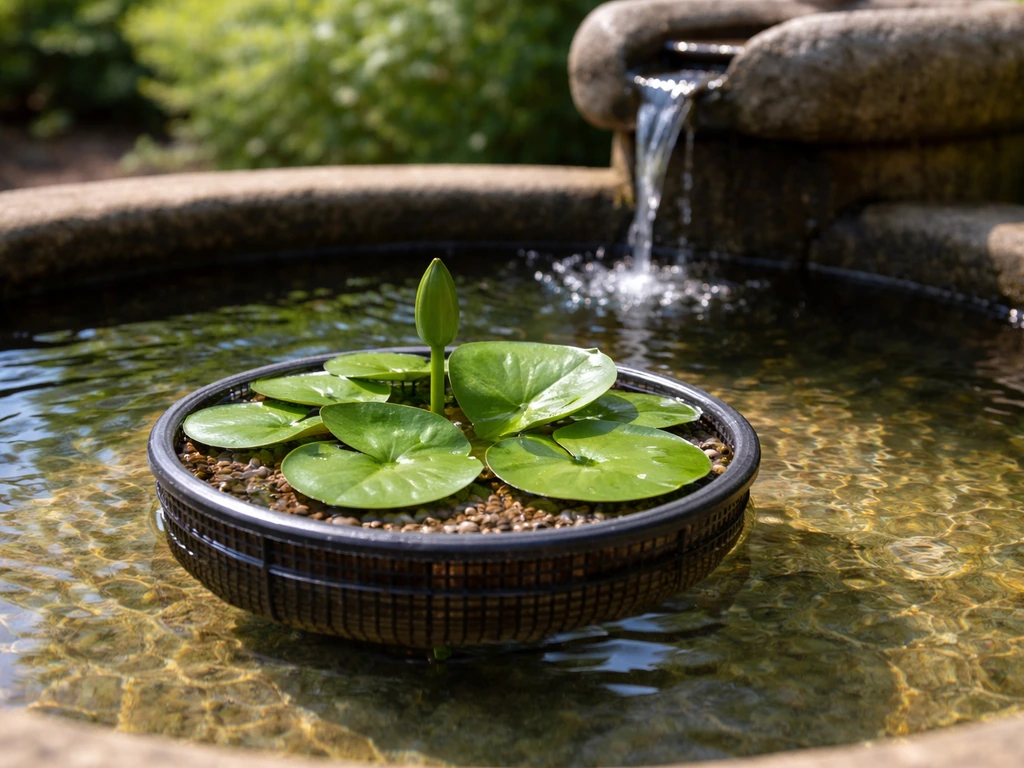
Plant your water lily in a wide, shallow container or aquatic planting basket, not a tall narrow pot. Wide baskets (10 to 14 inches across for a small variety, up to 18 to 24 inches for a standard hardy lily) give the rhizome room to spread. Use heavy garden soil or a purpose-made aquatic planting media, not potting mix, which floats and clouds the water. Fill the basket about two-thirds full of soil, position the rhizome at a slight angle with the growing tip pointing upward and toward the center, and cover the roots with soil while leaving the crown just at or barely below the soil surface.
After planting, add a 1-inch layer of pea gravel over the soil to keep it from clouding the water when you lower the basket in. Then, when you first place the basket in your fountain, position it so only 2 to 3 inches of water covers the roots. As the plant establishes and sends up new pads, you can lower the basket gradually until the crown sits at the ideal depth of 6 to 10 inches below the water surface. In a shallow fountain basin that only holds 8 to 12 inches of water total, a pygmy variety in a basket sitting directly on the bottom may be your only option.
A quick planting checklist
- Choose a wide, shallow aquatic planting basket (10–24 inches depending on variety size)
- Fill two-thirds with heavy garden soil or aquatic compost, not regular potting mix
- Position the rhizome at a slight upward angle, crown just below soil level
- Cover soil with a 1-inch layer of pea gravel
- Lower basket into the fountain so only 2–3 inches of water covers the roots initially
- Raise or lower the basket over the first few weeks until the crown is at 6–10 inches below the water surface
Managing water flow, aeration, and water quality
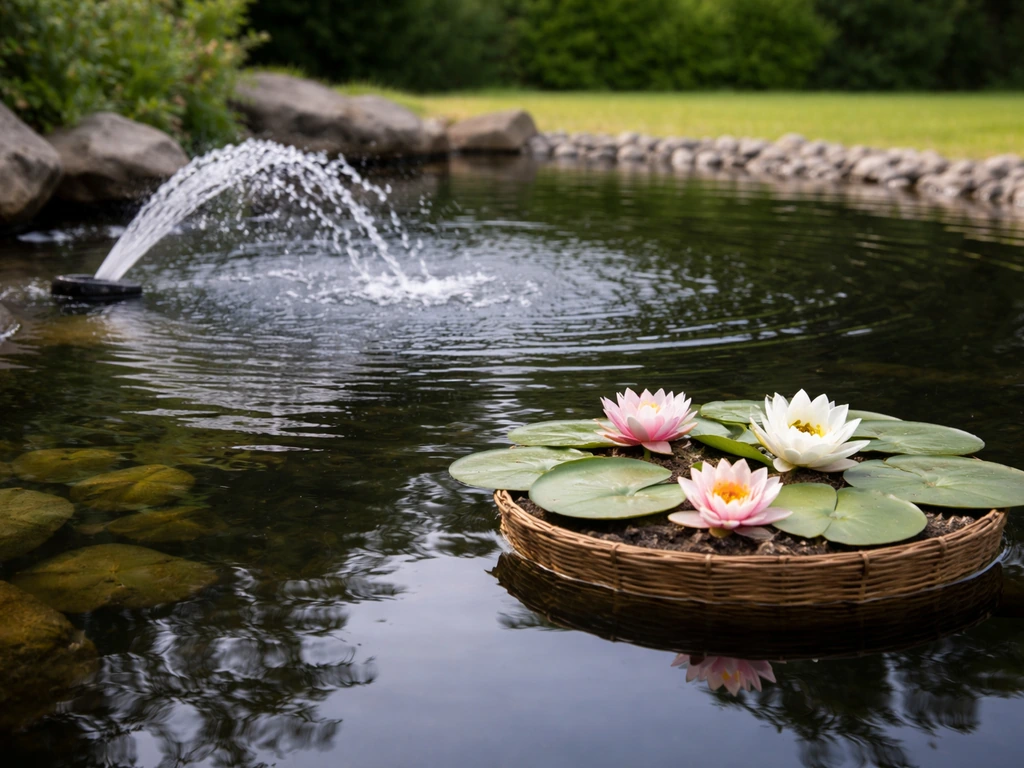
Here's the honest truth about fountains: the feature that makes them look beautiful (moving water) is exactly what water lilies hate. Constant surface rippling and splash land on the floating leaves, and over time that causes yellowing, physical damage, and blocked light. More importantly, the lily can't maintain the still-water root zone it needs to anchor. If you have a fountain pump, either turn it off, redirect it away from the lily's zone, or dial it way down. Position the lily basket in the calmest corner of the basin, as far from the spout or jet as possible.
What about aeration and water quality? This is where the contradiction in fountain setups gets interesting. Water lilies actually prefer low-oxygen, still water, and they produce their own oxygen through photosynthesis. However, a stagnant basin with no circulation at all can become a breeding ground for algae and mosquitoes. The solution is a very low-flow pump positioned at the bottom of the basin with the outflow directed downward or horizontally below the surface, creating gentle subsurface circulation without breaking the surface. This keeps the water from going completely stagnant while not disturbing the pads.
Water quality matters for long-term health. Top up the basin with water every few days during hot weather to compensate for evaporation. If you are using tap water, let it sit for 24 hours before adding to the basin, or use a dechlorinator, as chlorine can stress the plant. Avoid adding fish fertilizers or high-nitrogen pond treatments. Water lilies benefit from slow-release aquatic fertilizer tablets pushed directly into the soil in the basket once a month during the growing season, keeping nutrients at the root zone rather than free-floating in the water where they'd fuel algae growth.
Care through the seasons and fixing common problems
A simple care calendar
| Season | Key Tasks |
|---|---|
| Spring (water reaching 50–60°F) | Plant or reintroduce overwintered rhizomes; start basket at shallow depth; add first fertilizer tablet |
| Early summer | Lower basket to full depth as growth takes off; begin monthly fertilizing; check for algae |
| Midsummer (peak growth) | Deadhead spent blooms; top up water lost to evaporation; fertilize monthly; check flow settings |
| Late summer/early fall | Reduce fertilizing; watch for leaf yellowing; remove dying foliage before it rots |
| Winter (for hardy varieties) | Move basket to deepest part of basin or store rhizome in damp sand indoors in a cool, frost-free spot (zones 4–6) |
Why isn't it blooming?
No blooms is the most common complaint, and it almost always comes down to one of three things: not enough sun, too much water movement, or planting depth that's off. Run through this checklist before assuming the plant is a dud. Is it getting at least 6 hours of direct sun on the pads? Is the water surface calm where the lily sits? Is the crown sitting at 6 to 10 inches below the water surface (not 2 inches, not 24 inches)? Has the plant been in place for at least 6 to 8 weeks? New transplants rarely bloom immediately; they spend their first weeks establishing roots before putting energy into flowers. Also check that you're fertilizing: a water lily in a basket with no added nutrients will eventually exhaust the soil and stop blooming, usually by midsummer.
Leaves getting beat up or yellowing
If the floating pads look torn, folded, or persistently wet and discolored on top, water movement is almost certainly the cause. Splash from a nearby spout keeps wetting and bending the pads rather than letting them float flat. Reduce or redirect the flow. Yellowing leaves that aren't associated with damage are more likely a nutrition issue or, in late season, a natural sign of the plant heading into dormancy. Remove yellow or dead pads by cutting the stem down near the base of the basket, since rotting foliage left in the water will degrade water quality.
Plant not rooting or barely growing
If you've had the plant in for several weeks and it's barely put out new growth, the first thing to check is planting depth. A crown sitting too close to the surface (less than 6 inches of water above it) in a warm, sunny fountain can actually cook the young growth, and one sitting in only a thin layer of water won't develop proper roots at all. On the flip side, if the basket is sitting too deep and the young shoots can't reach the light, the plant will stall. The fix in both cases is to adjust the basket height. Also check that the rhizome wasn't planted crown-down into the soil, which is a surprisingly common mistake.
Algae taking over
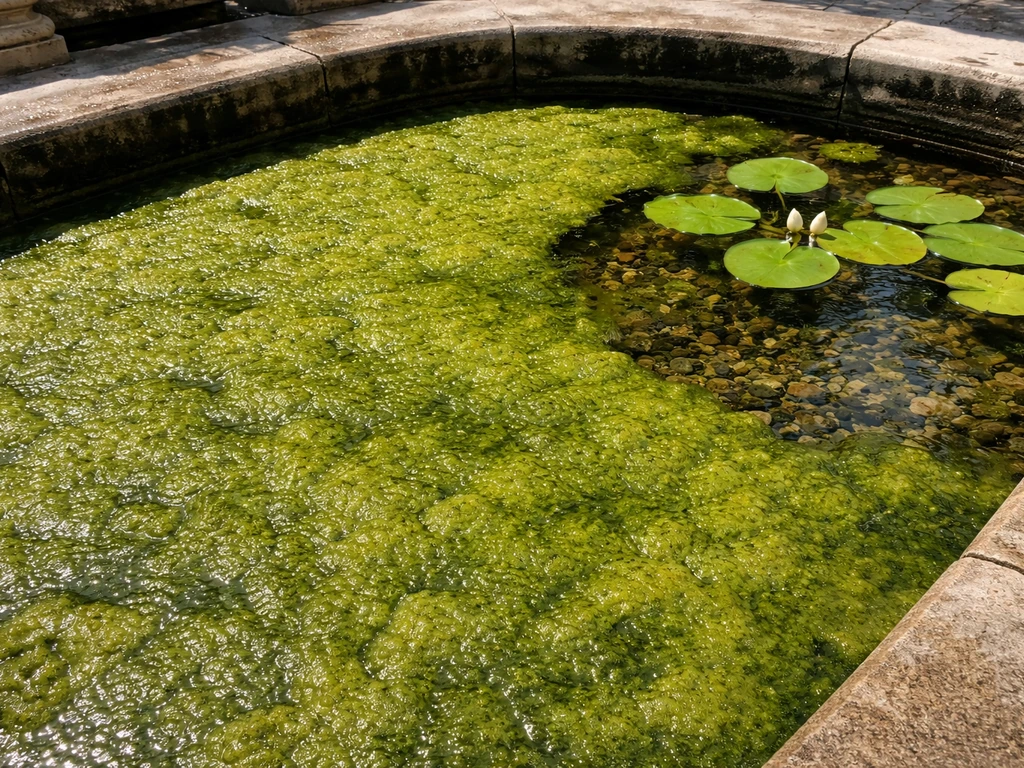
Some algae is inevitable in a sunny fountain basin, but a full algae bloom usually means either too many nutrients in the water (from fish waste, decomposing leaves, or free-floating fertilizer) or not enough plant coverage shading the water. Once your water lily pads expand to cover 50 to 70 percent of the water surface, they naturally limit algae by blocking sunlight. Until then, keep debris out, use fertilizer tablets pushed into the soil rather than liquid feed, and consider adding a few oxygenating submerged plants to compete with the algae.
Where to go from here
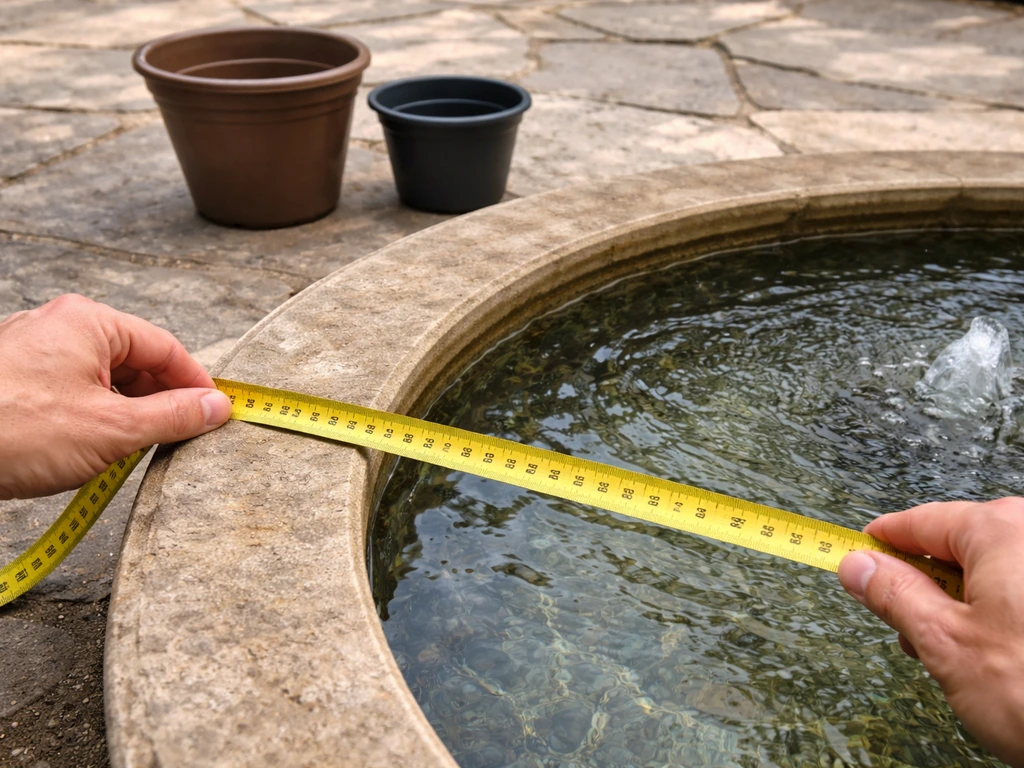
The practical next step is to assess your specific fountain: measure the still-water depth you have available, clock how many hours of direct sun hit the basin surface, and watch where the water is calmest. If you have at least 10 inches of water depth, 6-plus hours of sun, and a calm zone away from the spout, go buy a rhizome of a dwarf or small hardy water lily, get an aquatic planting basket and some aquatic compost, and follow the planting steps above. Expect a 4 to 8 week establishment period before you see serious growth, and don't fertilize for the first month to avoid stressing a newly planted rhizome.
If you're curious whether water lilies can thrive in other container setups beyond a fountain, the same principles of water depth, still water, and sun apply whether you're using a half-barrel, a dedicated container pond, or a simple bucket. The fountain-specific challenge is always the water movement, and once you solve that, the rest of the care is identical to any small-scale water garden. You also need to avoid salty conditions because water lilies do not grow well in saltwater water movement.
FAQ
Can you grow water lilies in a fountain if the pump can’t be turned off?
Yes, but only if you can keep the lily’s zone calm. Try redirecting the return so it splashes into an empty section of the basin, or run the pump on the lowest setting and place the basket in the farthest corner from the spout or outlet. If the surface is constantly rippling where the crown sits, the plant will struggle even with perfect planting depth.
How much still-water depth do you really need for a water lily in a shallow fountain?
Aim for 6 to 10 inches of water above the crown once it is established. In very shallow basins that hold only about 8 to 12 inches total, you may have to use a pygmy or miniature variety and set the basket on the bottom with careful adjustment during the first weeks so the crown does not end up too high.
What’s the right container size if I’m using a fountain that’s small?
Use a wide aquatic basket, not a tall pot. A good rule is to choose a basket wide enough for the rhizome to spread (roughly 10 to 14 inches for a small variety, up to about 18 to 24 inches for a standard hardy lily). A narrow container can limit pads and reduce blooms even if the sun and water movement are correct.
Should I fertilize immediately after planting the rhizome?
No. After you first lower the basket into the fountain, wait about a month before adding fertilizer tablets. New transplants need time to root in the basket soil, and early feeding can stress the plant or encourage algae if nutrients leach into the water.
Do I need to use pond dechlorinator, or can I just let tap water sit longer?
Letting water sit helps, but dechlorinator is the more reliable option if you want predictable results. If you only rely on sitting out, do it for about 24 hours and still observe plant response, especially in hot weather when chlorine stress can be more noticeable.
Will water lilies grow in a fountain that’s near the coast or uses softened water?
It’s better to avoid salty conditions. Water lilies typically don’t do well with saltwater or elevated dissolved salts, which can occur with some softened-water setups. If you use softened water, flush and refill with low-salt water for the basin, and monitor leaf yellowing as an early warning sign.
How do I prevent the pads from getting constantly splashed?
Position is everything. Place the basket in the calmest part of the basin, then test by putting your hand on the surface where the pads will sit. If your hand gets repeatedly splashed or the water keeps rippling, move the basket farther from the flow or adjust the outlet direction before the lily is in place.
Why does my water lily grow leaves but not flowers in a fountain?
Common causes are insufficient direct sun (less than 6 hours), too much water movement around the crown, or nutrient depletion in the basket soil. Also consider establishment time, many new rhizomes need 6 to 8 weeks of growth before blooms are realistic, then resume monthly feeding with fertilizer tablets once the plant is established.
What should I do if the crown is too close to the surface after planting?
Adjust the basket height gradually. If the crown ends up less than about 6 inches below the water surface, young growth can stall or even be damaged in bright sun. Start shallow only for the first placement (roots), then lower the basket step by step until the crown sits in the 6 to 10 inch range.
Can I add fish or fish food to a fountain with water lilies?
It’s not recommended. Fish waste and free-floating nutrients usually create algae problems, and the resulting turbulence from feeding and extra organic load can worsen water quality. If you want a water garden focused on lilies, skip fish-based nutrient sources and use slow-release fertilizer tablets placed in the basket soil.
Do water lilies need oxygenation in a fountain?
They generally prefer low-oxygen still conditions, but total stagnation can lead to algae and mosquito breeding. Use a very low-flow pump with subsurface circulation, directed downward or below the surface, so the water moves gently without breaking the surface where the pads float.
How do I know if algae is a nutrient problem or a shading problem?
If algae is heavy before the lily covers much of the surface, it’s often a shading and early-stage issue. If algae persists even after pads expand, it often points to excess nutrients, commonly from liquid fertilizer, decomposing debris, or nutrients entering the water directly. Reduce nutrient inputs, keep debris out, and wait for pad coverage (often around 50 to 70 percent) to naturally shade the water.
Next Articles
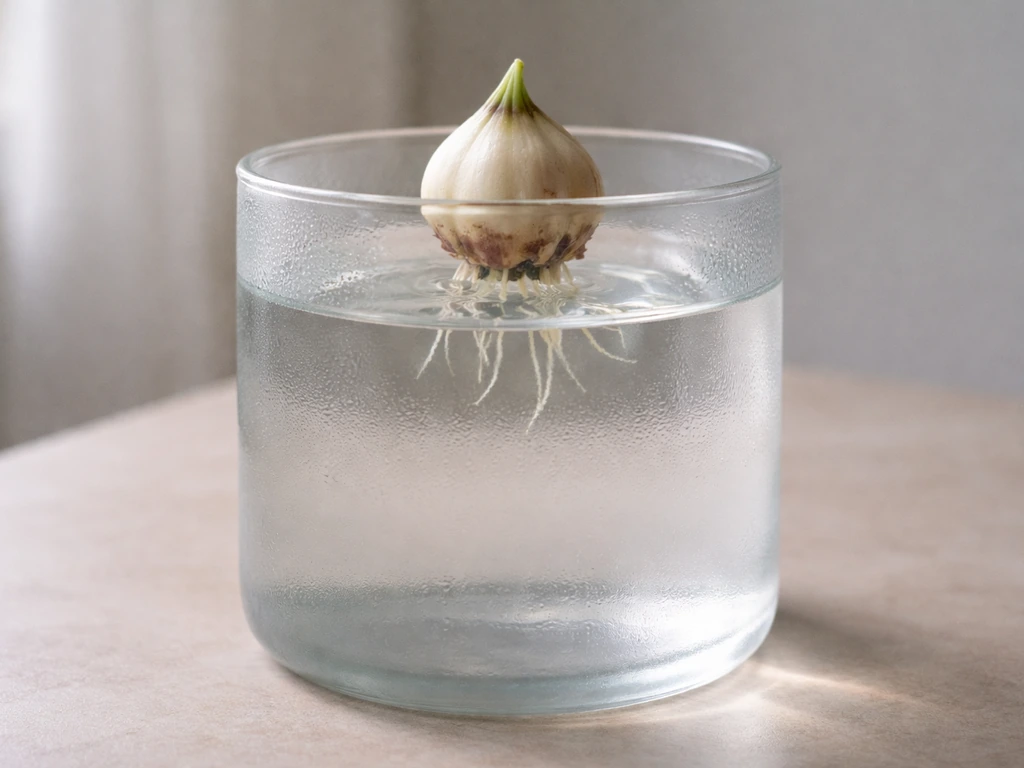
Can You Grow Lilies in Water? Steps, Types, and Troubleshooting
Learn if true lilies, peace lilies, or water lilies can grow in water, plus setup steps and fixes for rot, algae, and st
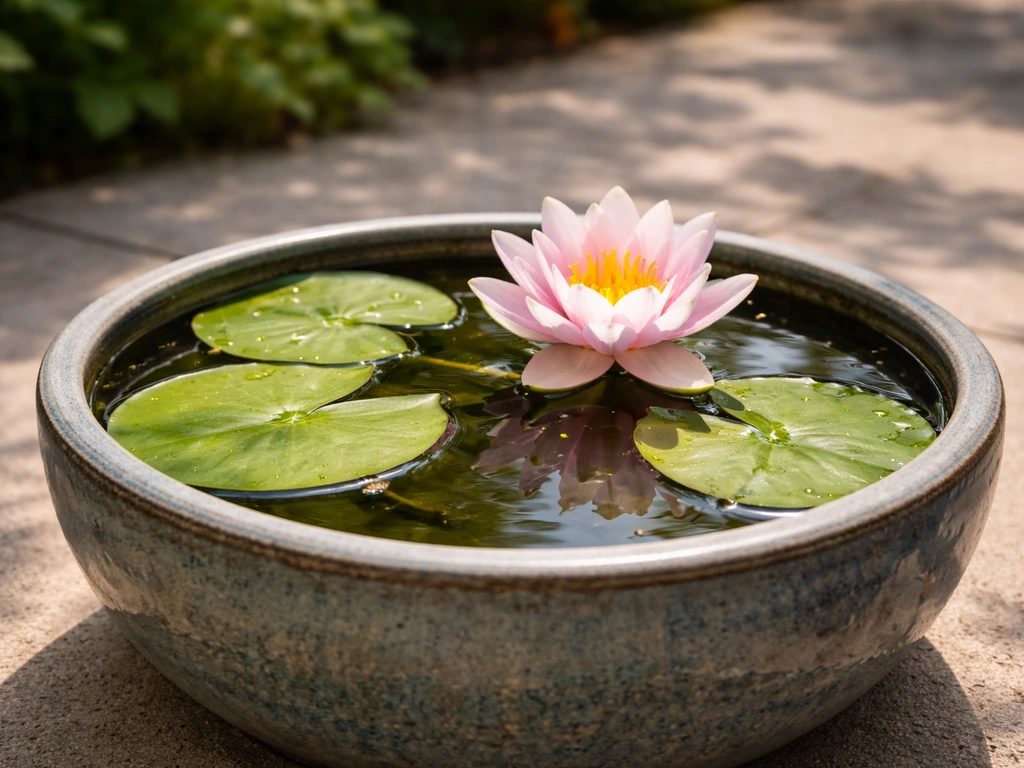
Can You Grow Water Lilies in a Pot? How to Do It
Learn how to grow water lilies in a pot or bowl, with step-by-step container setup, depth, soil, light, and care for blo
Can Water Lilies Grow in Just Water? How to Set Up
Learn if water lilies can grow in just water, why they fail in moving water, and how to set depth and placement.